
If you’re trying to cut calories without abandoning carbs entirely, you’ve probably stood in front of your pantry wondering: should I reach for whole grain bread or rice? Both are staple carbohydrate sources, but they hit your calorie count very differently—and the difference matters when you’re tracking portions or managing weight. The catch is that the answer depends less on which food is “lower” in absolute terms and more on how you actually eat them.
This article compares the real calorie density of whole grain bread versus rice across typical servings, explains why satiety matters as much as raw calories, and reveals the serving-size trap that makes this comparison trickier than it looks. By the end, you’ll know exactly which one fits your eating style and weight-loss goals—and when the other option makes more sense.
Quick Answer
Whole grain bread wins on calories per serving: a standard slice (28g) contains 80–100 calories, while a cup of cooked white rice (158g) contains 205 calories. However, rice becomes competitive (and even superior for weight loss) if you measure by dry weight and control portion size—1/4 cup dry rice cooks to roughly 1 cup and delivers more satiety per calorie than a single slice of bread. The answer shifts if you’re comparing brown rice (215 calories per cooked cup) or if bread serving sizes creep above one slice.
Whole Grain Bread vs Rice: Nutritional Breakdown
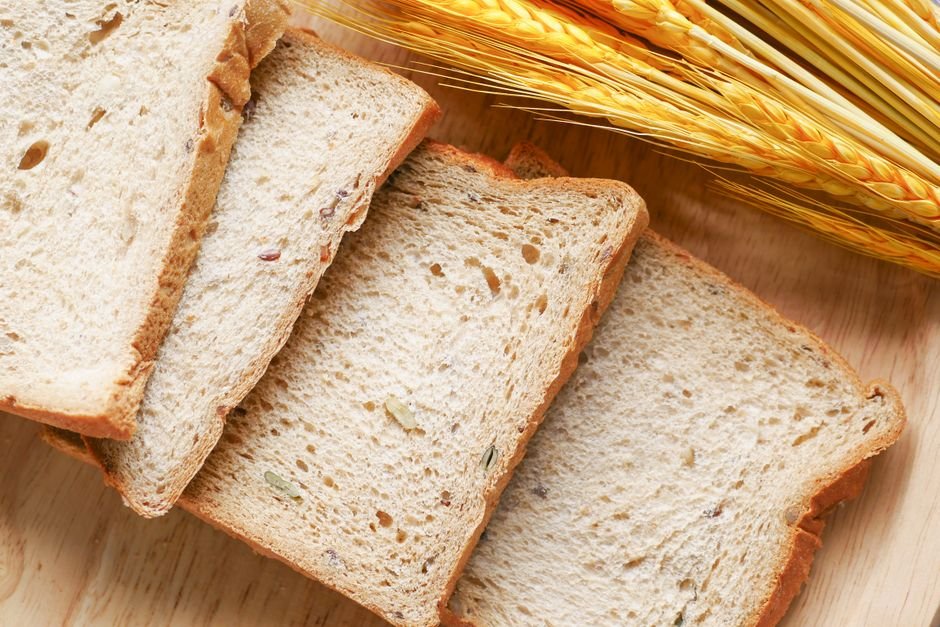
Whole Grain Bread (1 slice, 28g)
- Calories: 80–100 (varies by brand; denser artisanal loaves run higher)
- Protein: 3–4g (stronger protein content than rice)
- Fiber: 2–3g (soluble and insoluble, aids satiety)
- Fat: 1–1.5g (minimal; sometimes from added seeds or oils)
- Carbohydrates: 14–18g (mostly starch and fiber combined)
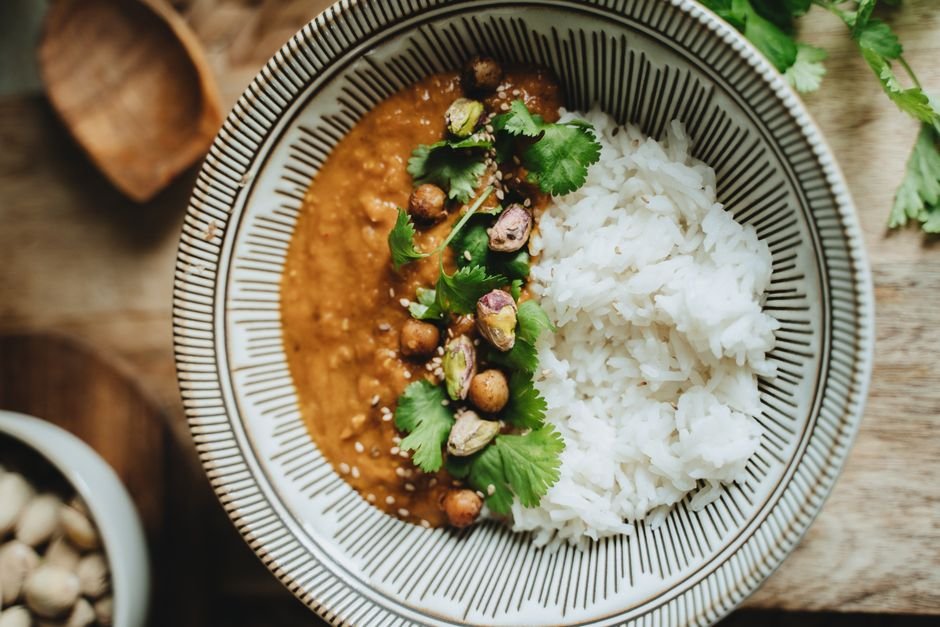
White Rice, Cooked (1 cup, 158g)
- Calories: 205 (nearly double a slice of bread)
- Protein: 4.3g (slightly higher absolute amount, but per-calorie ratio is lower)
- Fiber: 0.6g (minimal; stripped during milling)
- Fat: 0.3g (negligible)
- Carbohydrates: 44.5g (pure starch; minimal fiber slows digestion minimally)
| Metric | Whole Grain Bread (1 slice) | White Rice (1 cup cooked) |
|---|---|---|
| Calories | 80–100 | 205 |
| Protein (g) | 3–4 | 4.3 |
| Fiber (g) | 2–3 | 0.6 |
| Carbs (g) | 14–18 | 44.5 |
| Glycemic Index | 50–60 (lower; slower blood sugar rise) | 70–73 (higher; faster blood sugar spike) |
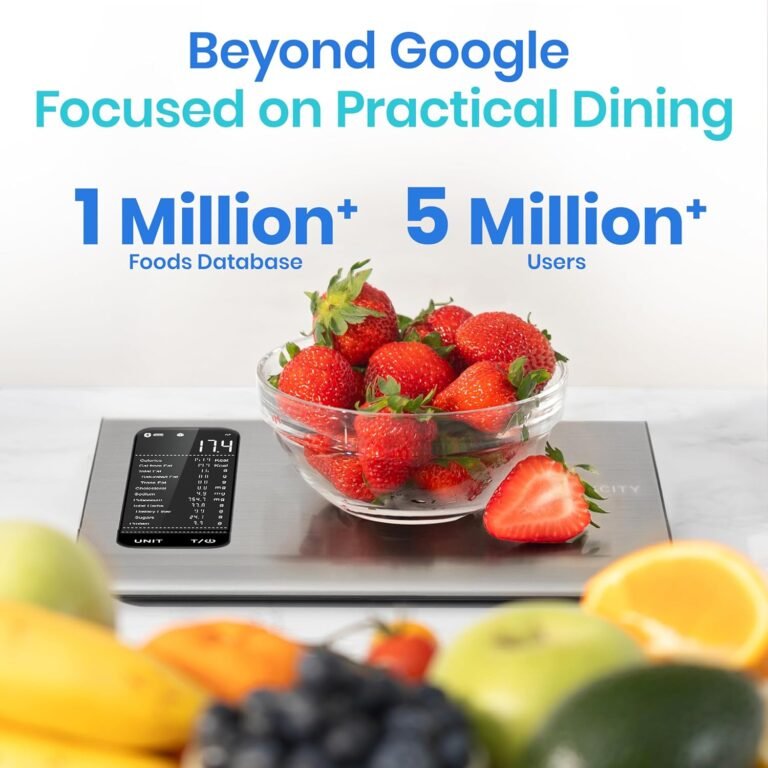
Etekcity Food Scale
0.1g accuracy — the perfect companion for exact portions.
Which Is Better for Weight Loss?
Whole grain bread is the better choice for most people trying to lose weight—but only if you eat it as intended: one or two slices per meal. The calorie advantage (roughly half that of rice per serving) combined with its fiber content makes bread more satiating and easier to portion control. You can eat a slice of whole grain bread with lunch and feel full without a second thought. A cup of cooked rice, by contrast, often leaves you wanting more—the low fiber and high glycemic index trigger faster hunger signals.
However, rice wins if you’re disciplined about measuring dry portions (1/4 cup dry rice = about 172 calories before cooking) and prioritize satiety through volume. A 1/4 cup dry rice measurement requires intention and a food scale, which trips up most home cooks. Rice also works better if you’re pairing it with very high-protein mains (grilled chicken, fish, tofu) that will push overall satiety; bread’s protein contribution alone isn’t enough to anchor a meal.
Why the Numbers Don’t Tell the Whole Story
The “bread has half the calories of rice” headline obscures real-world eating patterns. Most people don’t eat just one slice of bread—they eat two slices (160–200 calories, now roughly equal to a cup of rice). Conversely, many people underestimate rice portions, eyeballing “a cup” when they’ve actually scooped 1.5 cups (307 calories). A standard dinner plate rice scoop is often 3/4 cup cooked, not the measured cup used in nutrition data.
Brand and recipe matter enormously. “Whole grain” bread ranges from 70 calories per slice (thin-sliced, commercial loaves) to 150 calories (artisanal or seed-heavy versions). Rice prepared with butter or oil (fried rice, risotto) adds 50–100 calories per cup. Brown rice contains 215 calories per cooked cup versus white rice’s 205—a narrow gap, but enough to flip the comparison if you’re comparing brown rice to light whole wheat bread.
The real differentiator is fiber and blood sugar stability: whole grain bread’s 2–3g fiber per slice keeps you full longer and prevents the energy crash that often follows white rice’s fast carbs. Rice lovers often reach for a second helping within an hour; bread eaters rarely do. This satiety advantage might mean eating 300 fewer calories overall by dinner, which no static nutrition label captures.
To get an exact calorie count for the bread and rice actually sitting in your kitchen, use our free AI nutrients calculator (https://nutrientscalculator.com/) to log the brand and exact serving size you eat. You’ll get:
- Real-world calorie numbers tailored to your specific products (not generic USDA averages)
- Personalized satiety comparisons based on fiber, protein, and carb ratios
- Portion recommendations aligned with your weight-loss target
Common Mistakes
Here are the four most common errors people make when choosing between these carb sources:
❌ Comparing one slice of bread to one cup of rice—forgetting that bread’s standard serving is 1–2 slices, while rice servings creep to 1.5+ cups, doubling the calorie intake invisibly.
❌ Ignoring fiber entirely—white rice has almost none, but bread has 2–3g per slice, which cuts hunger hormones and slows digestion (and calorie absorption) meaningfully.
❌ Assuming brown rice and white rice are nutritionally equivalent—brown rice is 10 calories higher per cup and requires longer cooking, but the fiber boost doesn’t offset its higher calorie density.
❌ Forgetting that bread spoils faster than rice, leading many people to overeat before it goes stale—a psychological factor that rice’s shelf-stability actually wins on.
The takeaway: neither food is a villain. The winner is whichever one you can portion predictably and eat with real satiety.
FAQ
Is brown rice better than white rice for weight loss?
Brown rice has 10 more calories per cooked cup (215 vs. 205) and 3.5g fiber versus 0.6g. The fiber boost supports satiety, but the calorie difference is minimal—it’s not a weight-loss game-changer versus white rice. Choose it for taste and digestive health, not calorie savings.
How much whole grain bread equals a cup of rice calorically?
Two slices of whole grain bread (160–200 calories) roughly match one cup of cooked white rice (205 calories), assuming standard slices. However, bread’s higher fiber means two slices will keep you fuller longer than that rice cup.
Can I eat rice on a diet?
Yes, but measure it carefully: aim for 1/2 to 3/4 cup cooked rice per meal (102–154 calories) paired with protein and vegetables to boost satiety. Most people overeat rice because it’s easy to keep scooping; bread portions are naturally self-limiting (you eat 1–2 slices and stop).
Does cooking method change rice or bread calories?
Cooking method itself doesn’t (boiled vs. steamed rice yields the same calories), but added fats do: fried rice, risotto, or buttered rice can add 50–150 calories per cup. Bread calories stay stable unless it’s toasted (minimal change) or served with butter or oil.
Conclusion
Whole grain bread wins the calorie comparison at roughly half the calories of white rice per standard serving, and its fiber and protein content make it the better default choice for weight loss. If you eat one or two slices of bread with a meal, you’ll naturally feel satisfied; if you eat rice, you’ll likely need portion discipline and a food scale to prevent overconsumption. That built-in self-limiting feature of bread makes it the practical winner for most people.
That said, rice isn’t off-limits—it’s simply less forgiving for casual eating. If you’re willing to measure portions and pair rice with high-protein sides, both carb sources can fit a weight-loss diet. The real key is honesty about how you actually eat, not what the nutrition label says you should eat. For a personalized calorie count tailored to the specific bread and rice in your kitchen, use a reliable nutrients calculator to log your exact products and serving sizes.
