
When comparing canned tuna vs fresh salmon omega-3s, fresh salmon wins by a significant margin: a 3-ounce serving of fresh salmon contains roughly 1,480 mg of omega-3 fatty acids, while the same serving of canned tuna in water offers only about 250 mg. If your goal is maximizing heart-healthy omega-3s from a single meal, the choice appears obvious. But the real decision isn’t just about raw numbers—it’s about cost, convenience, sustainability, and what you’ll actually eat consistently.
This article will settle the debate by comparing the nutritional profiles head-to-head, showing exactly why fresh salmon delivers more omega-3s, and then revealing when and why canned tuna might still be the smarter choice for your diet and budget. We’ll also expose how serving size and preparation method can shift the equation in unexpected ways.
Canned Tuna vs Fresh Salmon Omega-3s: Quick Answer
Fresh salmon contains roughly 6 times more omega-3 fatty acids per 3-ounce serving than canned tuna in water (1,480 mg vs 250 mg). If maximum omega-3 intake is your goal, fresh salmon is the clear winner. However, if you’re trying to fit omega-3-rich fish into a tight budget or need shelf-stable convenience, canned tuna still delivers meaningful amounts of the beneficial fats—just not at the same potency. The answer shifts if you’re comparing canned salmon (which rivals fresh salmon) or if you’re willing to cook tuna fresh.

Canned Tuna vs Fresh Salmon: Nutritional Breakdown
Canned Tuna (in water, 3 oz drained)
- Omega-3 fatty acids: ~250 mg (EPA + DHA combined)
- Protein: 22 g
- Calories: 99
- Fat: 0.8 g total fat
Fresh Salmon (cooked, 3 oz)
- Omega-3 fatty acids: ~1,480 mg (EPA + DHA combined)
- Protein: 19 g
- Calories: 175
- Fat: 11 g total fat
| Metric | Canned Tuna (3 oz) | Fresh Salmon (3 oz) |
|---|---|---|
| Omega-3 Fatty Acids (mg) | ~250 | ~1,480 |
| Protein (g) | 22 | 19 |
| Calories | 99 | 175 |
| Total Fat (g) | 0.8 | 11 |
| Mercury Content (μg/100g) | 0.017 | 0.022 |
Etekcity Food Scale
0.1g accuracy — the perfect companion for exact portions.
Which Is Better For Maximizing Omega-3 Intake?
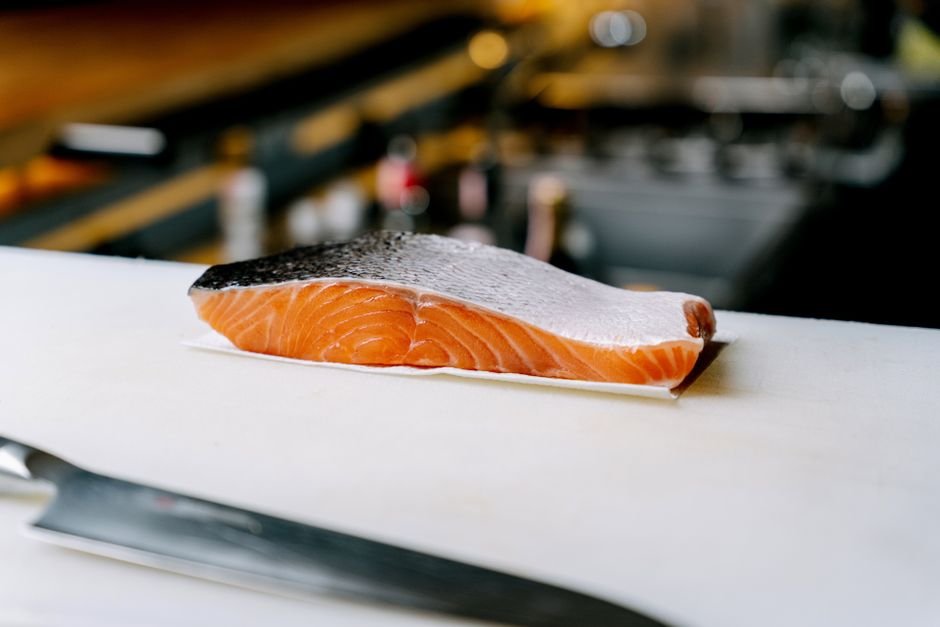
Fresh salmon is objectively the better choice if omega-3s are your primary goal. Its 1,480 mg per serving dwarfs canned tuna’s 250 mg, meaning you’d need to eat six cans of tuna to match the omega-3 content of a single salmon fillet. The omega-3s in salmon are predominantly EPA and DHA—the two active compounds linked to heart health, brain function, and inflammation reduction. A typical recommendation from the American Heart Association is 1,000 mg of combined EPA and DHA daily, meaning one salmon serving nearly reaches that target alone, while one can of tuna provides only a quarter of it.
That said, canned tuna remains a legitimate omega-3 source if cost and availability are primary concerns. Tuna is typically $1–2 per can versus $6–12 for fresh salmon, and it requires zero preparation—no thawing, no cooking, no waste. For people on a strict budget trying to increase omega-3 intake incrementally, two cans of tuna daily (500 mg omega-3s) is more sustainable than aspirational salmon meals they can’t afford. The catch is consistency: salmon’s omega-3 advantage only matters if you actually eat it regularly, not just occasionally.
Why the Numbers Don’t Tell the Whole Story
The omega-3 content listed on nutrition labels assumes a specific serving size and preparation method—assumptions that don’t match real kitchens. A “3-ounce serving” of fresh salmon is smaller than it sounds (about the size of a deck of cards), and many home cooks prepare 5–8 ounce portions. If you eat a 5-ounce salmon fillet instead of 3 ounces, you’re consuming roughly 2,470 mg of omega-3s, not 1,480 mg. Conversely, draining canned tuna vigorously can reduce its fat content—and omega-3s dissolve slightly in the packing liquid—so some sources lose 10–15% of their advertised omega-3 content just during the draining step.
Brand variation also matters. Atlantic farmed salmon typically contains 1,300–1,900 mg of omega-3s per 3-ounce serving depending on the farm’s feed, while wild-caught Pacific salmon ranges from 900–1,600 mg. Budget canned tuna brands may use smaller fish species or cheaper packing methods that yield lower omega-3 values, while premium brands using skipjack or yellowfin tuna consistently hit the ~250 mg range. Temperature and storage affect both: salmon oxidizes quickly after cooking if left out, degrading its omega-3s, while canned products are shelf-stable but may lose potency if stored in heat.
The most reliable way to know what you’re actually eating is to use a nutritional calculator that accounts for your exact serving size, brand, and preparation. Our free nutrients calculator lets you input the specific product you’re holding and get precise omega-3 content for your portion, accounting for:
- Your exact serving weight (not a generic 3-ounce assumption)
- Brand-specific nutrition data where available
- Packing liquid loss for canned products
Common Mistakes
People often oversimplify this comparison or misread the data. Here are the biggest pitfalls:
❌ Assuming canned salmon and canned tuna have the same omega-3 content. Canned salmon actually contains 600–700 mg per 3-ounce serving—closer to fresh salmon—because it includes the bones (a rich source of omega-3s and calcium). Canned tuna is boneless, which lowers its omega-3 density significantly.
❌ Forgetting that “omega-3” on a label sometimes refers to total omega-3s, not the active forms (EPA and DHA). Some products list ALA (alpha-linolenic acid, a plant-based omega-3) separately, which your body converts inefficiently. Always check for EPA and DHA specifically.
❌ Using omega-3 content alone to justify salmon over tuna, ignoring budget reality. If canned tuna fits your weekly grocery budget and salmon is an occasional luxury, eating canned tuna twice a week is nutritionally superior to buying salmon once per month and then not cooking it.
❌ Assuming fresh salmon is always fresher and better than frozen. Frozen salmon is often flash-frozen within hours of catch and retains omega-3s better than “fresh” salmon that’s been refrigerated for days. Check the label: “previously frozen” is sometimes the better nutritional choice.
FAQ
Does mercury in tuna offset the omega-3 benefits?
Canned light tuna (typically skipjack) contains about 0.017 μg of mercury per 100 grams—one of the lowest among seafood. The FDA recommends limiting high-mercury fish like albacore tuna, but light canned tuna is safe to eat 2–3 times per week even for pregnant women. Fresh salmon contains slightly more mercury (0.022 μg per 100g) but still falls well within safe limits. Omega-3s aren’t negated by trace mercury amounts.
How much omega-3 is lost when you drain canned tuna?
Draining a can of tuna removes about 10–15% of its omega-3 content because omega-3 fatty acids are partially water-soluble and leach into the packing liquid. To minimize loss, drain briefly and eat the liquid that clings to the tuna rather than soaking the can. Using tuna packed in olive oil instead of water helps retain omega-3s, though it adds calories.
Is fresh wild salmon worth the price premium over farmed?
Wild salmon typically contains 15–25% more omega-3s per ounce than farmed salmon, but farmed salmon is still an excellent source and often more sustainable at scale. If cost matters more than a small omega-3 boost, farmed salmon delivers 90% of the benefit at 60% of the price. Frozen farmed salmon is often the best value.
Can I get the same omega-3s from canned sardines or mackerel instead?
Yes. Canned mackerel contains 540 mg of omega-3s per 3-ounce serving, and sardines contain 480 mg—both far closer to salmon than tuna. If you dislike tuna, sardines or mackerel are better canned alternatives that still cost less than fresh salmon and require zero cooking.
Conclusion
Fresh salmon delivers roughly 6 times more omega-3 fatty acids per serving than canned tuna—1,480 mg versus 250 mg for a standard 3-ounce portion. If you want maximum heart-healthy benefits and can afford fresh salmon, it’s the nutritionally superior choice and should be your go-to protein 2–3 times per week. But this comparison shouldn’t force tuna off your plate entirely: a consistent habit of eating canned tuna is nutritionally better than an inconsistent salmon habit interrupted by budget constraints or spoilage.
The real victory goes to whichever option you’ll actually eat regularly and afford week after week. To make the smartest choice for your specific meals and budget, use a reliable nutrients calculator to see exactly what’s in the brand and serving you’re holding. The numbers vary more than nutrition labels suggest, and knowing your precise omega-3 content—not just the textbook average—is how you build a diet that works for your real life, not an imaginary one.
