
Can you eat legumes daily and still lose weight? The short answer is yes—but only if you control your portions. Legumes (beans, lentils, chickpeas, peas) are among the most weight-loss-friendly foods available because they’re packed with fiber and protein, two nutrients that suppress hunger and boost metabolism. However, a single cup of cooked legumes can contain 200–250 calories, and it’s easy to eat two or three cups in one meal without realizing it. The real question isn’t whether legumes themselves prevent weight loss; it’s whether you can eat them consistently at a size that fits your daily calorie budget.
This article cuts through the confusion by showing you exactly what portion sizes work for weight loss, how legumes compare to other protein sources in terms of calories and satiety, and how to build them into daily meals without accidentally overshooting your goals. The verdict: legumes are one of the best daily foods for sustainable weight loss, but you must know your serving size and stick to it.
Can you eat legumes daily and still lose weight: Quick Answer
Yes, eating legumes daily supports weight loss because they’re high in fiber and protein while being relatively low in fat and calories. A single serving of ½ to ¾ cup cooked legumes contains 110–165 calories and 4–7 grams of fiber, which keeps you full longer and reduces overall calorie intake. The caveat: serving sizes matter enormously. If you eat 2 cups of cooked lentils instead of ½ cup, you’ve consumed 400+ calories in one food—enough to derail a 500-calorie daily deficit. Preparation method also changes the math: canned legumes in heavy sauce add sodium and hidden calories, while plain boiled legumes are your leanest option.
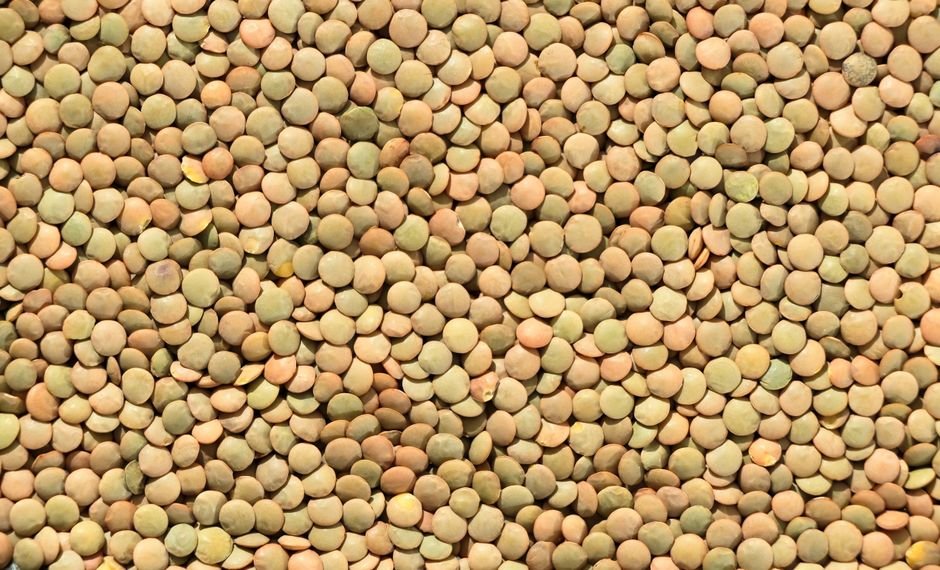
Legumes vs. Other Protein Sources: Calorie and Nutrient Breakdown
Legumes (½ cup cooked)
- Calories: 110–165 (depending on type)
- Protein: 8–10g
- Fiber: 4–7g
- Fat: 0.5–1g
Daily Portion Control for Weight Loss (½–¾ cup serving)
- Total daily legume serving: 1–1.5 cups (220–330 calories)
- Fits into 1500–2000 calorie diet: yes, as one protein source
- Pairs with 1–2 other protein sources for complete macros
- Leaves room for 1200+ calories of vegetables, whole grains, and healthy fats
| Metric | Legumes (½ cup cooked) | Weight Loss-Friendly Portion (½–¾ cup) |
|---|---|---|
| Calories | 110–165 | 110–248 |
| Protein (g) | 8–10 | 8–15 |
| Fiber (g) | 4–7 | 4–10.5 |
| Fat (g) | 0.5–1 | 0.75–1.5 |
| Satiety Index (Fullness Rating) | High (fiber + protein) | Very High (sustained fullness) |
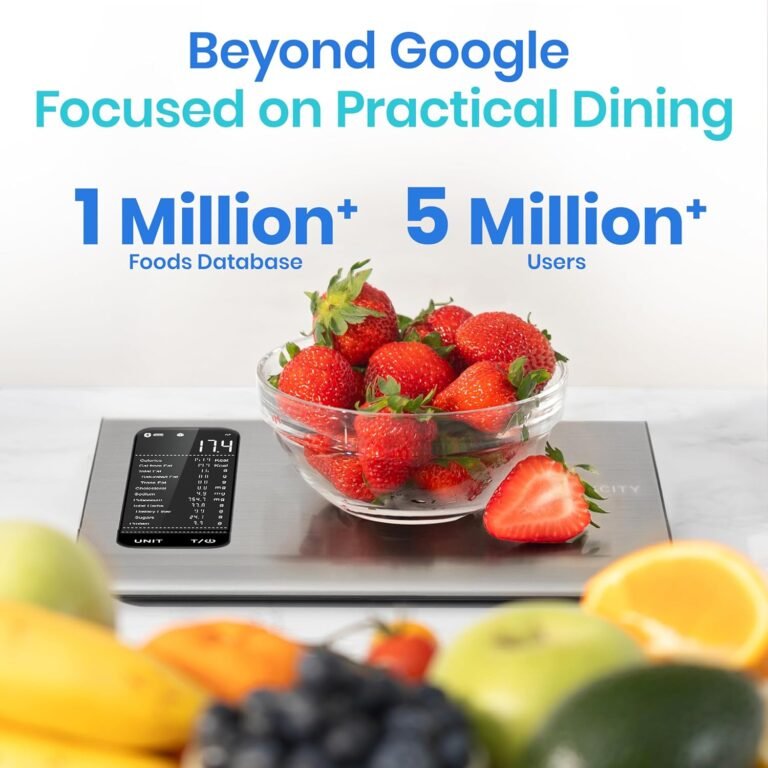
Etekcity Food Scale
0.1g accuracy — the perfect companion for exact portions.
Which Is Better for Sustainable Daily Weight Loss: Legumes at Controlled Portions?
Legumes at the right portion size are one of the best daily foods for weight loss, and here’s why: a ½ to ¾ cup serving delivers 8–15g of protein and 4–10.5g of fiber for just 110–248 calories. That protein-to-calorie ratio is better than many lean meats (which lack fiber) and far superior to refined carbs. The fiber fills your stomach volume without adding calories, triggering satiety hormones that reduce your urge to snack between meals. Studies consistently show that people eating legumes daily lose more weight than those avoiding them, even at the same calorie intake, because legumes suppress appetite better than most other single foods.
The catch: this benefit only works if you actually measure your portions. Many people eat legumes daily but underestimate serving size—loading a bowl with 1.5 cups of chickpeas instead of ¾ cup, then adding olive oil, cheese, or creamy dressing, which can push a single meal to 500+ calories. In that scenario, legumes become a calorie trap, not a weight-loss tool. Success requires a kitchen scale or measuring cup for the first two weeks, until your eye calibrates to what ¾ cup actually looks like.
Why the Numbers Don’t Tell the Whole Story
USDA nutrition data for legumes assumes plain boiled beans with no added oil, salt, or sauce—a baseline that almost never matches real eating. A ½ cup serving of canned black beans in tomato sauce may contain 110 calories according to the label, but if you eat it mixed into a creamy burrito filling with cheese and sour cream, you’re eating 400 calories disguised as “legume-based.” Similarly, restaurant hummus (ground chickpeas blended with tahini and oil) can be 100 calories per 2-tablespoon serving, meaning a typical appetizer portion of ⅓ cup is 300 calories—triple the calorie density of plain cooked chickpeas.
Preparation and cooking method also shift the calorie count. Dry legumes roughly triple in weight when cooked (100g dry becomes ~300g cooked), but if you cook them in broth with added oil or butter, or if you drain and rinse canned legumes carelessly, you may retain water weight that makes portion estimation unreliable. A study from the USDA FoodData Central database shows that the same legume type can vary by up to 20 calories per ½ cup based on cooking liquid retention and variety (red lentils vs. green lentils, for example).
That’s where precision becomes essential for weight loss. Our free AI nutrients calculator lets you input the exact brand, preparation method, and portion of legumes you’re eating—then shows you the real calorie and macro breakdown of what’s actually on your plate. Instead of guessing whether your chickpea curry fits your daily budget, you’ll know:
- Exact calorie count for your actual serving size (not a generic ½ cup)
- How the oil or sauce in your dish affects your macros
- Whether you can have a second serving without exceeding your daily target
Visit https://nutrientscalculator.com/ to scan or search your legume dish and remove the guesswork from daily eating.
Common Mistakes
Four habits that people make when eating legumes daily that sabotage weight loss:
❌ Eating legumes without measuring portions, assuming “it’s healthy so quantity doesn’t matter.” Two cups of lentils contains 440 calories—nearly a third of a 1500-calorie diet—yet feels like a light lunch because it’s so filling. You’ll lose weight slower than expected, not because legumes failed, but because portions doubled your intended serving.
❌ Adding high-calorie toppings and seasonings without counting them. A bowl of black beans (165 calories) topped with ¼ cup cheese (115 calories), 2 tablespoons sour cream (60 calories), and oil-based salsa (30 calories) becomes 370 calories—more than twice the legume base. Your brain credits weight loss “failure” to legumes, not the toppings.
❌ Confusing canned legumes with fresh/cooked ones on nutrition labels. A can of chickpeas is often 440 calories for the whole can, not per serving—the label’s serving size is ½ or ⅔ cup, not the whole tin. Eating the can thinking it’s one serving adds 220 calories to your day unintentionally.
❌ Relying on legumes as your only protein source and not eating enough total protein for satiety. If you eat ½ cup of lentils (9g protein) at lunch and skip protein at breakfast, you’ll hit hungry again by 3 p.m. despite the legume’s fiber. Pairing legumes with an egg, Greek yogurt, or lean meat ensures sustained fullness and prevents overeating later.
FAQ
How much legume can I eat daily and still lose weight?
1 to 1.5 cups of cooked legumes per day (220–330 calories) fits comfortably into a 1500–2000 calorie weight-loss diet. Measure portions for the first week to calibrate your eye; after that, most people maintain the habit visually. If you’re eating 2+ cups daily, you’re likely overshooting.
Which legume type is lowest in calories for weight loss?
Lentils (red, green, and brown varieties) are the leanest, at 110 calories per ½ cup cooked. Black beans and chickpeas are similar (120–165 per ½ cup), while split peas run closer to 115 calories. The difference is small; pick the one you’ll actually eat consistently.
Can I eat legumes every single day and lose weight?
Yes, eating legumes daily is actually recommended for weight loss. They’re nutrient-dense, keep you full, and don’t spike blood sugar like refined carbs do. Just enforce portion control and track total daily calories—the legume itself isn’t the limiting factor.
Do canned legumes cause slower weight loss than dried legumes?
No, if portions are equal. Plain canned legumes (rinsed) have the same calorie and nutrient content as home-cooked dried legumes. The problem arises when canned versions are packed in sugar or oil-heavy sauces, which adds 40–60 calories per serving. Buy canned legumes with “no added salt” or “in water,” rinse them, and they’re as weight-loss-friendly as any other preparation.
Conclusion
Can you eat legumes daily and still lose weight? Absolutely—legumes are among the most weight-loss-supportive foods available because of their high fiber and protein density relative to calories. A ½ to ¾ cup serving daily, in place of refined carbs or less nutrient-dense proteins, will accelerate fat loss and reduce hunger. But the verdict comes with a non-negotiable condition: you must measure portions accurately, especially in the first few weeks, and be honest about toppings and preparation methods that inflate the calorie count.
The path forward is simple: commit to measuring your legume portions for two weeks, note how full they keep you, and then build them into a sustainable eating pattern. If you’re unsure whether your specific legume dish fits your calorie target, use a reliable nutrients calculator to verify portion sizes and macro balance—it takes 30 seconds and removes all doubt.
