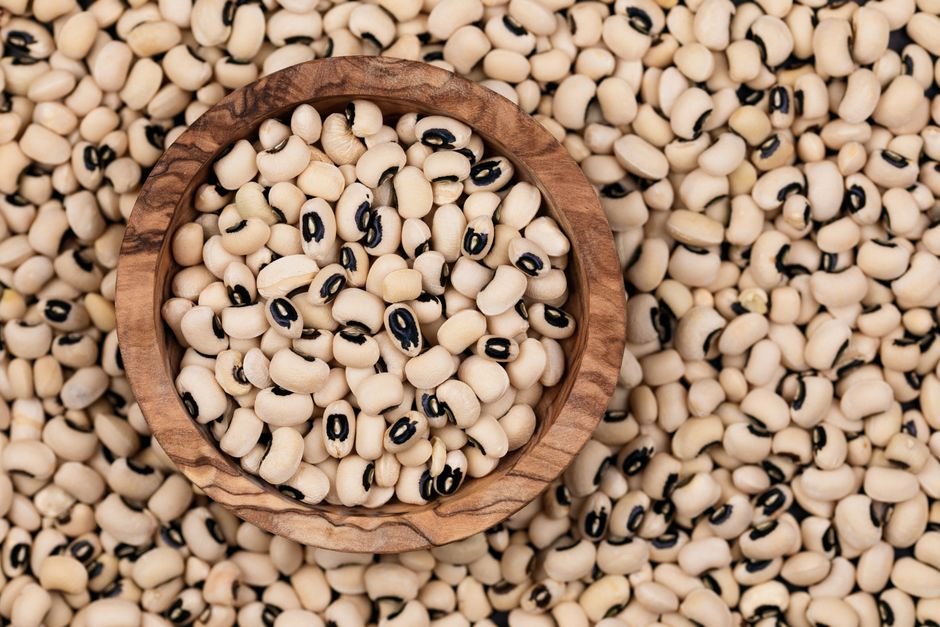
Calories in black-eyed peas: 279 calories per 1 cup (185 g)
- 15 g protein
- 43 g carbs
- 5.9 g fat
- 11 g fiber
Source: USDA FoodData Central · 151 kcal per 100 g
One cup (185 g) of black-eyed peas from frozen has 279 calories in black-eyed peas by the USDA record, with 15 g of protein, 43 g of carbohydrate, and 5.9 g of fat. Most of those calories come from carbohydrate, and the fiber in that cup is 11 g, or 41% of the Daily Value.
The standout detail is fiber and folate. A cup supplies 253 mcg of folate (63% DV) and 70 mcg of vitamin K (58% DV), while the sodium of 233 mg (10% DV) is modest for a cooked legume. The numbers below are for the frozen, prepared form the record describes.
Calories in Black-Eyed Peas by Serving Size
Calories in black-eyed peas for each common serving, with protein, carbs and fat:
| Serving | Calories | Protein | Carbs | Fat |
|---|---|---|---|---|
| 1 cup (185 g) | 279 | 15 g | 43 g | 5.9 g |
| 100 g | 151 | 8.2 g | 23 g | 3.2 g |
| 1 oz | 43 | 2.3 g | 6.5 g | 0.9 g |
Black-Eyed Peas Nutrition Facts
Calories in black-eyed peas and the full nutrition facts per 1 cup (185 g):
| Nutrient | Amount | % Daily Value* |
|---|---|---|
| Calories | 279 kcal | |
| Protein | 15 g | 30% |
| Total Fat | 5.9 g | 8% |
| Saturated Fat | 1.5 g | 8% |
| Cholesterol | 3.7 mg | 1% |
| Sodium | 233 mg | 10% |
| Total Carbohydrate | 43 g | 15% |
| Dietary Fiber | 11 g | 41% |
| Total Sugars | 8 g | |
| Calcium | 43 mg | 3% |
| Iron | 3.8 mg | 21% |
| Potassium | 672 mg | 14% |
| Magnesium | 89 mg | 21% |
| Zinc | 2.6 mg | 23% |
| Phosphorus | 218 mg | 17% |
| Selenium | 6.1 mcg | 11% |
| Vitamin A (RAE) | 28 mcg | 3% |
| Vitamin C | 4.6 mg | 5% |
| Vitamin E | 1.2 mg | 8% |
| Vitamin K | 70 mcg | 58% |
| Thiamin (B1) | 0.5 mg | 39% |
| Riboflavin (B2) | 0.1 mg | 9% |
| Niacin (B3) | 1.3 mg | 8% |
| Vitamin B6 | 0.2 mg | 12% |
| Folate (DFE) | 253 mcg | 63% |
Where the calories come from: 60% carbs · 21% protein · 19% fat
*Percent Daily Values are based on a 2,000-calorie diet (FDA reference values). Source: USDA FoodData Central — Blackeyed peas, from frozen (FDC ID 2709956, Survey (FNDDS), published 10/31/2024). Values for other servings are calculated from the per-100 g data.
How Many Calories Are in a Cup of Black-Eyed Peas Compared to an Ounce?
The USDA record lists three servings. One cup (185 g) comes to 279 calories, one ounce (28 g) comes to 43 calories, and the 100 g reference comes to 151 calories. The cup figure is the one most people use, but the ounce figure is useful when you are weighing a small amount on a food scale.
Because the cup weighs 185 g, a cup contains more calories than the 100 g reference because it is a larger amount. If you eat a different amount than a cup, use the serving that matches what is on your plate rather than estimating from the cup.
Why Black-Eyed Peas Are High in Fiber and Carbohydrate
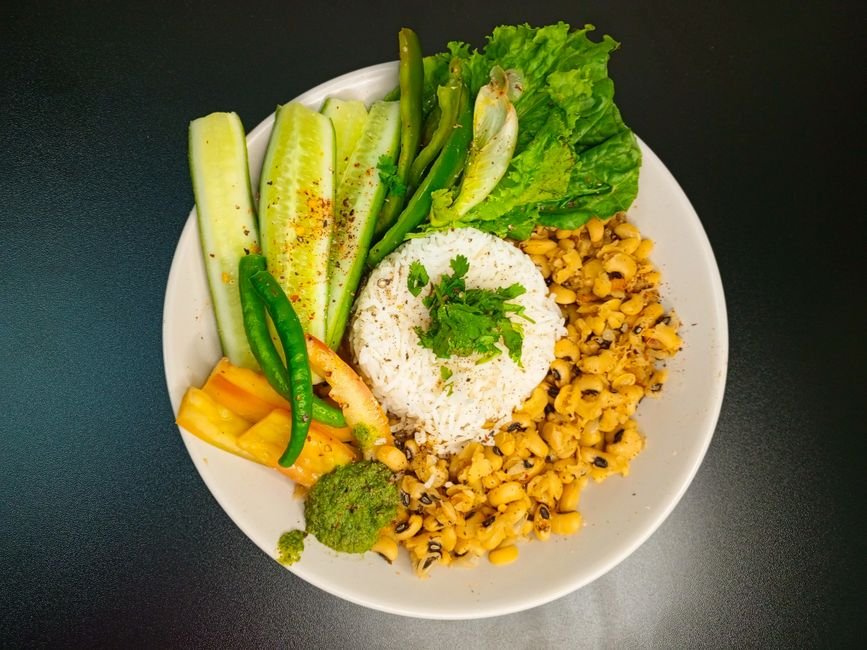
Per cup, black-eyed peas provide 43 g of carbohydrate, 11 g of fiber, and only 8 g of total sugars. That means most of the carbohydrate is starch and fiber rather than sugar. The calorie split in the record is 60% from carbohydrate, 21% from protein, and 19% from fat.
Fiber is the nutrient that tends to stand out most here. At 11 g per cup, it is 41% of the Daily Value, which is a useful reason to count legumes as a fiber source rather than only a protein side.
What Else Is in a Cup: Folate, Potassium, and Iron
A cup of black-eyed peas from frozen gives 253 mcg of folate (63% DV), 672 mg of potassium (14% DV), and 3.8 mg of iron (21% DV). Magnesium is 89 mg (21% DV) and zinc is 2.6 mg (23% DV). Folate and vitamin K are the two micronutrients with the largest percentages on this record.
- Folate: 253 mcg (63% DV) per cup
- Vitamin K: 70 mcg (58% DV) per cup
- Thiamin (B1): 0.5 mg (39% DV) per cup
- Fiber: 11 g (41% DV) per cup
Vitamin C is low at 4.6 mg (5% DV) per cup, so black-eyed peas should not be counted as a meaningful source of that vitamin.
Sodium and Preparation: What Frozen Peas Can Change
The record is for black-eyed peas from frozen, so the sodium figure of 233 mg per cup (10% DV) reflects that form. Canned legumes and seasoned or ham-flavored preparations can contain much more sodium, so check the label of whatever you buy. Adding salt, bacon, or broth at home will also change the total.
Cooking method matters for the final numbers. Frying, adding fat, or serving with rich toppings will raise calories above the figures on this page, which describe the plain frozen peas as the record lists them.
Who Should Pay Attention to the Sodium and Fiber Numbers
People who are watching sodium should note that one cup carries 10% of the Daily Value, which is manageable for most meals but adds up with seasoned sides. People who are increasing fiber should go gradually, since 11 g per cup is a large jump for many diets and can cause gas or bloating in people not used to legumes.
How Black-Eyed Peas Compares
Per 100 g, next to similar foods in our database:
| Food (100 g) | Calories | Protein | Carbs | Fat |
|---|---|---|---|---|
| Black-Eyed Peas | 151 | 8.2 g | 23 g | 3.2 g |
| Brown Lentils Cooked | 147 | 3.1 g | 31 g | 0.9 g |
| Soybeans | 147 | 13 g | 11 g | 6.8 g |
| Tofu Firm | 144 | 17 g | 2.8 g | 8.7 g |
| Fava Beans | 161 | 7.1 g | 18 g | 6.9 g |
| White Beans | 139 | 9.7 g | 25 g | 0.4 g |
Black-Eyed Peas FAQ
Are black-eyed peas high in protein?
One cup (185 g) provides 15 g of protein, and the record shows protein at 21% of calories. That is a solid amount for a plant food, though most of the calories in a cup come from carbohydrate.
How much potassium is in a cup of black-eyed peas?
A cup has 672 mg of potassium, which is 14% of the Daily Value. The same cup has 233 mg of sodium, which is 10% of the Daily Value.
Do black-eyed peas contain vitamin D or B12?
No. The USDA record lists 0 mcg of both vitamin D and vitamin B12 per serving, so they are not a source of either nutrient.
The Bottom Line
One cup of frozen black-eyed peas gives 279 calories, 15 g of protein, and 11 g of fiber, with strong folate and vitamin K levels. Check sodium if you add seasonings or buy a canned or flavored product, since the figures here are for the plain frozen form.