311 calories in 1 cup of cottage cheese carton (210 g)
- 23 g protein
- 9.1 g carbs
- 20 g fat
Source: USDA FoodData Central · 148 kcal per 100 g
One cup (210 g) of cottage cheese carton contains 311 calories, with a notable 23 g of protein and only 9.1 g of carbohydrate. The high protein-to-carb ratio makes it a strong candidate for muscle gain or low-carb diets, though the fat content—mainly saturated fat—is a consideration for those watching intake.
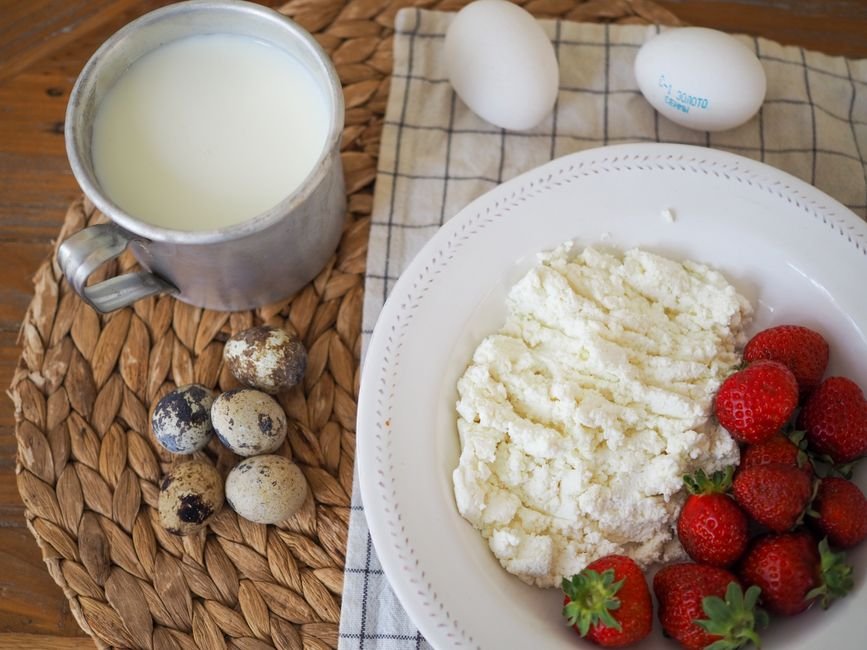
Calories in Cottage Cheese Carton by Serving Size
| Serving | Calories | Protein | Carbs | Fat |
|---|---|---|---|---|
| 1 cup (210 g) | 311 | 23 g | 9.1 g | 20 g |
| 1 (105 g) | 155 | 12 g | 4.5 g | 10 g |
| 100 g | 148 | 11 g | 4.3 g | 9.7 g |
| 1 oz | 42 | 3.1 g | 1.2 g | 2.8 g |
Cottage Cheese Carton Nutrition Facts
Per 1 cup (210 g):
| Nutrient | Amount | % Daily Value* |
|---|---|---|
| Calories | 311 kcal | |
| Protein | 23 g | 46% |
| Total Fat | 20 g | 26% |
| Saturated Fat | 13 g | 63% |
| Cholesterol | 67 mg | 22% |
| Sodium | 693 mg | 30% |
| Total Carbohydrate | 9.1 g | 3% |
| Dietary Fiber | 0 g | 0% |
| Total Sugars | 5.3 g | |
| Vitamin D | 0.2 mcg | 1% |
| Calcium | 174 mg | 13% |
| Potassium | 246 mg | 5% |
| Magnesium | 17 mg | 4% |
| Zinc | 0.9 mg | 8% |
| Phosphorus | 305 mg | 24% |
| Selenium | 19 mcg | 35% |
| Vitamin A (RAE) | 172 mcg | 19% |
| Vitamin E | 0.5 mg | 3% |
| Vitamin K | 1.1 mcg | 1% |
| Thiamin (B1) | 0.1 mg | 9% |
| Riboflavin (B2) | 0.3 mg | 25% |
| Niacin (B3) | 0.3 mg | 2% |
| Vitamin B6 | 0.1 mg | 5% |
| Folate (DFE) | 23 mcg | 6% |
| Vitamin B12 | 1.3 mcg | 54% |
Where the calories come from: 59% fat · 30% protein · 12% carbs
*Percent Daily Values are based on a 2,000-calorie diet (FDA reference values). Source: USDA FoodData Central — Cottage cheese, farmer's (FDC ID 2705749, Survey (FNDDS), published 10/31/2024). Values for other servings are calculated from the per-100 g data.
Protein Content and Muscle Building
At 23 g of protein per cup, cottage cheese delivers roughly 46% of the daily value in a single serving.
The trade-off is fat content: 20 g per cup, more than half of which is saturated fat. Different styles sold in cartons—full-fat, 2%, and fat-free—vary significantly. The data here represents farmer’s-style (a common commercial carton product), which is notably fattier than low-fat or non-fat versions often sold in the same format.
Fat and Saturated Fat: What to Know
Full-fat cottage cheese (the type in this data) is higher in both total and saturated fat than 2% or fat-free versions sold in cartons. If saturated fat intake is a concern, choosing a lower-fat variant can cut the fat roughly in half while preserving most protein.
Sodium and Who Should Mind It
One cup contains 693 mg of sodium—30% of the daily value. For a single food, that is substantial.
Sodium content can vary by brand and curing method. Some carton products are marketed as reduced-sodium, which typically cuts this figure by a third or more. Checking the label before purchase is the only reliable way to compare.
Fit for Low-Carb and Keto Diets
With only 9.1 g of carbohydrate per cup and just 5.3 g of sugar, cottage cheese is well-suited to low-carb and keto eating.
A standard 1-cup serving typically fits within most low-carb macros without difficulty. Portion control is more about fat intake (especially saturated fat) than carbohydrate limits for this food.
Selenium and B12: Standout Micronutrients
Cottage cheese is notably rich in selenium (19 mcg per cup, 35% of daily value) and vitamin B12 (1.3 mcg, 54% of daily value). Both are nutrient-dense contributions that make cottage cheese nutritionally efficient beyond just protein.
Calcium is moderate (174 mg, 13% DV) but lower than in some other dairy products.
How Cottage Cheese Carton Compares
Per 100 g, next to similar foods in our database:
| Food (100 g) | Calories | Protein | Carbs | Fat |
|---|---|---|---|---|
| Cottage Cheese Carton | 148 | 11 g | 4.3 g | 9.7 g |
| Beef Steak | 149 | 21 g | 0.2 g | 6.5 g |
| Turkey Sausage | 155 | 19 g | 0.5 g | 8.1 g |
| Ricotta Cheese | 157 | 7.8 g | 6.9 g | 11 g |
| Turkey Breast | 114 | 24 g | 0.1 g | 1.5 g |
| Chicken Thigh | 193 | 17 g | -0.2 g | 13 g |
Cottage Cheese Carton FAQ
How many calories are in different serving sizes of cottage cheese carton?
A half-cup (105 g) has 155 calories, while a full cup (210 g) contains 311 calories. A standard 1 oz portion is 42 calories.
Is cottage cheese better than Greek yogurt for protein?
Both are high-protein dairy options. Cottage cheese provides 23 g per cup; the specific comparison to Greek yogurt depends on the brand and fat level of the yogurt, which are not in this data.
Why does cottage cheese carton have so much sodium?
Sodium is added during processing as a preservative and for flavor. The 693 mg per cup reflects standard curing and packaging methods used in commercial farmer's cheese; reduced-sodium versions are available.
Can I eat cottage cheese every day?
Nutritionally, daily consumption is safe for most people, though the sodium and saturated fat content mean it should fit within your total daily limits.
The Bottom Line
Cottage cheese carton is an efficient source of protein and B12 for muscle building and vegetarian diets, but its sodium and saturated fat load make it a food to portion mindfully, especially if eaten regularly.