
Chickpea flour vs all-purpose flour protein content is a crucial consideration for anyone baking with health goals in mind. If you’re building muscle, managing blood sugar, or simply looking to boost the nutritional value of your baked goods, the choice between these two flours fundamentally changes what ends up on your plate. Most home bakers have no idea how dramatically different these flours perform nutritionally, and that knowledge gap leads to missed opportunities for better recipes.
The verdict is straightforward: chickpea flour contains nearly three times as much protein as all-purpose flour per serving, making it the clear winner for high-protein baking. However, the real question isn’t just which has more protein—it’s whether you can actually use chickpea flour as a direct swap in your favorite recipes, and how to get the best results when you do. This article breaks down the exact numbers, explains when each flour makes sense, and shows you how to bake better based on your actual nutritional goals.
Chickpea flour vs all-purpose flour protein, Quick Answer
Chickpea flour delivers 12g of protein per ¼-cup serving (28g), while all-purpose flour contains just 3.6g of protein in the same serving size. That makes chickpea flour roughly 3.3 times higher in protein by weight—a massive difference if protein is your priority. The catch: chickpea flour has a distinct flavor and denser texture, so it rarely works as a 1-to-1 replacement in delicate baked goods like cakes or pastries, though it excels in savory applications, pancakes, and protein-boosted cookies.
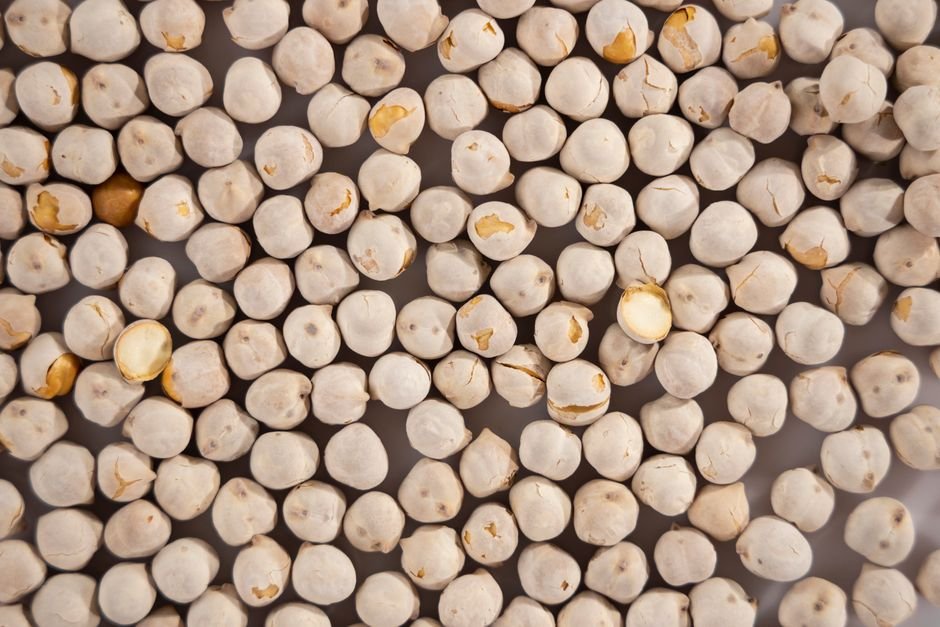
Nutritional Comparison: Chickpea Flour vs All-Purpose Flour
Chickpea Flour
- Protein: 12g per ¼ cup (28g)
- Calories: 100 per ¼ cup
- Fiber: 2g per ¼ cup
- Fat: 1.5g per ¼ cup (mostly unsaturated)
All-Purpose Flour
- Protein: 3.6g per ¼ cup (30g)
- Calories: 110 per ¼ cup
- Fiber: 0.6g per ¼ cup
- Fat: 0.3g per ¼ cup
| Nutrient (per ¼ cup) | Chickpea Flour | All-Purpose Flour |
|---|---|---|
| Protein | 12g | 3.6g |
| Calories | 100 | 110 |
| Carbohydrates | 17g | 23g |
| Fiber | 2g | 0.6g |
| Glycemic Index | 28 (low) | 70+ (high) |

Etekcity Food Scale
0.1g accuracy — the perfect companion for exact portions.
Which Is Better For High-Protein Baking and Nutrition Goals?
Chickpea flour wins decisively if your goal is maximizing protein intake. A batch of cookies or a loaf of bread made with chickpea flour will deliver substantially more protein per serving without adding calories—and it does so while lowering your glycemic load. If you’re an athlete, managing type 2 diabetes, or following a high-protein diet, chickpea flour is the obvious choice. The nutritional case is airtight: more protein, more fiber, lower carb density, and a dramatically lower glycemic index.
All-purpose flour is still the better choice if texture and flavor are your priority, or if you’re baking delicate items where the earthiness of chickpea flour would be unwelcome. Pure chickpea flour creates denser crumbs and a slightly nutty, savory taste that works beautifully in flatbreads, pancakes, and savory baked goods, but can overpower a vanilla cake or light sponge. For everyday baking without nutritional constraints, all-purpose flour remains the standard for good reason. The compromise approach—blending 25–50% chickpea flour into your all-purpose flour—gives you a real protein boost while keeping texture and flavor balanced.
Why the Numbers Don’t Tell the Whole Story
The raw protein difference is real, but how you use these flours in a recipe matters as much as the numbers themselves. Chickpea flour absorbs more liquid than wheat flour, so swapping it 1-to-1 will dry out your batter. A standard cookie recipe using all-purpose flour might call for 2 cups flour and ¾ cup liquid; if you substitute chickpea flour directly, you’ll end up with a texture closer to a hockey puck than a cookie. Real bakers adjust by using more liquid or blending the flours—both approaches work, but require planning.
The protein content also varies slightly by brand and processing method. Some chickpea flours are milled from raw chickpeas, others from pre-cooked ones, and this affects both flavor intensity and digestibility. Similarly, not all all-purpose flour is enriched with the same micronutrients; some brands add more B vitamins to compensate for refining. Beyond the nutrition label, consider that a single batch of muffins made with chickpea flour can deliver 6g of additional protein per serving compared to the same recipe made with all-purpose flour—a meaningful gain that compounds across a week of eating.
For exact numbers on what you’re actually making, use a reliable nutrients calculator that lets you input your exact recipe proportions and brand choices. Source: USDA FoodData Central provides the baseline nutrition data for both flours, but real-world recipes depend on your specific blend, hydration level, and baking method. A free AI nutrients calculator lets you:
- Input your exact flour blend ratio and get the precise protein per serving
- Compare finished recipes (chickpea pancakes vs wheat pancakes with the same toppings)
- Adjust recipes to hit specific protein targets without guessing
Common Mistakes
Home bakers often stumble when switching flours because they don’t account for how dramatically different these ingredients behave. Watch out for these traps:
❌ Assuming a 1-to-1 substitution will work. Chickpea flour needs more liquid and creates denser textures—use a blend or adjust hydration.
❌ Ignoring the flavor profile. Chickpea flour adds nuttiness that’s wonderful in savory breads but strange in angel food cake; match the flour to the application.
❌ Comparing protein without considering the whole recipe. A cookie gets protein from eggs and butter too—adding chickpea flour is a boost, not a transformation.
❌ Buying chickpea flour at random. Quality varies widely; look for brands that mill their own (less oxidation means fresher flavor and better nutrition retention).
FAQ
Can I use chickpea flour for all my baking?
No, chickpea flour doesn’t work well in delicate applications like chiffon cakes or croissants. It excels in pancakes, flatbreads, savory muffins, cookies, and brownies—anywhere density or earthiness is an asset. Blend it 25–50% with all-purpose flour for the best balance.
Is chickpea flour healthier than all-purpose flour overall?
For protein, fiber, and blood sugar control, yes—chickpea flour is nutritionally superior. But “healthier” depends on your goal. If you need the light crumb structure that only wheat flour provides, then all-purpose flour is the right choice for that application, and no one food is universally “healthier.”
Why is all-purpose flour so low in protein compared to chickpea flour?
Wheat flour is refined from wheat berries, and most of the protein and fiber are removed during milling. Chickpea flour is made from whole roasted chickpeas ground into powder, so it retains the full nutritional profile of the legume.
Will chickpea flour recipes taste nutty or “beany”?
Properly processed chickpea flour has a mild, pleasant nuttiness—not a strong chickpea flavor. Combine it with bold spices (cumin, cilantro, garlic) in savory applications or mask it with chocolate, vanilla, or cinnamon in sweet recipes. Poor-quality chickpea flour can taste stale or sulfurous, so brand matters.
Conclusion
Chickpea flour has significantly more protein per serving than all-purpose flour—12g versus 3.6g per ¼ cup—making it the clear winner for anyone prioritizing protein intake and blood sugar stability. If you’re baking with health goals, chickpea flour is a tool that actually changes the nutritional profile of what you eat. The tradeoff is texture and texture and flavor compatibility: chickpea flour works brilliantly in savory bakes, pancakes, and blended recipes, but doesn’t replace wheat flour in every application.
The smart strategy is to stop thinking of these as competitors and start thinking of them as complementary tools. Blend them for everyday baking, go pure chickpea flour for high-protein recipes, and use all-purpose flour when traditional texture is non-negotiable. To dial in your exact protein gain for a specific recipe you’re planning, use a **reliable nutrients calculator** that accounts for your flour ratio and other ingredients—that’s where the real precision lives, not in generic nutrition labels.
