
Chickpea pasta vs regular pasta protein carbs comparison reveals a dramatic nutritional shift that’s reshaping how people choose their starches. While regular pasta has dominated dinner tables for centuries, chickpea-based alternatives now offer substantially more protein and significantly lower carbohydrate counts—making this choice far more than a matter of taste. For anyone tracking macros, managing blood sugar, or building muscle, this comparison matters.
This article breaks down the actual nutritional difference between these two pastas, explains which is genuinely better for common fitness and health goals, and—crucially—explores how real-world serving sizes and preparation methods can shift the outcome. The verdict is clear: chickpea pasta wins on protein and carbs, but the margin and relevance depend entirely on your priorities and how much you’re actually eating.
Chickpea Pasta vs Regular Pasta Protein Carbs, Quick Answer
Chickpea pasta contains approximately 21 grams of protein and 32 grams of carbs per 2-ounce (56g) dry serving, while regular pasta contains about 4 grams of protein and 42 grams of carbs in the same portion. That’s roughly 5 times more protein and 24% fewer carbs in chickpea pasta. However, the real advantage shrinks if you’re comparing cooked portions by weight—chickpea pasta absorbs less water, so a cooked bowl may have a different calorie and macro ratio than standard pasta.
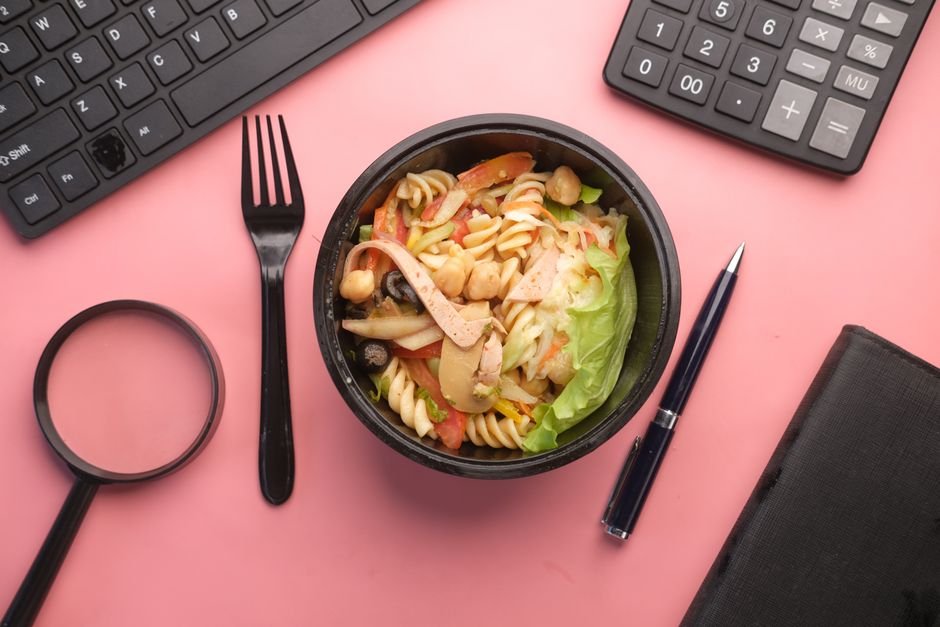
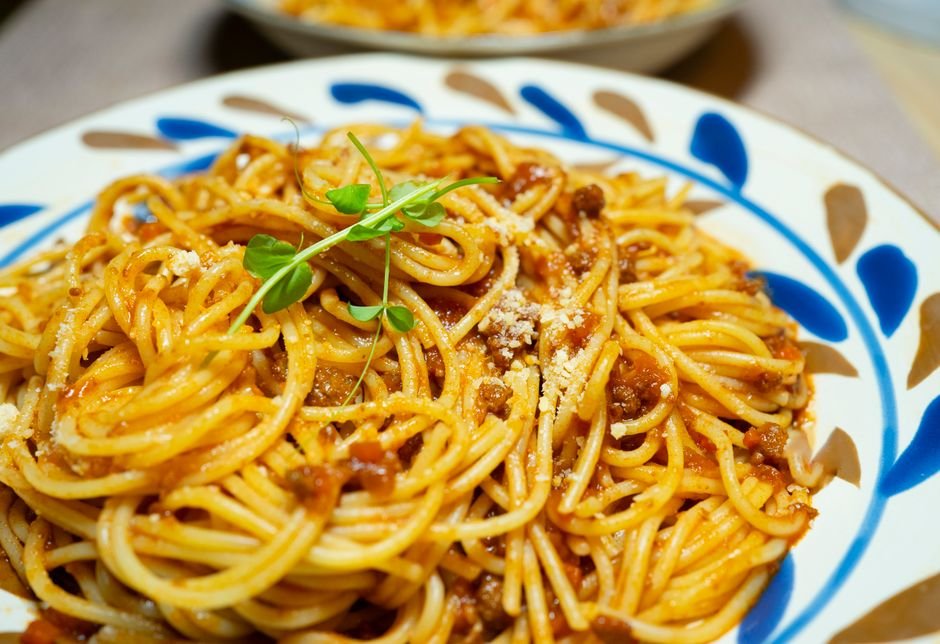
Chickpea Pasta vs Regular Pasta: Nutritional Breakdown
Chickpea Pasta
- Protein: 21g per 2 oz dry serving (37% of calories)
- Carbohydrates: 32g per 2 oz dry serving
- Fiber: 5g per 2 oz dry serving
- Fat: 3.5g per 2 oz dry serving
- Calories: 190 per 2 oz dry serving
Regular Pasta (Semolina)
- Protein: 4g per 2 oz dry serving (7% of calories)
- Carbohydrates: 42g per 2 oz dry serving
- Fiber: 2g per 2 oz dry serving
- Fat: 1g per 2 oz dry serving
- Calories: 200 per 2 oz dry serving
| Metric | Chickpea Pasta (2 oz dry) | Regular Pasta (2 oz dry) |
|---|---|---|
| Protein | 21g | 4g |
| Carbohydrates | 32g | 42g |
| Fiber | 5g | 2g |
| Calories | 190 | 200 |
| Glycemic Index | ~32 (low) | ~55 (medium) |
Etekcity Food Scale
0.1g accuracy — the perfect companion for exact portions.
Which Is Better For Muscle-Building and Low-Carb Diets?
Chickpea pasta is objectively the better choice if your goal is increasing protein intake or reducing net carbs. The 21 grams of protein per serving is substantial enough to contribute meaningfully to daily targets—a full 2 oz serving provides roughly 40% of the protein in a chicken breast—while 10 grams of net carbs (32g total minus 5g fiber) keeps blood sugar more stable than regular pasta’s 40g net carbs. For muscle recovery, satiety, or keto and low-carb diets, chickpea pasta is the clear winner.
That said, regular pasta wins only if your priority is the lowest calorie option per serving—but that margin is negligible (200 vs 190 calories), and you’d be sacrificing substantial protein and satiety. If your sole goal is taste familiarity or stretching budget on a very tight margin, regular pasta is cheaper and may feel more “normal” to family dinners, but nutritionally it falls short for anyone managing metabolism or composition.
Why the Numbers Don’t Tell the Whole Story
The dried-serving comparison is standard, but real consumption varies wildly. A typical home cook doesn’t measure out exactly 2 ounces of pasta; they eyeball a handful or use a pasta-serving tool. More importantly, chickpea and regular pasta cook very differently. Regular semolina pasta absorbs water and nearly doubles in weight when cooked (2 oz dry → ~4.5 oz cooked). Chickpea pasta absorbs less water and yields only ~3.5 oz cooked—meaning the actual cooked portion sitting on your plate has a higher concentration of protein and a different carb-to-calorie ratio than textbook nutrition labels suggest.
Brand matters enormously too. Some chickpea pasta blends mix in regular wheat flour and drop protein to 15g per 2 oz serving. Store-brand versions can differ from premium brands by 2–3 grams of protein per serving. Cooking time also affects nutrition slightly—overcooked pasta breaks down more fiber and may affect nutrient availability. For exact numbers based on the specific brand and serving size you’re actually using, Source: USDA FoodData Central allows you to search individual products, but an easier approach is our free AI nutrient calculator at https://nutrientscalculator.com/, which lets you input the exact brand and portion you’re eating to see:
- Real cooked weight and macros based on your actual serving, not a generic 2 oz dry equivalent
- Fiber-to-carb ratio so you understand the true glycemic load of what you’re eating
- Cost per gram of protein to compare value between brands and formats
Common Mistakes
People often misjudge this comparison in predictable ways. Here are the biggest errors:
❌ Assuming all chickpea pasta is the same. A blend that’s 50% chickpea and 50% wheat flour has vastly different macros than 100% chickpea pasta. Always check the ingredient list and nutrition label for the brand you buy.
❌ Comparing dry weight directly to cooked weight. If you cook regular pasta and eat 1.5 cups (cooked), that’s roughly 150g, or about 3.3 oz dry equivalent. Chickpea pasta cooks to a different weight, so eyeballing portion size without a food scale can throw off your macro tracking by 5–10 grams of carbs.
❌ Ignoring the taste and satiety effect. Chickpea pasta has a slightly nuttier, denser texture that many people find more filling. You may eat less chickpea pasta to feel satisfied, which further tips the macro advantage in its favor in real life—but this varies by person and sauce.
❌ Forgetting that regular pasta is perfectly fine if your goal isn’t macro-specific. For someone eating in a caloric surplus to gain weight, or someone with no dietary restrictions, regular pasta is cheaper and has a proven track record. Chickpea pasta isn’t mandatory; it’s a better tool for specific goals.
FAQ
Is chickpea pasta good for keto?
Not strictly—10g net carbs per 2 oz serving can fit within a 50g daily keto limit, but one full serving leaves little room for other carbs. Most keto dieters eat half a chickpea pasta serving or pair it with low-carb sauces to stay in ketosis.
Does chickpea pasta taste like regular pasta?
It has a denser, slightly earthier flavor and grainier texture. It’s closer to whole-wheat pasta than semolina, so if you’ve never had it, start with a sauce that masks the flavor—creamy or chunky red sauces work well.
Which pasta is better for weight loss?
Chickpea pasta, because the extra protein keeps you fuller longer and the lower net carbs reduce blood sugar spikes that trigger hunger. Fewer calories aren’t the point; satiety is. The protein in chickpea pasta is the real weight-loss weapon.
Can I mix chickpea and regular pasta?
Yes, and it’s a smart budget move. A 50/50 blend gives you 12–13g protein and 37g carbs per serving—a middle ground if full chickpea pasta feels too dense or expensive for regular rotation.
Conclusion
Chickpea pasta significantly outperforms regular pasta on protein (21g vs 4g) and carbs (32g vs 42g per dry serving). It’s the clear choice for anyone building muscle, managing blood sugar, or aiming for satiety-driven weight loss. Regular pasta is cheaper and fine for those with no specific dietary goals, but if you’re reading this comparison, you likely have a reason to care about macros—and chickpea pasta wins that argument decisively.
The real key is knowing exactly what you’re eating. Brand variations, real cooked portions, and individual satiety mean the “perfect” pasta choice is the one that fits your specific meal and goal. Use a reliable nutrients calculator to log the exact product you buy, measure once, and decide based on actual numbers rather than assumptions. Your tracking will be more accurate, and you’ll make better food choices as a result.
