
You’re hungry mid-afternoon and reaching for a snack, but you’re determined not to derail your weight-loss progress. Two options sit in front of you: a square of rich dark chocolate or a handful of almonds. Both are celebrated as “healthy” snacks, but they work on your body in completely different ways. Dark chocolate triggers satisfaction through fat and antioxidants; almonds work through protein and fiber. The choice matters because picking the wrong one could leave you hungry again in 30 minutes—or hitting your daily calorie goal way too early.
This article will settle it: almonds are the better choice for weight loss, but with an important caveat. A 1-ounce serving of almonds edges out dark chocolate because it delivers superior hunger control through protein and fiber, with fewer calories per gram of satisfaction. However, if your weakness is sweet cravings, a small dark chocolate serving might actually be your best ally because it’s the snack you’ll actually stick to—and compliance beats perfection every time.
Quick Answer
Almonds win for pure weight-loss mechanics: 23 calories per almond, 6g protein, 3.5g fiber, and sustained satiety for 2–3 hours. Dark chocolate (70% cacao) delivers 168 calories per ounce with almost no protein, making it easy to overeat in one sitting. That said, if dark chocolate is the snack that stops you from raiding the fridge at night, its antioxidants and mood boost might be the difference between a diet you stick to and one you abandon. Brand and portion control matter equally: a 1-ounce almond serving is roughly 23 almonds; a “serving” of dark chocolate is just one small square—a line many people cross without thinking.
<
>
Dark Chocolate vs Almonds: Nutrition Breakdown
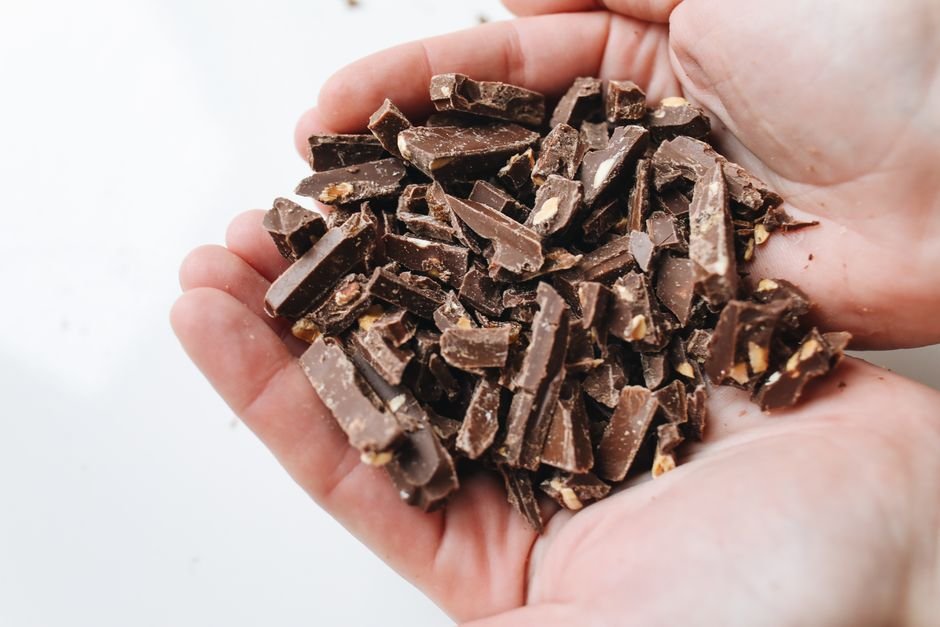
Dark Chocolate (70% cacao, 1 oz / 28g serving)
- 168 calories
- 1.7g protein
- 12g fat (including 7g saturated)
- 16g carbohydrates (3g fiber, so 13g net carbs)
- Phenols and polyphenols: 1200+ mg (antioxidants)
Almonds (raw, 1 oz / 28g serving, ~23 almonds)
- 164 calories
- 6g protein
- 14g fat (1g saturated, mostly monounsaturated)
- 6g carbohydrates (3.5g fiber, so 2.5g net carbs)
- Magnesium: 76mg; Vitamin E: 7.3mg
| Metric | Dark Chocolate (1 oz) | Almonds (1 oz) |
|---|---|---|
| Calories | 168 | 164 |
| Protein (g) | 1.7 | 6 |
| Fiber (g) | 3 | 3.5 |
| Net Carbs (g) | 13 | 2.5 |
| Fat (g) | 12 | 14 |
| Satiety Window (estimated) | 45–60 min | 120–180 min |
Source: USDA FoodData Central.
>

Etekcity Food Scale
0.1g accuracy — the perfect companion for exact portions.
Which Is Better for Weight Loss?
Almonds are the stronger choice for sustainable weight loss. Here’s why: the 6g of protein per ounce activates your satiety hormones (GLP-1, peptide YY) more powerfully than the 1.7g in dark chocolate. That protein, combined with 3.5g of fiber, extends your fullness window to 2–3 hours. One ounce of almonds truly replaces a meal-sized hunger signal. Dark chocolate, by contrast, provides a brief dopamine boost and antioxidant hit—satisfying psychologically for maybe 45 minutes—but it won’t prevent the 3 p.m. snack spiral that sabotages most diets. For a calorie-conscious person, almonds also impose a built-in portion limit: it’s hard to mindlessly eat more than a handful before your jaw gets tired. Dark chocolate melts without friction, making it dangerously easy to consume 3–4 ounces (500+ calories) in one sitting.
However, if dark chocolate is the snack that genuinely stops you from binge-eating in the evening, choose it. A rigid diet you abandon at week three beats a “perfect” diet you never start. Dark chocolate’s polyphenols may also slightly improve insulin sensitivity and reduce inflammation, which supports long-term metabolic health. The caveat: this only works if you enforce a hard 1-ounce limit using pre-portioned bars or a food scale. Without that barrier, dark chocolate’s caloric density and low protein content make it a trap for weight loss.
Why the Numbers Don’t Tell the Whole Story
The table above assumes you eat exactly 1 ounce and stop. Reality is messier. A store-bought dark chocolate bar is often labeled “1 serving” but contains 3–4 actual servings. Most people eat the whole bar in one sitting, unknowingly consuming 500–600 calories and 50g of sugar. Almonds come pre-portioned by nature (one almond is roughly one bite), but a “handful” varies wildly: some people’s handful is 15 almonds (104 calories); others’ is 30+ almonds (218 calories). Premium or roasted almond varieties also add oil and salt, creeping calories up to 180 per ounce.
Brand and origin matter too. Mass-market dark chocolate often cuts cacao solids with fillers and added sugars, reducing satiety and adding empty calories. Single-origin, 85%+ cacao bars from specialty brands have denser polyphenol profiles but even higher calorie density (around 170 per ounce). Raw almonds from bulk bins are typically lower-calorie and nutrient-denser than roasted, blanched varieties sold in 1.5-ounce snack packs (which also include added salt and oils). Preparation is the wild card: roasted almonds’ heat processing slightly reduces fat-soluble vitamin absorption compared to raw, but roasting also makes them more satiating due to texture.
This is where actual numbers from the food in front of you matter. Our free AI nutrients calculator at https://nutrientscalculator.com/ lets you upload a photo or scan a barcode to get the exact calorie count, macro breakdown, and satiety profile of your specific brand and serving—no guesswork, no “typical” values. Benefits include:
- Identifies hidden sugars and oils in branded snacks you think are clean
- Calculates your actual portion in almonds or chocolate against your daily calorie budget in real time
- Flags whether your chosen snack will actually hold you over, or if you need to pair it with protein
Common Mistakes
Here are the four biggest errors people make when choosing between these snacks:
❌ Assuming dark chocolate is “healthy” because it’s dark. 70% cacao dark chocolate still delivers 13g of net carbs and 1.7g of protein per ounce—roughly the same carb load as a slice of whole wheat bread, but with way less satiety.
❌ Eating almonds with the skin removed (blanched almonds). The skin contains half the fiber and most of the polyphenols. Blanched almonds are 5–10 calories lighter per ounce but also 30% less satiating.
❌ Pairing dark chocolate with no protein. If you eat dark chocolate as a standalone snack, you’ll be hungry again within an hour. Pair it with a string cheese or Greek yogurt, and you’ve added 70+ calories but also solved the hunger problem.
❌ Eating “dark chocolate-covered almonds” thinking you get both benefits. These hybrids are usually 60% chocolate by weight, meaning you get the calorie density of chocolate plus the portion-creep problem, with only partial satiety benefit.
FAQ
Can you eat both dark chocolate and almonds on a weight-loss diet?
Yes, but budget wisely. A 1-ounce serving of each is 332 calories with 7.7g protein and 6.5g fiber—a solid afternoon snack that will hold you until dinner. Most weight-loss plans can accommodate this if it replaces another 300+ calorie snack, but it works best if you separate them: almonds as a 3 p.m. snack, dark chocolate as a 7 p.m. dessert to kill sugar cravings, rather than mixing them into a snack that trains your brain to want both together.
Is dark chocolate faster at reducing hunger than almonds?
No. Dark chocolate’s satiety boost is mostly psychological: the brain releases dopamine in response to fat, sugar, and pleasure-signal compounds, creating a feeling of satisfaction that lasts 30–60 minutes. Almonds’ satiety is physiological: protein and fiber trigger hormones that signal fullness at the gut level, lasting 2–3 hours. For weight loss, physiological satiety wins.
Which snack is better if I have diabetes or blood sugar concerns?
Almonds by a huge margin. They contain 2.5g net carbs per ounce and won’t spike blood glucose; dark chocolate’s 13g net carbs per ounce will trigger a glucose spike, even at 70% cacao. If you’re managing blood sugar, almonds are the only realistic choice here.
Does dark chocolate really boost metabolism or fat burning?
Dark chocolate contains small amounts of caffeine and theobromine, which provide a minor metabolic bump (roughly 5–10 extra calories burned over 2–3 hours). This is real but negligible—nowhere near enough to offset the 168 calories in the snack. Almonds offer no metabolism boost but their protein cost 20–30 calories to digest, slightly higher than chocolate’s 5–10.
Conclusion
For weight loss, almonds are the more reliable choice. They deliver 4x the protein, 17% more fiber, and 8x longer satiety than dark chocolate, all within similar calories. A 1-ounce serving is an actual snack that prevents overeating later; dark chocolate is a treat that extends hunger once it’s finished. If you’re serious about losing weight, almonds should be your default reach.
That said, the best snack is the one you actually eat consistently. If dark chocolate prevents you from sabotaging your diet through cravings, a 1-ounce serving fits. The real leverage comes from knowing your specific snack’s exact nutrition—not the package label’s ideal serving, but what’s actually in the bar or bag you’re holding. Use a reliable nutrients calculator to scan or photograph your snack before eating, so you can make an informed choice based on your goals and your actual hunger patterns, not generic advice.
