
How many walnuts can you eat daily on a 1200 calorie diet while staying on track with your nutrition goals? This is a practical question for anyone trying to balance snacking habits with strict calorie limits, and the answer isn’t as straightforward as “just count by the ounce.” Walnuts are nutrient-dense but calorie-dense, which means small portions deliver real nutritional benefits—but they can also consume a significant chunk of your daily budget if you’re not intentional about it.
The verdict is clear: on a 1200-calorie diet, you can safely eat 0.5 to 1 ounce (roughly 7 to 14 walnut halves) per day, or about 2–3 times per week if you prefer larger portions. The specific amount depends on what other fat and protein sources you’re consuming, whether you’re prioritizing weight loss or overall health, and whether you’re eating whole walnuts or walnut pieces in other foods. This article walks you through the real math, explains why portion control matters more than total calories alone, and shows you how to fit walnuts into your specific eating plan without derailing progress.
How many walnuts on 1200 calorie diet, Quick Answer
On a 1200-calorie diet, aim for 0.5 to 1 ounce of walnuts daily (about 49–98 calories), which translates to roughly 7–14 walnut halves. This portion fits comfortably into the day without crowding out other essential nutrients—particularly protein and vegetables, which are harder to fit at lower calorie levels. However, if your diet is already higher in fat from oils, cheese, or fatty proteins, you may need to reduce walnuts to just 0.25 ounce (3–4 halves) to stay within healthy fat targets without exceeding your calorie goal.
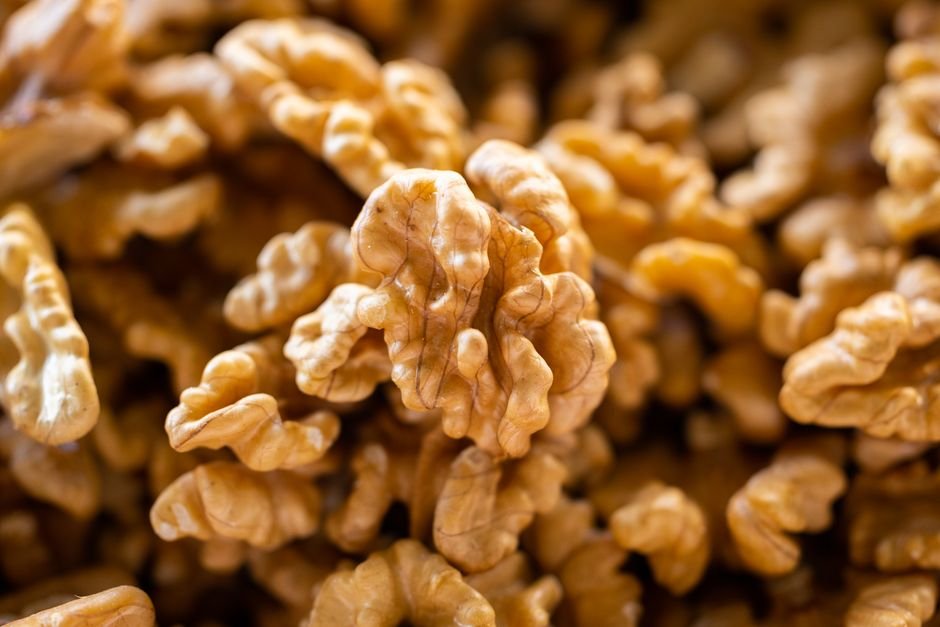
Walnuts vs. 1200 Calorie Diet Allocation: Nutritional Breakdown
Walnuts (1 ounce / 28g)
- Calories: 185
- Protein: 4.3g
- Fat: 18.5g (mostly unsaturated)
- Fiber: 3.7g
- Omega-3 ALA: 2.5g per ounce
Typical 1200-Calorie Diet Fat Allowance
- Total daily fat target: 40–50g (per standard low-calorie guidelines)
- Recommended daily calories from fat: 360–450 calories (30–40% of intake)
- Available fat “budget” after other meals: varies widely (30–35g by midday on many plans)
- Protein requirement: 60–90g total (often harder to hit at 1200 calories)
| Metric | Walnuts (1 oz) | Walnuts (0.5 oz) | 1200-Calorie Daily Target |
|---|---|---|---|
| Calories | 185 | 92 | 1200 |
| Total Fat | 18.5g | 9.3g | 40–50g |
| Protein | 4.3g | 2.2g | 60–90g |
| Fiber | 3.7g | 1.9g | 25–30g |
| Omega-3 ALA | 2.5g | 1.25g | 1.6–2.2g (adequate) |


Etekcity Food Scale
0.1g accuracy — the perfect companion for exact portions.
Which Is Better For Weight Loss on a 1200-Calorie Diet?
The real answer: a half-ounce (0.5 oz) to one-ounce (1 oz) daily serving of walnuts is the sweet spot for most people on a strict 1200-calorie diet. Here’s why. At 0.5 ounce, walnuts deliver meaningful omega-3 fatty acids and fiber (nearly 2g of each) without consuming more than 8% of your daily calorie budget—leaving plenty of room for lean protein, vegetables, and other whole foods that are essential for satiety and health at 1200 calories. The fiber and fat also slow digestion, meaning a small walnut portion genuinely reduces hunger between meals, making the diet more sustainable than if you’d eat a 100-calorie snack cake instead.
However, if you’re eating other significant fat sources—olive oil in salad dressing, fatty fish like salmon, whole eggs, or nut butters—you should cap walnuts at 0.25–0.5 ounce (3–7 halves). The issue isn’t that 185 calories “from walnuts” is worse than 185 from bread; it’s that a 1200-calorie limit leaves minimal room for repeated small mistakes. One extra ounce of walnuts five times per week adds up to 925 calories (about 18% above target), which will slow progress or erase a deficit entirely over a month. On a 1200-calorie diet specifically, consistency and accountability matter more than food choice.
Why the Numbers Don’t Tell the Whole Story
A standard nutrition label says 1 ounce of walnuts has 185 calories, but your actual portion depends on how you measure. A typical “walnut half” weighs about 2–2.5 grams; loose walnuts poured into your hand will vary by 10–20% depending on walnut size and how tightly they pack. If you grab a “handful” thinking it’s one ounce, you might be eating 1.2–1.5 ounces (222–277 calories)—enough to add 40–90 extra calories to your day, which compounds over time. Additionally, many 1200-calorie diets are designed for short-term use (8–12 weeks), not long-term eating; if walnuts crowd out other nutrient-dense foods like leafy greens, legumes, or lean poultry, you may sacrifice satiety and micronutrient intake even if you hit your calorie goal.
Preparation method also matters: chopped walnuts mixed into yogurt or oatmeal are easier to portion accurately than whole walnuts eaten by hand. Walnuts roasted with added oil or salt increase the calorie and sodium content beyond the raw nut itself. And brand variation is real—organic or raw walnuts from different sources can vary by 2–3% in calorie content per gram due to moisture differences. Source: USDA FoodData Central provides standardized nutrition data for raw English walnuts, but your exact purchase will vary slightly.
This is why using a free nutrients calculator is so valuable on a 1200-calorie diet. Rather than guessing or relying on generic serving sizes, you can input the exact brand and preparation of walnuts you’re eating, log your entire day, and see real-time how each portion fits into your goal. Our free AI-powered calculator does exactly this—calculate your exact walnut intake here—and gives you instant feedback on whether your choices track toward your goal or need adjustment. Benefits of using it:
- Input your actual brand and portion size (not a generic “1 oz”) to see your real calorie, fat, and protein numbers.
- Log walnuts in context with your other meals, so you see immediately if you’re over before you finish eating.
- Identify which other foods in your diet are consuming the most calories, helping you make swaps if walnuts are a priority for you.
Common Mistakes
People on 1200-calorie diets typically make four critical errors when eating walnuts, each of which can sabotage progress:
❌ Eating walnuts by hand without measuring. A casual handful often contains 1.5–2 ounces (277–370 calories), doubling or tripling the intended portion and burning a quarter of your daily budget on one snack.
❌ Counting only the “calories in walnuts” rather than total fat intake for the day. Walnuts are mostly fat (18.5g per ounce), so eating one ounce plus oils in cooking, salad dressing, and other foods can push total daily fat to 60–70g—25–40% above typical recommendations—leaving little room for carbs or protein.
❌ Assuming walnuts are “healthy fats” so they don’t count toward a strict calorie goal. While omega-3 fatty acids in walnuts are genuinely beneficial, a calorie is still a calorie; extra walnut consumption will slow weight loss if not compensated for elsewhere in the diet.
❌ Eating walnuts alone as a snack instead of pairing them with protein or fiber. Seven walnuts (0.5 oz) eaten by themselves will leave you hungry within 30 minutes; the same portion mixed into Greek yogurt, paired with an apple, or added to a salad will keep you full for hours.
FAQ
Can I eat more walnuts if I exercise on a 1200-calorie diet?
Not reliably. A 1200-calorie diet is already extremely low and typically prescribed only for sedentary individuals or short-term medical weight loss. Adding exercise without increasing calories can lead to fatigue, muscle loss, and metabolic slowdown. If you exercise regularly, your baseline calorie needs are likely higher than 1200—ask a dietitian before attempting this combination.
Are black walnuts better than English walnuts on a 1200-calorie diet?
Black walnuts are similar in calories (about 190 per ounce) but slightly higher in omega-3s and have a stronger, earthier flavor, which may help you feel satisfied with a smaller portion. Either variety fits the same portion targets; choose whichever you prefer and measure by weight or count, not by feel.
What if I only eat walnuts three times a week instead of daily?
Eating 1.5–2 ounces (3–4 handfuls) three times per week is fine as long as you account for all the calories that day and adjust other meals accordingly. Some people find larger, less-frequent portions more satisfying than daily smaller ones—this is a preference question, not a nutrition problem, as long as weekly totals align with your deficit.
Do I need to count walnuts in recipes the same way as whole walnuts?
Yes. Chopped walnuts baked into muffins, cookies, or salads contain the same calories per gram as whole walnuts. The only difference is measuring accuracy—chopped walnuts are easier to measure by weight with a food scale, so you’re more likely to hit your actual target than with hand-counted whole pieces.
Conclusion
On a 1200-calorie diet, you can eat 0.5 to 1 ounce of walnuts daily (about 92–185 calories), provided you account for them carefully and don’t let them crowd out protein, vegetables, or other essentials. The omega-3 content, fiber, and satiety walnut provides make them a smart choice for such a restricted calorie level—but only if you measure by weight or count, not by hand, and pair them with other foods to maximize fullness. Eating more than 1 ounce daily or eating unmeasured handfuls will consume too large a percentage of your calorie budget and leave insufficient room for balanced nutrition.
The practical path forward is to decide in advance whether walnuts are a priority for you on a 1200-calorie diet, measure your portion before eating, and log it immediately. Use a **reliable nutrients calculator** to track your actual intake—not just walnuts in isolation, but walnuts in the context of your whole day—so you can see in real-time whether you’re on track or need to adjust. With small, intentional choices, walnuts can absolutely fit into your plan and support both weight loss and long-term health.
