
Quinoa has become a staple in health-conscious kitchens worldwide, valued for its complete protein profile and versatility. Whether you’re following a plant-based diet, managing weight, or building muscle, understanding quinoa’s calorie and nutrient content is essential for making informed meal decisions.
How many calories are in quinoa, and what makes it nutritionally unique? This guide breaks down the exact calorie counts, full nutrition facts, and practical tips for incorporating quinoa into your diet effectively.
Calories in Quinoa (Quick Answer)
A standard serving of cooked quinoa contains approximately 222 calories per cup. Calorie content varies depending on whether it’s cooked or uncooked and the preparation method:
- 1 cup cooked quinoa: 222 calories
- 1 cup uncooked quinoa: 668 calories
- 100 grams cooked quinoa: 120 calories
Values can vary slightly depending on the brand, specific variety (white, red, or black quinoa), and cooking method.
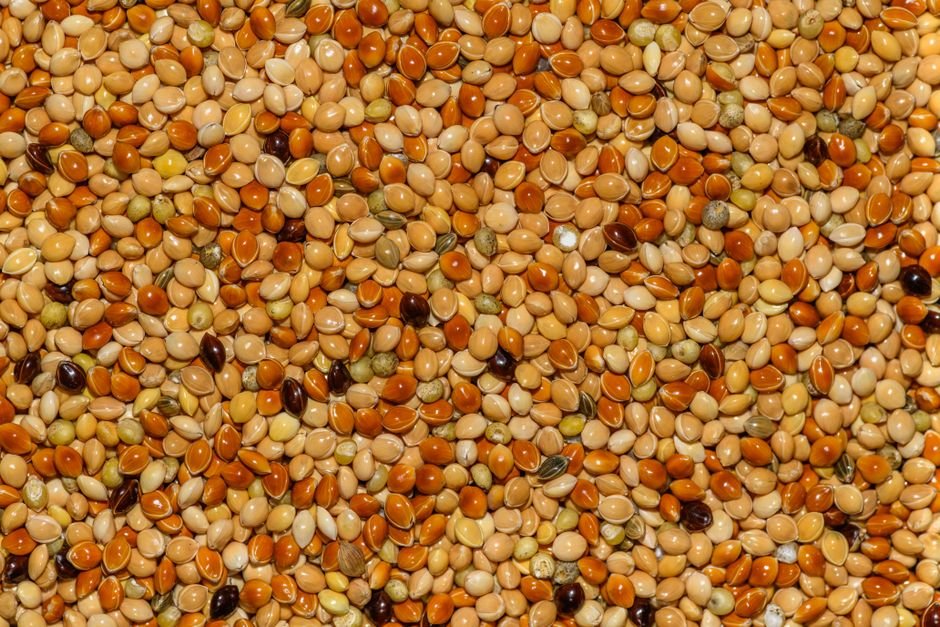
Full Nutrition Facts for 1 Cup (185g) of Cooked Quinoa
Cooked quinoa is a nutrient-dense grain alternative that delivers significant amounts of protein, fiber, and essential micronutrients. Here’s the complete nutritional breakdown:
| Nutrient | Amount | % Daily Value |
|---|---|---|
| Calories | 222 | — |
| Total Fat | 4g | 5% |
| Saturated Fat | 0.4g | 2% |
| Cholesterol | 0mg | 0% |
| Sodium | 9mg | <1% |
| Total Carbohydrate | 39g | 13% |
| Dietary Fiber | 5g | 17% |
| Total Sugars | 1.6g | — |
| Protein | 8g | 16% |
| Magnesium | 118mg | 28% |
| Manganese | 0.6mg | 29% |
| Phosphorus | 281mg | 23% |
*Percent Daily Values are based on a 2,000-calorie diet. Source: USDA FoodData Central.
Key insight: Quinoa is one of the few plant-based complete proteins, containing all nine essential amino acids in a single serving. This makes it particularly valuable for vegetarians, vegans, and anyone seeking diverse protein sources. The fiber content—17% of daily value per cooked cup—also supports stable blood sugar and digestive health, making quinoa an excellent choice for sustained energy and satiety.
Etekcity Food Scale
0.1g accuracy — the perfect companion for exact portions.
Cooked vs. Uncooked Quinoa: Which Has More Calories?
Uncooked Quinoa Seeds
- Significantly higher calorie density: 668 calories per cup
- Much denser form requires less volume for the same serving
- Stores longer and requires cooking before consumption
Cooked Quinoa
- Lower calorie density due to water absorption: 222 calories per cup
- Expands roughly 3–4 times its original volume when cooked
- Ready to eat and easier to incorporate into meals
Practical takeaway: This is why measuring matters: 1 cup uncooked quinoa yields about 3 cups of cooked quinoa. If you measure by cooked volume, you’ll consume roughly one-third the calories versus measuring the uncooked seeds. Always measure in the same state (cooked or uncooked) for consistency, or use weight-based measurements (grams) for the most accurate calorie tracking.
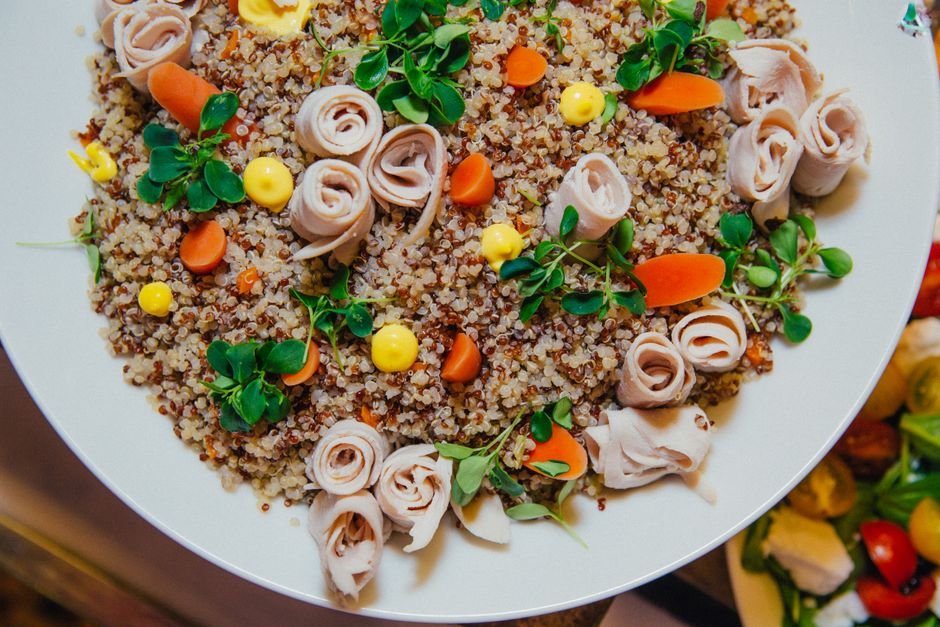
Is Quinoa Good for Weight Loss?
Yes, quinoa can support weight loss when portion-controlled. At 222 calories per cooked cup, it’s moderate in calories but high in protein (8g) and fiber (5g), both of which promote satiety and reduce overall calorie intake. The low glycemic index also means stable blood sugar and fewer energy crashes that trigger overeating. However, weight loss depends on total calorie balance—eating unlimited quinoa will still contribute to a calorie surplus.
Tips to Eat Quinoa Without Gaining Weight:
- Measure portion size: Use a kitchen scale or standard measuring cup to keep cooked servings to 1 cup (222 calories) or less per meal.
- Pair with vegetables: Fill half your plate with non-starchy vegetables (spinach, broccoli, peppers) to boost satiety without adding many calories.
- Limit added fats: Avoid heavy dressings, excess olive oil, or butter. Season with herbs, lemon, and vinegar instead.
- Combine with lean protein: Add grilled chicken, tofu, or legumes to increase protein density and feel full longer.
When eaten mindfully in appropriate portions, quinoa is an excellent grain choice for weight loss and sustainable eating habits.
How Portion Size Affects Calories
Portion size dramatically impacts total calorie intake with quinoa. A small serving is roughly half a cup (111 calories), while larger servings of 1.5–2 cups can easily exceed 330–444 calories. When combined with toppings, dressings, and proteins, portions add up quickly. Using consistent measurement tools ensures you hit your calorie targets accurately.
Example:
- Small portion (½ cup cooked): 111 calories — good as a side or mixed with other grains
- Standard portion (1 cup cooked): 222 calories — appropriate main grain serving with vegetables and protein
For weight management, a standard 1-cup serving of cooked quinoa is ideal as your primary grain in a balanced meal.
Best Way to Measure Quinoa Accurately
Accurate measurement is critical for calorie tracking, especially since uncooked and cooked quinoa have very different densities. Using a kitchen scale provides the most reliable calorie counts, as it removes guesswork and accounts for packing variations between brands and types. If you prefer volume-based measurements, use dry measuring cups and measure after cooking for consistency.
Options:
- Kitchen scale (most accurate): Weigh 46g uncooked quinoa (one serving) or 185g cooked (approximately 1 cup). This eliminates packing variation and ensures precise calorie counts.
- Measuring cups (cooked): Use a standard dry measuring cup to scoop cooked quinoa directly after cooking and fluffing with a fork. One level cup ≈ 222 calories.
- Visual estimation (least accurate): A closed fist roughly equals ½ cup cooked quinoa (111 calories). This works in a pinch but is less reliable for strict calorie tracking.
Calculate Your Exact Calorie Intake
Want to know exactly how many calories you’re eating when you include quinoa in your meals? Tracking becomes simple when you account for all components—the quinoa itself, added oils, toppings, and proteins. A comprehensive nutrient calculator can reveal how quinoa fits into your daily macronutrient targets.
Our free AI nutrients calculator makes this effortless. Simply log your quinoa portion and any accompanying ingredients, and it instantly calculates total calories, protein, carbs, fats, and micronutrients. No manual math required—just accurate, personalized nutrition data for your meals.
- Track quinoa servings in grams or cups with automatic calorie conversion
- See complete macro breakdowns (protein, carbs, fats) for meal planning
- Identify nutrient gaps and optimize your daily intake for health goals
Use the free nutrient calculator here to measure your quinoa intake precisely.
Common Mistakes When Eating Quinoa
Many people unknowingly sabotage their nutrition goals when eating quinoa. Here are the most common pitfalls:
❌ Measuring uncooked quinoa as if it were cooked. One cup uncooked equals roughly 3 cups cooked, so measuring “1 cup” of uncooked quinoa can deliver 668 calories instead of the expected 222—a 3x calorie overestimate.
❌ Drowning quinoa in oil-based dressings and sauces. A simple olive oil vinaigrette (2 tablespoons) adds 180 calories on top of the 222-calorie base, doubling the total.
❌ Treating quinoa as a “free” food and eating unlimited portions. Even nutrient-dense foods contribute to weight gain if total calories exceed your needs.
❌ Skipping the rinse step before cooking. Quinoa’s natural coating (saponin) can taste bitter and slightly reduce nutrient absorption, so rinsing improves both taste and digestibility.
Awareness of these mistakes helps you enjoy quinoa’s benefits without unintended calorie surpluses or digestive issues.
FAQ
How many calories are in 100g of quinoa?
100g of cooked quinoa contains approximately 120 calories. For uncooked quinoa, 100g contains about 368 calories. Always verify your measurement state (cooked vs. uncooked) when tracking.
Is quinoa fattening?
Quinoa itself is not fattening—it’s moderate in calories and high in protein and fiber, both of which support weight management. Weight gain occurs only when total calorie intake exceeds your needs. Portion control and mindful preparation are key.
Can I eat quinoa every day?
Yes, you can eat quinoa daily as part of a balanced diet. Its complete amino acid profile and nutrient density make it an excellent staple grain. Aim for 1 cup cooked (222 calories) per day as your primary grain serving, paired with plenty of vegetables and lean protein.
What’s the difference between white, red, and black quinoa?
All three varieties have nearly identical calorie and macronutrient content—around 222 calories per cooked cup. The main differences are flavor (white is mild, red is slightly earthier, black is nuttier) and texture. Choose based on taste preference and dish application rather than nutrition.
Conclusion
Quinoa is a nutrient-dense, complete protein grain that supports weight loss, muscle building, and overall health when eaten in appropriate portions. At 222 calories per cooked cup, combined with 8g protein and 5g fiber, it delivers sustained energy and satiety. The presence of all nine essential amino acids makes it a standout choice for plant-based eaters and anyone seeking diverse nutrition sources.
To maximize quinoa’s benefits, measure portions carefully (preferably by weight), pair with vegetables and lean proteins, and track your total intake using a reliable nutrients calculator. Understanding the nutritional fundamentals transforms quinoa from a trendy grain into a strategic, calorie-aware dietary staple tailored to your health goals.
