
Mozzarella sticks are a popular appetizer and snack found in restaurants, school cafeterias, and home freezers across the United States and beyond. Whether you’re grabbing them at a chain restaurant, heating them in your oven, or serving them at a party, mozzarella sticks are an easy-to-eat, indulgent finger food that appeals to both kids and adults. They’re also a common diet pitfall—the fried, breaded exterior and melted cheese interior pack significant calories and fat into a small package.
If you’re watching your calorie intake, wondering whether mozzarella sticks fit into your diet, or simply curious about their nutritional profile, you’ve come to the right place. This guide breaks down exactly how many calories are in mozzarella sticks, what you’re actually eating when you bite into one, and practical strategies to enjoy them without derailing your health goals.
Calories in Mozzarella Sticks (Quick Answer)
A typical serving of fried mozzarella sticks contains a significant amount of calories due to the breading and deep frying process.
- One breaded fried mozzarella stick (28g): 80–85 calories
- Six-piece serving (about 168g): 420–450 calories
- Baked mozzarella sticks (6-piece serving): 280–320 calories
Calorie counts vary depending on whether the sticks are fried or baked, the brand, and the exact size of each stick. Frozen store-brand versions typically have similar calories to restaurant versions, though some brands use less oil or cheese.
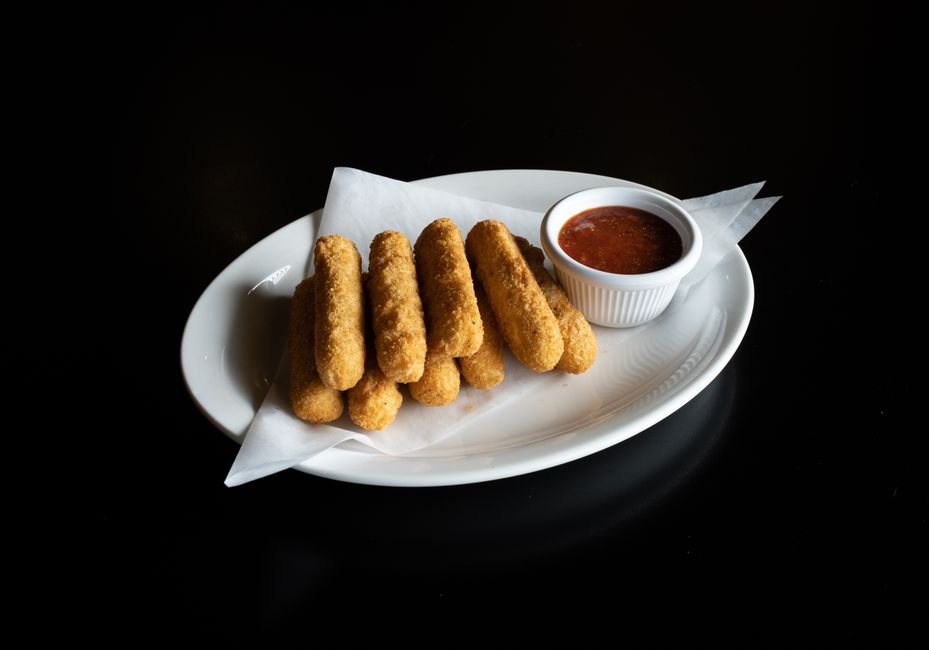
Full Nutrition Facts for Six Fried Mozzarella Sticks (168g)
Here’s the complete nutrition breakdown for a standard 6-piece serving of commercially available breaded and fried mozzarella sticks, one of the most common serving sizes you’ll encounter:
| Nutrient | Amount | % Daily Value |
|---|---|---|
| Calories | 420 | — |
| Total Fat | 24g | 31% |
| Saturated Fat | 11g | 55% |
| Cholesterol | 42mg | 14% |
| Sodium | 660mg | 29% |
| Total Carbohydrate | 33g | 12% |
| Dietary Fiber | 0g | 0% |
| Total Sugars | 2g | — |
| Protein | 15g | 30% |
| Calcium | 420mg | 32% |
| Iron | 1.2mg | 7% |
| Sodium (Elemental) | 660mg | 29% |
*Percent Daily Values are based on a 2,000-calorie diet. Source: USDA FoodData Central.
Key insight: More than half of the calories in mozzarella sticks come from fat, largely due to the deep frying and high cheese content. The breading adds refined carbohydrates with almost no fiber, making mozzarella sticks nutrient-dense but not satiating. However, the protein content (15g per serving) is respectable, and the calcium content (32% DV) reflects the mozzarella base. The sodium level (660mg per serving) is significant—nearly 30% of your daily limit in just one appetizer.
Etekcity Food Scale
0.1g accuracy — the perfect companion for exact portions.
Breaded Fried Mozzarella Sticks vs. Fresh Mozzarella String Cheese
Breaded Fried Mozzarella Sticks (6 pieces, 168g)
- 420 calories per serving with 24g of fat from frying oil and cheese
- 33g refined carbohydrates from the breading, zero dietary fiber
- 660mg sodium from breading, frying, and added salt
Fresh Mozzarella String Cheese (6 pieces, 168g)
- 280 calories per serving with 22g of fat from the cheese itself, no added oil
- 1g carbohydrate (mostly lactose) with 0g added sugar or breading
- 180mg sodium, much lower due to no frying or added seasoning
Practical takeaway: If you love the convenience and texture of mozzarella sticks, switching to unbreaded string cheese cuts calories by roughly 140 per serving, eliminates all refined carbs from breading, and dramatically reduces sodium. However, baked mozzarella sticks (not deep-fried) offer a middle ground—you keep the satisfying breaded exterior and melted texture while saving 100+ calories and significant fat. The calorie difference isn’t just about the cheese; it’s almost entirely the breading and frying process.
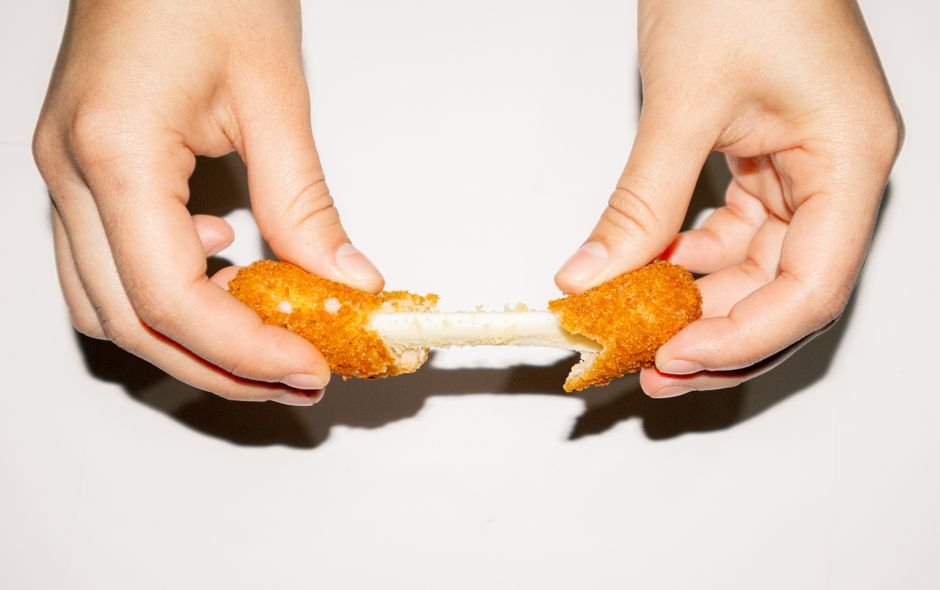
Is Mozzarella Sticks Good for Weight Loss?
Mozzarella sticks are not an ideal weight loss food due to their high calorie density, low satiety, and high refined carbohydrate content. A single 6-piece serving at 420 calories represents 20% of a 2,000-calorie diet with minimal fiber or whole grains to keep you full. They’re easy to overeat, particularly when served as an appetizer with marinara sauce for dipping (which adds another 60–100 calories per 1/4 cup). That said, enjoying them occasionally in a controlled portion won’t sabotage your diet if you account for the calories.
Tips to Eat Mozzarella Sticks Without Gaining Weight:
- Stick to a single serving (6 pieces): Pre-portion them before eating, and don’t grab from a shared plate. Use a small bowl to serve yourself a measured 6-piece portion.
- Choose baked over fried when possible: Baked mozzarella sticks save 100–140 calories per 6-piece serving while keeping the texture and cheese you love.
- Pair with protein and fiber: Eat mozzarella sticks with a green salad or vegetable side rather than alone. Fiber and additional protein slow digestion and increase fullness.
- Skip sugary dipping sauces: Marinara and ranch dips add 50–150 extra calories. Use a small amount of mustard, salsa, or plain tomato sauce instead, or dip lightly.
Weight loss is about total calorie intake, not eliminating foods you enjoy. If mozzarella sticks fit into your daily calorie goals and you don’t binge on them, they can absolutely be part of a weight loss plan.
How Portion Size Affects Calories
Portion size is the most direct lever for controlling mozzarella stick calories. A restaurant appetizer portion (often 8–10 sticks) can exceed 600 calories, while a single stick is under 85 calories. Understanding how size scales helps you make informed choices whether you’re cooking at home or ordering out.
Example:
- Small portion (3 pieces, 84g): approximately 210 calories—a reasonable snack that fits into most diet plans.
- Large portion (10 pieces, 280g): approximately 700 calories—more than one-third of a 2,000-calorie diet in a single appetizer.
Ordering a half or partial serving at restaurants, or measuring frozen sticks at home before cooking, gives you direct control over your calorie intake.
Best Way to Measure Mozzarella Sticks Accurately
Unlike loose ingredients, mozzarella sticks come in pre-formed pieces, making portion control straightforward. However, stick sizes vary by brand and preparation method. The most reliable way to know calories is to count pieces and cross-reference them against the nutrition label for your specific brand, since serving size (number of pieces per serving) varies from package to package.
Options:
- Count by piece: Most nutrition labels list calories per stick or per standard serving (e.g., “serving size: 6 pieces”). Simply multiply the number of pieces you eat by calories per piece. This is the easiest method for frozen or cooked mozzarella sticks.
- Use a kitchen scale: Weigh your serving in grams and match it to the label’s serving size in grams. If the label says “1 serving = 168g” and you weigh out 84g, you’ve consumed half a serving.
- Check the package label: Always read the label for your specific brand. Homemade versions, restaurant versions, and store brands vary in calorie content, often differing by 10–20% due to differences in cheese amount and breading thickness.
Calculate Your Exact Calorie Intake
Knowing the calories in mozzarella sticks is just one piece of your nutritional puzzle. To truly understand how they fit into your overall diet and health goals—whether you’re managing weight, building muscle, or simply eating mindfully—you need a complete picture of your daily intake across all foods and nutrients.
Our site offers a free AI-powered nutrients calculator that lets you log mozzarella sticks (and every other food you eat) to see your complete nutritional breakdown in real time. Simply enter the food, portion size, and use our calculator to track protein, carbs, fat, fiber, sodium, and dozens of micronutrients—all without manual math.
- Log mozzarella sticks once and see exactly how they fit into your daily macronutrient targets.
- Compare different brands and cooking methods (fried vs. baked) side-by-side to make smarter choices.
- Track sodium, saturated fat, and other nutrients that matter for heart health and long-term wellness.
Common Mistakes When Eating Mozzarella Sticks
Even well-intentioned eaters make predictable mistakes with mozzarella sticks. Here are the most common pitfalls to watch for:
❌ Underestimating calories by ordering a “small” appetizer. Many restaurants’ “small” mozzarella stick order is 6–8 pieces (300–500 calories), not the single-serving portion many assume. Always ask or check nutrition information before ordering.
❌ Pairing mozzarella sticks with high-calorie dips. One mozzarella stick dipped in ranch, marinara, or pizza sauce adds 10–25 extra calories per stick. Six sticks with dipping sauce can exceed 600 calories.
❌ Treating them as a “free” appetizer. When mozzarella sticks are offered before the main course (at restaurants or parties), people often eat the entire serving without accounting for it in their meal plan, adding unexpected calories on top of their entree.
❌ Not checking the cooking method. Deep-fried mozzarella sticks contain 50–100 more calories per piece than baked versions, but both look identical on a menu. Always ask how they’re prepared or choose baked options when available.
Being aware of these common traps helps you enjoy mozzarella sticks without accidentally derailing your nutrition goals.
FAQ
How many calories are in 100g of mozzarella sticks?
Approximately 250 calories in 100g of breaded fried mozzarella sticks. This is roughly equivalent to one and a third sticks at the standard 28g per stick, making it easy to calculate partial servings.
Is mozzarella sticks fattening?
Mozzarella sticks are calorie-dense and high in saturated fat (55% DV per 6-piece serving), which can contribute to weight gain if eaten regularly without portion control. However, they’re not inherently “fattening”—they won’t cause weight gain if eaten occasionally as part of a balanced diet with adequate exercise and overall calorie deficit.
Can I eat mozzarella sticks on a keto diet?
Standard breaded fried mozzarella sticks are not keto-friendly due to 33g of carbohydrates per 6-piece serving (mostly from the breading). However, unbreaded fresh mozzarella string cheese has less than 1g carbs per serving and is compatible with keto diets.
How much protein is in mozzarella sticks?
A 6-piece serving of mozzarella sticks contains approximately 15g of protein, which is a reasonable amount for an appetizer. The protein comes from the mozzarella cheese itself, not the breading.
Conclusion
Mozzarella sticks are a calorie-dense appetizer with 420 calories per standard 6-piece serving, most of which comes from fat and refined carbohydrates in the breading. They offer some nutritional benefits—15g of protein and 32% of your daily calcium—but also come with significant sodium (660mg) and very little fiber. Understanding their calorie content and nutritional profile is the first step toward including them in your diet without guilt or surprise calorie overages.
If you enjoy mozzarella sticks, the solution isn’t to eliminate them—it’s to make informed choices about frequency, portion size, and preparation method. Baked versions save calories; pairing them with vegetables adds satiety; and counting them in your daily intake keeps them from becoming hidden calories. For complete control over your nutrition, use a reliable nutrients calculator to log all your foods and see exactly how mozzarella sticks fit into your bigger health picture.
