
Lentils vs chickpeas fiber per serving is a question that comes up constantly among people trying to maximize their fiber intake for digestion, weight loss, or heart health. Both legumes are dietary staples praised for their nutrition density, but they’re not identical—and the fiber difference, while real, is smaller than most people assume. The choice matters less than people think if your actual goal is simply eating more fiber, and more than it should if you’re trying to optimize every gram.
This article will cut through the noise by showing you the exact fiber counts, explaining why lentils edge out chickpeas, and more importantly, revealing which one is the better fit for your specific eating pattern and digestion. You’ll also learn why serving size and preparation method can shift the verdict in chickpeas’ favor for some people—making this a genuine decision, not just a rankings table.
Lentils vs Chickpeas Fiber Per Serving, Quick Answer
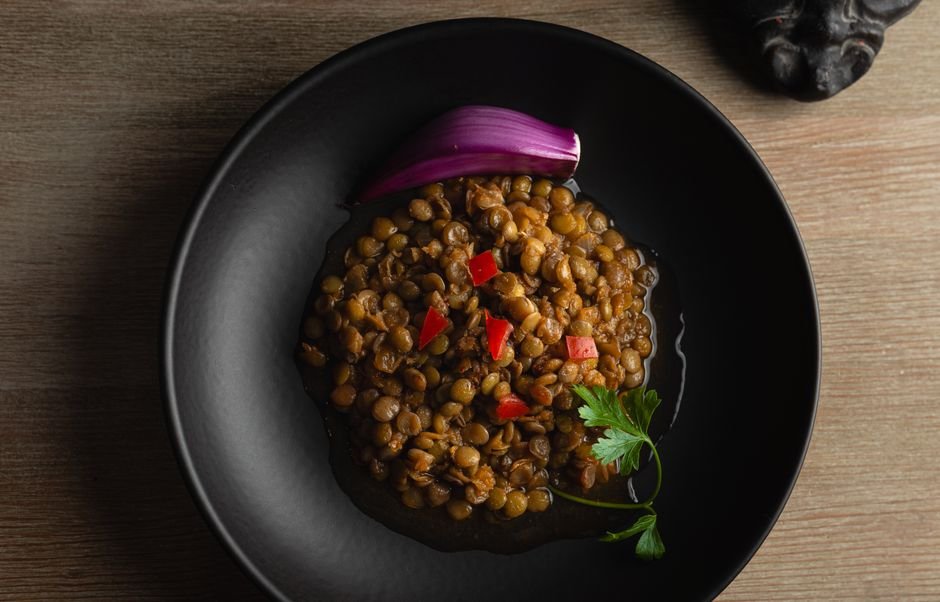
Lentils have 8 grams of fiber per cooked cup (198g), while chickpeas (garbanzo beans) provide 12–13 grams of fiber per cooked cup (164g)—meaning chickpeas actually deliver more total fiber per cup by weight, but lentils are more fiber-dense per 100g. This reversal matters: the “winner” depends on whether you’re measuring by volume you eat or by weight you consume. For most people simply trying to add fiber to dinner, the difference is negligible; for those with sensitive digestion, it’s substantial.
<
>
Lentils vs Chickpeas: Head-to-Head Nutrition
Lentils (1 cup cooked)
- Calories: 230
- Fiber: 8g (30% of daily value)
- Protein: 18g
- Resistant starch (promotes gut health): higher
Chickpeas (1 cup cooked)
- Calories: 269
- Fiber: 12g (50% of daily value)
- Protein: 15g
- Fat content (higher satiety): 4g vs lentils 0.8g
| Metric | Lentils (1 cup cooked) | Chickpeas (1 cup cooked) |
|---|---|---|
| Calories | 230 | 269 |
| Fiber | 8g | 12g |
| Protein | 18g | 15g |
| Fat | 0.8g | 4g |
| Carbohydrates | 40g | 45g |

Etekcity Food Scale
0.1g accuracy — the perfect companion for exact portions.
Which Is Better For Maximizing Dietary Fiber?
Chickpeas win the fiber race by an objective margin: 12g versus lentils’ 8g per cooked cup. If your goal is hitting a specific fiber target (say, 25–35g daily), chickpeas get you there with fewer servings. They also contain more soluble fiber, which is particularly effective at lowering cholesterol and stabilizing blood sugar. For someone with no digestion concerns aiming for maximum fiber efficiency, chickpeas are the cleaner choice.
However, lentils excel if you want high protein with your fiber—they deliver 18g of protein per cup compared to chickpeas’ 15g, and they’re lower in calories and fat. Lentils are also faster to cook (20–30 minutes versus 1+ hours for dried chickpeas) and contain more resistant starch, a gut-health compound that acts like fiber. If you have a sensitive stomach or are building muscle, lentils may suit you better despite the lower raw fiber count.
Why the Numbers Don’t Tell the Whole Story
The fiber counts above assume a standard cooked serving, but real-world preparation changes everything. Canned chickpeas (which most people eat) often have added sodium and slightly softer texture, which can affect fiber bioavailability—your body’s actual ability to extract and use that fiber. Cooking method matters too: pressure-cooked lentils retain more soluble fiber than boiled ones, while the opposite is often true for chickpeas, which can become mushy. A cup of mashed chickpeas (common in hummus) delivers less fiber per spoonful than whole cooked chickpeas, even though the weight is the same.
Brand variation also plays a role. According to the USDA FoodData Central, raw green lentils show 8g fiber per 100g, while red lentils drop to 7g—yet dried chickpeas are consistently around 15g per 100g before cooking water is absorbed. Individual tolerance matters most: if chickpeas cause bloating, you’re not benefiting from their fiber, making lentils the practical winner. If you eat both regularly, your gut adapts and fiber bioavailability improves over time, narrowing the real-world gap.
For a precise answer for what you’re actually eating, use a reliable nutrients calculator to input your exact serving size and brand. This approach accounts for:
- The specific variety (red lentils digest faster than brown; chickpeas vary by region of origin)
- Preparation method (whole, mashed, canned, or sprouted)
- Your individual digestion and tolerance
Common Mistakes
When comparing these legumes, people often overlook real-world factors that matter more than the raw numbers:
❌ Assuming canned chickpeas have the same fiber as dried—they absorb water, so a “cup” of canned is less fiber-dense than a cup of cooked dried chickpeas.
❌ Forgetting that soluble fiber (chickpeas’ strength) and resistant starch (lentils’ strength) have different effects on digestion and blood sugar, so comparing by total fiber grams alone ignores what your body actually needs.
❌ Eating too much too fast—jumping from zero legumes to a chickpea-heavy diet can cause bloating, making you perceive chickpeas as “worse” even though the fiber is working as intended. Start with lentils if you’re new to legumes, as they tend to cause less gas.
❌ Not accounting for cooking time in meal planning—choosing chickpeas because they have more fiber, then buying canned and eating them in a way that minimizes the nutrient (e.g., drained of their cooking liquid, which contains soluble fiber) defeats the purpose.
FAQ
Do lentils or chickpeas have more fiber?
Chickpeas have more total fiber at 12g per cooked cup versus lentils’ 8g. However, lentils are more fiber-dense per 100g and cause less bloating for many people, making them better for those new to high-fiber eating.
Can I get enough fiber from just one of these legumes?
Yes. One cup of chickpeas provides 12g of fiber—nearly half the daily 25–35g recommendation for adults. One cup of lentils gives 8g. Most people benefit from eating both regularly to hit targets, vary resistant starch intake, and avoid dietary boredom.
Which is better for weight loss?
Lentils edge out chickpeas slightly: they’re lower in calories (230 vs 269 per cup) and fat, but higher in protein, which increases satiety. The difference is modest; both are excellent for weight loss because fiber and protein slow digestion and reduce hunger.
Are sprouted lentils and chickpeas more digestible?
Yes. Sprouting reduces anti-nutrients (compounds that inhibit digestion) and increases bioavailability of minerals. Sprouted lentils and chickpeas are gentler on sensitive stomachs but harder to find and cook. For most people, regular cooked legumes from a can are a practical, fiber-rich choice.
Conclusion
Chickpeas have objectively more fiber per serving (12g vs 8g per cooked cup), making them the better choice if raw fiber quantity is your sole metric. But lentils win for protein-to-calorie ratio, cooking speed, and gentler digestion, which matters more if you have a sensitive gut or are trying to add legumes to your routine for the first time. The real verdict: whichever you’ll actually eat consistently delivers the most health benefit.
Rather than agonizing over this choice, eat both and let your body guide you. If you want a specific answer for the exact portion you’re eating tonight, use a reliable nutrients calculator to measure your serving and brand, accounting for whether it’s canned or cooked from scratch. That precision beats any generic comparison—and ensures you’re getting the full fiber benefit both legumes offer.
