
Heavy cream is a staple ingredient in kitchens worldwide, especially in baking, cooking, and coffee preparation. It’s made by separating the fat-rich layer from milk and is widely used in desserts, sauces, soups, and beverages. Whether you’re counting calories for weight loss, managing diabetes, or simply tracking your nutrition intake, understanding the calorie content of heavy cream is essential.
The question isn’t just how many calories heavy cream contains—it’s how those calories fit into your daily nutrition goals and which preparation methods affect its nutritional value most. This guide breaks down everything you need to know about heavy cream’s calorie count, macronutrients, and how to use it wisely.
Calories in Heavy Cream (Quick Answer)
Heavy cream is calorie-dense due to its high fat content. Here are the main variants:
- 1 tablespoon (15 ml) of heavy cream: 52 calories
- 1 cup (240 ml) of heavy cream: 838 calories
- 2 tablespoons (30 ml) of heavy cream: 103 calories
Calorie counts can vary slightly depending on the brand and whether the cream is ultra-pasteurized or standard pasteurized.
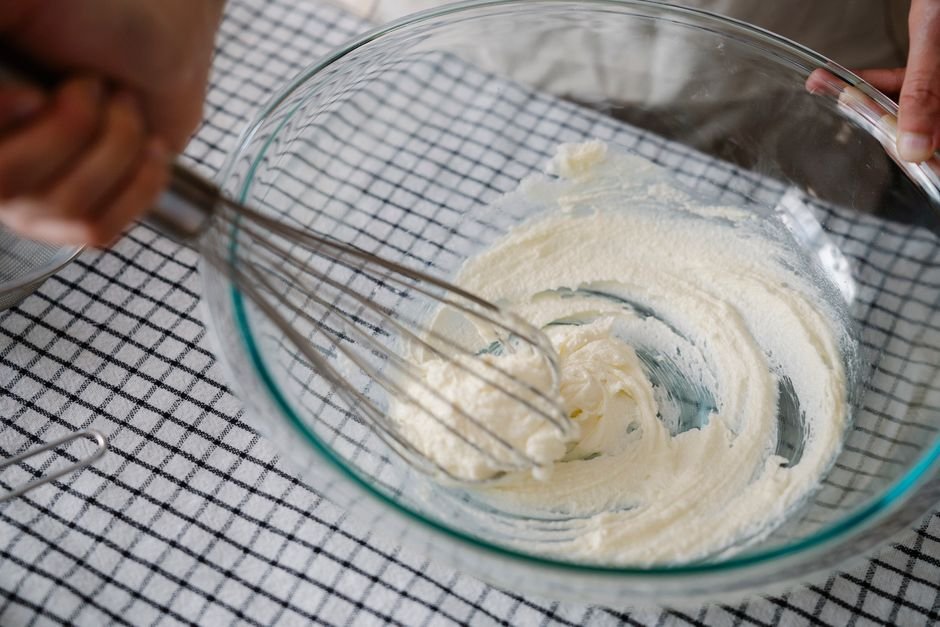
Full Nutrition Facts for 1 Tablespoon (15 ml) of Heavy Cream
Heavy cream is essentially pure dairy fat with minimal water content removed. Here’s the complete nutritional breakdown for a standard 1-tablespoon serving:
| Nutrient | Amount | % Daily Value |
|---|---|---|
| Calories | 52 | — |
| Total Fat | 5.6 g | 7% |
| Saturated Fat | 3.5 g | 18% |
| Cholesterol | 21 mg | 7% |
| Sodium | 6 mg | <1% |
| Total Carbohydrate | 0.4 g | <1% |
| Dietary Fiber | 0 g | 0% |
| Total Sugars | 0.4 g | — |
| Protein | 0.4 g | <1% |
| Vitamin A | 170 IU | 3% |
| Calcium | 16 mg | 1% |
| Vitamin D | 1 IU | <1% |
*Percent Daily Values are based on a 2,000-calorie diet. Source: USDA FoodData Central.
Key insight: Heavy cream is nearly 88% fat by weight, which is why calories accumulate so quickly with just a small serving. A single tablespoon delivers nearly 6 grams of fat—mostly saturated—making it one of the most calorie-dense dairy products available. Despite its richness, heavy cream contains almost no protein, fiber, or significant carbohydrates, so it won’t keep you full for long.

Etekcity Food Scale
0.1g accuracy — the perfect companion for exact portions.
Heavy Whipping Cream vs. Light Cream: Which Is Lower in Calories?
Heavy cream and light cream differ in fat content, which directly affects calorie density. Understanding this distinction helps you choose the right product for your needs.
Heavy Whipping Cream (36–40% fat)
- 1 tablespoon: 52 calories, 5.6 g fat
- Can be whipped and holds air bubbles, increasing volume without adding calories to a fixed amount
- Rich, indulgent flavor makes a little go a long way in recipes
Light Cream (18–30% fat)
- 1 tablespoon: 29 calories, 3 g fat
- Too low in fat content to whip; better for pouring into coffee or using in sauces
- More affordable and less heavy, though still calorie-concentrated for a dairy product
Practical takeaway: If you’re adding cream to coffee, light cream cuts calories by more than 40% per tablespoon while still delivering creaminess. For recipes that require whipping (desserts, mousses), heavy cream is necessary, but you’ll typically use less volume due to its richness, which can partially offset the calorie difference.
Is Heavy Cream Good for Weight Loss?
Heavy cream alone is not an ideal choice for weight loss diets due to its calorie density and lack of satiety macronutrients. Since it’s primarily fat with minimal protein or fiber, it won’t suppress hunger and can easily contribute excess calories if portion control isn’t strict. However, used sparingly in small amounts (1–2 tablespoons), it can add flavor and satisfaction to meals without sabotaging a calorie deficit.
Tips to Eat Heavy Cream Without Gaining Weight:
- Use a tablespoon measure instead of pouring freely; this prevents accidental overconsumption in coffee or desserts
- Substitute light cream or Greek yogurt in recipes where possible to cut calories while maintaining creaminess
- Pair heavy cream with protein-rich foods (e.g., whipped cream on berries and nuts) to increase satiety
- Reserve heavy cream for occasional indulgences rather than daily use if weight loss is your goal
Heavy cream works best as an occasional ingredient rather than a dietary staple. A teaspoon or two can enrich a dish without derailing progress, especially if balanced with adequate protein and vegetables at the same meal.
How Portion Size Affects Calories
Heavy cream’s calorie content scales linearly with volume because it’s a uniform ingredient. Even small variations in serving size create noticeable calorie differences, making measurement critical if you’re tracking intake. Pouring “a splash” into coffee can add anywhere from 20 to 80 calories depending on your hand’s steadiness.
Example:
- 1 tablespoon (15 ml): 52 calories — typical for black coffee
- ¼ cup (60 ml): 210 calories — a generous pour for a large mug or small sauce
The difference between a measured tablespoon and an unmeasured “glug” is often 100+ calories, a significant amount in the context of a weight-loss diet.
Best Way to Measure Heavy Cream Accurately
Since heavy cream’s calorie density makes eyeballing imprecise, using proper measurement tools is essential for accurate tracking. Digital scales or marked measuring spoons remove guesswork and ensure consistency across recipes and days.
Options:
- Measuring spoon (tablespoon or teaspoon): Most practical for daily coffee use; inexpensive and reliable
- Kitchen scale (grams): Use 15 g = 1 tablespoon for maximum precision; ideal if tracking macronutrients
- Measuring cups with ml markings: Best for recipes calling for larger volumes like ½ cup or 1 cup
Calculate Your Exact Calorie Intake
If heavy cream is a daily staple in your diet, knowing your exact intake—rather than estimating—makes a real difference to your nutrition goals. A few tablespoons daily across coffee, cooking, and desserts can add up to 200–400 calories weekly.
Our free AI nutrients calculator helps you log heavy cream and all other foods to see your complete macro breakdown in seconds. No signup required, no ads.
- Track heavy cream alongside other ingredients to understand full meal calories
- See how substitutions (light cream, coconut milk, oat milk) change your daily totals
- Adjust portions based on real nutrition data, not guesses
Common Mistakes When Eating Heavy Cream
Even small errors in how you use or measure heavy cream can undermine your nutrition goals. Here are the most frequent pitfalls:
❌ Pouring heavy cream without measuring, leading to 2–3× intended calories in a single serving.
❌ Assuming whipped cream is “low-calorie” because it looks fluffy; it’s the same cream with air added, so portion control is still critical.
❌ Using heavy cream as a daily coffee addition without accounting for it in your calorie or fat targets.
❌ Buying ultra-processed heavy creams with additives and assuming they’re similar to pure cream; always check labels for gums, thickeners, and stabilizers.
Awareness and measurement are your best tools for incorporating heavy cream without derailing progress.
FAQ
How many calories are in 100g of heavy cream?
100g of heavy cream contains approximately 340 calories. This is equivalent to about 6.75 tablespoons or roughly ⅓ cup.
Is heavy cream fattening?
Heavy cream is calorie- and fat-dense, so yes, it can contribute to weight gain if consumed in excess without accounting for it in your daily intake. However, small amounts used to enhance meals are unlikely to cause problems if total calories remain in balance.
Can you freeze heavy cream?
Liquid heavy cream freezes well and retains its nutritional profile once thawed, making it convenient for batch cooking. Whipped cream can also be frozen, though the texture becomes grainy when thawed.
Does cooking heavy cream reduce its calories?
Heating heavy cream does not reduce its calorie content; the calories remain the same whether the cream is raw, heated, or whipped. Water may evaporate during reduction, concentrating calories in a smaller volume, so reduced sauces are actually calorie-denser than the original cream.
Conclusion
Heavy cream is a calorie-dense, fat-rich dairy product that contains 52 calories per tablespoon and virtually no protein, fiber, or carbs. Its saturated fat and cholesterol content make it a luxury ingredient best used in moderation, particularly for those managing weight or heart health. Understanding portion size and using measured amounts rather than pouring freely is the key to enjoying heavy cream without exceeding your nutrition targets.
Whether you’re adding it to coffee, baking a dessert, or enriching a sauce, tracking heavy cream intake alongside your other foods gives you the full picture of your daily nutrition. Use a reliable nutrients calculator to log all ingredients together and see exactly how each choice fits your goals. Small, intentional portions of heavy cream can absolutely fit into a balanced diet—the difference is knowing exactly how much you’re using.
