
Kidney beans are a staple legume in cuisines around the world—from Latin American rice and beans dishes to Indian curries and Mediterranean salads. They’re especially popular among vegetarians, vegans, and people managing their weight or blood sugar, thanks to their high fiber and protein content. Whether you’re meal-prepping a batch for the week or adding them to a quick chili, kidney beans are an affordable, nutrient-dense choice.
But how many calories are actually in kidney beans? And how do they stack up nutritionally against other legumes? This guide breaks down the complete nutrition profile, portion tips, and practical advice for incorporating kidney beans into your diet.
Calories in Kidney Beans (Quick Answer)
One cup of cooked kidney beans contains approximately 215 calories.
- 1 cup cooked kidney beans: 215 calories
- ½ cup cooked kidney beans: 108 calories
- 1 cup canned kidney beans (drained): 206 calories
Calorie counts vary slightly by preparation method, whether beans are fresh-cooked or canned, and the specific variety (red, dark red, or light kidney beans).
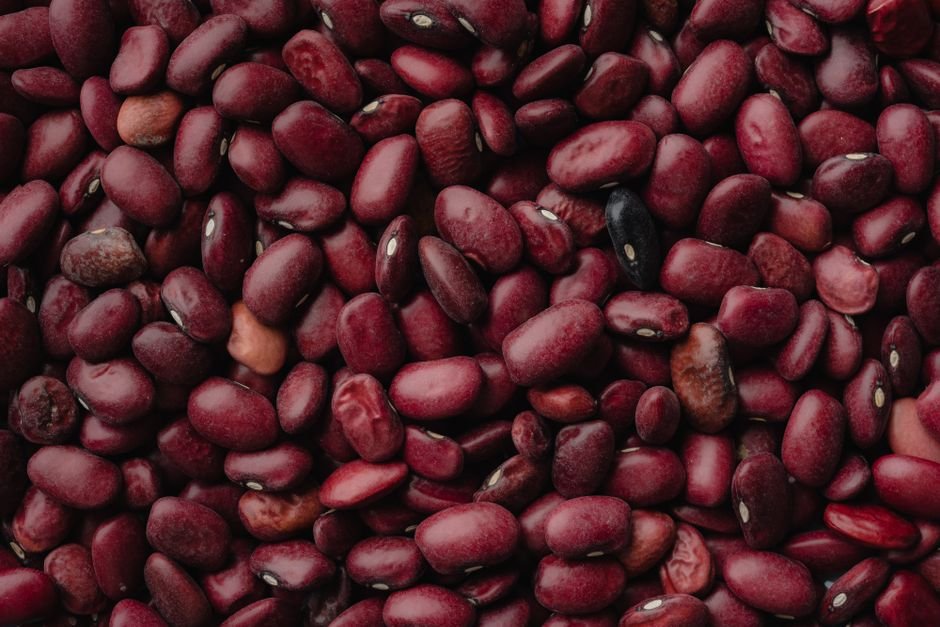
Full Nutrition Facts for 1 Cup of Cooked Kidney Beans
Here’s the complete macronutrient and micronutrient breakdown for one cup of cooked kidney beans, drained.
| Nutrient | Amount | % Daily Value |
|---|---|---|
| Calories | 215 | — |
| Total Fat | 0.9 g | 1% |
| Saturated Fat | 0.2 g | 1% |
| Cholesterol | 0 mg | 0% |
| Sodium | 2 mg | <1% |
| Total Carbohydrate | 39 g | 13% |
| Dietary Fiber | 11 g | 44% |
| Total Sugars | 0.5 g | — |
| Protein | 15 g | 30% |
| Iron | 3.9 mg | 22% |
| Magnesium | 87 mg | 21% |
| Potassium | 717 mg | 15% |
*Percent Daily Values are based on a 2,000-calorie diet. Source: USDA FoodData Central.
Key insight: Kidney beans deliver an impressive 15 grams of plant-based protein and 11 grams of fiber per cup—making them one of the few foods that simultaneously support muscle building and digestive health. This combination also means kidney beans provide sustained energy and stable blood sugar, which is why they’re particularly valuable for people managing diabetes or weight.

Etekcity Food Scale
0.1g accuracy — the perfect companion for exact portions.
Dried vs. Cooked Kidney Beans: What’s the Difference?
Dried Kidney Beans
- Much higher calorie density: 1 cup dried beans contains roughly 619 calories (before soaking and cooking)
- Concentrated nutrients: The water is removed, so all nutrients are tightly packed
- Longer shelf life: Dried beans last months or years in a pantry; canned are shorter-lived
Cooked Kidney Beans
- Lower calorie count per volume: 215 calories per cup due to water absorption during cooking
- Better digestibility: Cooking breaks down complex sugars and phytic acid, reducing gas and bloating
- Ready to eat: No overnight soaking or extended cooking time needed (especially if using canned)
The takeaway: If you’re counting calories by cup or portion, cooked beans are your baseline. But don’t be confused by the dried weight—you’re not actually eating 619 calories when you have a cup of cooked beans. The dramatic difference is simply water content, not energy loss. For practical meal prep, use cooked or canned beans and track them by the cup or gram after cooking.
Is Kidney Beans Good for Weight Loss?
Yes, kidney beans are excellent for weight loss. At 215 calories per cup with 15g protein and 11g fiber, they keep you full longer, reduce hunger hormones, and stabilize blood sugar—all of which reduce overeating. The low fat content and absence of refined carbs make them a nutrient-dense, calorie-light choice compared to grain-based sides.
Tips to Eat Kidney Beans Without Gaining Weight:
- Measure your portion: Use a kitchen scale or measuring cup. It’s easy to eat 2–3 cups without noticing, which adds up to 400–650 calories.
- Pair with non-starchy vegetables: Fill half your plate with salad, broccoli, or peppers to bulk up the meal without extra calories.
- Watch added salt and oil: Canned beans often have 300–500 mg sodium per cup; drain and rinse them. Avoid cooking beans in excessive oil.
- Combine with whole grains, not refined carbs: Brown rice or quinoa pairs better with beans than white rice or bread for weight loss.
When eaten mindfully, kidney beans are one of the best plant-based foods for sustainable weight loss because they satisfy hunger without excess calories.
How Portion Size Affects Calories
Kidney bean portions scale linearly with calories—double the portion, double the calories. Most people underestimate how much they’re eating because beans are soft and easy to consume quickly. A “typical” serving at dinner can easily balloon from ½ cup to 1.5 cups without visual awareness.
Example:
- Small portion (½ cup cooked): 108 calories, 7.5g protein, 5.5g fiber
- Large portion (1.5 cups cooked): 323 calories, 22.5g protein, 16.5g fiber
For weight loss, aim for ½ to ¾ cup as a side; for muscle building or high-activity athletes, 1–1.5 cups is appropriate.
Best Way to Measure Kidney Beans Accurately
Measuring by volume (cups) is convenient but imprecise, especially if beans are packed tightly or very wet. Weight (grams) is the gold standard for accuracy. One cup of cooked kidney beans typically weighs 177 grams, and 100 grams equals roughly 122 calories—useful if you’re scaling recipes or logging food precisely.
Options:
- Kitchen scale (most accurate): Weigh cooked beans in grams. Saves guesswork and makes logging macros reliable.
- Measuring cup (convenient): Use a standard 1-cup measure, pack beans lightly, and level off with a knife for consistency.
- Visual estimation (least reliable): Compare to your palm or fist size—roughly ½ cup. Better than nothing, but not ideal for tracking.
Calculate Your Exact Calorie Intake
If you eat kidney beans regularly but aren’t sure how they fit into your overall daily calorie and macro targets, calculating your exact intake is essential. Are you hitting enough protein? Is the fiber excessive for your gut? A quick calculation removes the guesswork.
Our site offers a free AI-powered nutrients calculator that lets you log kidney beans (or any food) and instantly see total calories, protein, fiber, and micronutrients. Simply enter the amount you ate, and it adjusts for your portion size automatically. Try the calculator here.
- Personalized macros: See exactly how beans fit your daily protein, carb, and fat goals.
- Micronutrient tracking: Monitor iron, potassium, magnesium, and other minerals important for energy and bone health.
- Meal comparison: Test different kidney bean portions or recipes side-by-side to find what works best for your diet.
Common Mistakes When Eating Kidney Beans
Even though kidney beans are nutritious, several habits can undermine their health benefits or cause digestive discomfort.
❌ Not soaking or boiling properly: Dried kidney beans contain lectin, a toxin that causes nausea and GI distress if beans aren’t soaked overnight and boiled for at least 10 minutes. Always discard soak water and bring to a boil before simmering.
❌ Ignoring sodium in canned beans: A single can of kidney beans often contains 600–800 mg sodium—one-third of your daily limit. Drain, rinse thoroughly, and rinse again to cut sodium by up to 40%.
❌ Eating too many beans at once: High fiber intake without gradual acclimatization causes bloating, gas, and cramping. Increase bean portions slowly over 2–3 weeks and drink plenty of water.
❌ Cooking beans in too much oil or salt: A simple bean dish can become calorie-dense if you add butter, bacon fat, or heavy seasonings. Season with herbs, vinegar, and spices instead of fat for the same flavor with fewer calories.
Smart preparation and portion awareness let you enjoy kidney beans’ benefits without the digestive downside.
FAQ
How many calories are in 100g of kidney beans?
100 grams of cooked kidney beans contains approximately 122 calories. This is useful for portion scaling or if your recipe calls for a specific weight.
Is kidney beans fattening?
No. Kidney beans are very low in fat (under 1g per cup) and high in fiber and protein, which promote satiety and prevent overeating. They actually support weight loss when portions are controlled and they’re paired with vegetables.
Can you eat kidney beans every day?
Yes, many cultures eat beans daily without issue. If you’re new to beans, start with ½ cup and gradually increase to allow your gut to adapt to the fiber. Drink plenty of water and cook beans thoroughly to minimize gas.
Are canned kidney beans as healthy as dried?
Canned and cooked dried beans are nutritionally similar (protein, fiber, minerals are equivalent), but canned varieties often have added sodium. Drain and rinse canned beans well, or buy low-sodium versions. The convenience of canned is worth it if you rinse them properly.
Conclusion
Kidney beans are a nutritional powerhouse: 215 calories per cup, 15 grams of protein, 11 grams of fiber, and loads of iron, magnesium, and potassium. They’re affordable, versatile, and work in soups, salads, curries, and grain bowls. For weight loss, muscle building, and blood sugar management, they’re among the best plant-based foods available.
The key to making kidney beans work for your goals is measuring portions accurately and pairing them with vegetables and whole grains. Whether you track calories with a kitchen scale or use a reliable nutrients calculator, consistency matters more than perfection. Start with ½ to ¾ cup as a side, increase gradually if tolerated, and use a free macro calculator to ensure kidney beans fit your daily targets.
