
If you’ve ever searched for how much protein per day you actually need, you’ve probably landed on answers ranging from “eat as much as possible” to complicated formulas that leave you more confused than when you started. The good news is that the science is much clearer than most fitness influencers make it seem. Whether you’re trying to lose weight, build muscle, manage blood sugar, or just eat healthier, protein intake is one of the most important numbers to get right.
What the Science Actually Says About How Much Protein Per Day You Need
The official Recommended Dietary Allowance (RDA) for protein in the United States is 0.8 grams per kilogram of body weight per day. For a 70 kg (154 lb) adult, that works out to roughly 56 grams daily. However, most nutrition researchers and dietitians agree this number is the bare minimum to prevent deficiency, not the optimal amount for an active, health-conscious person.
Track the body metrics that drive your protein calculations with Bluetooth sync to your health apps.
ⓘ Affiliate link — we may earn a small commission at no extra cost to you.
Table of Contents
A 2020 meta-analysis published in the British Journal of Sports Medicine found that protein intakes up to 1.62 grams per kilogram of body weight per day were most effective for maximising muscle growth in people who exercise regularly. Beyond that point, additional protein showed no further benefit for muscle building.
So the RDA is a floor, not a ceiling. Most active adults benefit from eating significantly more than the government minimum.
Protein Needs by Goal: Weight Loss, Muscle Building and More
Your ideal protein intake depends on what you’re trying to achieve. Here’s a practical breakdown:
- Weight loss: Aim for 1.2 to 1.6 g per kg of body weight. Higher protein preserves lean muscle while you cut calories and keeps you feeling full longer.
- Muscle building: Target 1.6 to 2.2 g per kg. Research from McMaster University shows this range maximises muscle protein synthesis in people doing resistance training.
- Keto or low-carb diets: Protein becomes even more critical since carbohydrates are restricted. Aim for 1.5 to 2.0 g per kg to prevent muscle loss and support energy.
- Diabetes management: Studies suggest moderate protein intake of 1.0 to 1.5 g per kg can help with blood sugar control. Always check with your healthcare provider before making significant changes.
- General healthy eating: Anywhere between 1.0 and 1.4 g per kg per day is a solid, sustainable target for most sedentary to lightly active adults.
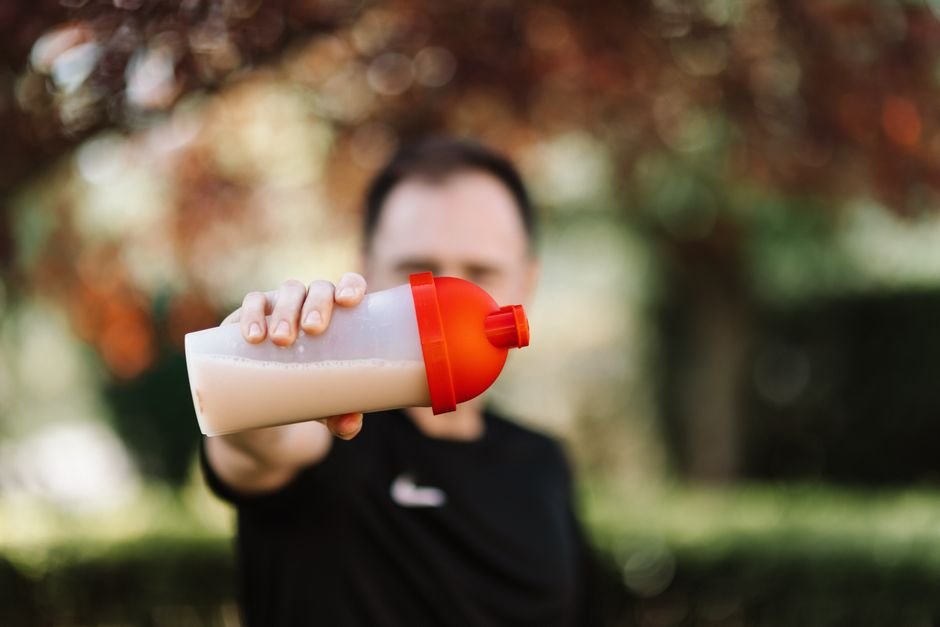
These ranges are not one-size-fits-all, but they give you a realistic starting point based on current evidence rather than gym folklore.

Etekcity Food Scale
0.1g accuracy — the perfect companion for exact portions.
Best Food Sources to Hit Your Daily Protein Target
Knowing your target number is only half the battle. You also need to know which foods will get you there efficiently. Some of the best high-protein options include:
- Chicken breast – around 31 g of protein per 100 g cooked, making it one of the most cost-effective sources available.
- Greek yoghurt (like Chobani or Fage) – approximately 10 g per 100 g, plus probiotics for gut health.
- Eggs – 6 g per large egg, highly bioavailable and affordable worldwide.
- Canned tuna or salmon – 25 to 30 g per 100 g, convenient and rich in omega-3 fatty acids.
- Lentils and chickpeas – around 9 g per 100 g cooked, ideal for plant-based eaters.
- Whey protein powder (brands like Optimum Nutrition Gold Standard) – typically 24 g per scoop, perfect for topping up on busy days.
Spreading your protein intake across three to four meals per day is more effective than eating it all in one sitting, as your body can only utilise around 20 to 40 grams per meal for muscle protein synthesis at a time.
Common Mistakes People Make When Tracking Protein
Even people who think they’re eating enough protein often fall short. Here are the most frequent errors:

- Guessing portion sizes instead of weighing food, which leads to underestimating intake by 20 to 30 percent according to research from the Journal of the Academy of Nutrition and Dietetics.
- Relying too heavily on one or two foods and missing out on a full amino acid profile.
- Forgetting to account for protein quality. Animal proteins are generally complete (containing all essential amino acids), while many plant sources are not.
- Not adjusting intake as body weight or activity level changes over time.
- Assuming protein supplements are only for bodybuilders, when they’re simply a convenient whole-food alternative for busy people.
Using a reliable nutrition tracking tool eliminates most of these guesswork issues and keeps your numbers accurate every single day.
Conclusion: Getting Your Protein Right Is Simpler Than You Think
Understanding how much protein per day you need does not require a degree in nutrition. The practical answer for most healthy adults is somewhere between 1.2 and 2.2 grams per kilogram of body weight, depending on your goals, activity level and diet type. Start at the lower end if you’re sedentary and scale up if you exercise regularly or are working to lose weight or build muscle.
Tracking your daily protein intake with a tool like NutrientsCalculator.com takes the guesswork completely out of the equation. Simply log your meals, and the calculator tells you exactly where you stand against your personal target. No complicated formulas, no conflicting advice, just clear numbers you can act on.
Once you know your target and start hitting it consistently, you’ll likely notice real differences in energy, appetite control, body composition and overall wellbeing. Protein is one of the most powerful levers in your nutrition, and now you know exactly how to use it.
Visit our Best Food Scales section for more resources on Nutrients Calculator.
