
If you’ve been trying to figure out how to use food scale macros accurately, the first thing you need to unlearn is the cup. Measuring cups are fine for cooking. They are genuinely terrible for tracking nutrition. A “cup of oats” can weigh anywhere from 80 grams to 130 grams depending on how you scoop it, and that 50-gram difference is roughly 190 calories and 6 grams of protein. Do that across three meals a day and your entire macro plan falls apart before dinner.
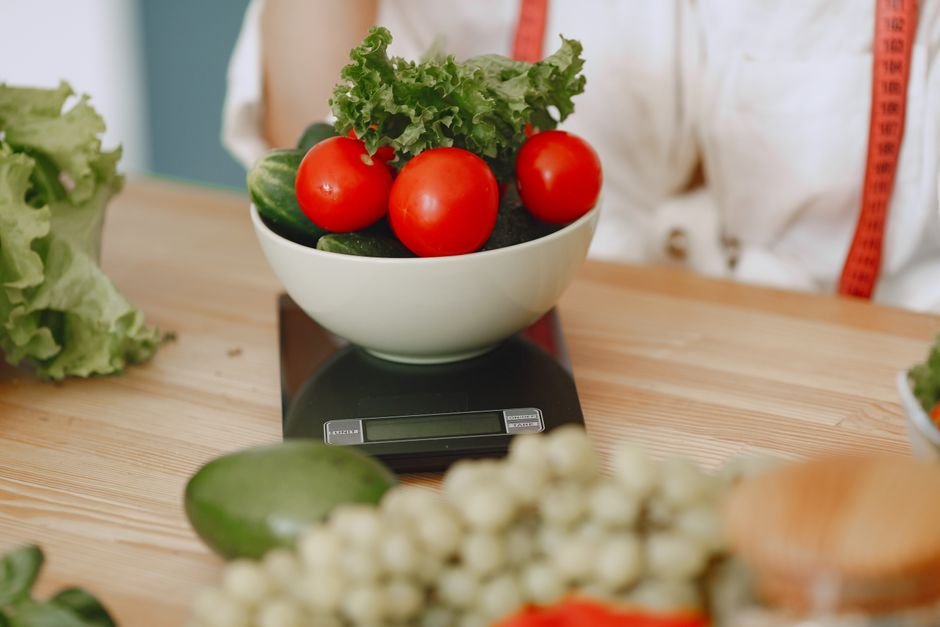
Most people who struggle to lose weight “despite tracking everything” are not lying. They are just measuring wrong. A food scale fixes that problem faster than any app feature or diet swap ever will.
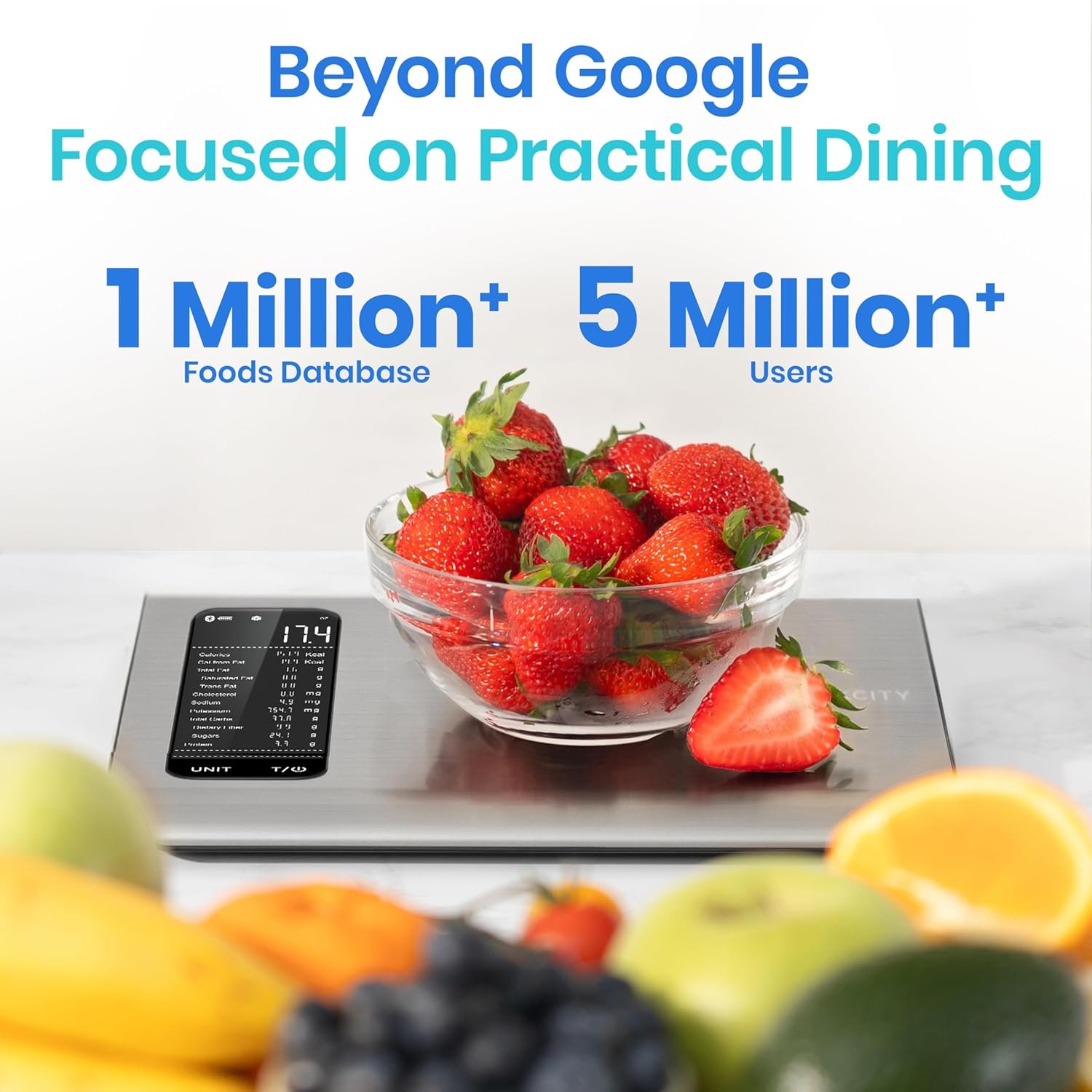
Etekcity Food Scale
0.1g accuracy — the perfect companion for exact portions.
Why Volumetric Measuring Fails for Macro Tracking
Here is the core issue: volume is not mass, and nutrition labels are written in mass. When a label says 28 grams of almonds contains 160 calories and 6 grams of protein, it means exactly 28 grams on a scale. It does not mean a small handful, a quarter cup, or “about 23 almonds.” Those estimates might land you at 22 grams or 38 grams. That gap compounds every single day.
Tablespoons are even worse with calorie-dense foods. Peanut butter measured by spoon is almost always underestimated. People tend to pack the spoon slightly, add a little extra scrape off the jar lid, and convince themselves it was level. Two tablespoons of peanut butter is supposed to be 32 grams, but most people pour closer to 40-45 grams when they eyeball it. That is an extra 50-70 calories every single time, which is not trivial if you eat it daily.
Liquids are the one category where volume measuring holds up reasonably well, since water-based liquids are close to 1 gram per milliliter. But the moment you are measuring olive oil, honey, or a protein shake with powder mixed in, you want the scale.
How to Use Food Scale Macros: The Actual Setup
Getting the technique right matters as much as owning the scale. Here is how to do it properly from the start.
Choosing a Scale That Does Not Work Against You
For home macro tracking, you do not need anything expensive. The OXO Good Grips food scale and the Etekcity EK6015 are both under $15-25 and accurate to 1 gram. What you actually need to look for is a minimum readout of 1 gram, a tare function, a platform large enough to hold a dinner plate, and a display that does not hide under the bowl you placed on it. That last one sounds minor until you are crouching sideways to read a number at 7am.
Avoid scales that only measure in 5-gram increments. For small-serving foods like oils, spices, and sweeteners, that rounding error is too significant.
Using the Tare Function Correctly
The tare button zeroes out the scale with whatever container is on it. This is how you weigh multiple ingredients into one bowl without doing arithmetic between each addition. Place the bowl, press tare, add your first ingredient, note the weight, press tare again, add the second ingredient, and so on. Each reading gives you only that ingredient’s weight. It sounds obvious, but a surprising number of people skip the tare between additions and then try to subtract in their head, which introduces errors constantly.
Weighing Before or After Cooking: It Matters More Than You Think
This is where the biggest misconception lives. Most people weigh cooked chicken and log it as cooked chicken. That is fine, as long as your food database entry is also for cooked chicken. The problem happens when someone weighs 200 grams of cooked chicken breast but logs a raw chicken entry in their app. Raw chicken is roughly 25% heavier than cooked chicken because of water loss. That same 200 grams cooked was closer to 267 grams raw. The macro numbers are genuinely different between the two entries, and using the wrong one throws off your protein tracking significantly.
My strong recommendation: weigh raw when possible, and always match your weight to the correct cooked or raw entry in your tracking app. When eating out or using a pre-cooked rotisserie chicken, specifically search for “cooked” or “roasted” versions of the item in your database.
Etekcity Food Scale
0.1g accuracy — the perfect companion for exact portions.
Common Mistakes That Undermine Your Food Scale Accuracy
Even people who own a scale make avoidable errors. Here are the ones worth knowing about directly.
- Not calibrating occasionally. Most digital scales drift slightly over time or after a drop. Many scales have a calibration mode. A 200-gram calibration weight costs about $5 and removes all doubt.
- Weighing on an uneven surface. A slight tilt changes the reading. Always use your scale on a flat, hard countertop, not a cutting board balanced on the edge of a sink.
- Including packaging weight. If you weigh a protein bar still in its wrapper and forget to tare, you are adding 5-8 grams of wrapper to your log. Always place packaging off the scale or tare with the packaging in place before adding the food.
- Logging the wrong database entry. A food scale is only as accurate as the data you match it to. Verify that the entry you select in MyFitnessPal or Cronometer has realistic macros. Community-submitted entries are often wrong. USDA-verified entries or brand-specific verified entries are far more reliable.
- Forgetting cooking oils and condiments. Tracking 180 grams of salmon and 250 grams of sweet potato but ignoring the tablespoon of olive oil you cooked them in means you are missing about 14 grams of fat and 120 calories. Small additions stack up significantly across a week.
Are you currently logging cooking oils? If you are not, there is a reasonable chance you have a hidden calorie gap of 200-400 calories per day sitting in your kitchen.
Building a Realistic Weighing Habit That Actually Sticks
Knowing how to use food scale macros effectively is one thing. Building a habit that you actually maintain across a normal week is another. The people who stick with it long-term are not more motivated than the people who quit. They just removed friction from the process.
Keep the scale on the counter, not in a drawer. If it takes 30 seconds to find and set up, you will skip it at 6:30pm when you are tired and hungry. Visible tools get used. Hidden tools collect dust.
Batch weigh when you meal prep. If you are portioning out five chicken breasts for the week, weigh each one individually and log them before putting them in containers. One deliberate session saves you from weighing and logging in five separate rushed moments during the week.
Accept that you will not weigh everything at restaurants or at social events. That is fine. The goal of learning how to use food scale macros properly at home is to build calibrated intuition. After a few months of consistent weighing, your visual estimates of common foods become genuinely accurate. The scale is training your eye, not replacing it forever.
If you are using an app like Cronometer, it lets you create custom meals for foods you eat regularly with verified weights. Set those up once and logging them later takes about ten seconds. That kind of system design is what separates people who track successfully for six months from people who burn out in three weeks.
Ultimately, accurate macro tracking comes down to one thing: matching real grams to real data. A food scale makes the first part easy. Choosing verified database entries handles the second. Get both right, and the numbers you log will actually reflect what you ate, which means the adjustments you make to your diet will actually work the way you expect them to.
For more helpful guides like this, explore our Best Food Scales section on Nutrients Calculator.
