
Tuna is one of the world’s most consumed fish, prized for its high protein content and versatility in everything from sushi to salads to sandwiches. Whether fresh, frozen, or canned, tuna is a staple protein source for athletes, fitness enthusiasts, and anyone pursuing muscle gain or weight loss. Its low calorie density relative to protein makes it especially popular in bodybuilding and calorie-controlled diets.
But how many calories are actually in tuna, and how does preparation method affect the total? This guide breaks down the complete nutritional profile of tuna across different forms, portion sizes, and cooking methods, so you can make informed choices about your intake.
Calories in Tuna (Quick Answer)
Tuna’s calorie content varies significantly based on whether it’s fresh, canned in water, or canned in oil.
- Fresh tuna (cooked, 3 oz / 85g): 99–118 calories
- Canned tuna in water (3 oz drained / 85g): 60–75 calories
- Canned tuna in oil (3 oz drained / 85g): 155–190 calories
Calorie counts vary by tuna species (albacore, yellowfin, skipjack), fat content, and whether oil is drained before consumption.
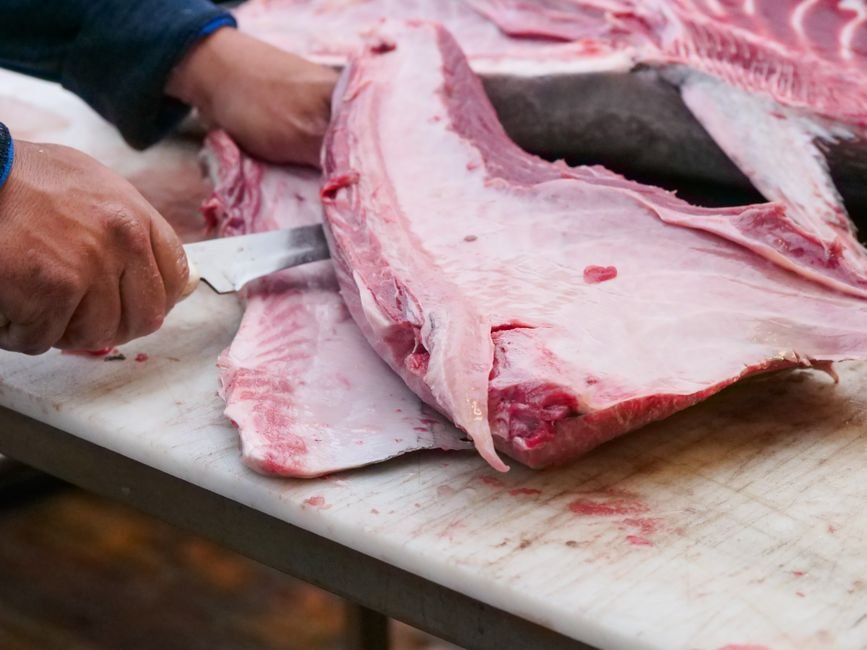
Full Nutrition Facts for 3 oz (85g) of Fresh Cooked Tuna
Here’s the complete breakdown of nutrients in a standard 3-ounce serving of fresh cooked tuna (yellowfin variety), which is the USDA reference serving size for fish.
| Nutrient | Amount | % Daily Value |
|---|---|---|
| Calories | 109 | — |
| Total Fat | 1.3 g | 2% |
| Saturated Fat | 0.3 g | 2% |
| Cholesterol | 42 mg | 14% |
| Sodium | 40 mg | 2% |
| Total Carbohydrate | 0 g | 0% |
| Dietary Fiber | 0 g | 0% |
| Total Sugars | 0 g | — |
| Protein | 23.3 g | 47% |
| Selenium | 90 mcg | 164% |
| Niacin (B3) | 10.2 mg | 64% |
| Vitamin B12 | 2.4 mcg | 40% |
*Percent Daily Values are based on a 2,000-calorie diet. Source: USDA FoodData Central.
Key insight: Fresh tuna delivers an exceptional protein-to-calorie ratio—23 grams of protein for just 109 calories makes it one of the leanest protein sources available. This combination is why it’s a favorite among people building muscle or losing weight. The minimal carbohydrate content and very low sodium make tuna ideal for those managing blood sugar or salt intake. The high selenium content (164% of daily value) supports thyroid function and antioxidant defense.
Etekcity Food Scale
0.1g accuracy — the perfect companion for exact portions.
Canned Tuna in Water vs. Canned Tuna in Oil
The most significant calorie difference in tuna comes from canning preparation. Water-packed tuna is leaner, while oil-packed tuna is higher in total fat and calories. Here’s how they compare.
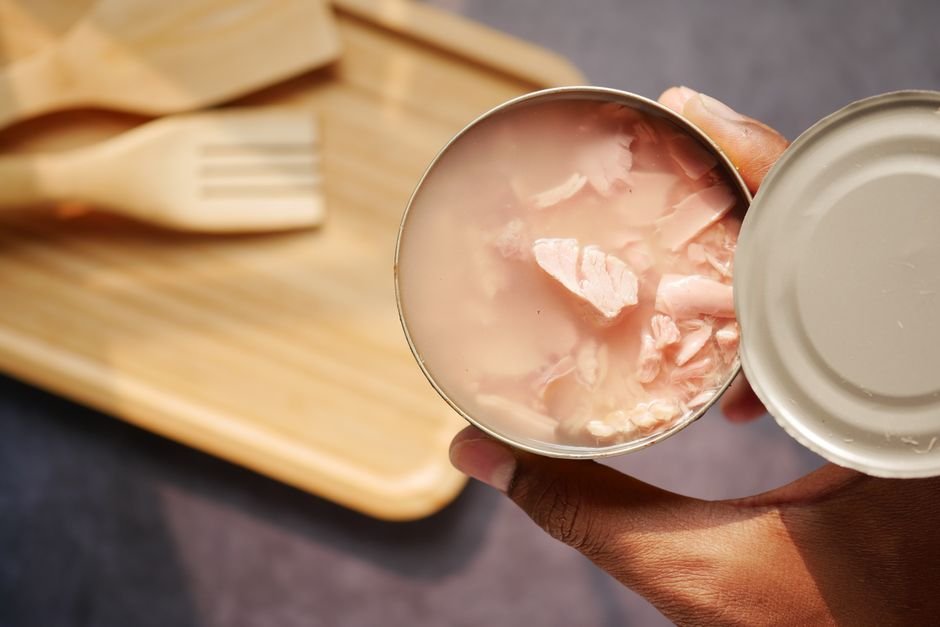
Canned Tuna in Water (3 oz drained)
- 60–75 calories per serving
- Less than 1 g of total fat
- Ideal for weight loss and low-fat diets
Canned Tuna in Oil (3 oz drained)
- 155–190 calories per serving
- 10–12 g of total fat (some from the added oil)
- More flavor but higher calorie density; better for those not counting calories strictly
Practical takeaway: If calories are your primary concern, choose water-packed tuna and drain thoroughly before eating. If you’re not restricting calories and want better flavor or added healthy fats, oil-packed tuna offers more satisfaction, though it triples the calorie content. Neither is inherently “bad”—the choice depends on your dietary goals.
Is Tuna Good for Weight Loss?
Yes, tuna is excellent for weight loss, especially when consumed fresh or canned in water. At 109 calories and 23g of protein per 3-ounce serving, tuna provides satiety with minimal calorie burden. The high protein content increases thermogenesis (calories burned during digestion) and helps preserve muscle during a calorie deficit. Tuna also contains almost no carbohydrates, making it compatible with low-carb and ketogenic approaches.
Tips to Eat Tuna Without Gaining Weight:
- Choose fresh tuna or canned in water, not oil, to cut calories by 50–70%
- Pair tuna with vegetables, leafy greens, or whole grains instead of mayo-heavy salads or fatty toppings
- Measure portions with a food scale to stay aware of total protein and calorie intake
- Limit added fats like mayo or oil-based dressings; use vinegar, lemon, or mustard instead
Tuna’s versatility makes it easy to incorporate into a weight-loss plan without monotony. A simple tuna salad with greens, cucumber, and a light vinaigrette is a classic, calorie-smart meal that keeps you full for hours.
How Portion Size Affects Calories
Tuna’s calorie count scales directly with portion size, so understanding servings is crucial for accurate tracking. The standard USDA serving is 3 ounces (85g), but many people eat significantly more in a single meal. Even doubling your portion doubles the calories—a seemingly minor adjustment that compounds over time.
Example:
- Small portion (3 oz fresh cooked tuna): 109 calories, 23g protein
- Large portion (6 oz fresh cooked tuna): 218 calories, 46g protein
For canned tuna in water, a small 3-ounce serving contains ~65 calories, while a full 5-ounce can (undrained weight) delivers approximately 150 calories. Always check the label and use a food scale for precision.
Best Way to Measure Tuna Accurately
Eyeballing tuna portions often leads to underestimation or overestimation of calories. Using a food scale is the gold standard for accuracy, but other methods work well in different contexts. For canned tuna, the net weight on the label (after draining) provides an exact reference, while fresh tuna requires a scale or comparison to standard units.
Options:
- Food scale (most accurate): Place a bowl on the scale, zero it, and measure tuna to your target weight (85g = one standard serving)
- Canned tuna label: Check the “servings per container” and drained weight; most cans contain roughly 2–2.5 servings of 3 ounces each
- Visual benchmark: A 3-ounce portion of cooked tuna is roughly the size of a deck of cards or your closed fist
Calculate Your Exact Calorie Intake
Knowing tuna’s calorie and protein content is only half the equation. To optimize your nutrition, you need to track how tuna fits into your total daily intake across all meals. This is where a comprehensive approach to monitoring becomes valuable.
Our free AI nutrients calculator helps you log tuna and other foods instantly, tracking calories, macronutrients, and key vitamins in real time. Instead of guessing or manually adding up numbers, you can use our calculator to see your exact nutrition targets and how tuna meals fit your goals.
- Instantly calculate calories and macros for any tuna serving size
- Track daily totals and compare them against your personalized targets
- Discover how preparation methods (fresh, canned in water, canned in oil) change your totals
Common Mistakes When Eating Tuna
Even with good intentions, small errors in tuna consumption can derail your nutrition goals. Here are the most frequent missteps people make.
❌ Not draining canned tuna properly. Many people forget that canned tuna in water or oil should be drained thoroughly—the liquid contains extra sodium and fat. A quick rinse under cold water after draining removes even more sodium (up to 30% reduction).
❌ Eating oil-packed tuna while counting calories. If you’re in a calorie deficit, choosing oil-packed tuna instead of water-packed adds 80–115 calories per serving—a significant difference if you eat tuna multiple times per week. This is the single biggest calorie mistake with canned tuna.
❌ Mixing tuna with high-calorie additions without tracking. Adding mayonnaise, cheese, or creamy dressings to tuna can easily double or triple the calorie content. A simple 3-ounce serving becomes a 400-calorie meal when paired with 2–3 tablespoons of mayo.
❌ Confusing fresh and canned tuna nutrition. Fresh tuna and canned tuna have different nutrient profiles (fresh has more B vitamins, canned may have added sodium from processing). Always check labels and adjust expectations based on form.
FAQ
How many calories are in 100g of tuna?
Fresh cooked tuna contains approximately 128 calories per 100g, while canned tuna in water is roughly 85 calories per 100g (drained). Canned tuna in oil is around 200+ calories per 100g depending on the amount of oil retained.
Is tuna fattening?
No, tuna is not fattening when prepared without added oils or heavy condiments. Fresh tuna and water-packed canned tuna are both lean proteins with minimal fat and no carbohydrates. The calories come almost entirely from protein, which supports satiety and muscle preservation during weight loss.
Does tuna contain omega-3 fatty acids?
Yes, tuna is a good source of omega-3 fatty acids, particularly EPA and DHA, which support heart health and reduce inflammation. A 3-ounce serving of fresh tuna provides approximately 200–300 mg of combined EPA and DHA.
How much mercury is in tuna, and is it safe to eat regularly?
Tuna does contain mercury, with larger species (albacore/white tuna) having higher levels than smaller species (skipjack/light tuna). The FDA recommends eating up to 2–3 servings per week for most adults, and canned light tuna is generally safer than albacore. Pregnant women should limit intake further and favor light canned tuna.
Conclusion
Tuna is one of the most nutrition-dense, calorie-efficient proteins available. At 109 calories and 23 grams of protein per 3-ounce serving of fresh cooked tuna, it delivers exceptional value for those managing weight, building muscle, or simply eating well. Its versatility—fresh, frozen, or canned—makes it accessible year-round and across different budgets. The key is choosing the right form (water-packed for strict calorie control, fresh for maximum micronutrients) and pairing it with whole foods rather than calorie-dense condiments.
To make the most of tuna in your diet, measure portions consistently and log your intake using a reliable method. Whether you’re tracking for weight loss, muscle gain, or general health awareness, understanding tuna’s nutrition facts gives you the foundation to make intentional choices. Use a comprehensive nutrients calculator to see exactly how tuna fits your daily targets and adjust portions accordingly.
