
Cranberries are a tart, nutrient-dense berry native to North America, popular during fall and winter months and frequently consumed as juice, dried snacks, or sauce. They’re a staple in holiday meals and increasingly sought after by health-conscious eaters interested in their antioxidant properties and urinary tract health benefits.
If you’re tracking calories or managing your diet, understanding the nutritional content of cranberries is essential. How many calories are in cranberries, and how does preparation method affect their nutritional value? This guide covers calorie counts, complete nutrition facts, and practical tips for incorporating cranberries into a balanced diet.
Calories in Cranberries (Quick Answer)
Cranberry calories vary significantly depending on whether they’re fresh, dried, or processed. Here are typical values:
- Fresh cranberries (raw, 1 cup / 100g): 46 calories
- Dried cranberries (sweetened, 1/4 cup / 40g): 138 calories
- Cranberry juice (unsweetened, 1 cup / 240ml): 46 calories
Values can vary by variety, ripeness, added sugars, and brand. Dried cranberries are typically sweetened and far more calorie-dense than fresh berries.
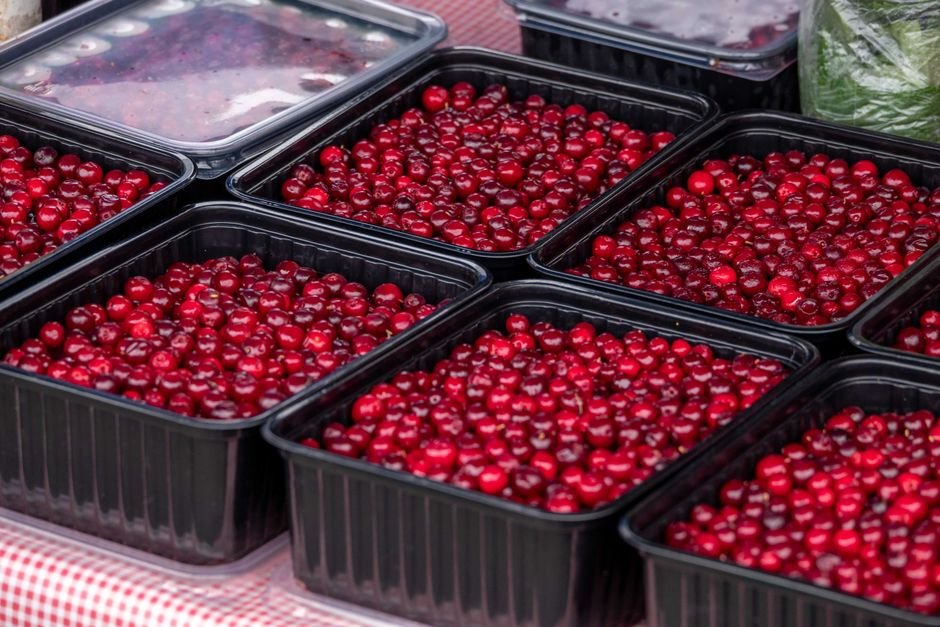
Full Nutrition Facts for 1 Cup (100g) of Fresh Cranberries
Fresh cranberries are low in calories and rich in fiber and vitamin C. Here’s the complete breakdown for a standard 100g serving (roughly 1 cup raw):
| Nutrient | Amount | % Daily Value |
|---|---|---|
| Calories | 46 | — |
| Total Fat | 0.3g | <1% |
| Saturated Fat | 0g | 0% |
| Cholesterol | 0mg | 0% |
| Sodium | 2mg | <1% |
| Total Carbohydrate | 12.2g | 4% |
| Dietary Fiber | 2.4g | 10% |
| Total Sugars | 4.0g | — |
| Protein | 0.4g | 1% |
| Vitamin C | 8.3mg | 14% |
| Vitamin K | 5.2µg | 4% |
| Manganese | 0.07mg | 3% |
*Percent Daily Values are based on a 2,000-calorie diet. Source: USDA FoodData Central.
Key insight: Fresh cranberries are exceptionally low in calories and naturally low in sugar compared to other berries, while delivering meaningful fiber and vitamin C. Their tartness comes from organic acids (citric and malic acid), not added sugar, making them an excellent choice for weight loss and blood sugar management when consumed fresh or unsweetened.
Etekcity Food Scale
0.1g accuracy — the perfect companion for exact portions.
Fresh Cranberries vs. Dried Cranberries
The calorie and sugar content of cranberries changes dramatically depending on processing. Fresh and dried versions serve different purposes in cooking and snacking.
Fresh Cranberries (Raw)
- 46 calories per 100g (very low calorie density)
- 4g natural sugar per 100g (tart, minimal sweetness)
- High water content (87%), which provides volume and satiety with minimal calories
Dried Cranberries (Sweetened)
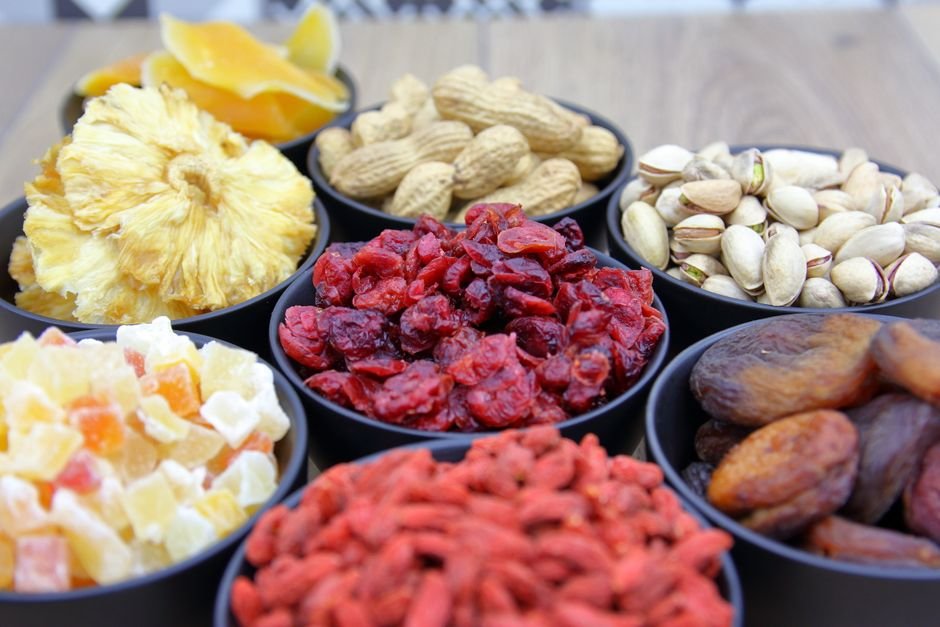
- 308 calories per 100g (more than 6× the fresh version)
- 61g sugar per 100g (heavily sweetened to mask tartness)
- Most of the water removed, concentrating sugars and calories into a small serving
Practical takeaway: If you’re managing calories or sugar intake, fresh cranberries are the clear winner—a full cup of fresh berries contains fewer calories than a small handful of dried cranberries. Dried cranberries are best reserved for occasional use or mixed into oatmeal or salads in small portions. Always check the ingredient list on dried cranberries; premium brands offer unsweetened or lightly sweetened versions with far fewer added sugars.
Is Cranberry Good for Weight Loss?
Fresh cranberries can support weight loss goals. At just 46 calories per cup and packed with fiber, they provide satiety with minimal caloric load. The high water content means you can eat a satisfying volume of cranberries without exceeding your calorie budget. Their tartness also makes them naturally lower in sugar than sweeter berries, helping stabilize blood sugar. However, cranberry juice and dried cranberries are calorie traps due to added sugars and concentrate effect—avoid those if weight loss is your priority.
Tips to Eat Cranberries Without Gaining Weight:
- Stick to fresh cranberries: Choose raw or lightly cooked versions. A full cup (100g) of fresh cranberries contains only 46 calories, making them nearly calorie-free for substantial snacking.
- Avoid sweetened products: Skip cranberry juice, dried cranberries, and cranberry sauce unless unsweetened. These forms add 200+ calories and 40+ grams of sugar per serving.
- Mix into meals strategically: Add fresh cranberries to salads, Greek yogurt, or oatmeal to boost flavor and fiber without significantly raising calorie count.
- Control dried cranberry portions: If using dried cranberries, measure carefully—a quarter cup adds 138 calories and 28g sugar, easily exceeding daily added-sugar limits in one portion.
When used wisely, fresh cranberries are a powerful weight-loss ally. Their combination of low calories, high fiber, and natural tartness makes them ideal for satiety without calorie surplus.
How Portion Size Affects Calories
Cranberry calories scale linearly with portion size, but the comparison between fresh and dried is striking. A small handful of fresh cranberries versus a small handful of dried cranberries will have completely different caloric impacts due to water removal during processing.
Example:
- Small portion (1/2 cup fresh cranberries): ~23 calories, 2g sugar
- Large portion (2 cups fresh cranberries): ~92 calories, 8g sugar
You could eat four large handfuls of fresh cranberries for the same caloric cost as a small handful of sweetened dried cranberries. This demonstrates why portion awareness matters far more for processed berry products than fresh ones.
Best Way to Measure Cranberries Accurately
Accurate measurement ensures you’re tracking calories correctly. Cranberries vary in size, and loosely packed berries contain more air than densely packed ones, affecting weight and calorie count. Using a kitchen scale or volume measurement consistently will give you reliable data for tracking.
Options:
- Kitchen scale (most accurate): Weigh cranberries in grams. 100g of fresh cranberries = 46 calories. This is the gold standard for precision tracking.
- Cup measurement: Use a dry measuring cup, leveled with a knife. One cup (about 100g) of fresh cranberries = approximately 46 calories.
- Visual estimation: A single cranberry weighs roughly 1g. A small handful is about 20g (9 calories), a medium handful 30g (14 calories). Use for rough tracking when a scale is unavailable.
Calculate Your Exact Calorie Intake
If cranberries are a regular part of your diet, tracking their contribution to your daily calorie and macronutrient totals is important for achieving your health goals. Small portions add up, especially if you’re consuming multiple servings or combining them with sweetened preparations.
Our free AI nutrients calculator makes it easy to log cranberries and other foods, automatically calculating calories, carbs, protein, fiber, and micronutrients in real time. Simply enter your portion size, and the calculator adjusts your daily totals instantly.
- Track multiple foods simultaneously: Log breakfast, lunch, dinner, and snacks without switching screens or manually adding nutrition data.
- Get macro and micronutrient breakdowns: See your daily totals for carbs, protein, fat, fiber, vitamins, and minerals at a glance.
- Adjust portions on the fly: Change serving sizes and watch your calorie and nutrient totals update automatically, helping you make informed choices.
Visit our free nutrients calculator to start tracking your cranberry intake and other foods in your diet today.
Common Mistakes When Eating Cranberries
Even a nutritious food can work against your goals when consumed incorrectly. Here are the most common mistakes people make with cranberries:
❌ Assuming all cranberry products are equally healthy. Cranberry juice and sauce often contain 10–15 grams of added sugar per serving, while fresh cranberries contain less than 4g natural sugar per cup. Always check the nutrition label.
❌ Eating dried cranberries without measuring. A quarter-cup serving of sweetened dried cranberries is 138 calories and 28g sugar—easy to exceed when snacking directly from the bag without portioning first.
❌ Drinking cranberry juice for urinary tract health without controlling sugar. While cranberries do offer urinary health benefits, commercial cranberry juice often contains as much sugar as soda. Use unsweetened juice and limit portions.
❌ Not accounting for cranberry-sweetened foods in your daily calorie count. Cranberry-flavored oatmeal, yogurt, granola, and baked goods often contain added cranberries and sweeteners on top of their base ingredients, pushing calories and sugar much higher than you’d expect.
Being mindful of preparation method, added sugars, and portion size will help you enjoy cranberries’ benefits without derailing your diet.
FAQ
How many calories are in 100g of cranberries?
Fresh raw cranberries contain 46 calories per 100g. This makes them one of the lowest-calorie berries available and suitable for unlimited consumption on calorie-restricted diets.
Is cranberry fattening?
Fresh cranberries are not fattening—they’re very low in calories and high in fiber. However, cranberry juice, dried cranberries, and cranberry sauce are calorie-dense and high in added sugars, making them potentially problematic for weight gain if consumed frequently.
Are cranberries good for urinary tract health?
Yes. Cranberries contain proanthocyanidins (PACs) that may help prevent bacteria from adhering to the urinary tract. Research suggests unsweetened cranberry juice or fresh cranberries offer the most benefit; sweetened products reduce efficacy due to added sugars potentially counteracting the effect.
Can I eat cranberries if I have diabetes?
Fresh cranberries are suitable for diabetes management due to their low glycemic index (GI ~46) and high fiber content. A cup of fresh cranberries contains only 4g natural sugar and 2.4g fiber. Avoid cranberry juice, sauce, and dried varieties, which can spike blood sugar.
Conclusion
Cranberries are a nutrient-dense, low-calorie berry that deserves a regular place in balanced diets. Fresh cranberries provide fiber, vitamin C, and beneficial antioxidants at just 46 calories per cup, making them an excellent choice for weight loss, blood sugar management, and overall health. Their tartness and high water content deliver satisfaction without caloric excess.
The key is choosing the right form: fresh beats dried, and unsweetened beats sugary preparations. By measuring portions accurately and understanding how preparation affects calorie content, you can fully leverage cranberries’ nutritional benefits. For comprehensive tracking of your daily intake, use a reliable nutrients calculator to monitor calories and macronutrients across all your foods.
