
Almond milk has become one of the most popular plant-based milk alternatives over the past decade, replacing dairy in the kitchens of people following vegan diets, managing lactose intolerance, or simply seeking lower-calorie beverage options. It’s widely available in grocery stores, coffee shops, and restaurants, making it an convenient choice for smoothies, cereals, baking, and hot drinks.
But when you’re tracking calories or watching your nutrition intake, almond milk’s calorie content varies significantly depending on whether it’s sweetened or unsweetened. This guide answers the core question: how many calories are in almond milk? We’ll break down the full nutrition facts, compare varieties, and show you how to make smarter choices when consuming this popular dairy alternative.
Calories in Almond Milk (Quick Answer)
Almond milk is remarkably low in calories compared to dairy milk, especially when unsweetened:
- Unsweetened almond milk: 30 calories per 8 oz (240 mL) cup
- Sweetened almond milk: 60–90 calories per 8 oz cup (varies by brand and added sugars)
- Vanilla-flavored almond milk: 50–80 calories per 8 oz cup
Exact calorie counts vary by brand, added ingredients, and thickeners, so checking the nutrition label on your specific product is always recommended.
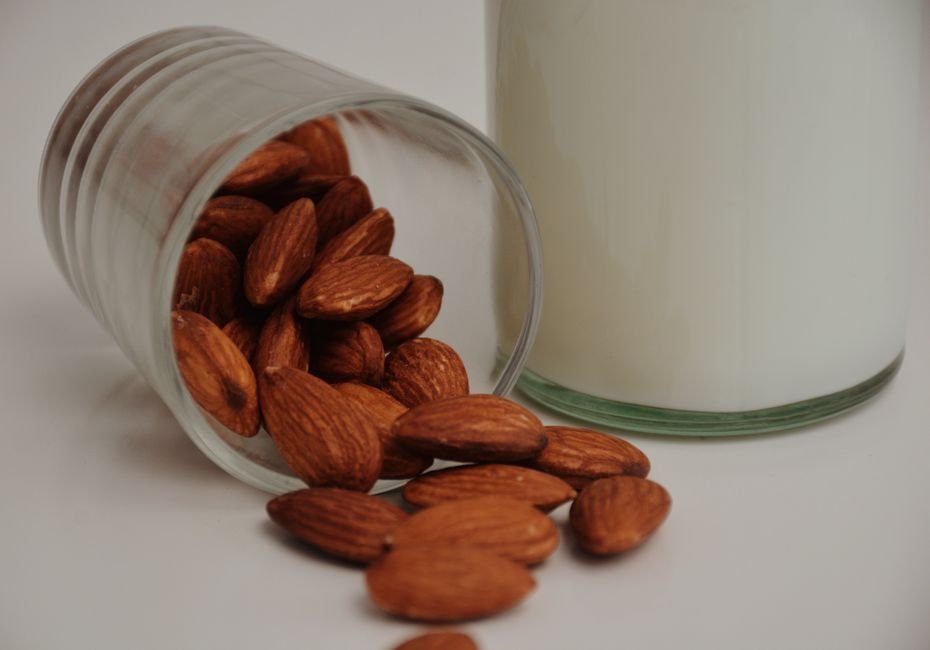
Full Nutrition Facts for 1 Cup (240 mL) of Unsweetened Almond Milk
Below is the complete breakdown of nutrients in one 8-ounce serving of unsweetened almond milk, the most common variety used by health-conscious consumers:
| Nutrient | Amount | % Daily Value* |
|---|---|---|
| Calories | 30 | — |
| Total Fat | 2.5 g | 3% |
| Saturated Fat | 0.2 g | 1% |
| Cholesterol | 0 mg | 0% |
| Sodium | 170 mg | 7% |
| Total Carbohydrate | 1 g | <1% |
| Dietary Fiber | 0 g | 0% |
| Total Sugars | 0 g | 0% |
| Protein | 1 g | 2% |
| Vitamin E (Alpha Tocopherol) | 7.3 mg | 49% |
| Calcium | 450 mg | 35% |
| Iron | 0.6 mg | 3% |
*Percent Daily Values are based on a 2,000-calorie diet. Source: USDA FoodData Central.
Key insight: Unsweetened almond milk is extremely low in protein (just 1 g per cup), which is significantly lower than dairy milk (8 g per cup) or even soy milk (3.5 g per cup). This makes almond milk better suited for hydration and cooking than as a primary protein source. However, it shines in vitamin E content, providing nearly half the daily value in a single serving, making it excellent for antioxidant support.

Etekcity Food Scale
0.1g accuracy — the perfect companion for exact portions.
Unsweetened vs. Sweetened Almond Milk
The primary nutritional difference between unsweetened and sweetened almond milk lies in added sugars and total calories. Understanding this comparison is crucial for anyone managing blood sugar, following a low-carb diet, or simply trying to avoid excess sugar intake.
Unsweetened Almond Milk (Per 8 oz)
- 30 calories with virtually no added sugar (0 g total sugars)
- 1 g carbohydrate, making it keto-friendly and ideal for low-carb diets
- 170 mg sodium, which is higher than you might expect due to salt added for flavor preservation
Sweetened Almond Milk (Per 8 oz)
- 60–90 calories depending on brand, with 5–12 g of added sugars per serving
- 7–13 g total carbohydrates, which can affect blood sugar and insulin response
- Better taste appeal for drinking plain or in coffee, but less suitable for weight management or diabetes control
Practical takeaway: For coffee, smoothie bowls, or cooking savory dishes, unsweetened almond milk delivers the same creamy texture and richness with a fraction of the sugar. Sweetened varieties work better if you’re adding almond milk to desserts or need a sweeter flavor for plain drinking, but the extra 50–60 calories and 5–12 g of sugar per cup add up quickly over a week. Read the label carefully—some brands use stevia or sugar alcohols instead of sugar, which can help reduce calories and blood sugar impact.

Is Almond Milk Good for Weight Loss?
Yes, almond milk can be an excellent choice for weight loss, particularly the unsweetened variety. At just 30 calories per cup with virtually no sugar, it’s one of the lowest-calorie milk options available. Replacing dairy milk (149 calories, 12 g sugar per cup) or sweetened almond milk with unsweetened almond milk can save 100+ calories daily. However, almond milk contains minimal protein (1 g per cup), so it won’t keep you as satiated as higher-protein alternatives. To maximize weight loss benefits, pair unsweetened almond milk with protein-rich foods or protein-fortified almond milk varieties.
Tips to Eat Almond Milk Without Gaining Weight:
- Always choose unsweetened varieties when possible—they contain 50–60 fewer calories and up to 12 g less sugar per cup than sweetened options
- Check the ingredient list for added gums, oils, and thickeners that can increase calorie density in some premium brands; store-brand unsweetened is usually simpler
- Use measured portions in your coffee or cereal (8 oz) rather than pouring freely, as calories add up quickly when consumed throughout the day
- Pair almond milk with high-protein foods like Greek yogurt, eggs, or protein powder to create satiety and prevent overeating later
Almond milk’s low-calorie profile makes it a smart swap for weight loss, but it works best as part of a balanced diet rather than a standalone nutrition strategy.
How Portion Size Affects Calories
Portion size is the most direct factor affecting the calorie content of almond milk. While 8 oz (1 cup) is the standard serving size listed on nutrition labels, most people consume almond milk in varying amounts depending on the use. Understanding how portions scale helps you stay within your daily calorie goals without guessing.
Example:
- Small portion (4 oz, 120 mL): 15 calories in your morning coffee
- Large portion (16 oz, 473 mL): 60 calories in a smoothie or cereal bowl with extra milk
A practical rule: unsweetened almond milk contains approximately 4 calories per ounce, so you can multiply your portion size to estimate calories quickly.
Best Way to Measure Almond Milk Accurately
Precise measurement is important if you’re tracking calories closely or using almond milk in recipes where the ratio of liquid to other ingredients matters. Pouring “eyeball” amounts or using bowls as serving vessels introduces significant margin for error, especially when consumed multiple times daily. The difference between 8 oz and 12 oz three times a day amounts to an extra 60 calories—meaningful over a week.
Options:
- Measuring cups: Most convenient for cooking and pouring directly into your drink or bowl; use a liquid measuring cup marked in ounces for accuracy
- Kitchen scale: Most precise method; almond milk weighs approximately 1 g per mL, so 240 g = 8 oz (240 mL)
- Marked serving size on the carton: Some cartons include a fill line at the 1-cup mark, though this is less reliable than measuring cups for repeated use
Calculate Your Exact Calorie Intake
If you drink almond milk daily—whether in coffee, smoothies, or as part of multiple meals—tracking its contribution to your total calorie intake becomes important for weight management or fitness goals. The question isn’t just how many calories are in one serving, but how much you consume across your entire day and week.
Our site offers a free AI-powered nutrients calculator that lets you log your exact almond milk consumption and automatically tracks calories, carbs, protein, and micronutrients across your daily diet. Instead of doing manual math for each serving, you can quickly see how your almond milk choices fit into your overall nutrition plan.
- Instantly see calorie contribution from different almond milk varieties and portions
- Track macronutrient ratios to ensure almond milk isn’t replacing protein-rich options
- Compare sweetened vs. unsweetened at a glance to visualize the sugar impact of each choice
Try the free nutrients calculator here.
Common Mistakes When Eating Almond Milk
Even though almond milk is low in calories, common consumption habits can sabotage weight loss and nutrition goals. Here are the most frequent mistakes people make:
❌ Choosing sweetened almond milk by default and ignoring the 10+ g of added sugar per cup, which is equivalent to 2.5 teaspoons of table sugar per serving
❌ Relying solely on almond milk as your primary beverage while neglecting its minimal protein content (1 g per cup), leading to hunger and cravings shortly after consumption
❌ Pouring almond milk without measuring, resulting in 12–16 oz servings that contain 40–60 calories instead of the labeled 30 calories per 8 oz
❌ Assuming all unsweetened almond milk is identical, when some brands include up to 600 mg sodium or additional gums and oils that add calories and processing
Awareness of these pitfalls helps you make intentional choices rather than defaulting to convenience options.
FAQ
How many calories are in 100g of almond milk?
Almond milk weighs approximately 1 g per mL (240 g per 8 oz cup). Therefore, 100g of unsweetened almond milk contains approximately 12–13 calories. This assumes a density similar to water, though some premium brands with added oils may be slightly higher.
Is almond milk fattening?
No, unsweetened almond milk is not fattening. At 30 calories per cup with minimal fat (2.5 g) and no added sugar, it’s one of the least calorie-dense beverages available. Sweetened varieties are more calorically dense due to added sugars, but even these are lower in calories than dairy milk or fruit juices. Weight gain results from overall calorie excess, not from almond milk specifically.
Does almond milk have more calories than other plant-based milks?
No, unsweetened almond milk is actually one of the lowest-calorie plant-based milks. Soy milk contains 80–90 calories per cup, oat milk contains 120–150 calories, and coconut milk can exceed 200 calories. Unsweetened almond milk’s 30 calories per cup makes it the most calorie-efficient option for those prioritizing low-calorie consumption.
Should I drink unsweetened or sweetened almond milk?
Choose unsweetened if you’re managing weight, blood sugar, or following a low-carb diet. Its 30 calories, 0g sugar, and 1g carbs per serving support these goals. Choose sweetened only if you’re drinking it plain and prefer the taste, or if you’re using it specifically to add sweetness to a recipe—but consider the calorie and sugar addition carefully before making it a daily habit.
Conclusion
Almond milk is an excellent low-calorie milk alternative, with unsweetened varieties containing just 30 calories and virtually no sugar per 8 oz serving. It’s naturally free of cholesterol, rich in vitamin E, and fortified with calcium in most commercial brands, making it suitable for vegans, people with lactose intolerance, and anyone seeking a lower-calorie dairy replacement. The main nutritional limitation is its minimal protein content (1 g per cup), which means it’s best paired with other protein sources to support satiety and muscle maintenance.
To make the most of almond milk, choose unsweetened varieties when possible, measure portions carefully rather than eyeballing, and avoid brands loaded with added sugars or unnecessary thickeners. Whether you’re using it for coffee, smoothies, or cooking, tracking its contribution to your daily calorie intake ensures it supports your nutrition goals. Use a **reliable nutrients calculator to log your intake** and see exactly how almond milk fits into your overall diet.
