
Can you eat cheese and still lose weight on a 1500 calorie diet? The answer is yes—but only if you eat it intentionally. Cheese is calorie-dense and packed with fat, making it easy to blow through your daily budget in two small handfuls. Yet it also provides protein, calcium, and satiety that can actually support weight loss when portion-controlled. The real question isn’t whether cheese belongs in a deficit, but which types fit, how much you can afford, and what you’re replacing it with.
This article compares eating cheese strategically within a 1500-calorie diet against cutting it entirely, and shows you how to make that choice based on your actual goal: steady fat loss with sustainable eating, not white-knuckle deprivation. You’ll learn the calorie and nutrition breakdown of common cheeses, the portion hacks that let you keep cheese in your life, and the mistakes that tank the diet before it starts.
Can You Eat Cheese and Still Lose Weight on a 1500 Calorie Diet: Quick Answer
Yes. A 1-ounce serving of most hard cheeses runs 100–120 calories and delivers 7–8g of protein, making it viable within a 1500-calorie budget if you account for it. The catch: many people underestimate serving size (a slice is typically 1 oz, not 2–3), and soft cheeses like brie or cream cheese pack more calories in smaller portions. If you eat cheese daily without measuring, you’ll sabotage your diet; if you count it and choose leaner options, cheese becomes a tool, not an obstacle.
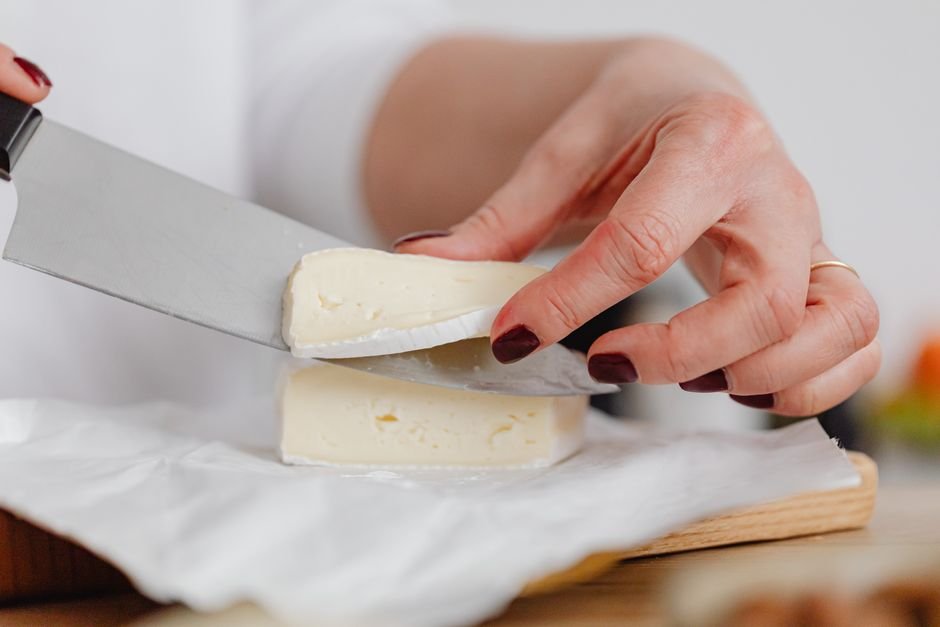
Cheese on a 1500 Calorie Diet vs. Cutting Cheese Entirely
Cheese on a 1500 Calorie Diet
- Calories (1 oz / 28g): 100–120 for hard varieties (cheddar, Swiss), 80–100 for lighter options (part-skim mozzarella)
- Protein: 7–8g per ounce—significant enough to help preserve muscle and boost satiety
- Fat: 8–9g per ounce, mostly saturated; contributes to fullness and nutrient absorption
- Calcium: 200–220mg per ounce; supports metabolism and bone health during weight loss
Weight Loss Without Cheese
- Calories saved: 100–120 per ounce, freeing up room for vegetables, protein, or grains
- Protein sources: Replaced by eggs, poultry, legumes, or Greek yogurt at similar or better efficiency
- Satiety trade-off: Without cheese’s fat content, you may need more food volume to feel full
- Sustainability: For many, avoiding a favorite food entirely leads to cravings and diet abandonment
| Metric | Cheese (1 oz) | No Cheese (equivalent protein) |
|---|---|---|
| Calories | 110 avg. | 80–100 (chicken or egg white) |
| Protein (g) | 7–8 | 7–8 |
| Fat (g) | 8–9 | 1–3 |
| Calcium (mg) | 200–220 | 20–50 (unless fortified) |
| Satiety (subjective) | High due to fat | Lower unless paired with fiber |
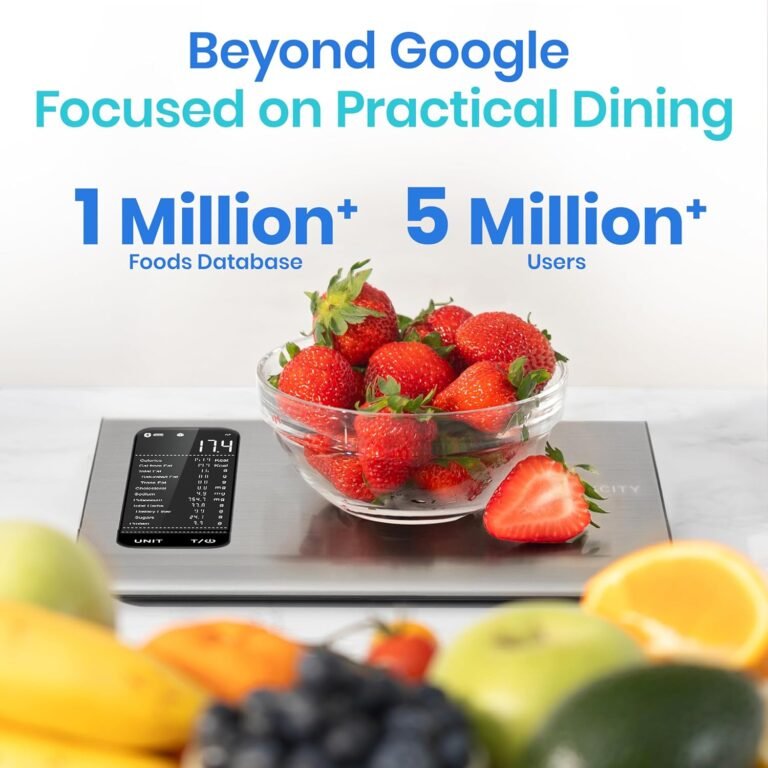
Etekcity Food Scale
0.1g accuracy — the perfect companion for exact portions.
Which Is Better for Sustainable Weight Loss on 1500 Calories?
Eating cheese on a 1500-calorie diet beats cutting it entirely, provided you measure portions and choose varieties wisely. Cheese delivers protein, calcium, and genuine satisfaction in a small amount of food—psychological factors that matter enormously for diet adherence. One ounce of hard cheese (roughly one slice or 1 tablespoon grated) costs only 110 calories and hits your protein target while making a meal feel indulgent. That feeling of not being deprived is often what separates a diet someone sticks to for months from one they abandon after two weeks.
The exception: if cheese is your primary problem food—meaning you cannot stop at one ounce and consistently eat it mindlessly—then temporary removal may be necessary to reset your relationship with it. This is rare for cheese specifically (unlike chips or sweets) because its saltiness and fat satiate reasonably well. In that case, re-introduce it after a month of consistent dieting when your hunger signals stabilize and portion control becomes easier.
Why the Numbers Don’t Tell the Whole Story
Textbook nutrition databases list cheddar at 113 calories per ounce, but your actual intake varies dramatically by how you buy and serve it. A deli slice of American cheese weighs ~0.6 oz and lands at 65 calories; a thick-cut wedge from a block can be 1.5 oz and 165 calories. Grated cheese is notoriously under-portioned by eye—a handful looks modest but often weighs 1.5–2 oz. String cheese is pre-portioned at 80 calories, making it a cheat code for portion control. Soft cheeses like cream cheese pack 100 calories into just 2 tablespoons, while ricotta at the same volume is 60 calories. See USDA FoodData Central for exact figures on the specific brand and cut you’re buying.
Your calorie allowance for cheese also depends on your other choices. If you’re eating 5 ounces of chicken breast (250 calories) and a cup of rice (200 calories), one ounce of cheese is seamless. If your main protein is Greek yogurt (130 cal/cup) and vegetables, you have more room. The diet doesn’t fail because of cheese; it fails because people add cheese to an already-full plate instead of trading it for something else. A 1500-calorie diet means trade-offs, not additions.
Use a reliable nutrients calculator to measure your exact portion and track it consistently. Our free AI-powered nutrients calculator lets you:
- Input your specific cheese type and weight to get exact calories and macros instantly
- Compare swap options (e.g., “if I use mozzarella instead of cheddar, do I save calories?”) in real time
- Build a meal and see how cheese fits without guessing or overestimating
Common Mistakes
Here are the four mistakes that derail people trying to include cheese in a 1500-calorie diet:
❌ Eyeballing portions instead of weighing. A “small handful” of grated cheese is rarely one ounce; it’s usually 1.5–2 oz and 150–220 calories. A food scale costs $10 and eliminates this error.
❌ Choosing soft cheeses (brie, cream cheese, fresh mozzarella) thinking they’re “lighter” because they feel airy. Brie is 95 calories per ounce—nearly identical to cheddar—and the portions balloon because the texture tempts you to use more.
❌ Not counting cheese in your calorie total because it’s “just a little” or a topping. Cheese gets added to salads, pasta, eggs, and sandwiches, and each addition stacks. By dinner, you’ve eaten 3–4 ounces (330–440 calories) without conscious tracking.
❌ Assuming low-fat cheese is the answer. Many reduced-fat cheeses cut calories by only 10–20 (e.g., 2% milk cheddar is 90 cal/oz vs. 113 for full-fat) and sacrifice flavor, leading to larger portions to feel satisfied.
The fix: weigh your cheese, pick flavors you genuinely like so you don’t need huge portions, and log it the same way you log everything else.
FAQ
How much cheese can I eat per day on a 1500-calorie diet?
Typically 1.5–2 ounces (150–220 calories) per day, assuming your remaining 1300 calories are split between protein, vegetables, and grains. Some days you might go to 3 ounces if you skip another calorie source; some days zero if you use that budget for a different food. The number matters less than staying within your 1500 total.
Is string cheese or sliced cheese better for weight loss?
String cheese has a slight edge because it comes pre-portioned at 80 calories per stick, removing the guesswork. Sliced cheese from a package is roughly the same (1 slice ≈ 80–110 cal depending on thickness), but only if you count how many slices you eat. Fresh-sliced deli cheese varies wildly by thickness and weight, making it harder to track accurately.
Can I eat cheese every day on a 1500-calorie diet?
Yes, as long as you account for it daily and keep your portion consistent. Eating 1 ounce of cheese every single day for 110 calories is sustainable and straightforward. Eating “some cheese whenever” without measuring is the problem that stalls weight loss.
What’s the best type of cheese for weight loss?
Part-skim mozzarella and Swiss cheese are often cheapest in calories (~100 cal/oz) while still delivering flavor and protein. Parmesan is extremely calorie-dense (110 cal/oz) but so flavorful that 1 tablespoon grated (7 cal) satisfies completely. Choose by taste and tracking ease, not by hunting for a “diet cheese” that doesn’t exist.
Conclusion
Yes, you can eat cheese and still lose weight on a 1500-calorie diet. Cheese provides protein, calcium, and satiety that support both the math and the psychology of sustained weight loss. One to two ounces per day fits comfortably within the budget if you measure portions and choose varieties strategically. The diet doesn’t fail because you ate cheese; it fails because people don’t count it or underestimate how much they’re eating.
Your success depends on treating cheese like every other calorie source: measuring it, logging it, and accepting that a 1500-calorie budget means trading off, not adding on top. If you’re unsure whether your portion is 1 ounce or 1.5 ounces, use a reliable nutrients calculator to settle it in real time and build confidence in your portions. Consistency beats perfection, and a diet that includes your favorite food is one you’ll actually stick to.
