
Many people wonder, is cheese healthy for weight loss? If you love cheese, the question isn’t whether you have to quit it forever—it’s whether you can fit it into your daily calorie and macro goals without sabotaging progress. Most people either cut cheese entirely out of guilt, or eat as much as they want and wonder why the scale won’t move. Neither approach is necessary.
This article cuts through the confusion: yes, cheese can be part of a weight loss diet, but the amount matters enormously. You’ll learn the exact daily limit that works for most people, how different cheeses compare, and how to measure your actual intake so you’re not guessing. The verdict is simple: 1–2 ounces of cheese per day fits cleanly into a weight loss plan; beyond that, you’re burning calories you could spend on more filling foods.
Quick Answer
You can eat cheese while losing weight, but stick to 1–2 ounces (28–56 grams) per day. That’s roughly one slice of cheddar or a small handful of shredded cheese. This amount stays within a reasonable calorie budget (100–220 calories) and provides protein and calcium without crowding out more satiating foods like vegetables and lean meat. The caveat: if you eat low-fat cheese or need to stay in a very tight calorie deficit (under 1,500 calories daily), you may need to drop to closer to 1 ounce, or choose lower-calorie varieties like part-skim mozzarella.
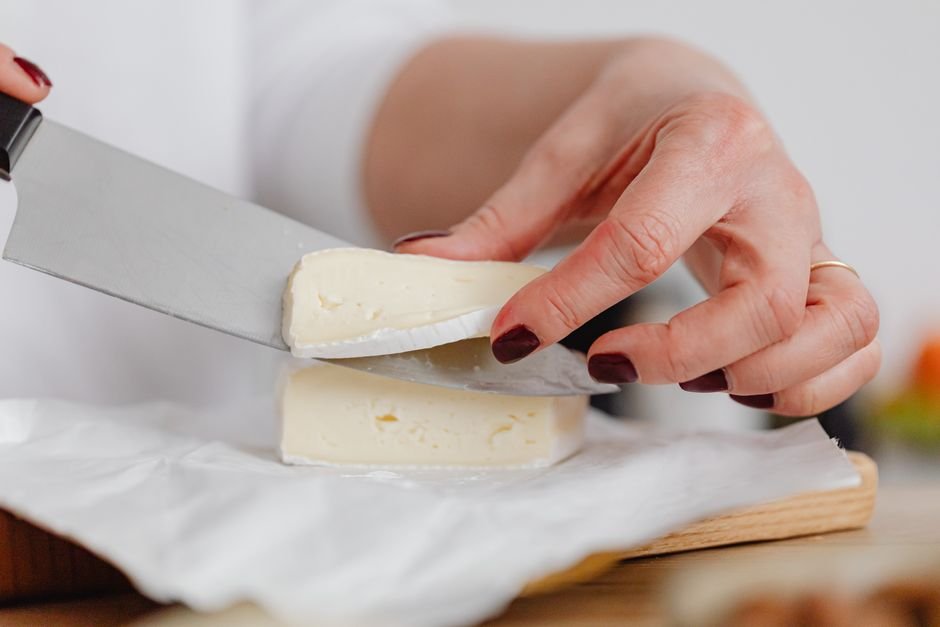
Cheese Comparison: Full-Fat Cheddar vs. Part-Skim Mozzarella
Full-Fat Cheddar (1 ounce / 28 grams)
- Calories: 115
- Protein: 7 grams
- Fat: 9.4 grams
- Calcium: 200 mg (20% of daily value)
Part-Skim Mozzarella (1 ounce / 28 grams)
- Calories: 80
- Protein: 7 grams
- Fat: 6.1 grams
- Calcium: 183 mg (18% of daily value)
| Metric | Full-Fat Cheddar (1 oz) | Part-Skim Mozzarella (1 oz) |
|---|---|---|
| Calories | 115 | 80 |
| Protein | 7 g | 7 g |
| Total Fat | 9.4 g | 6.1 g |
| Saturated Fat | 5.9 g | 3.7 g |
| Calcium | 200 mg | 183 mg |
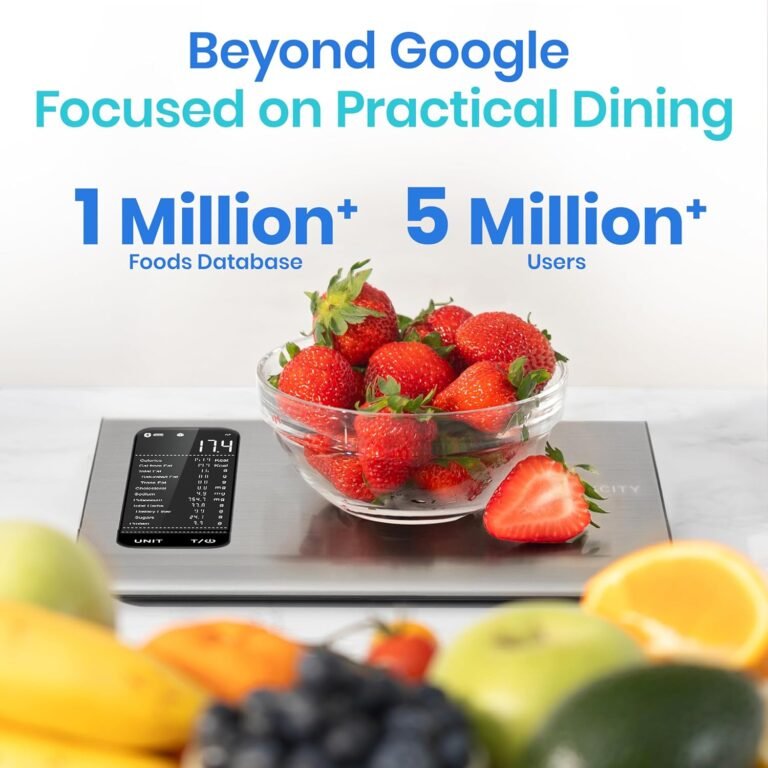
Etekcity Food Scale
0.1g accuracy — the perfect companion for exact portions.
Which Is Better for Weight Loss: Full-Fat or Part-Skim Cheese?
Part-skim mozzarella wins for weight loss, hands down. At 80 calories per ounce versus 115 for full-fat cheddar, it gives you the same protein and nearly the same calcium but with 35 fewer calories—which over a week adds up to 245 calories, roughly equivalent to a pound of fat loss annually if that’s your only change. The protein content is identical in both, so you’re not sacrificing satiety. If you stick to your 1–2 ounce daily limit, part-skim cheese lets you eat the full 2 ounces without feeling guilty, or swap one of those ounces for another food you crave more.
That said, full-fat cheddar isn’t forbidden. If you prefer the flavor and only eat 1 ounce daily, you’re looking at 115 calories, which fits easily into most weight loss diets. The real mistake is treating cheese as “free” because it has protein. One extra ounce per day becomes 800 extra calories per month—enough to stall or erase a pound of progress. The choice comes down to your preferences and how tightly your deficit is structured. For maximum flexibility, choose part-skim; for taste priority, stick with full-fat but measure ruthlessly.
Why the Numbers Don’t Tell the Whole Story
A nutrition label assumes a 1-ounce serving, but real life rarely cooperates. A “slice” of cheddar from a deli counter might be 1.5 ounces. Shredded cheese packs differently than a block, so eyeballing a handful is often 1.5–2 ounces without you realizing it. Restaurant omelets get 2–3 ounces hidden inside. Pre-packaged string cheese varies from 24 to 28 grams per stick depending on the brand. And artisanal cheeses like gruyère or brie run 120–130 calories per ounce, making your mental math dangerously wrong if you’re comparing it to standard cheddar.
The real culprit is that cheese is delicious and easy to eat past satiety. Unlike vegetables, which physically fill your stomach, cheese adds calories with very little volume. You can eat 2 ounces of cheese in 30 seconds, but 2 cups of broccoli takes 10 minutes and fills you far longer. This is why the practical daily limit exists: not because 1–2 ounces is magic, but because it’s the amount that fits into a 1,500–2,000 calorie diet without displacing more filling foods.
To know the exact amount in front of you, use our free AI nutrients calculator at https://nutrientscalculator.com/. Upload a photo of your cheese serving, and it will tell you the calories, protein, and calcium instantly. This takes the guesswork out of portion control and prevents the slow creep of “just a little extra” each day.
- Get precise calories for your exact cheese brand and portion size
- Compare cheese to other protein sources in real-time
- Track weekly intake to spot when portions are drifting upward
Common Mistakes
Most people unknowingly sabotage their cheese portions with these four errors:
❌ Assuming fat-free cheese is a safe choice. Fat-free cheddar actually has more calories than full-fat (90 per ounce) because it’s packed with additives and carbs to replace the flavor lost from removing fat. It’s also gritty and unsatisfying, so you’ll eat more of it.
❌ Forgetting that “a handful” is never one ounce. A typical closed fist of shredded cheese is 60–80 grams, not 28. Pouring cheese directly onto food (pizza, pasta, nachos) makes it almost impossible to track, and you’ll be 100–150 calories over before you notice.
❌ Mixing cheese with calorie-dense sides. A 1-ounce serving of cheese makes sense on a salad with vinaigrette, but it becomes reckless on a white-bread sandwich with mayo, or melted into a creamy pasta sauce. The cheese itself wasn’t the problem; the context was.
❌ Eating cheese when you’re not actually hungry. Cheese is so palatably rewarding that many people eat it out of habit or boredom, not hunger. If you’re eating cheese at the end of a full meal or as a snack when you’re not hungry, those calories are pure surplus and will stall your weight loss.
FAQ
Can I eat more cheese if I exercise more?
Technically yes, but it’s a weak trade-off. Most people overestimate how many calories they burn exercising (a 30-minute run is roughly 300–400 calories), and adding cheese tempts you to “reward” yourself for the workout. It’s safer to keep your cheese limit steady at 1–2 ounces daily and let exercise create additional deficit, rather than trying to eat more cheese to offset it.
Is string cheese a good option for weight loss?
Yes, string cheese is one of the best options because it’s pre-portioned and hard to overeat. A standard stick is typically 28 grams (80–100 calories depending on brand), making it impossible to accidentally eat 3 ounces. Pair it with a piece of fruit or a handful of almonds, and you have a balanced snack that keeps you full.
What about Greek yogurt—can I eat more of that instead?
Greek yogurt is better for weight loss than cheese: plain, nonfat Greek yogurt has 17 calories per ounce versus 80–115 for cheese, and similar protein. If you like cheese specifically, stick with your 1–2 ounce limit. If you’re willing to swap, Greek yogurt gives you much more volume and satiety for the same calories.
Does the type of cheese matter, or just the total weight?
The total weight matters most, but type makes a 20–40 calorie difference per ounce. Soft cheeses like brie or camembert run 95–100 calories per ounce; hard cheeses like gruyère run 120–130. If you’re eating hard cheese regularly, knock your serving down to 0.75 ounces to stay in the same calorie zone as a full ounce of softer varieties.
is cheese healthy for weight loss?
Yes, you can eat cheese while losing weight, but stick to 1–2 ounces (28–56 grams) per day.
Conclusion
Cheese is healthy for weight loss in one and only one context: measured portions of 1–2 ounces daily, preferably part-skim varieties, eaten as part of a meal rather than as an open-ended snack. It provides protein and calcium, satisfies cravings, and doesn’t require you to sacrifice flavor entirely. Beyond that limit, it becomes a calorie liability that doesn’t deliver the satiety of whole foods like vegetables, lean protein, or whole grains.
The hard part isn’t the rule—it’s the measurement. Most people dramatically underestimate their cheese intake by 50–100%. To ensure you’re actually eating what you think you are, use a **food scale or a reliable nutrients calculator** to track your portion for a week. Once you know what 1 ounce actually looks like in your preferred cheese and favorite meal context, you can maintain it intuitively. Until then, measure.
