
Green beans are a staple vegetable in cuisines worldwide, from Asian stir-fries to classic American casseroles. They’re a favorite among people managing their weight, controlling blood sugar, and building balanced meals because they’re low in calories but high in nutrients.
But if you’re tracking your intake, you need to know the exact numbers: How many calories are in green beans? This guide breaks down the complete nutritional profile, serving sizes, and practical tips for incorporating them into your diet.
Calories in Green Beans (Quick Answer)
Here’s what you’re looking at per standard serving:
- 1 cup raw green beans (100g): 31 calories
- 1 cup cooked green beans (125g): 31 calories
- 1 medium handful raw (30g): 9 calories
Calorie counts remain fairly consistent between raw and cooked green beans because they’re low-water-loss vegetables. Frozen and fresh varieties have nearly identical nutrition profiles.
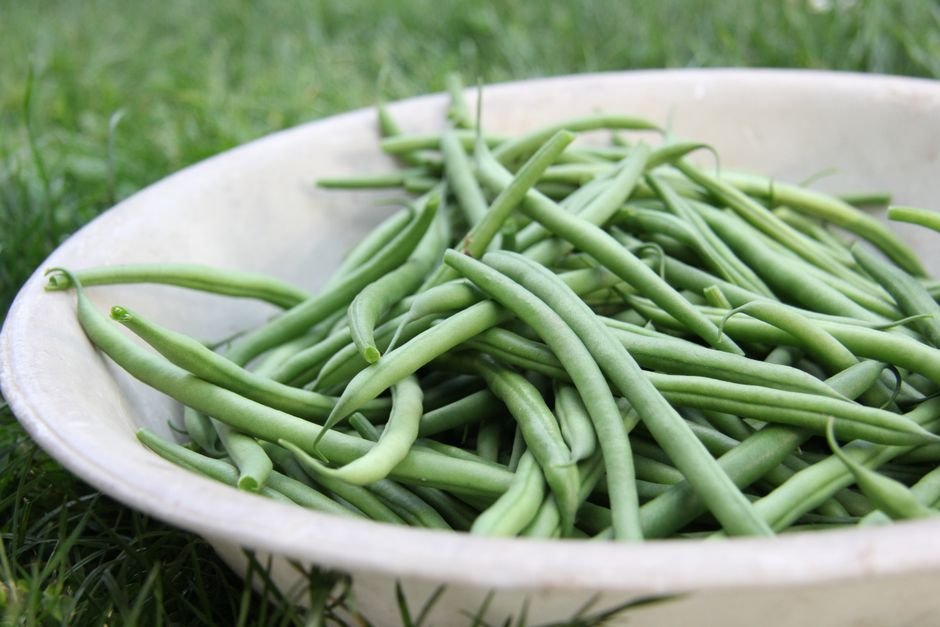
Full Nutrition Facts for 1 Cup (100g) of Raw Green Beans
Green beans are nutrient-dense vegetables. Here’s the complete breakdown for a standard 100g serving of raw green beans:
| Nutrient | Amount | % Daily Value |
|---|---|---|
| Calories | 31 | 2% |
| Total Fat | 0.2g | <1% |
| Saturated Fat | 0.1g | <1% |
| Cholesterol | 0mg | 0% |
| Sodium | 6mg | <1% |
| Total Carbohydrate | 7g | 2% |
| Dietary Fiber | 2.7g | 11% |
| Total Sugars | 1.5g | — |
| Protein | 1.8g | 4% |
| Vitamin K | 60μg | 50% |
| Vitamin C | 16mg | 27% |
| Folate | 42μg | 10% |
*Percent Daily Values are based on a 2,000-calorie diet. Source: USDA FoodData Central.
Key insight: Green beans deliver more than half your daily vitamin K requirement in just one cup—a nutrient critical for blood clotting and bone metabolism. Their fiber content (11% DV) supports digestive health while the minimal sugar (1.5g) makes them ideal for low-carb and diabetic-friendly eating plans.
Etekcity Food Scale
0.1g accuracy — the perfect companion for exact portions.
Raw Green Beans vs. Cooked Green Beans
Raw Green Beans
- Retain 100% of heat-sensitive vitamin C and higher enzyme activity
- Provide a crisp, fresh texture ideal for snacking or salads
- Contain slightly more fiber per bite due to zero water loss
Cooked Green Beans
- Soften in texture and become easier to digest for sensitive stomachs
- May lose 15–20% of vitamin C but improve availability of other nutrients
- Work better in stews, casseroles, or side dishes paired with oils or sauces
Practical takeaway: For maximum nutrient retention, eat green beans raw or lightly steamed. If you prefer cooked green beans, steaming or boiling in minimal water is better than prolonged boiling, which leaches water-soluble vitamins. The calorie difference is negligible, so choose based on taste and how your body digests them best.
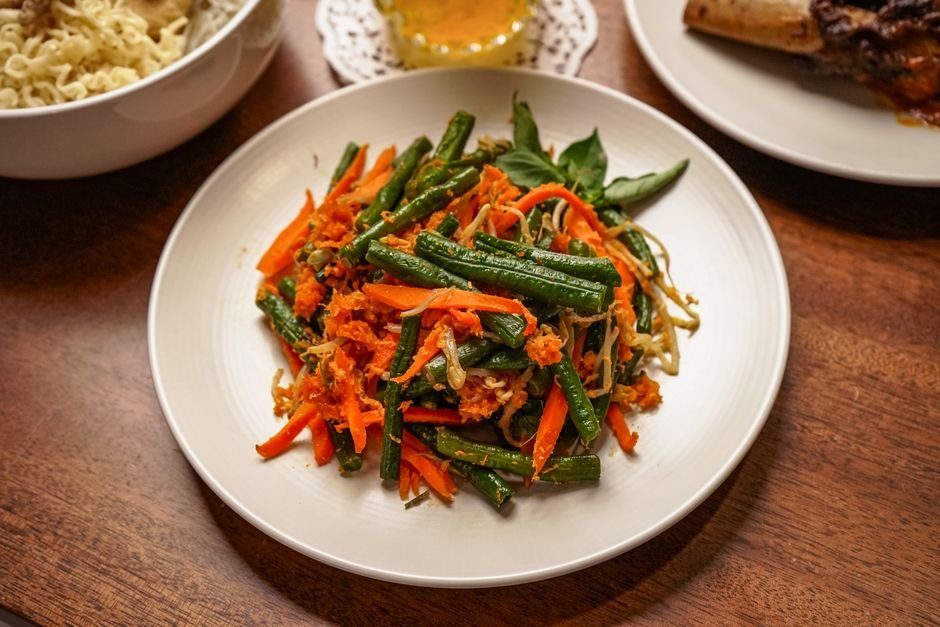
Is Green Beans Good for Weight Loss?
Yes—green beans are one of the best vegetables for weight loss. At just 31 calories per cup with 2.7g of fiber and 1.8g of protein, they fill your plate with volume and nutrition while keeping calories low. Their fiber content helps you feel full longer, reducing overall calorie intake without deprivation.
Tips to Eat Green Beans Without Gaining Weight:
- Steam or boil instead of frying: Avoid adding high-calorie oils; if you add fat, measure it—1 tablespoon of olive oil adds 120 calories.
- Season with herbs and spices instead of cream: Use garlic, lemon, black pepper, or herb blends to add flavor without calories.
- Pair with lean protein: Combine green beans with chicken breast or fish to create a balanced, satiating meal.
- Make them half your plate: Fill half your plate with green beans and the other half with lean protein and whole grains for sustainable weight loss.
Green beans fit naturally into any calorie deficit because you can eat generous portions without exceeding your targets. The key is preparation method—keep them simple to maximize their weight-loss benefits.
How Portion Size Affects Calories
Because green beans are so low in calories, portion size has a minor impact on total intake compared to calorie-dense foods. However, understanding serving sizes helps you build balanced meals and track accurately if you’re counting calories.
Example:
- Small handful (30g raw): 9 calories — a quick raw snack
- Large dinner portion (300g cooked): 93 calories — a generous vegetable serving
Even at three times the small portion, you’re still under 100 calories. This makes green beans one of the most forgiving vegetables for portion control.
Best Way to Measure Green Beans Accurately
For precise calorie tracking, weighing raw green beans is the most accurate method. Cups are less reliable because beans vary in thickness and packing density. If you don’t have a kitchen scale, visual estimation works reasonably well for a vegetable this low-calorie.
Options:
- Kitchen scale (most accurate): Weigh raw green beans in grams. 100g is the standard nutrition label serving.
- Cup measurement: Use a standard measuring cup; one cup of raw green beans equals roughly 100g and 31 calories.
- Visual portion: One closed fist equals approximately one cup of cooked green beans.
Calculate Your Exact Calorie Intake
If you’re eating green beans as part of a larger meal—perhaps with olive oil, butter, or a cream sauce—the total calorie count depends on what else is on your plate. A simple way to know your exact intake is to log everything you eat and drink.
Our free AI nutrients calculator can help you instantly calculate calories, macros, and micronutrients for any meal or ingredient combination. Use the calculator here to get precise nutrition breakdowns without guessing.
- Log green beans alone or as part of a recipe and see instant macros
- Compare nutrition across different cooking methods
- Build meal plans that align with your calorie and nutrition goals
Common Mistakes When Eating Green Beans
Even though green beans are nutritious, how you prepare and eat them can affect their weight-loss and health benefits. Here are the mistakes people make:
❌ Adding too much oil or butter during cooking. One tablespoon of oil adds 120 calories—almost 4 times the green beans themselves. Measure your fat or use cooking spray.
❌ Eating green bean casserole as a “vegetable.” Traditional recipes use cream of mushroom soup and fried onions, turning a 31-calorie vegetable into a 200+ calorie side dish.
❌ Overcooking until mushy. Extended boiling leaches nutrients and flavor, making you more likely to add high-calorie sauces to compensate.
❌ Ignoring frozen varieties. Frozen green beans are picked at peak ripeness and frozen immediately, preserving nutrients better than fresh beans shipped long distances.
The best approach: keep preparation simple, measure add-ons, and embrace both fresh and frozen options based on what’s available.
FAQ
How many calories are in 100g of green beans?
100g of raw green beans contains 31 calories. This is the standard USDA nutrition label serving size.
Is green beans fattening?
No. Green beans are one of the least fattening vegetables available. They’re extremely low in calories (31 per cup), contain virtually no fat (0.2g), and provide substantial fiber and micronutrients. They only become calorie-dense if prepared with oil, butter, or creamy sauces.
Are frozen green beans as nutritious as fresh?
Yes. Frozen green beans are often more nutritious than fresh because they’re frozen at peak ripeness, locking in vitamins and minerals. Fresh beans shipped long distances may lose nutrients over time. Nutrition and calorie content are virtually identical.
Can you eat green beans every day?
Absolutely. Green beans are safe and beneficial to eat daily. Their low calorie density means you can eat large portions without calorie concerns, and their fiber, vitamins K and C, and antioxidants support daily health. Variety with other vegetables is ideal, but green beans won’t cause issues if eaten consistently.
Conclusion
Green beans are a nutritional powerhouse disguised as a humble vegetable. With just 31 calories per cup, zero cholesterol, 2.7g of fiber, and 50% of your daily vitamin K, they’re a smart choice for weight loss, blood sugar management, and overall health. Whether raw, steamed, or cooked, they remain one of the most nutrient-dense, low-calorie vegetables available.
The key to getting the most from green beans is keeping them simple: avoid heavy oils and creams, measure any added fats, and pair them with lean protein and whole grains for balanced meals. For precise tracking of green beans in your diet—especially when combined with other ingredients—use a reliable nutrients calculator to stay accurate and informed.
