
How many slices of whole wheat bread can you eat daily on a 1200 calorie diet is one of the most practical questions anyone following a strict caloric intake needs to answer—and the honest answer isn’t a single number. A typical slice of whole wheat bread contains 80–100 calories, which means you could theoretically fit 12–15 slices into a 1200-calorie day. But that math breaks down the moment you factor in actual nutrition goals, hunger management, and the reality that bread serves as just one component of a balanced meal, not your entire diet.
This article cuts through the oversimplification. We’ll show you the real calorie count for common whole wheat bread brands, explain how serving size and bread density change your actual slice limit, and give you a clear verdict on how many slices actually fit into a realistic 1200-calorie meal plan that includes protein, fat, and other nutrients. By the end, you’ll know not just a number, but how to apply it to your specific loaf and your specific goals.
How many slices of whole wheat bread on a 1200 calorie diet, Quick Answer
For a typical 1200-calorie diet, you can safely eat 4–6 slices of whole wheat bread per day (roughly 320–600 calories) while leaving room for protein, vegetables, and healthy fats. Most whole wheat breads contain 80–100 calories per slice. However, this limit shifts up or down based on whether your slice is thin or thick, the brand’s formulation, and whether you’re tracking total calories or also managing carbohydrate intake for specific health goals like blood sugar control.
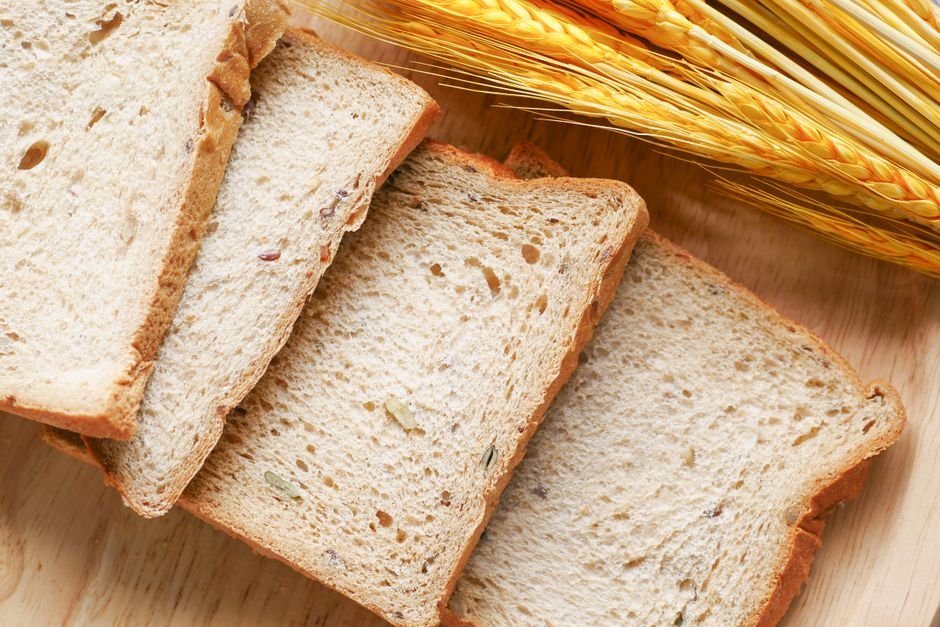
Whole Wheat Bread vs. Your 1200-Calorie Budget: Side-by-Side
Whole Wheat Bread (per slice)
- Calories: 80–100 (varies by brand density)
- Protein: 3–4 grams
- Carbohydrates: 14–16 grams
- Fiber: 2–3 grams
Daily 1200-Calorie Budget
- Total available calories: 1200
- Estimated minimum protein needed: 90–120 grams (360–480 calories)
- Remaining for carbs, fats, and flexibility: 720–840 calories
- Typical carb range for balanced diet: 150–200 grams
| Metric | Whole Wheat Bread (1 slice) | Daily 1200-Calorie Context |
|---|---|---|
| Calories | 80–100 | 1200 total available |
| Protein (g) | 3–4 | 90–120g needed daily (nutrition experts consensus) |
| Carbs (g) | 14–16 | 150–200g typical target |
| Fiber (g) | 2–3 | 25–30g recommended daily |
| % of Daily Calorie Allowance | 7–8% per slice | 100% baseline |


Etekcity Food Scale
0.1g accuracy — the perfect companion for exact portions.
Which Is Better For Staying Satisfied on a 1200-Calorie Diet?
Whole wheat bread at 4–6 slices per day is a realistic, sustainable anchor for a 1200-calorie plan—if you prioritize it strategically. The fiber content (2–3 grams per slice) and protein (3–4 grams) create meaningful satiety, which matters on a low-calorie diet where hunger is the biggest threat to success. Eating bread mindlessly across all meals burns through calories fast; eating 2–3 slices as part of a structured lunch (with protein and vegetables) or breakfast protects your overall nutrient profile and keeps you full longer than the same 200–300 calories from refined carbs or added sugar.
Where whole wheat bread loses ground: if your 1200-calorie goal is driven by medical necessity (like managing type 2 diabetes or prediabetes), the carbohydrate load becomes the real constraint, not calories alone. A single slice delivers 14–16 grams of carbs. Four slices means 56–64 grams of your daily carbohydrate budget consumed by bread alone—sometimes more than one-third of your target. In that case, you may be better off limiting bread to 2–3 slices and investing those carbs in vegetables and whole grains with lower calorie density (like oatmeal or legumes that offer more protein per serving).
Why the Numbers Don’t Tell the Whole Story
The “80–100 calories per slice” baseline assumes a standard slice weight of 28–30 grams. Real-world bread is messier. A thick-cut artisanal whole wheat loaf can run 120+ calories per slice, while a thin-sliced sandwich bread may drop to 70 calories. If you’re eating store-bought bread, the nutritional label is your truth—but many people don’t weigh individual slices, they just count “one slice” from the loaf. A loaf marked “20 slices per bag” at 1600 calories total is 80 calories per slice; the same loaf labeled “16 slices” is 100 calories per slice, even if you’re eating from the identical loaf.
Brand matters too. Sara Lee whole wheat is typically 80 calories per slice, while Nature’s Own and Dave’s Killer Bread range from 90–110. Homemade or bakery bread can be denser (higher calories) or lighter (lower calories) depending on the recipe and hydration. For an exact calorie count that matches your bread, check the label per serving and weigh a slice if precision matters for your goal. Source: USDA FoodData Central lists whole wheat bread at 265 calories per 100 grams; knowing your bread’s grams per slice removes guesswork.
The easiest way to nail this: use a free nutrients calculator tailored to your specific bread brand and exact serving size. You’ll get a precise calorie and macronutrient count for what’s actually in front of you, so you can make an informed decision about how many slices fit your 1200-calorie plan and your carb or protein goals.
A good calculator lets you:
- Enter your actual bread brand and serving weight for dead-accurate calories
- See how 4–6 slices impact your daily carb and fiber totals in real time
- Adjust slice count and instantly see the impact on remaining calories for other meals
Common Mistakes
People on a 1200-calorie diet often misjudge bread, leading to calorie overages that derail their plan. Here are the four biggest slip-ups:
❌ Assuming all whole wheat bread is the same calorie count. Thickness, crust weight, and brand formulation can swing a slice by 20–40 calories. Not all “whole wheat” loaves are created equal—some are 80 calories, others are 120. Check your label.
❌ Eating bread without weighing it. A casual “slice” from a loaf is often 15% heavier than the label’s stated serving size. Restaurants and bakeries cut thicker slices. Two ounces (one standard serving) and two and a half ounces feel identical by eye, but that’s an extra 15–20 calories per slice you didn’t account for.
❌ Pairing bread with high-calorie spreads and toppers. A slice of whole wheat bread is 90 calories. Add two tablespoons of peanut butter (190 calories) and suddenly one sandwich component is 280 calories—nearly what you budgeted for the entire meal. This is how bread becomes the calorie bomb people blame.
❌ Not accounting for bread’s carbohydrate load when managing blood sugar. You can fit the calories, but 6 slices of bread (96 grams of carbs) can spike blood sugar more aggressively than other calorie-equivalent foods. If you’re on a 1200-calorie diet for metabolic health, carbs matter as much as calories.
FAQ
Can I eat more slices if I do extra cardio?
Theoretically yes—burning an extra 200 calories with 30 minutes of moderate cardio means you can add 2 more slices (at roughly 90–100 calories each) to your budget. In practice, relying on exercise to “earn” bread calories often leads to underestimating true calorie burn and overestimating actual exercise intensity. Better to build your 1200-calorie plan without assuming extra burn.
Is whole wheat bread better than white bread on a 1200-calorie diet?
Nutritionally, yes—whole wheat delivers 2–3 grams of fiber per slice versus 1 gram in white bread, plus slightly more protein. The fiber slows digestion and keeps you fuller longer, which matters hugely on a low-calorie plan. Both are roughly the same calories, so the advantage goes to whole wheat for satiety and nutrient density.
What if I’m also low-carb or keto on 1200 calories?
Standard whole wheat bread likely doesn’t fit—14–16 grams of carbs per slice would consume most or all of a typical keto limit (20–50g daily). You’d need to switch to keto bread (almond or coconut flour-based, 2–4g net carbs per slice) to stay in ketosis while keeping bread in your plan.
Does toasting bread change the calorie count?
No—toasting removes water but not calories. A slice of bread before and after toasting has the same caloric content. The weight may shift slightly, but nutritional labels account for this. Toast freely without recalculating.
Conclusion
On a 1200-calorie diet, you can realistically eat 4–6 slices of whole wheat bread per day, assuming a typical 80–100 calorie slice and a balanced meal plan that includes protein and vegetables. This range provides satiety from fiber and protein while leaving 600–800 calories for the rest of your meals. The exact number depends on your bread brand, slice thickness, and whether you’re managing carbohydrates for blood sugar control or simply counting calories.
The key is knowing your specific bread’s exact calorie and carb count, then building a plan around it rather than guessing. Use a reliable nutrients calculator to cross-check your bread brand and serving size—this removes guesswork and ensures you’re not accidentally overeating the calories or carbs you didn’t account for. Paired with a clear plan for protein and vegetables, whole wheat bread can be a satisfying, sustainable part of your 1200-calorie day.
