
Is beer allowed on a keto diet: how many carbs per serving is the question every keto dieter eventually asks at a social gathering? The short answer is complicated because it depends entirely on the beer style and your daily carb allowance, but yes — some beers can technically fit into ketogenic eating if you choose carefully and count them toward your macros. Most people pursuing keto aim to stay under 20–50g of net carbs per day, and a single standard beer can consume 5–15g of that budget in one drink, making every choice matter.
This article will show you the exact carb counts for the most popular beer types, which ones are actually keto-compatible, and how to drink socially without derailing your fat-adaptation. By the end, you’ll know whether beer belongs on your personal keto plan and how many carbs you’re actually getting with each sip.
Is beer allowed on a keto diet: how many carbs per serving, Quick Answer
Light beers (around 3–5g net carbs per 12oz) are the only realistic option for most keto dieters; regular lagers and pale ales (10–13g net carbs per 12oz) will consume most or all of a typical daily keto carb allowance in a single drink. If you’re drinking to stay in ketosis, light beer once or twice a week fits; regular beer does not unless you’re in a cyclical keto protocol or willing to cut carbs aggressively elsewhere that day.
Regular Beer vs. Light Beer Nutrition Comparison
Regular Beer (e.g., Budweiser, Stella Artois)
- 12oz serving: 145–155 calories
- Net carbs: 10–13g per 12oz
- Alcohol content: 4.5–5.5% ABV
- Unfermented sugars and residual carbs from malted grains
Light Beer (e.g., Bud Light, Coors Light, Miller Lite)
- 12oz serving: 95–105 calories
- Net carbs: 2–5g per 12oz
- Alcohol content: 4.0–4.2% ABV
- Reduced grain content and additional fermentation to minimize residual sugar
| Metric | Regular Beer (12oz) | Light Beer (12oz) |
|---|---|---|
| Calories | 145–155 | 95–105 |
| Net Carbs | 10–13g | 2–5g |
| Protein | 1–2g | 0.6–1g |
| Alcohol Content | 4.5–5.5% ABV | 4.0–4.2% ABV |

Etekcity Food Scale
0.1g accuracy — the perfect companion for exact portions.
Which Is Better for Keto: Regular Beer or Light Beer?
Light beer is the only choice for staying in ketosis. A single regular beer (10–13g carbs) represents 20–65% of a typical 20–50g daily keto carb limit, making it nearly impossible to drink socially without exceeding your macros or cutting carbs severely elsewhere. Light beer, at 2–5g net carbs per 12oz, is manageable — you can fit one or two into a day and stay within range, especially if you account for them upfront. The calorie difference (40–60 fewer calories per serving) is a bonus for those also tracking total energy intake.
However, light beer isn’t a free pass. If your keto protocol is tightly disciplined (sub-20g carbs daily) or if you’re just entering ketosis, even light beer’s 3–5g carbs can be significant. Some ultra-low-carb beer brands (Michelob Ultra, Corona Premier) advertise 2–3g net carbs per 12oz, which is the actual sweet spot for occasional keto drinking without guilt or metabolic disruption.
Why the Numbers Don’t Tell the Whole Story
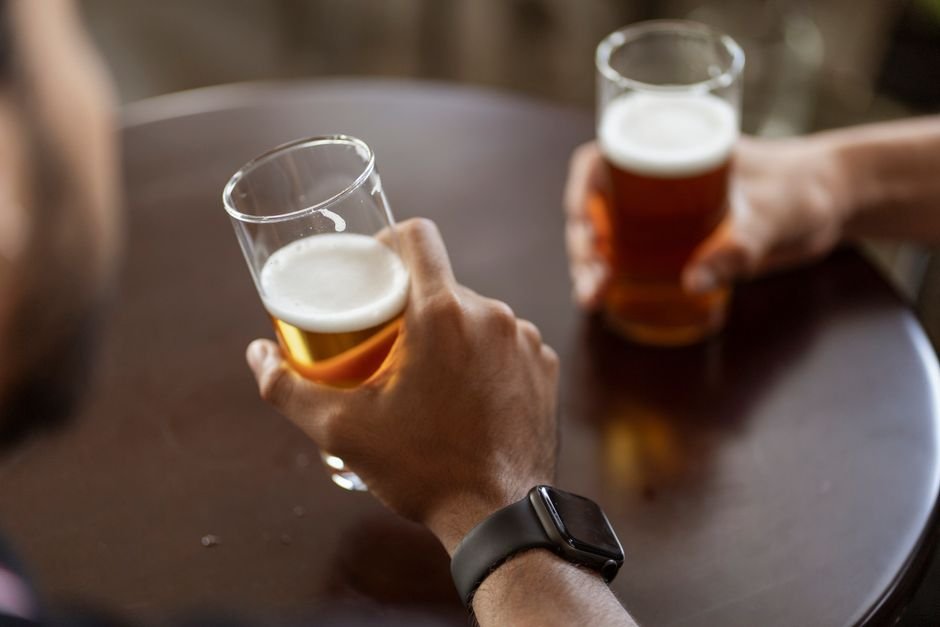
Carb counts on beer labels and nutrition databases are standardized per 12oz serving, but real-world drinking rarely follows that rule. A bar pour of draft beer is often 14–16oz, a brewery visit might involve a 16–20oz pint, and a social setting often turns one beer into two or three. Doubling your serving size doubles your carb intake, which can flip a “keto-safe” light beer into a day-ruining mistake. Additionally, the way beer carbs are tracked matters: some sources count total carbs while others report net carbs (total minus fiber), but beer has virtually zero fiber, so the distinction is usually academic — what matters is the residual sugar and unfermented carbohydrates left after yeast fermentation.
Different breweries and styles also vary considerably. A craft IPA might contain 15–20g carbs per 12oz because of its grain bill and lower final gravity (higher residual sugars), while a dry, highly fermented lager from a large brewery sits at 8–10g. Gluten-free beers and some specialty styles may be lower in carbs but aren’t necessarily marketed that way. For the most accurate carb count for what’s actually in front of you, refer to USDA FoodData Central, which maintains detailed nutrient breakdowns for major beer brands, or check the nutrition label on the specific product you’re buying — most craft breweries now publish this data online.
The best way to know your exact carb intake is to use a reliable nutrients calculator before you drink. Our free AI nutrients calculator lets you:
- Search any beer brand and specific type (light, regular, IPA, stout) for exact carb data
- Calculate the carb impact of your actual pour size, not just the standardized 12oz
- Track total daily macro balance so you can see whether a beer fits your keto goals that specific day
Common Mistakes
Here are the four biggest errors keto drinkers make when it comes to beer:
❌ Assuming all light beers are equally low-carb. Coors Light (5g), Bud Light (6.6g), and Miller Lite (3.2g) have noticeably different carb profiles; always check the label or your data source rather than generalizing.
❌ Forgetting to count beer carbs toward total daily intake. Treating a beer as a “free” drink because it’s fewer carbs than a soda is a classic keto sabotage — those carbs still count and can stall ketosis if you exceed your threshold.
❌ Underestimating pour size. A “beer” at a bar is rarely 12oz; accounting for 14–16oz draft pours or 20oz pints changes the carb calculation significantly and can double your intake compared to the label.
❌ Choosing beer over other carb sources without reason. If you want a beer, drink it — but if you’re just thirsty, water or unsweetened tea have zero carbs and won’t risk metabolic disruption at all.
Awareness and planning prevent all four mistakes.
FAQ
Can I drink beer on keto and stay in ketosis?
Yes, but only with light beer or ultra-low-carb varieties (2–5g per 12oz) consumed occasionally and counted toward your daily carb limit. Regular beer will disrupt ketosis in most cases unless you’re in a cyclical keto protocol or you cut carbs aggressively elsewhere that day.
What’s the difference between net carbs and total carbs in beer?
Net carbs = total carbs minus fiber. Beer has virtually no fiber, so net carbs and total carbs are nearly identical. What matters is the residual sugar and unfermented carbohydrates left after yeast fermentation — that’s what’s listed on the label and what affects blood sugar and ketosis.
Which beers are safest for keto?
Michelob Ultra (2.6g), Corona Premier (2.6g), and Miller Lite (3.2g) are among the lowest-carb options widely available. Dry, highly fermented lagers tend to have fewer residual carbs than stouts, IPAs, or wheat beers, which are generally higher in carbs due to their grain profile.
If I drink one beer, will I get kicked out of ketosis?
A single light beer (2–5g carbs) is unlikely to knock you out of ketosis if it fits your daily allowance and your fat-adaptation is established. However, if you’re new to keto or maintaining very strict limits (under 20g carbs daily), even one beer can push you over threshold — which is why tracking matters more than rules.
Conclusion
Light beer is the only realistic option for keto drinkers who want to maintain ketosis, with regular beer reserved for occasional exceptions or cyclical keto protocols. The carb difference is substantial: 2–5g per 12oz for light beer versus 10–13g for regular, which makes light beer manageable and regular beer nearly impossible to fit into a standard daily macro plan. Always check the specific brand and account for actual pour size, because bar pours and real-world servings rarely match the standardized 12oz label.
If you’re serious about staying in ketosis while drinking beer, measure your actual intake using a **reliable nutrients calculator** that accounts for your specific brand, serving size, and daily carb target. This removes the guesswork and keeps you accountable to your macros without forcing you to abstain entirely.
