
Beef ribs are a beloved staple in American barbecue culture and popular worldwide for their rich flavor and satisfying texture. Whether slow-cooked in a smoker, braised in the oven, or grilled, beef ribs are a go-to choice for protein-focused eaters and muscle builders. Understanding the calorie and nutrient content is essential for anyone tracking macronutrients or managing their daily calorie intake.
Beef ribs are calorically dense and fat-heavy compared to leaner cuts, making portion control important if you’re watching your weight. But how many calories are actually in beef ribs? This guide breaks down the exact nutrition facts, portion guidance, and practical tips for including beef ribs in a balanced diet.
Calories in Beef Ribs (Quick Answer)
A standard 3-ounce cooked serving of beef ribs contains roughly 250–310 calories, depending on how much fat is trimmed and how the meat is prepared.
- 3 oz (85g) cooked beef ribs, lean: 250 calories
- 3 oz (85g) cooked beef ribs, with fat: 310 calories
- 1 full beef rib (approximately 5 oz raw): 400–450 calories cooked
Calorie counts vary significantly based on the amount of visible fat left on the meat, trimming practices, and cooking method (broiling, grilling, or smoking with oil vs. roasting with minimal fat).
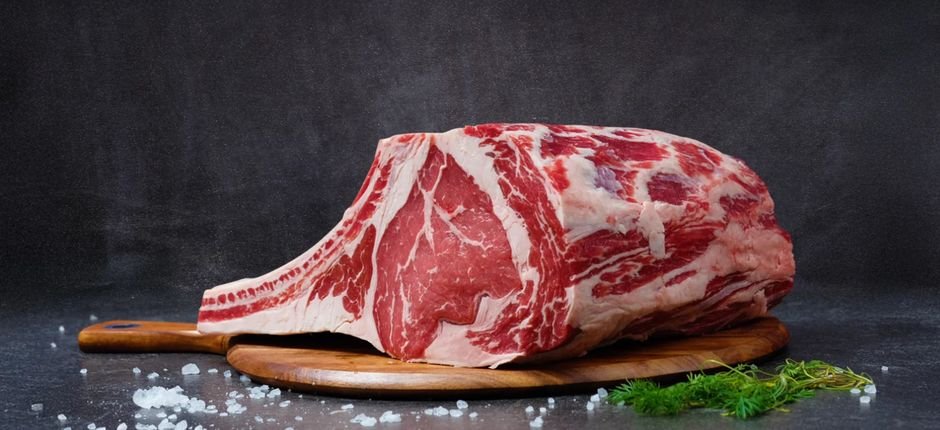
Full Nutrition Facts for 3 oz (85g) Cooked Beef Ribs (Lean)
Here’s the complete breakdown of macro and micronutrients in a standard 3-ounce serving of cooked beef ribs with the fat trimmed to about 1/8 inch.
| Nutrient | Amount | % Daily Value |
|---|---|---|
| Calories | 250 | — |
| Total Fat | 16g | 21% |
| Saturated Fat | 7g | 35% |
| Cholesterol | 75mg | 25% |
| Sodium | 65mg | 3% |
| Total Carbohydrate | 0g | 0% |
| Dietary Fiber | 0g | 0% |
| Total Sugars | 0g | 0% |
| Protein | 26g | 52% |
| Iron | 2.6mg | 14% |
| Zinc | 6.3mg | 57% |
| Vitamin B12 | 1.4mcg | 58% |
*Percent Daily Values are based on a 2,000-calorie diet. Source: USDA FoodData Central.
Key insight: Beef ribs are a protein powerhouse at 26g per 3-ounce serving, making them exceptionally efficient for muscle building and recovery. The high zinc and B12 content supports immune function and energy production, while the iron helps prevent anemia. The saturated fat content is notable (7g per serving), so pairing beef ribs with high-fiber vegetables and limiting portion frequency is smart for cardiovascular health.
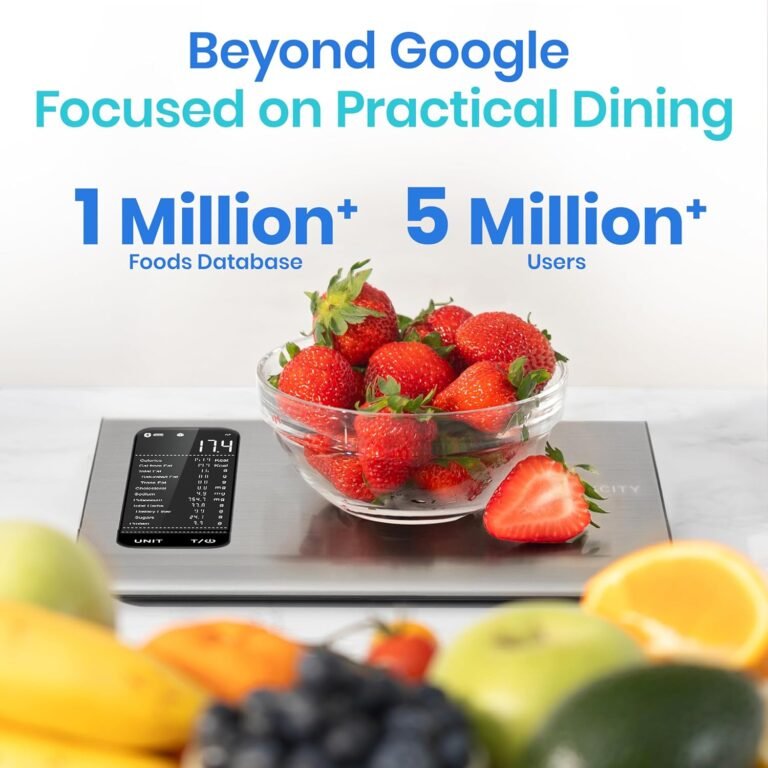
Etekcity Food Scale
0.1g accuracy — the perfect companion for exact portions.
Lean Beef Ribs vs. Fatty Beef Ribs — What’s the Difference?
Lean Beef Ribs (Fat Trimmed to 1/8″)
- Approximately 250 calories per 3 oz cooked serving
- Lower saturated fat (7g) and total fat (16g)
- Better choice for weight loss or cholesterol management
Fatty Beef Ribs (Fat Left On or Trimmed to 1/4″)
- Approximately 310–350 calories per 3 oz cooked serving
- Higher saturated fat (9–11g) and total fat (23–27g)
- More flavor but less suitable for low-fat or calorie-restricted diets
Practical takeaway: If you enjoy beef ribs and want to keep calories in check, trim the visible fat layer before cooking or ask your butcher to do it. You’ll still get the tender, flavorful meat without the extra 60 calories and 7g of fat per serving. For barbecue or special occasions, fatty ribs deliver superior flavor—just account for them in your daily calorie target.
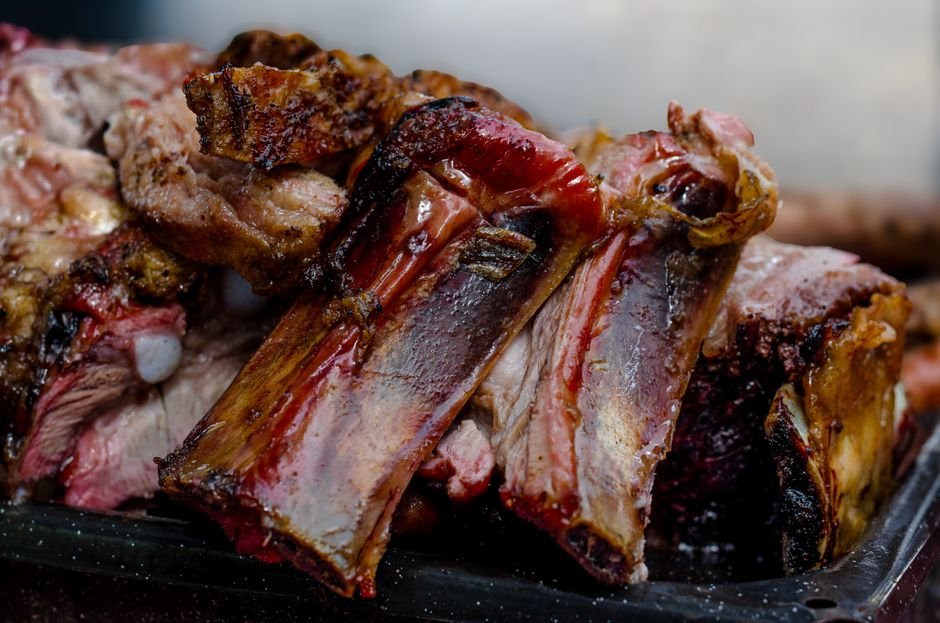
Is Beef Ribs Good for Weight Loss?
Beef ribs can fit into a weight loss plan, but they require portion discipline. At 250 calories per 3-ounce serving (or roughly 1,200 calories per pound of cooked meat), they’re not the leanest protein option. However, their high protein density and satiating effect mean a modest portion can keep you full for hours, reducing overall calorie intake. The key is measuring portions carefully and pairing them with low-calorie vegetables rather than calorie-dense sides like baked beans or creamed corn.
Tips to Eat Beef Ribs Without Gaining Weight:
- Trim visible fat: Remove fat cap before cooking or eat only the lean meat to save 50–100 calories per serving.
- Measure portions: Stick to 3–4 ounces (about one rib) per meal, weigh on a kitchen scale if possible, and don’t eat straight from the pan or shared platter.
- Pair with vegetables: Fill half your plate with non-starchy vegetables (broccoli, cauliflower, green beans, salad) to add volume and fiber without excess calories.
- Cook with minimal added fat: Grill, broil, or roast beef ribs on a rack above a pan rather than frying or coating with oil-heavy rubs. Use dry spice rubs instead.
When eaten mindfully, beef ribs can be a satisfying protein that supports weight loss goals without requiring deprivation.
How Portion Size Affects Calories
Portion size dramatically impacts total calorie intake with beef ribs. A single rib weighs approximately 5 ounces raw and yields 3–4 ounces of cooked meat, translating to 250–350 calories depending on fat content. Restaurant barbecue portions often range from 6–8 ribs, which can easily deliver 1,500–2,800 calories in one meal—exceeding a full day’s intake for many people. Home serving sizes are more manageable when you plate individual ribs and skip the endless seconds.
Example:
- Small portion (1 rib, 3 oz): 250 calories, 26g protein
- Large portion (4 ribs, 12 oz): 1,000 calories, 104g protein
Even small changes in portion size have big calorie consequences with beef ribs.
Best Way to Measure Beef Ribs Accurately
Measuring beef ribs accurately means accounting for weight loss during cooking. Raw ribs contain water and fat that evaporate, so a 1-pound raw slab typically yields 12 ounces cooked. The most reliable method is weighing cooked beef ribs on a digital kitchen scale (the same tool used for tracking other protein sources like chicken or fish). Visual estimation is prone to error—a single rib can range from 2.5 to 5 ounces depending on cut and breed of cattle.
Options:
- Digital kitchen scale: Weigh cooked ribs and divide by number of ribs or by weight in ounces. Most accurate method for tracking calories.
- Count individual ribs: Estimate an average rib at 3.5–4 ounces cooked. Multiply by number of ribs consumed. Less precise but reasonable for home use.
- Measure by hand: One closed fist of lean cooked beef (about 3 oz) is roughly equivalent to a light baseball. Useful when a scale isn’t available, though less reliable than weighing.
Calculate Your Exact Calorie Intake
Tracking calories in beef ribs becomes much simpler when you know your exact portion size and fat content. But calculating the full nutritional impact of a meal—especially when you’re combining beef ribs with sides, cooking oils, and sauces—requires more precision. Every gram of added butter, barbecue sauce, or oil multiplies the total.
Our site offers a free AI nutrients calculator that automatically computes the total calories, macronutrients, and micronutrients in any food or meal combination. Instead of manually adding up each ingredient, simply log your beef rib portion and sides, and the calculator provides a complete breakdown in seconds.
- Instantly calculate calories, protein, fat, and carbs for any portion size
- Track multiple ingredients in one meal without math errors
- Compare different cooking methods and fat levels side by side
Visit our free nutrients calculator to get started.
Common Mistakes When Eating Beef Ribs
Even health-conscious eaters can misstep with beef ribs. Here are four common pitfalls that silently add calories and derail your nutrition goals.
❌ Not accounting for cooking fat and sauce: Grilling beef ribs in butter, smoking them with oil-based rubs, or slathering barbecue sauce adds 100–200 hidden calories per serving—not counted in the raw meat calorie figures. Always factor in condiments and cooking fats.
❌ Eating larger portions than intended: Beef ribs are served bone-in, which makes people mentally underestimate portion size. A “half rack” can contain 8–10 ribs and easily exceed 1,500 calories—far more than someone tracking assumes.
❌ Choosing fatty cuts and not trimming: Prime-grade or heavily marbled beef ribs contain double the fat of lean alternatives. Ordering the leanest grade or trimming before eating saves 100+ calories and 10g of fat per serving.
❌ Pairing ribs with calorie-dense sides: Beef ribs are often served with baked beans, creamed corn, buttered rolls, or coleslaw made with mayo. These sides can add 400–600 calories per meal, turning a reasonable protein portion into a calorie bomb.
Awareness of these traps puts you in control of your beef rib intake.
FAQ
How many calories are in 100g of beef ribs?
A 100-gram (3.5-ounce) serving of cooked lean beef ribs contains approximately 290 calories. For fatty beef ribs, expect 350–380 calories per 100g.
Is beef ribs fattening?
Beef ribs are high in calories and saturated fat relative to many other protein sources, so regular large portions can contribute to weight gain. However, they’re not inherently fattening if eaten in controlled portions (3–4 ounces) as part of a balanced diet. The key is measuring and pairing them with vegetables rather than eating unlimited quantities with calorie-dense sides.
What’s the difference between beef short ribs and beef back ribs?
Beef short ribs are cut from the plate and chuck, contain more meat and fat (approximately 310–350 calories per 3 oz), and are ideal for braising. Beef back ribs come from the rib section, are leaner with less meat (approximately 250–280 calories per 3 oz), and work better for smoking or grilling. Short ribs are more flavorful but fattier; back ribs are leaner.
Can I eat beef ribs on a low-carb diet?
Yes, beef ribs fit perfectly into a low-carb or ketogenic diet since they contain zero carbohydrates and are rich in protein and fat. Watch for added sugar in barbecue sauces and dry rubs, which can add 5–10g of carbs per serving. Plain grilled or smoked ribs are an excellent keto-friendly protein choice.
Conclusion
Beef ribs are a nutrient-dense protein source delivering 26g of protein, high levels of zinc and B12, and significant iron per 3-ounce serving. At 250 calories per lean serving, they’re calorie-heavy but highly satiating, making them compatible with weight loss and muscle-building goals when portions are controlled. Trimming visible fat, measuring accurately, and pairing them with vegetables are the keys to making beef ribs fit any nutrition plan.
For the most accurate tracking of beef ribs and complete meals, measure your portions on a kitchen scale and log them into a reliable nutrients calculator. This simple habit removes guesswork and ensures you stay on target with your calorie and macronutrient goals.
