
Oats are one of the world’s most versatile and nutrient-dense whole grains, consumed by athletes building muscle, people managing diabetes, and anyone seeking sustained energy. Whether as oatmeal for breakfast, a base for smoothie bowls, or baked into energy bars, oats deliver consistent nutritional value across countless meal formats.
But before you pour a bowl, the obvious question arises: how many calories are in oats? The answer depends on portion size, type, and preparation—and understanding these variables is key to fitting oats into your daily nutrition plan.
Calories in Oats (Quick Answer)
Here are the most common serving sizes and their calorie counts:
- 1/2 cup raw oats (rolled or old-fashioned): 150 calories
- 1/4 cup dry steel-cut oats: 150 calories
- 1 cup cooked oatmeal (made with water): 150 calories
Calorie counts vary slightly based on oat type (rolled, steel-cut, instant), storage conditions, and moisture content. Always check the nutrition label on your specific brand for exact figures.
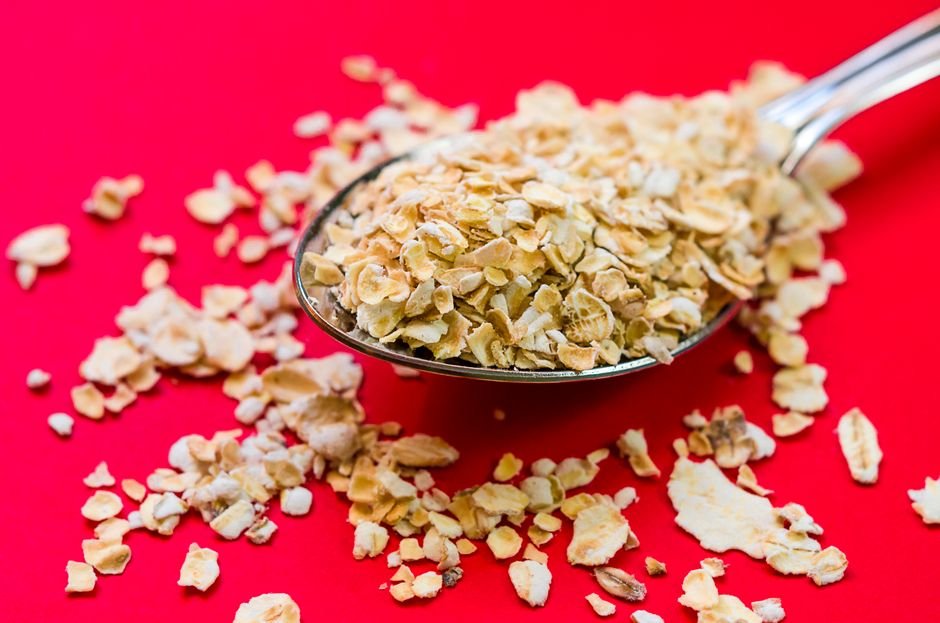
Full Nutrition Facts for 1/2 Cup Raw Rolled Oats
A standard 1/2 cup (40g) serving of dry rolled oats provides the following nutritional profile:
| Nutrient | Amount | % Daily Value |
|---|---|---|
| Calories | 150 | 8% |
| Total Fat | 3g | 4% |
| Saturated Fat | 0.5g | 3% |
| Cholesterol | 0mg | 0% |
| Sodium | 2mg | 0% |
| Total Carbohydrate | 27g | 10% |
| Dietary Fiber | 4g | 14% |
| Total Sugars | 1g | 2% |
| Protein | 5g | 10% |
| Iron | 2mg | 11% |
| Magnesium | 56mg | 13% |
| Phosphorus | 178mg | 14% |
*Percent Daily Values are based on a 2,000-calorie diet. Source: USDA FoodData Central.
Key insight: The 4g of dietary fiber in just 1/2 cup of raw oats is exceptional—that’s 14% of your daily fiber target. This soluble fiber (beta-glucan) is clinically proven to support heart health and cholesterol management, making oats a genuinely functional food rather than just a calorie source.
Etekcity Food Scale
0.1g accuracy — the perfect companion for exact portions.
Steel-Cut Oats vs. Rolled Oats
Steel-Cut Oats
- Whole oat groats chopped into 2-3 pieces; retain more structure when cooked
- Take 25–30 minutes to cook; deliver a chewier, nuttier texture
- Nearly identical calorie and nutrient profile to rolled oats per gram
Rolled Oats (Old-Fashioned)
- Steamed and flattened groats; cook in 5–10 minutes for a creamier consistency
- Higher surface area allows faster water absorption and quicker preparation
- Slightly higher glycemic index than steel-cut due to more processing, but still a low-GI food
Practical takeaway: For weight loss and stable blood sugar, both types are equally effective. Choose steel-cut if you have time and prefer a firmer bite; choose rolled for convenience. Calorie count remains nearly identical—the real difference is texture and cook time, not nutrition.
Is Oats Good for Weight Loss?
Yes. Oats are an excellent weight-loss food because of their high fiber and protein content, which both increase satiety and reduce overall calorie intake. The 4g of soluble fiber per 1/2 cup serving absorbs water and expands in your stomach, creating a feeling of fullness that lasts for hours. Studies show people who eat oatmeal for breakfast consume fewer calories at lunch compared to those eating refined-grain cereals.
Tips to Eat Oats Without Gaining Weight:
- Measure your portion: Use a food scale or measuring cup—40g (1/2 cup dry) is a standard serving. It’s easy to pour too much if you eyeball it.
- Control add-ins: Honey, brown sugar, and flavored syrups add 50–100+ calories per tablespoon. Flavor with cinnamon, berries, or a small drizzle of almond butter instead.
- Cook with water or unsweetened milk: Avoid full-fat cream or whole milk when cooking, which adds 80–150 calories per cup. Unsweetened almond milk adds only 30 calories.
- Pair with protein: Add 1 egg, 1/4 cup Greek yogurt, or 1 tablespoon nut butter to slow digestion and prevent mid-morning hunger spikes.
When prepared plainly or with low-calorie toppings, oats are one of the best breakfast options for sustained weight loss because you stay satisfied longer with fewer calories overall.
How Portion Size Affects Calories
Oats are calorie-dense for a whole grain, so portion creep is a common issue. A small extra handful changes your breakfast from a lean 150 calories to a hefty 250+ calories. Understanding portion sizes helps you stay on track without mindlessly overeating a nutritious food.
Example:
- 1/4 cup raw oats: 75 calories | fits easily into low-calorie diets or as a smoothie base
- 1 cup raw oats: 300 calories | appropriate for post-workout meals when muscle building is the goal
Most weight-loss diets center on 1/2 to 3/4 cup raw oats per serving to hit 150–225 calories while staying full.
Best Way to Measure Oats Accurately
Eyeballing oats leads to significant underestimation or overestimation of calories. A food scale removes all guesswork and is the fastest route to consistent portion control. If you don’t have a scale, dry-measuring cups are your next-best option—always level off the top with a knife for accuracy.
Options:
- Digital food scale: Weigh 40g dry oats for a standard serving. Most scales cost $15–30 and are the gold standard for accuracy.
- Dry measuring cup: Use a 1/2-cup measure, level the top with a knife, and pour into your bowl. This method is reliable for oats if done consistently.
- Kitchen spoon approximation: One tablespoon of dry oats ≈ 5g. Use 8 tablespoons for a 40g serving. Less precise but works in a pinch.
Calculate Your Exact Calorie Intake
Knowing the calories in your oats is only half the equation. To truly understand how this breakfast fits into your daily nutrition, you need to track your total carbs, fiber, and protein alongside calories—especially if you’re building muscle or managing a health condition like diabetes.
Our free AI nutrients calculator lets you input your oats portion, any toppings you add, and instantly see your complete macro and micronutrient breakdown. No guessing, no rounding errors—just precise nutrition data tailored to your exact serving.
- Log your exact portion size (e.g., 45g vs. the standard 40g) and see the adjusted calorie and nutrient counts
- Compare different oat types side-by-side to spot which fits best into your daily goals
- Track toppings in real time so you stay aware of how berries, honey, and nut butters affect your total intake
Use the free calculator now to log your oats and build a personalized nutrition plan.
Common Mistakes When Eating Oats
Even nutritious foods like oats become counterproductive when prepared or portioned incorrectly. Here are the four biggest mistakes people make:
❌ Buying flavored instant oats loaded with added sugar. A single packet of maple-flavored instant oats can contain 12–15g of sugar compared to 1g in plain rolled oats. Those extra 50 calories and blood-sugar spike aren’t worth the convenience.
❌ Pouring oats without measuring, assuming a “handful” is the same each time. Most people pour 1–1.5 cups thinking it’s one serving, unknowingly consuming 300–450 calories instead of 150. Use a scale or measuring cup every time.
❌ Cooking oats in sweetened milk or non-dairy creamer to save time. A cup of whole milk adds 150 calories and 8g of saturated fat. Water or unsweetened milk is nearly calorie-free and just as effective for hydration.
❌ Drowning oatmeal in honey, brown sugar, or chocolate chips to make it palatable. If plain oats taste bland, the real problem is underseasoning with spices (cinnamon, nutmeg, vanilla) or under-mixing with toppings (berries, seeds) that add flavor and nutrition without excess calories.
Small changes in preparation method—measuring, choosing plain varieties, and flavoring smartly—transform oats from a potential calorie trap into one of the most efficient breakfast options.
FAQ
How many calories are in 100g of oats?
100g of dry raw oats contains approximately 389 calories. This is nearly 2.5 times the calories in a standard 40g (1/2 cup) serving, which is why measuring matters.
Is oats fattening?
Oats themselves are not fattening. They’re a whole grain with high fiber and modest protein. The problem arises when they’re prepared with excess toppings (sugar, cream, butter) or eaten in oversized portions. Plain oats are one of the least fattening grains available.
Do instant oats have more calories than steel-cut oats?
No, instant oats and steel-cut oats have nearly identical calories per gram. The difference is processing: instant oats are cut and flattened more, so they cook faster and absorb water more quickly. The issue with instant oats is often the added sugars in flavored packets, not the oat itself.
How much protein is in oats?
A 1/2 cup (40g) serving of dry oats contains 5g of protein. This is solid for a grain and makes oats a good breakfast base for muscle building, especially when paired with Greek yogurt or eggs.
Conclusion
Oats are a calorie-efficient, nutrient-dense whole grain that delivers genuine health benefits: sustained energy, fiber for digestion and heart health, and enough protein to keep you satisfied. At 150 calories for a standard 1/2 cup raw serving, they’re an economical choice for weight loss, muscle building, and overall wellness. The key is measuring your portion, choosing plain varieties, and flavoring with whole foods rather than sugared syrups.
Whether you’re starting your day with a warm bowl of oatmeal or using oats as a base for smoothies and baked goods, consistency and accuracy matter. Track your intake with a reliable food scale, and use a nutrients calculator to understand how oats fit into your complete daily nutrition picture. Done this way, oats become one of your most dependable nutritional tools.
