
Crab is a nutrient-dense shellfish enjoyed globally, from Asian seafood markets to American coastal restaurants. Whether you’re grilling whole crabs, boiling them for pasta, or enjoying crab cakes, this protein-packed crustacean is a favorite among people aiming for lean muscle growth, sustainable weight loss, or simply enjoying a high-quality protein source.
But how many calories are in crab, and what does a serving actually provide in terms of nutrients? This guide breaks down the complete nutrition profile of crab meat, explores how different types and preparations affect calorie content, and shows you how to fit crab into your health goals.
Calories in Crab (Quick Answer)
A 3-ounce (85g) serving of cooked crab meat is a lean protein powerhouse.
- Blue crab (3 oz cooked): 85 calories, 18g protein
- King crab (3 oz cooked): 82 calories, 16g protein
- Crab cakes (3 oz): 160–180 calories (higher due to binder and frying oil)
Calorie counts vary by type, cooking method, and whether meat is mixed with fillers or oils.
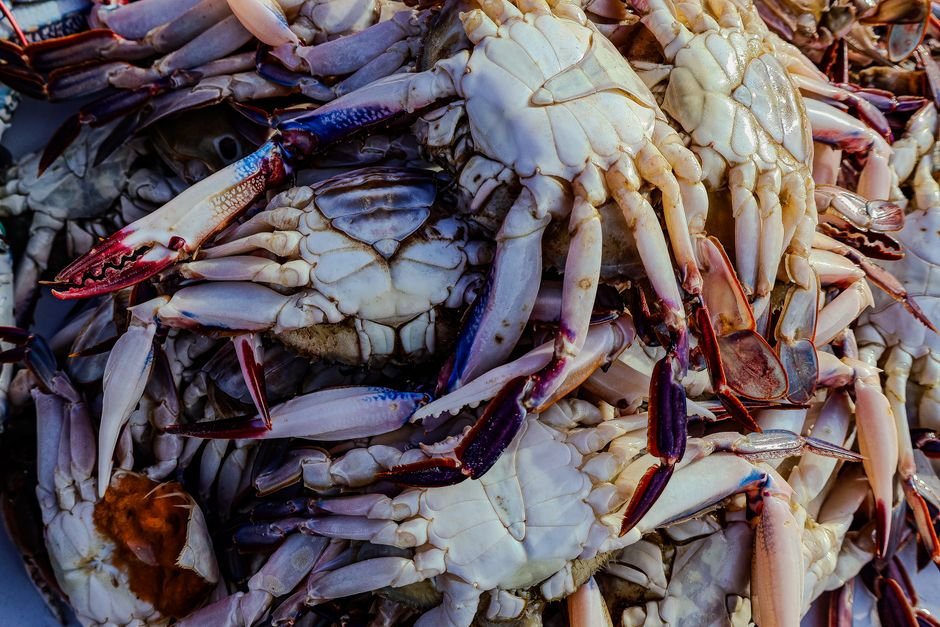
Full Nutrition Facts for 3 oz (85g) of Cooked Blue Crab Meat
Blue crab is one of the most commonly consumed varieties in North America. Here’s the complete nutritional breakdown for a standard 3-ounce serving of cooked blue crab meat (no added butter or oil).
| Nutrient | Amount | % Daily Value |
|---|---|---|
| Calories | 85 | — |
| Total Fat | 1.6g | 2% |
| Saturated Fat | 0.2g | 1% |
| Cholesterol | 78mg | 26% |
| Sodium | 237mg | 10% |
| Total Carbohydrate | 0g | 0% |
| Dietary Fiber | 0g | 0% |
| Total Sugars | 0g | 0% |
| Protein | 18g | 36% |
| Vitamin B12 | 8.4mcg | 140% |
| Selenium | 29.1mcg | 42% |
| Zinc | 3.6mg | 24% |
*Percent Daily Values are based on a 2,000-calorie diet. Source: USDA FoodData Central.
Key insight: Crab is exceptional for its protein-to-calorie ratio: you get 18g of complete protein in just 85 calories. The standout nutrient is B12 (140% DV), critical for energy and nerve function, plus selenium (42% DV) and zinc (24% DV), which support immune health and wound healing. Despite its seafood origin, crab is remarkably low in total fat and saturated fat, making it ideal for heart-healthy eating plans.
Etekcity Food Scale
0.1g accuracy — the perfect companion for exact portions.
Blue Crab vs. King Crab: Nutrition & Flavor Comparison
Not all crab is nutritionally equal. Blue crab and king crab are two popular varieties with distinct nutritional profiles and culinary uses.
Blue Crab (3 oz cooked)
- 85 calories, 18g protein — the leanest common crab option
- Sweet, delicate meat often sold fresh or pasteurized in the Mid-Atlantic region
- Lower cost, more abundant in U.S. east coast markets
King Crab (3 oz cooked)
- 82 calories, 16g protein — slightly fewer calories but also less protein than blue crab
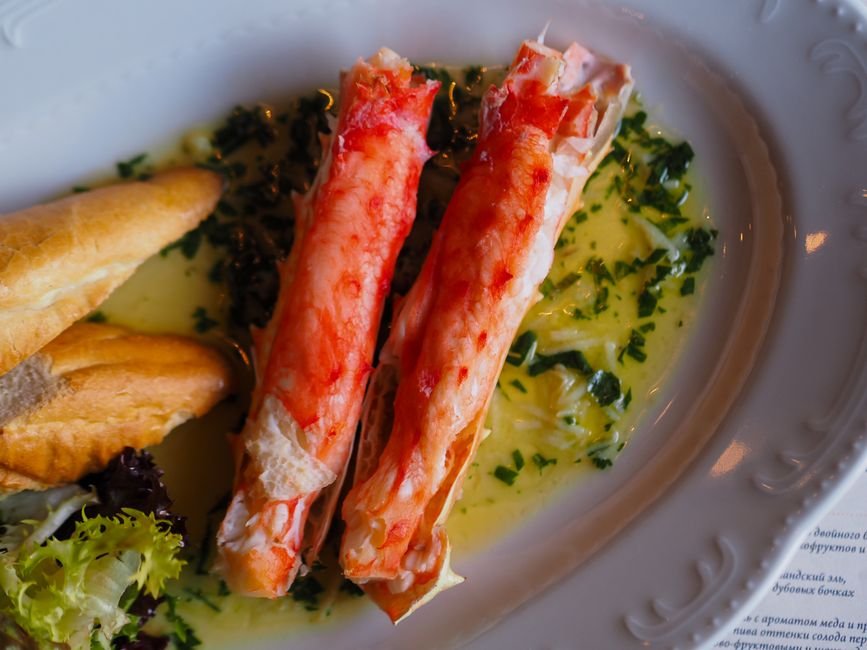
- Larger crab with firmer, buttery meat; often sold frozen as legs
- Higher price point; popular in Alaska and specialty seafood markets
Practical takeaway: If your goal is maximum protein per calorie, blue crab edges out king crab by 2g of protein. If you prefer richer flavor and firmer texture, king crab delivers that despite marginally fewer calories. Both are excellent lean proteins. Your choice comes down to availability, budget, and texture preference rather than major nutritional differences.
Is Crab Good for Weight Loss?
Yes. Crab is one of the best seafood choices for weight loss because it delivers high protein in very few calories, with virtually no carbohydrates and minimal fat. A 3-ounce serving (about the size of a deck of cards) provides 18g of protein for just 85 calories, which supports satiety and helps preserve muscle while you’re in a calorie deficit. The key is how you prepare and serve it: boiled or steamed crab is ideal; crab cakes, crab dip, and imitation crab often contain added fillers, oils, and sodium that inflate the calorie count.
Tips to Eat Crab Without Gaining Weight:
- Choose preparation method: Boil, steam, or bake crab. Avoid frying or mixing into mayo-heavy dips. If eating crab cakes, check the label—store-bought versions range from 160–200 calories per cake due to breadcrumbs and oil.
- Skip the drawn butter: Melted butter adds 100+ calories per tablespoon. Use lemon juice, Old Bay seasoning, or a light vinegar drizzle instead.
- Watch imitation crab: Surimi-based imitation crab is lower in protein (8g per 3 oz) and often contains added sugars and sodium. Real crab is nutritionally superior for weight loss.
- Control portion size: A standard meal portion is 3–4 ounces of meat. Measure it if you’re tracking calories; it’s easy to underestimate when picking meat from shells.
Combined with vegetables or a side salad, a serving of steamed crab makes a complete, low-calorie, protein-rich meal that supports steady weight loss without hunger.
How Portion Size Affects Calories
Crab meat calories scale linearly with portion size because it contains no significant variable elements like water loss or preparation-induced shrinkage. A 3-ounce serving is standard; portions beyond that are common at restaurants or when eating whole crabs, where the meat yield varies by crab size and how thoroughly you extract the meat. Most people extract more meat than they think, so weighing is worth doing once to calibrate your eye.
Example:
- 3 oz (85g) blue crab: 85 calories, 18g protein — a standard single serving
- 6 oz (170g) blue crab: 170 calories, 36g protein — a larger meal portion or two standard servings
For a whole crab, expect 3–5 ounces of edible meat depending on size and species; larger crabs yield proportionally more meat.
Best Way to Measure Crab Accurately
Because crab meat is often extracted from shells by hand, portion sizes can be inconsistent. If you’re tracking calories for weight loss or muscle building, a kitchen scale is the most accurate method. Measure the meat after cooking and any extraction; store-bought lump or claw meat is already separated, making weighing straightforward. If eating a whole crab, weigh the meat after you’ve extracted it to understand how much you actually consumed.
Options:
- Kitchen scale (most accurate): Weigh meat to the nearest gram. Convert to ounces if needed (28.35g = 1 oz).
- Volume measure (approximate): 1/2 cup of loosely packed crab meat ≈ 2 oz. This works if you don’t have a scale but is less precise.
- Visual reference: 3 oz of crab meat is roughly the size of a deck of cards or a chicken breast. Use this only as a rough guide if measuring isn’t possible.
Calculate Your Exact Calorie Intake
If crab is a regular part of your diet—whether for muscle building, weight loss, or general health—tracking your total daily calorie and macro intake makes sense. One 3-ounce serving fits into almost any calorie budget, but if you eat crab three times a week or make crab dishes at home, those calories add up and deserve tracking.
Our free AI nutrients calculator analyzes the complete nutritional content of your meals, so you can see exactly how crab (and other foods) fit into your daily targets for protein, carbs, and fat. Simply log your meal and get instant macros.
- See full nutritional breakdowns for crab and paired sides (rice, salad, pasta)
- Track protein intake to ensure you’re meeting muscle-building or satiety goals
- Adjust portion sizes in real time and watch how macros change
Use the free nutrients calculator now to log your crab meal and see exactly where it fits in your daily nutrition plan.
Common Mistakes When Eating Crab
Even though crab is nutritionally excellent, people often eat it in ways that undermine their health goals. Here are four habits to avoid.
❌ Drowning crab in melted butter or garlic butter sauce. A single tablespoon adds 100 calories and 11g fat; a typical crab dipping dish easily exceeds 300 calories. Use lemon juice or hot sauce instead.
❌ Confusing imitation crab with real crab. Imitation crab (surimi) has half the protein, added sugars, and more sodium than real crab meat. Check ingredient lists and labels.
❌ Eating crab cakes without checking the recipe or label. Store-bought crab cakes often contain breadcrumbs, mayo, and egg, pushing calories to 160–200 per cake—more than double plain crab meat.
❌ Not measuring portions when eating whole crabs. It’s easy to extract and eat 8–10 ounces without realizing it, which doubles your calorie intake.
Be intentional about preparation, label-read when buying pre-made crab products, and weigh portions if tracking calories matters to you.
FAQ
How many calories are in 100g of crab?
A 100g serving of cooked blue crab contains approximately 100 calories and 21g protein. This is slightly more than a standard 3-ounce (85g) serving and is a common metric used in nutritional databases.
Is crab fattening?
No. Crab is one of the leanest animal proteins available, with only 1.6g of total fat per 3-ounce serving and virtually no carbohydrates. It’s fattening only if prepared with butter, mayonnaise, or fried in oil. Plain boiled or steamed crab is an excellent choice for weight management.
How much protein is in a whole crab?
A whole blue crab (about 100–150g whole weight) yields 3–5 ounces of edible meat, providing 54–90g of protein. The exact amount depends on crab size and how thoroughly you extract the meat from the shell and legs.
Does crab have cholesterol?
Yes. A 3-ounce serving of crab contains 78mg of cholesterol (26% of the daily limit). While this is moderate, people managing cholesterol should be aware. Crab is still a good protein choice because it’s very low in saturated fat (0.2g per serving).
Conclusion
Crab is a nutritional standout: lean, protein-rich, low in calories, and packed with micronutrients like B12, selenium, and zinc. Whether you choose blue crab, king crab, or another variety, a standard serving delivers outstanding macro and micronutrient density without excess calories or fat. It’s an ideal protein for weight loss, muscle building, and overall health when prepared simply—boiled, steamed, or baked without added butter or oils.
Your biggest decision is preparation method and portion control. Measure your crab meat once or twice to understand portion sizes, choose boiling or steaming over frying, and skip the drawn butter. If you eat crab regularly, use a reliable **nutrients calculator** to log your meals and ensure crab fits your daily calorie and protein targets. With crab on the menu, you’re making a protein choice that works for nearly any health goal.
