
Mahi mahi, also called dolphin fish, is a lean saltwater fish widely eaten in tropical and subtropical regions, especially in Hawaii, Central America, and the Caribbean. It’s favored by athletes, fitness enthusiasts, and anyone pursuing lean muscle gain or weight loss because of its high protein content and low fat profile. Whether grilled, baked, or pan-seared, mahi mahi is a versatile protein source that fits easily into structured nutrition plans.
Understanding the calorie and macro content of mahi mahi is essential for anyone tracking intake for performance, weight management, or metabolic health. This guide covers exact calorie counts for common portions, complete nutrition facts, and practical strategies for incorporating this fish into your daily goals.
Calories in Mahi Mahi (Quick Answer)
A typical 3.5-ounce (100g) serving of cooked mahi mahi contains approximately 93 calories.
- 3.5 oz (100g) cooked: 93 calories
- 6 oz (170g) cooked fillet: 158 calories
- 1 pound (454g) raw: 413 calories
Calorie values may shift slightly based on cooking method, fat added during preparation, and whether the skin is included or removed.
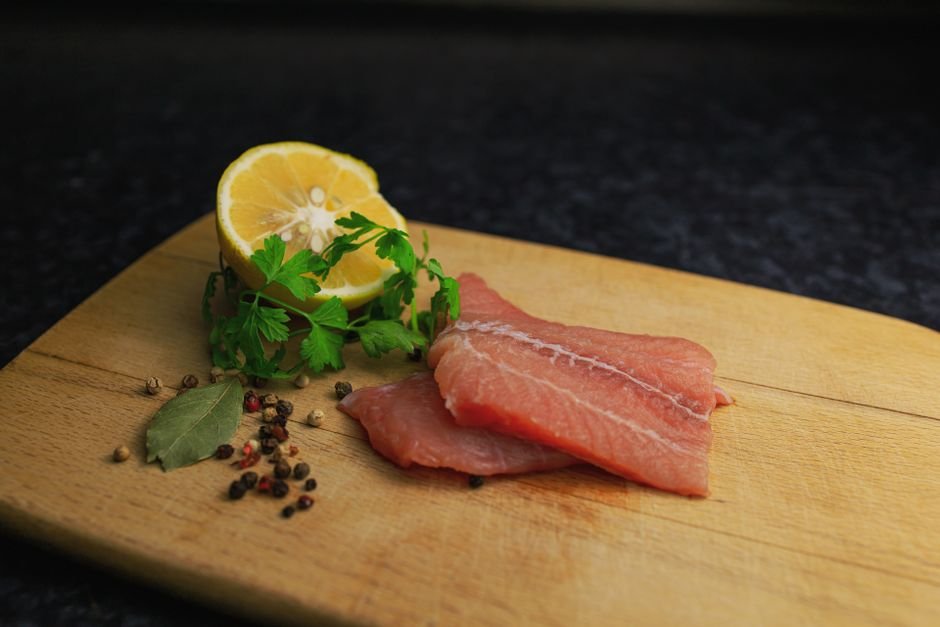
Full Nutrition Facts for 3.5 oz (100g) of Cooked Mahi Mahi
This breakdown represents a typical 100-gram serving of mahi mahi cooked with minimal added fat, reflecting the fish’s natural lean profile.
| Nutrient | Amount | % Daily Value |
|---|---|---|
| Calories | 93 | 5% |
| Total Fat | 0.8g | 1% |
| Saturated Fat | 0.2g | <1% |
| Cholesterol | 73mg | 24% |
| Sodium | 89mg | 4% |
| Total Carbohydrate | 0g | 0% |
| Dietary Fiber | 0g | 0% |
| Total Sugars | 0g | 0% |
| Protein | 20.3g | 41% |
| Vitamin B12 | 0.84 mcg | 35% |
| Selenium | 36.5 mcg | 67% |
| Potassium | 523mg | 11% |
*Percent Daily Values are based on a 2,000-calorie diet. Source: USDA FoodData Central.
Key insight: Mahi mahi delivers exceptional protein-to-calorie efficiency—nearly 41% of the food’s calories come directly from protein, with virtually no carbohydrates. The fish is also notably rich in selenium, a mineral crucial for thyroid function and antioxidant defense, making it a nutrient-dense choice for anyone prioritizing lean mass gain without excess energy intake.
Etekcity Food Scale
0.1g accuracy — the perfect companion for exact portions.
Raw vs. Cooked Mahi Mahi: How Preparation Changes Nutrition
Raw Mahi Mahi (3.5 oz / 100g)
- Approximately 80 calories per serving
- 20.5g protein (higher before water loss during cooking)
- Requires immediate consumption or proper freezing to ensure food safety
Cooked Mahi Mahi (3.5 oz / 100g)
- Approximately 93 calories per serving (slight increase due to water reduction)
- 20.3g protein (minor loss but remains exceptionally high)
- Cooking concentrates flavors and makes nutrients more bioavailable for absorption
Practical takeaway: Cooking mahi mahi causes modest water loss, slightly concentrating calories and minerals in the finished product. For precise macro tracking, weigh your fish after cooking rather than raw, since typical cooking losses run 20–25% by weight. Both raw and cooked forms deliver outstanding protein density; cooked mahi is safer and offers marginally better nutrient absorption.
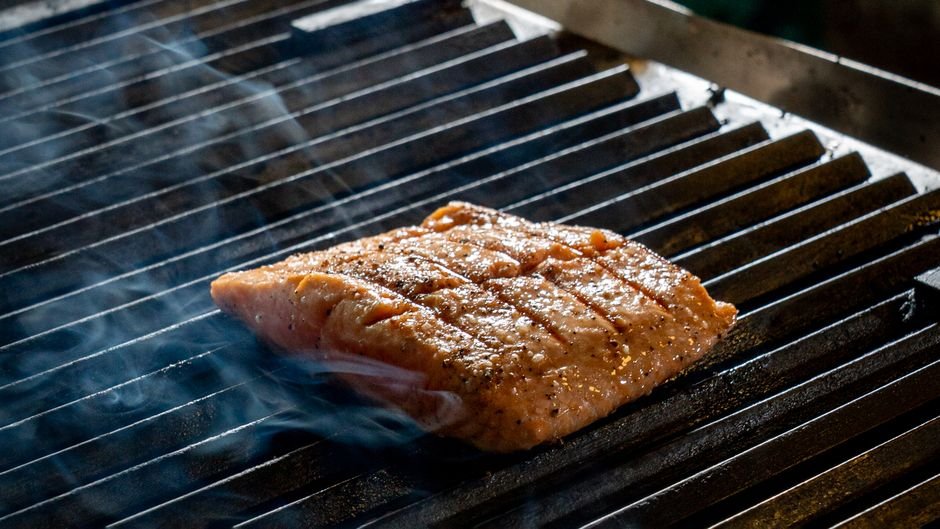
Is Mahi Mahi Good for Weight Loss?
Mahi mahi is an excellent choice for weight loss. At 93 calories and 20g protein per 100-gram serving, it provides maximum satiety with minimal caloric expense. The high protein content preserves muscle mass during calorie restriction, boosts thermic effect (your body burns calories digesting protein), and suppresses hunger hormones longer than carbohydrates or fat alone. The absence of added sugar and refined carbs makes it compatible with most structured diet approaches.
Tips to Eat Mahi Mahi Without Gaining Weight:
- Measure your portion: Aim for 5–7 oz (150–200g) cooked per meal to balance satiety with calorie control. Eyeballing portions often leads to underestimation.
- Choose lean cooking methods: Grill, bake, broil, or poach without added oil. If you use oil, measure it—1 tablespoon adds ~120 calories that scale up quickly.
- Pair with low-calorie vegetables: Serve mahi mahi with leafy greens, broccoli, or Brussels sprouts to increase volume and fiber without significant calorie load.
- Avoid heavy sauces: Cream-based or buttery sauces can double the calorie content. Use lemon, herbs, or salsa instead.
Mahi mahi’s lean profile makes it one of the most weight-loss-friendly proteins available. Combined with portion awareness and clean preparation, it becomes a cornerstone of sustainable calorie deficit eating.
How Portion Size Affects Calories
Small shifts in portion size create meaningful calorie differences. A single 2-ounce increment changes your intake substantially when tracking macros for weight loss or muscle gain. Most restaurant servings of mahi mahi exceed standard nutrition labels, often delivering 6–8 oz (170–230g) in a single entrée, which doubles the calorie load and protein intake compared to a standard reference serving.
Example:
- Small portion (3 oz / 85g cooked): ~79 calories, 17g protein
- Large portion (8 oz / 227g cooked): ~211 calories, 46g protein
Knowing your target serving size prevents unintended calorie creep and ensures accurate nutrition tracking.
Best Way to Measure Mahi Mahi Accurately
Precision in portion measurement is critical for consistent macro tracking. Visual estimation of fish thickness and density is unreliable; a fillet that looks similar in size can vary 20–30% in actual weight. Use a digital kitchen scale calibrated to zero before each measurement to ensure accuracy. Weigh your mahi mahi after cooking (since cooking loss is consistent), immediately after it cools to prevent measurement errors from residual heat.
Options:
- Digital kitchen scale (most accurate): Place a plate on the scale, tare to zero, then add cooked mahi mahi. Record weight in grams for maximum precision.
- Volume measurement (less precise): Use measuring cups as a rough backup, though fish density varies; 1 cup of flaked mahi mahi ≈ 140–160g depending on packing.
- Reference cards or apps: Take a photo of your portion next to a standard object (credit card, coin) for consistent visual calibration across meals.
Calculate Your Exact Calorie Intake
Mahi mahi’s simple nutritional profile makes it easy to estimate, but precise calorie intake across your entire day requires tracking all foods and beverages together. A single underestimation in portion size—or misjudging a cooking oil serving—can create a 100–200 calorie swing that compounds across the week.
Use our free AI nutrients calculator to log your meals and track macros automatically. Simply enter the weight and preparation method of your mahi mahi, plus all other foods, and receive instant nutrient breakdowns tailored to your goals.
- Automatic macro and micronutrient calculation across all meals
- Real-time feedback on progress toward daily protein, calorie, and carb targets
- Food logging and barcode scanning for rapid entry and consistency
Common Mistakes When Eating Mahi Mahi
Even a lean fish like mahi mahi can derail your nutrition plan if prepared or portioned carelessly. Here are the most frequent errors:
❌ Adding hidden calories through cooking oil: Pan-frying mahi mahi in 2 tablespoons of olive oil adds ~240 calories—more than the fish itself. Use cooking spray or measure oil precisely to 1 teaspoon.
❌ Underestimating portion size: A restaurant fillet is often 7–9 oz (200–255g), not the 3.5 oz standard. Restaurant meals can deliver 180–230 calories instead of the expected 93–140.
❌ Pairing with calorie-dense sides: Mahi mahi served with butter-drenched rice, creamy coleslaw, or fried chips cancels its lean advantage. Select grilled vegetables or plain starches.
❌ Relying on restaurant nutrition labels: Chain restaurants often overestimate portion size or underestimate oil use in their published values. Assume 10–15% higher actual calories than listed.
Awareness of these pitfalls ensures mahi mahi remains the lean protein asset you intended.
FAQ
How many calories are in 100g of cooked mahi mahi?
A 100g (3.5 oz) serving of cooked mahi mahi contains 93 calories. This figure assumes minimal added fat; if oil or butter is used during cooking, calories will increase proportionally.
Is mahi mahi fattening?
No. Mahi mahi is one of the leanest fish available, with only 0.8g total fat and 93 calories per 100g. It becomes fattening only if prepared with excess oil, butter, or creamy sauces, or paired with calorie-dense sides. Cooked plainly, it supports weight loss and muscle gain equally well.
Does mahi mahi contain mercury or other contaminants?
Mahi mahi is moderate in mercury—lower than swordfish or king mackerel but higher than salmon or tilapia. The FDA recommends consuming 2–3 servings per week for most adults, and limiting intake to 1 serving weekly for pregnant women and young children.
How does mahi mahi compare nutritionally to chicken breast?
Mahi mahi (93 cal, 20g protein per 100g) is slightly lower in calories than skinless chicken breast (165 cal, 31g protein per 100g). Mahi mahi provides more selenium and B12; chicken offers more niacin. Both are excellent lean proteins—choice depends on preference and variety in your diet.
Conclusion
Mahi mahi is a nutrient-dense, lean fish that delivers an exceptional protein-to-calorie ratio with virtually no carbohydrates and minimal fat. At 93 calories and 20g protein per 100-gram serving, it ranks among the top choices for weight loss, muscle building, and general metabolic health. Its mild flavor and versatile cooking options make it accessible to most palates and meal plans.
Success with mahi mahi depends on three habits: precise portion measurement (always weigh after cooking), clean preparation (grill or bake rather than fry), and tracking alongside all other foods to ensure consistent progress. For comprehensive daily nutrition tracking across all your meals, use a reliable nutrients calculator to remove guesswork and stay aligned with your goals.
