
Sunflower seeds are a globally popular snack and ingredient, enjoyed raw, roasted, and salted across North America, Europe, and Asia. Whether you’re looking to boost energy levels, build muscle, manage blood sugar, or simply find a satisfying snack that fits your calorie goals, sunflower seeds deliver impressive nutritional density. They’re a staple for fitness enthusiasts, vegetarians, and anyone seeking plant-based protein and healthy fats.
But if you’re counting calories, the question is straightforward: how many calories are in sunflower seeds? This article breaks down exact calorie counts for common portions, provides complete nutrition facts, and answers the real-world questions that matter when you’re trying to manage your diet.
Calories in Sunflower Seeds (Quick Answer)
Here are the most common serving sizes and their calorie content:
- 1 ounce (28g) raw sunflower seeds: 165 calories
- ¼ cup (35g) raw sunflower seeds: 205 calories
- 1 ounce (28g) roasted, salted sunflower seeds: 165 calories
Calorie counts vary slightly by roasting method, salt content, and whether seeds are in-shell or already shelled. Values above reflect the most common commercial preparations.
Full Nutrition Facts for 1 Ounce (28g) of Raw Sunflower Seeds
Here is the complete nutritional breakdown for a standard 1-ounce serving of raw sunflower seeds:
| Nutrient | Amount | % Daily Value |
|---|---|---|
| Calories | 165 | — |
| Total Fat | 14g | 18% |
| Saturated Fat | 1.5g | 8% |
| Cholesterol | 0mg | 0% |
| Sodium | 2mg | <1% |
| Total Carbohydrate | 7g | 2% |
| Dietary Fiber | 2.4g | 10% |
| Total Sugars | 1.5g | — |
| Protein | 5.5g | 11% |
| Vitamin E | 8.4mg | 56% |
| Selenium | 22.5mcg | 41% |
| Magnesium | 37mg | 9% |
*Percent Daily Values are based on a 2,000-calorie diet. Source: USDA FoodData Central.
Key insight: Sunflower seeds pack an extraordinary amount of vitamin E—56% of the daily value in just one ounce. Vitamin E is a powerful antioxidant that protects cells from oxidative damage and supports immune function. Combined with selenium (another antioxidant mineral at 41% DV) and the seed’s respectable protein and fiber content, sunflower seeds are one of the most nutrient-dense snacks available, making them ideal for maintaining satiety without excess calories.
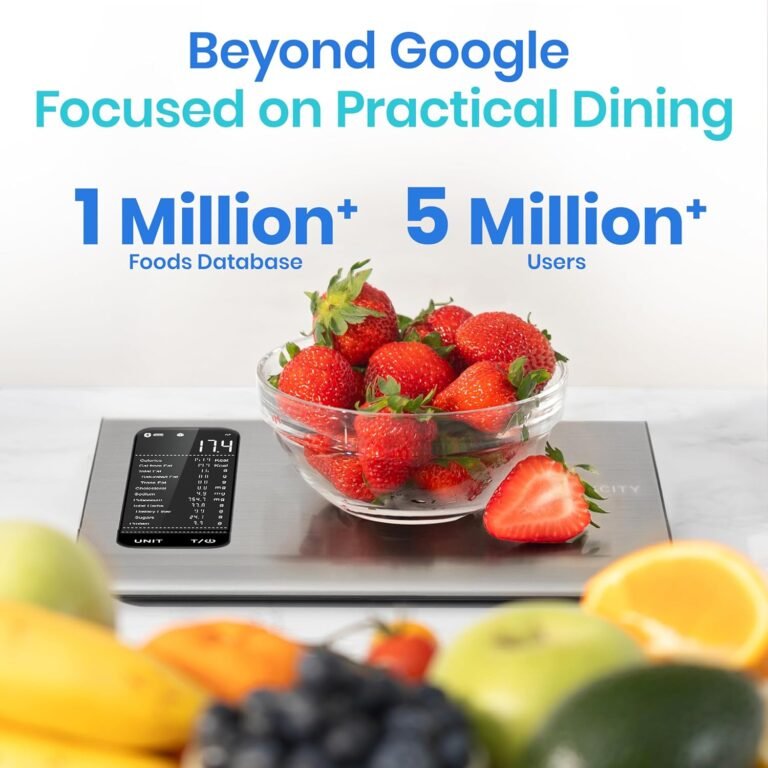
Etekcity Food Scale
0.1g accuracy — the perfect companion for exact portions.
Raw vs. Roasted Sunflower Seeds: Key Differences
Raw Sunflower Seeds
- 165 calories per ounce with a naturally mild, slightly sweet flavor
- Retain maximum enzyme activity and heat-sensitive vitamins
- Slightly lower sodium and often preferred by those minimizing salt intake
Roasted Sunflower Seeds
- 165–170 calories per ounce; roasting concentrates flavors but does not significantly increase calories
- More pronounced, nutty taste that makes them more appealing to casual snackers
- Salted varieties add flavor convenience but increase sodium from <1% to 8–15% DV per ounce
Bottom line: Both raw and roasted sunflower seeds deliver nearly identical calorie and macronutrient profiles. The choice comes down to taste preference and sodium sensitivity. Raw seeds are ideal if you want to avoid added salt; roasted seeds are more flavorful and satisfying for snacking. From a pure nutrition standpoint, neither has a significant calorie advantage—focus on portion control rather than the preparation method.
Is Sunflower Seeds Good for Weight Loss?
Yes, sunflower seeds can support weight loss when eaten mindfully. They’re calorie-dense (165 calories per ounce) but high in protein (5.5g), fiber (2.4g), and healthy fats that promote satiety. The combination of these nutrients means a small portion keeps you fuller longer, reducing overall calorie intake. Their low net carb content (about 4.6g net carbs per ounce) also makes them suitable for low-carb diets. The key is eating them intentionally—measured portions rather than eating directly from a large bag.
Tips to Eat Sunflower Seeds Without Gaining Weight
- Pre-portion them: Measure out 1 ounce (about 23 seeds) into small containers or bags at the start of the week. This prevents mindless overeating and makes tracking calories effortless.
- Eat the shells: In-shell sunflower seeds force you to slow down and chew, increasing satiety signals to your brain. They take longer to consume, making a small portion feel more substantial.
- Pair with water-rich foods: Combine sunflower seeds with vegetables, fruit, or plain yogurt to add volume and fiber without significant extra calories.
- Avoid flavored or candy-coated varieties: Honey-roasted, chocolate-covered, or heavily salted blends add 30–50 calories per ounce. Stick to plain raw or lightly roasted for weight-conscious eating.
When incorporated into a calorie-controlled diet, sunflower seeds are a smart snack choice that satisfies cravings without derailing your progress.
How Portion Size Affects Calories
Portion size is the single most important factor controlling calorie intake from sunflower seeds. Because they’re nutrient-dense and calorie-concentrated, even small differences in serving size create meaningful calorie variations. A handful that feels “small” might contain 200–250 calories—more than one-fifth of a typical 2,000-calorie daily diet. Understanding standard portions helps you stay accountable without guessing.
Example:
- Small portion (0.5 ounce / 14g): 82 calories—good as a light snack or topping for salads and yogurt
- Standard portion (1 ounce / 28g): 165 calories—appropriate as a standalone snack between meals
- Large handful (2 ounces / 56g): 330 calories—equivalent to a light meal; only suitable if tracking total daily intake
Using a kitchen scale or a standard ¼-cup measuring cup ensures you know exactly how many calories you’re consuming and supports consistent progress toward your goals.
Best Way to Measure Sunflower Seeds Accurately
Measuring by weight is always most accurate, but several methods work depending on your kitchen setup. The challenge with sunflower seeds is that their bulk varies by type (in-shell vs. shelled, raw vs. roasted) and how tightly they’re packed. A food scale removes all guesswork and takes only seconds. If you don’t have a scale, measuring cups are the next best option—just ensure you’re using true cup measurements, not casual handfuls.
Options:
- Digital food scale: Most accurate method. Weigh to 28g (1 ounce) for precise 165-calorie portions. Scales cost $10–30 and are invaluable for any diet tracking.
- Measuring cup: Use a standard 1-cup measuring cup. Fill to ¼ cup (35g) for 205 calories. Pack lightly—don’t compress the seeds. This method is less precise but convenient.
- Portion-control containers: Pre-fill small containers or snack bags with single portions (1 ounce) and grab one as needed. This removes decision fatigue and prevents overeating.
Calculate Your Exact Calorie Intake
Sunflower seeds fit into almost any calorie goal—whether you’re in a deficit for weight loss, at maintenance, or in a surplus for muscle gain. But to know whether they’re helping or hindering your progress, you need to know your total daily intake and how sunflower seeds fit into that number. A rough estimate isn’t enough; precision tracking works.
Our site offers a free AI-powered nutrients calculator that breaks down not just calories but protein, carbs, fat, fiber, and micronutrients for any food or meal. Simply log your sunflower seed portion and instantly see how it affects your macronutrient targets for the day. Check out the free nutrients calculator to start tracking with confidence.
- Instantly calculate calories and all macro- and micronutrients for any portion size
- Track multiple foods and meals throughout the day to see your total intake
- Adjust portions in real time to hit your protein, carb, and fiber goals
Common Mistakes When Eating Sunflower Seeds
Despite their nutritional value, certain eating habits can turn sunflower seeds into a calorie trap. Here are the most frequent mistakes people make:
❌ Eating directly from the bag or bulk container without measuring. This leads to consuming 3–4 ounces (500+ calories) without realizing it, especially when distracted by TV or work.
❌ Choosing salted or flavored varieties without checking labels. Honey-roasted or chocolate-coated sunflower seeds add sugar and extra calories; salted varieties can push sodium to 300–400mg per ounce.
❌ Forgetting to count shelled sunflower seeds in salads, granola, or trail mix. Because they’re small and mixed with other ingredients, people often underestimate or forget to log them entirely.
❌ Assuming in-shell sunflower seeds have fewer calories because they’re mostly shell. The edible portion has the same calorie density as shelled seeds—the shell doesn’t reduce what you’re actually consuming.
Avoid these pitfalls by pre-portioning, checking labels, logging all servings—even small additions to meals—and using a food scale or measuring cup every time.
FAQ
How many calories are in 100g of sunflower seeds?
100g of raw sunflower seeds contains approximately 585 calories. This is roughly 3.5 ounces—a large handful or a typical serving for adding to granola, salads, or baking. When calculating for recipes or larger portions, use this baseline and adjust by weight.
Are sunflower seeds fattening?
Sunflower seeds are calorie-dense but not inherently fattening. They’re high in healthy monounsaturated and polyunsaturated fats—not saturated fat—plus protein and fiber that support satiety. They cause weight gain only when eaten in excess without accounting for total calorie intake. Controlled portions (1 ounce) fit comfortably into weight-loss diets.
Do sunflower seeds cause bloating or digestive issues?
For most people, no. Sunflower seeds are easily digested and their 2.4g of fiber per ounce actually supports digestive health. However, eating large quantities (3+ ounces) without adequate water intake can cause bloating or mild constipation. Start with standard portions (1 ounce) and drink plenty of water to avoid any discomfort.
Can you eat sunflower seeds on a keto diet?
Yes, sunflower seeds are keto-friendly. With only 4.6g net carbs per ounce (7g total carbs minus 2.4g fiber), they fit easily into a 20–50g daily net carb limit. They’re an excellent source of fat and protein for keto snacking, but portion control remains important to stay within calorie targets.
Conclusion
Sunflower seeds are a nutrient-dense, calorie-conscious choice for nearly any dietary goal. At 165 calories per ounce, they deliver 5.5g of protein, 2.4g of fiber, exceptional levels of vitamin E and selenium, and healthy unsaturated fats—all in a compact, portable form. Whether you’re managing weight, building muscle, or simply looking for a satisfying snack, sunflower seeds punch well above their weight nutritionally.
The key to success is intentional portion control: measure your servings, choose raw or lightly roasted varieties over heavily salted blends, and log them consistently in your diet tracking. Use a **reliable nutrients calculator** to verify that your sunflower seed portions fit into your daily macronutrient and calorie targets, and you’ll find them a valuable addition to a balanced, sustainable eating plan.
