
Dates have been a staple food in the Middle East and North Africa for thousands of years, and their popularity is growing globally. Whether consumed fresh, dried, or blended into smoothies and desserts, dates are eaten by people pursuing various health goals—from those managing blood sugar to athletes seeking natural energy. Their sweet taste and nutrient density make them a favorite alternative to processed sugars.
But if you’re tracking your diet or watching your calorie intake, you need to know exactly how many calories are in dates and how they fit into your nutritional goals. This article breaks down the complete calorie and nutrition profile of dates, helping you make informed choices.
Calories in Dates (Quick Answer)
A single serving of dates varies depending on type and preparation, but here are the most common varieties:
- One medium Medjool date (24g): 67 calories
- One medium Deglet Noor date (7g): 20 calories
- One cup of pitted dates (178g): 489 calories
Calorie content varies by variety, harvest season, ripeness, and moisture content. Medjool dates are larger and higher in calories; Deglet Noor dates are smaller and denser.
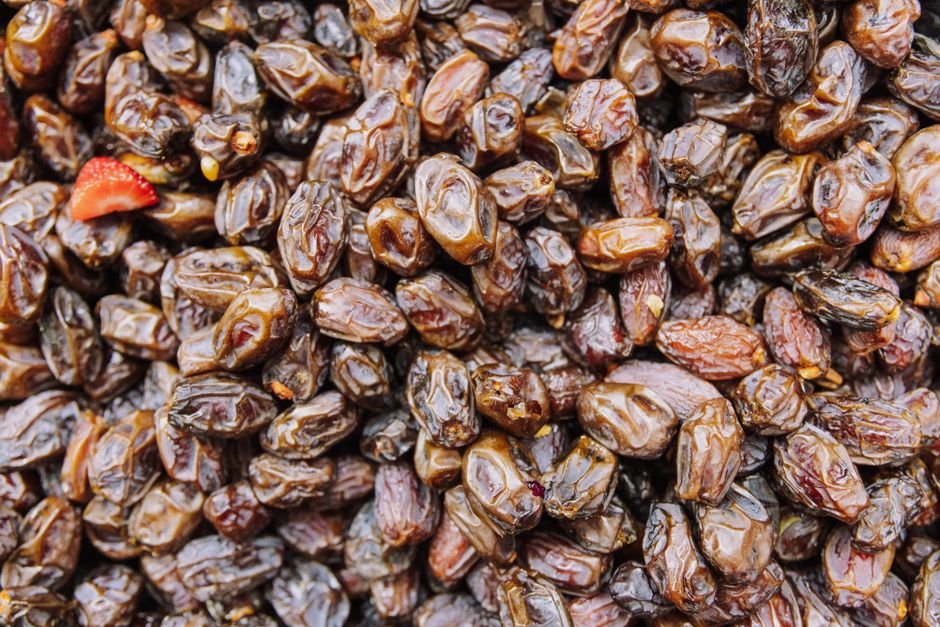
Full Nutrition Facts for One Medium Medjool Date (24g)
A single medium Medjool date provides a concentrated dose of natural sugars, fiber, and minerals. Here’s the complete breakdown:
| Nutrient | Amount | % Daily Value |
|---|---|---|
| Calories | 67 | — |
| Total Fat | 0.1g | <1% |
| Saturated Fat | 0g | 0% |
| Cholesterol | 0mg | 0% |
| Sodium | 1mg | <1% |
| Total Carbohydrate | 18g | 6% |
| Dietary Fiber | 1.6g | 6% |
| Total Sugars | 16g | — |
| Protein | 0.4g | <1% |
| Potassium | 167mg | 5% |
| Magnesium | 7mg | 2% |
| Copper | 0.08mg | 4% |
*Percent Daily Values are based on a 2,000-calorie diet. Source: USDA FoodData Central.
Key insight: A single Medjool date delivers nearly all its calories from carbohydrates—mostly natural sugars—with virtually no fat or protein. The trade-off is significant fiber (1.6g per date), which slows sugar absorption and supports digestive health. The potassium content (167mg) makes dates a valuable source of this mineral, important for heart and muscle function.
Etekcity Food Scale
0.1g accuracy — the perfect companion for exact portions.
Medjool Dates vs. Deglet Noor Dates: What’s the Difference?
Medjool Dates
- Larger, softer, and creamier texture
- Higher in calories: 67 calories per 24g date
- Sweeter and more caramel-like in flavor
Deglet Noor Dates
- Smaller, firmer, and chewier texture
- Lower in calories: 20 calories per 7g date (about 3x fewer calories per date)
- Milder, slightly honey-like flavor
Practical takeaway: If you’re counting calories, Deglet Noor dates offer more portion flexibility—you can eat three of them for roughly the same calories as one Medjool date. Both varieties provide fiber and potassium, but Medjool’s larger size makes it easier to satisfy a sweet craving with a single piece. Choose based on your calorie goals and preferred texture.
Is Dates Good for Weight Loss?
Dates can fit into a weight-loss plan, but only in controlled portions. Each date is calorie-dense and high in natural sugars, so eating a handful without measuring can quickly add 300+ calories. However, the fiber and sugar combination can trigger satiety signals, meaning a single date or two may satisfy a sweet craving without requiring a full dessert. The key is treating dates as a measured snack, not an unlimited food.
Tips to Eat Dates Without Gaining Weight:
- Measure your portion: Stick to 1–2 dates per snack (70–135 calories), not a handful.
- Pair with protein: Eat a date with a handful of almonds or a spoonful of almond butter to add satiety and slow sugar absorption.
- Choose Deglet Noor: Swap Medjool for Deglet Noor to eat three dates for the calories of one Medjool.
- Skip processed date products: Date bars, date paste, and date-sweetened snacks often contain added sugars and oils that inflame the calorie count.
Eating dates mindfully—measuring, pairing with protein, and choosing smaller varieties—makes them compatible with weight-loss goals. The fiber and micronutrients mean you’re not just consuming empty calories.
How Portion Size Affects Calories
Dates are a perfect example of how portion size dramatically changes calorie impact. Because each date is small and calorie-dense, it’s easy to underestimate how many you’ve eaten. A casual handful can quickly become 200–400 calories. Using a kitchen scale or counting individual dates ensures you stay on track.
Example:
- 2 Medjool dates (48g): 134 calories
- 10 Medjool dates (240g): 670 calories
Notice how doubling your portion count quintuples the calorie load. Precision matters with dates.
Best Way to Measure Dates Accurately
Because dates vary in size—even within the same variety—visual estimation is unreliable. A kitchen scale is your most accurate tool, but several methods work depending on your setup.
Options:
- Digital kitchen scale: Weigh each date or a batch (target 24g per Medjool, 7g per Deglet Noor) for precise calorie tracking.
- Standardized portions: Pre-portion dates into small containers or freezer bags—e.g., “2-date snacks”—so you grab a measured amount.
- Count method: If using the same variety consistently, count individual dates and multiply by the typical calorie value (67 for Medjool, 20 for Deglet Noor).
Calculate Your Exact Calorie Intake
If you eat dates regularly or use them in recipes, understanding your total daily calorie intake becomes crucial—especially if weight loss or management is your goal. The calorie count from dates, combined with your other meals, determines whether you’re in a deficit or surplus.
Use a free AI nutrient calculator to track your daily intake from dates and all other foods. Our site offers a free nutrients and calorie calculator that logs your food automatically and shows you macros, micros, and trends over time.
- Log dates by variety and portion size for accuracy
- See your daily macronutrient breakdown (carbs, protein, fat)
- Track micronutrients like potassium and magnesium that dates provide
Common Mistakes When Eating Dates
Even health-conscious eaters make errors with dates. Here are the most frequent pitfalls:
❌ Eating dates in unmeasured handfuls: Reaching into a date box and eating until satisfied can mean 5–10 dates (335–670 calories) in one sitting without awareness.
❌ Assuming all dates have the same calories: Mixing Medjool and Deglet Noor without accounting for size differences leads to underestimated intake.
❌ Pairing dates with other sugary foods: Combining a date with a banana, granola, and yogurt creates a 300-calorie “light snack” that isn’t light at all.
❌ Forgetting hidden dates in processed foods: Date paste, date syrup, and date-sweetened bars are sold as healthy but often contain added oils and sugars, increasing calories beyond the date content.
Awareness and measurement prevent these mistakes from derailing your nutrition plan.
FAQ
How many calories are in 100g of dates?
Approximately 282 calories per 100g of raw dates. This assumes a mix of fresh and dried varieties; pure dried dates are closer to 266 calories per 100g.
Is dates fattening?
Dates are high in natural sugars and calories by weight, so eating large portions can contribute to weight gain. However, in measured portions (1–2 dates as a snack), they fit into balanced diets. The fiber and minerals add nutritional value beyond empty calories.
Are dates good for blood sugar management?
Dates have a moderate-to-high glycemic index (around 46 for some varieties) but their fiber content and fructose-rich sugar profile mean they raise blood sugar more slowly than white sugar. People with diabetes should measure portions and pair dates with protein or fat. Always consult a healthcare provider if you have blood sugar concerns.
Can I eat dates every day?
Yes, if portion-controlled. One or two dates daily (70–135 calories) fits into most diets without issue. Just account for their sugars in your overall carbohydrate intake, and balance with protein and fat to prevent blood sugar spikes.
Conclusion
Dates are a nutrient-dense, naturally sweet food packed with fiber, potassium, and antioxidants—but they’re also calorie-dense and sugar-rich. A single Medjool date contains 67 calories and 16g of sugar, making portion control essential if you’re managing your weight or blood sugar. The smaller Deglet Noor variety offers a lower-calorie alternative if you want to eat more pieces without exceeding your calorie target.
Whether you enjoy dates as a snack, ingredient, or natural sweetener, measure them carefully and pair them with protein for sustained energy. Track your intake using a reliable calorie and nutrients calculator to ensure dates align with your daily goals and health priorities.
