
Sweet potatoes are one of the world’s most versatile and nutrient-dense carbohydrate sources. Eaten in cultures from Africa to Asia to the Americas, they’ve become a staple for athletes, fitness enthusiasts, and anyone pursuing better nutrition. Whether you’re tracking calories for weight loss, fueling muscle gain, or managing blood sugar, sweet potatoes offer a balanced nutritional profile that fits most dietary goals.
But the question remains: how many calories are in a sweet potato, and what does that mean for your specific health objectives? This guide breaks down the exact nutrition facts, portion strategies, and practical tips for incorporating sweet potatoes into your diet effectively.
Calories in Sweet Potato (Quick Answer)
A medium raw sweet potato (about 100g) contains roughly 86 calories, though baking slightly concentrates them as water evaporates.
- Raw sweet potato (100g): 86 calories
- Baked sweet potato, with skin (100g): 90 calories
- Medium baked sweet potato (154g, with skin): 103 calories
Calorie content varies slightly based on ripeness, variety (Beauregard, Garnet, Jersey), and growing conditions. The values above reflect standard USDA data for fresh sweet potatoes.
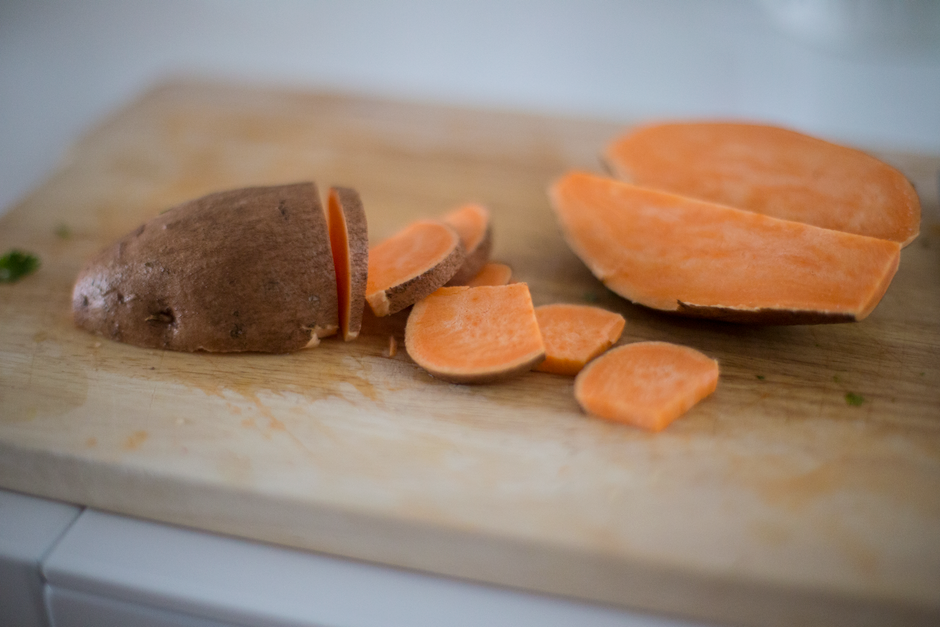
Full Nutrition Facts for 100g of Raw Sweet Potato
A 100-gram serving of raw sweet potato provides a complete nutrient snapshot. This serving size is your baseline for accurate calorie and macronutrient tracking.
| Nutrient | Amount | % Daily Value |
|---|---|---|
| Calories | 86 kcal | 4% |
| Total Fat | 0.1g | <1% |
| Saturated Fat | 0.03g | <1% |
| Cholesterol | 0mg | 0% |
| Sodium | 55mg | 2% |
| Total Carbohydrate | 20.1g | 7% |
| Dietary Fiber | 3g | 12% |
| Total Sugars | 4.2g | — |
| Protein | 1.6g | 3% |
| Vitamin A (RAE) | 961 mcg | 107% |
| Vitamin C | 2.4mg | 4% |
| Potassium | 337mg | 10% |
*Percent Daily Values are based on a 2,000-calorie diet. Source: USDA FoodData Central.
Key insight: Sweet potatoes are exceptionally rich in beta-carotene (converted to Vitamin A), providing over 100% of your daily needs in a single 100g serving. This antioxidant supports eye health, immune function, and skin health. The 3g of fiber per 100g aids digestion and promotes satiety, making sweet potatoes particularly valuable for weight management despite their carbohydrate content.
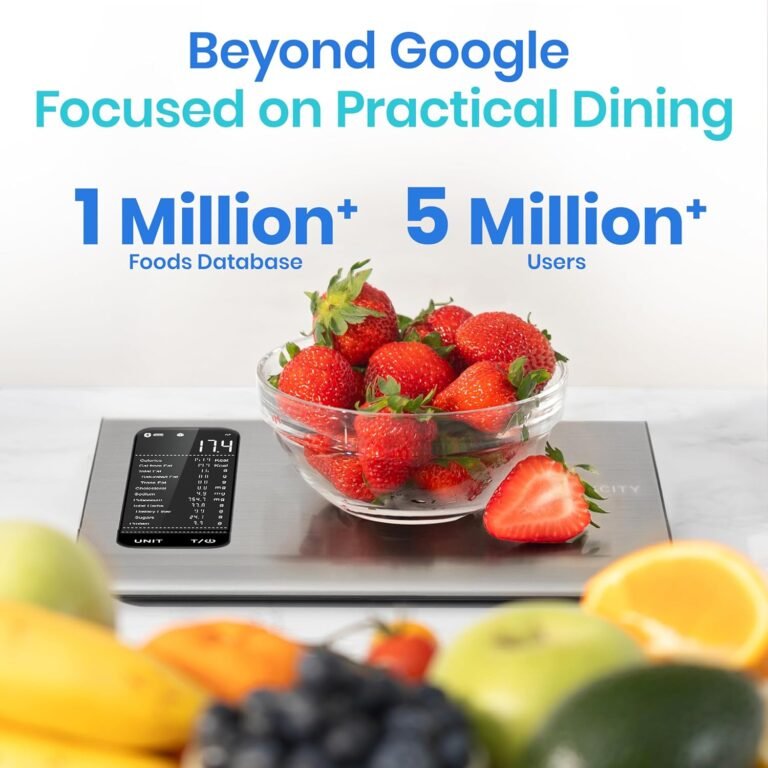
Etekcity Food Scale
0.1g accuracy — the perfect companion for exact portions.
Raw vs. Baked Sweet Potato: How Cooking Changes the Profile
Raw Sweet Potato
- Lower calorie density (86 cal per 100g) due to retained water content
- Harder to digest; less bioavailable nutrients compared to cooked forms
- Higher water weight, so larger volume for same calorie count
Baked Sweet Potato
- Slightly concentrated calories (90 cal per 100g) as water evaporates during baking
- Enhanced nutrient absorption; beta-carotene becomes more bioavailable
- Softer texture and sweeter taste due to starch conversion to simple sugars
Practical takeaway: Baking sweet potatoes makes them more pleasant to eat and easier for your body to absorb their nutrients. The modest calorie increase (4 calories per 100g) is negligible compared to the boost in nutritional absorption. For maximum retention of fiber and vitamins, eat the skin—it contains most of the dietary fiber.
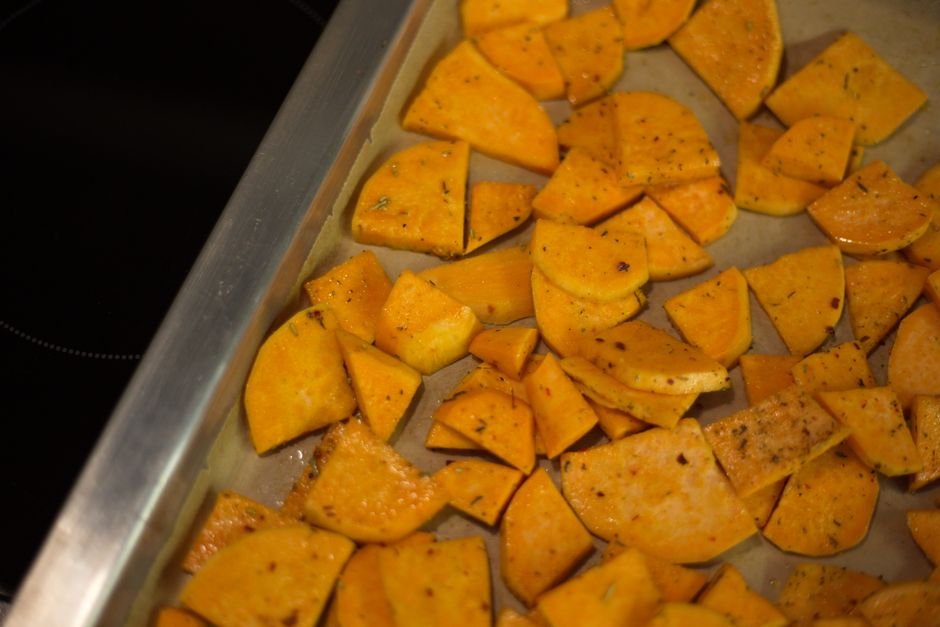
Is Sweet Potato Good for Weight Loss?
Yes, sweet potatoes can support weight loss when portions are controlled. They rank high on the satiety index, meaning they keep you feeling full longer than many other carbohydrate sources. At 86 calories per 100g, a medium baked sweet potato (154g) provides only 103 calories while delivering substantial fiber and micronutrients. The key is treating them as your carbohydrate portion in a balanced meal, not as an unlimited side dish.
Tips to Eat Sweet Potato Without Gaining Weight:
- Stick to one medium-sized sweet potato (154g, ~103 calories) per meal rather than doubling up
- Pair it with lean protein (chicken, fish, tofu) and non-starchy vegetables to create a balanced plate
- Bake or steam instead of frying or loading with butter, which can add 100+ calories in seconds
- Track your total carbohydrate intake; sweet potatoes are carb-dense despite being lower in calories than white potatoes
Sweet potatoes work especially well in weight-loss diets because their fiber content triggers satiety signals faster than refined carbs, reducing overall eating frequency and snacking urges.
How Portion Size Affects Calories
Portion size is the single largest variable in sweet potato calorie intake. A small versus large potato can easily differ by 80+ calories, and adding toppings (butter, sour cream, brown sugar) can triple the calorie count in seconds. Understanding standard serving sizes helps you make informed choices aligned with your calorie goals.
Example:
- Small sweet potato (100g, raw): 86 calories—fits easily into a 2,000-calorie diet as a side
- Large sweet potato (300g, raw): 258 calories—roughly 25% of a 1,000-calorie snack allowance
Weigh your sweet potato before cooking to know your exact starting calories, then account for any oil, butter, or sauce added during preparation.
Best Way to Measure Sweet Potato Accurately
The most reliable method is weighing raw sweet potatoes on a digital food scale before cooking. This eliminates guesswork about size and gives you a baseline calorie count. If you’re tracking cooked weight, account for water loss (baking reduces weight by roughly 15-20%), which effectively concentrates nutrients and calories slightly.
Options:
- Digital food scale (most accurate): Weigh raw sweet potato in grams, then use USDA data or a nutrition tracker for exact calorie count
- Visual reference: A medium sweet potato is roughly the size of a standard computer mouse—use this as a quick mental benchmark when a scale isn’t available
- Nutrition tracker app: Log “sweet potato, baked, with skin” and input weight in grams; apps like MyFitnessPal pull USDA data automatically
Calculate Your Exact Calorie Intake
Knowing that a sweet potato contains 86 calories per 100g is just the start. To optimize your diet for your specific goals—whether that’s maintaining weight, building muscle, or creating a calorie deficit—you need a complete picture of all the foods you eat in a day, including portion sizes, preparation methods, and hidden calories in oils and toppings.
Our free AI nutrients calculator makes this effortless. Simply enter your foods and portion sizes, and it instantly breaks down calories, macronutrients (protein, carbs, fat), and micronutrients—all based on real USDA data. No guessing, no database errors, no AI hallucinations: just accurate numbers you can trust for real results.
- Instantly calculate total daily calories and macronutrients for meal planning
- Compare portion sizes and cooking methods side-by-side to see calorie differences
- Build custom meal plans aligned with your specific health goals and dietary preferences
Access the free nutrients calculator to track your complete daily intake with precision.
Common Mistakes When Eating Sweet Potato
Even nutrient-dense foods like sweet potatoes can derail your goals if preparation or portioning goes off track. Here are the most common errors that add unexpected calories.
❌ Adding butter, brown sugar, or marshmallows during baking. A tablespoon of butter alone adds 100 calories and 11g of fat to an otherwise lean carb source.
❌ Eating multiple sweet potatoes in one sitting (e.g., two large potatoes = ~260 calories and 50g carbs), confusing “healthy food” with “unlimited food.”
❌ Deep-frying or air-frying sweet potato chips without tracking oil. A serving of homemade sweet potato fries can easily exceed 300 calories due to oil absorption.
❌ Pairing sweet potatoes with high-calorie sauces or dressings (ranch, honey butter, marshmallow) that add 200+ extra calories and minimal nutrition.
The fix is simple: enjoy sweet potatoes plain or with minimal seasoning (salt, pepper, cinnamon), measure your portion, and balance it with protein and vegetables.
FAQ
How many calories are in 100g of sweet potato?
A 100g serving of raw sweet potato contains 86 calories. This increases slightly to 90 calories per 100g when baked, as water content decreases and nutrients concentrate.
Is sweet potato fattening?
No. Sweet potatoes are low in fat (0.1g per 100g) and rich in fiber, making them one of the least “fattening” carbohydrate sources available. Weight gain occurs only when portions are excessive or when they’re prepared with high-calorie toppings.
Can I eat sweet potato if I have diabetes?
Yes, in controlled portions. Sweet potatoes have a lower glycemic index than white potatoes and are rich in fiber, which slows blood sugar absorption. Pair them with protein and fat to further moderate glucose spikes, and monitor your individual response.
Does cooking method affect sweet potato calories?
Baking and boiling add minimal calories on their own. However, methods that use added oil (frying, roasting with oil) or toppings (butter, sugar) dramatically increase calorie content. Steaming or baking without oil is the calorie-conscious approach.
Conclusion
Sweet potatoes deliver exceptional nutritional value for their calorie cost. At 86 calories per 100g, they provide over 100% of your daily Vitamin A, significant fiber for digestive health, and substantial potassium—all while remaining low in fat and cholesterol. Their satiety index makes them particularly valuable for weight loss, and their versatility means they work in nearly every diet framework, from paleo to vegan to muscle-building protocols.
Success with sweet potatoes comes down to awareness: measure your portions, choose simple preparation methods, and pair them with protein and vegetables to create balanced meals. For precise tracking of your total daily intake—especially if you’re managing weight, optimizing athletic performance, or addressing metabolic health—use a reliable nutrients calculator based on real USDA data. This removes the guesswork and ensures every meal decision supports your actual goals.
