
Quinoa vs brown rice protein per serving is a question many fitness-focused people ask when trying to build muscle or hit daily protein targets without meat. Both are whole grains celebrated for being “healthier” than white rice, but they stack up differently in the protein column—and the gap is smaller than most supplement marketing suggests. If you’re meal-prepping on a budget or trying to design a vegetarian protein strategy, knowing which grain genuinely delivers more matters.
This article compares the real protein content of cooked quinoa and cooked brown rice serving-for-serving, shows you why the numbers alone don’t tell the whole story, and tells you straight: quinoa wins on protein, but brown rice isn’t far behind. More importantly, we’ll explain when each makes sense in your actual diet and why measuring by weight rather than cups changes everything.
Quinoa vs Brown Rice Protein per Serving: Quick Answer
Quinoa edges out brown rice in protein: a cooked cup of quinoa delivers about 8 grams of protein, while brown rice provides roughly 5 grams per cooked cup. That means quinoa wins by about 60%, making it the better choice if maximum protein-per-volume is your goal. However, the advantage shrinks or even flips when you compare by actual weight eaten, and neither grain is a substitute for legumes or animal protein if muscle-building is your priority.
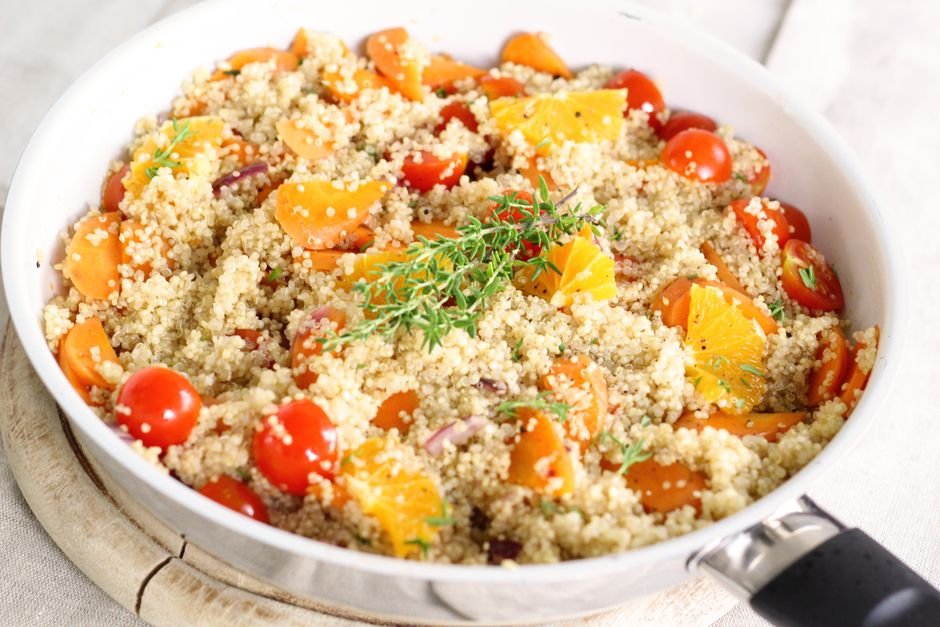
Quinoa vs Brown Rice: Nutrition Comparison
Quinoa (Cooked, 1 Cup / ~185g)
- Protein: 8 grams
- Calories: 222
- Carbohydrates: 39 grams
- Fiber: 5 grams
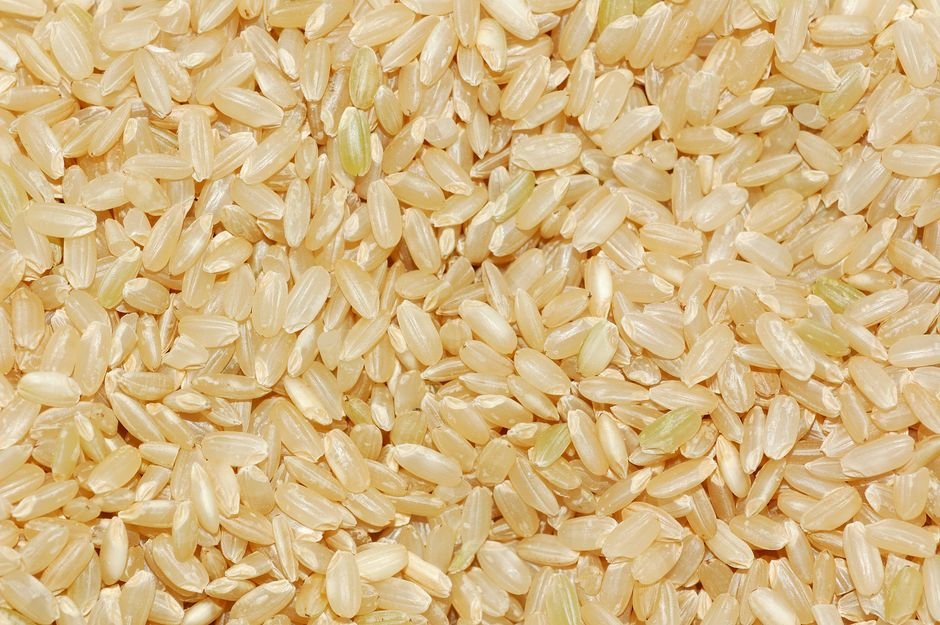
Brown Rice (Cooked, 1 Cup / ~195g)
- Protein: 5 grams
- Calories: 215
- Carbohydrates: 45 grams
- Fiber: 4 grams
| Nutrient (per 1 cooked cup) | Quinoa | Brown Rice |
|---|---|---|
| Protein | 8g | 5g |
| Calories | 222 | 215 |
| Fiber | 5g | 4g |
| Carbohydrates | 39g | 45g |
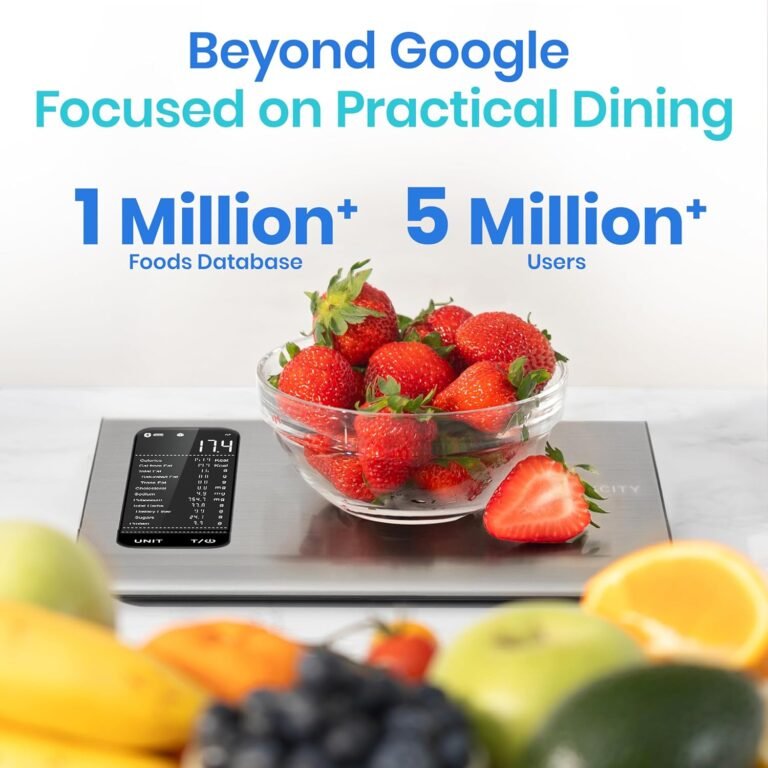
Etekcity Food Scale
0.1g accuracy — the perfect companion for exact portions.
Which Is Better for Protein Goals?
Quinoa is objectively better if raw protein count per serving is your metric. Eight grams per cooked cup beats five grams, and that’s before you consider that quinoa is a complete protein (contains all nine essential amino acids), while brown rice lacks lysine and needs pairing with legumes to become complete. For vegetarians or anyone optimizing plant-based protein without adding beans, quinoa is the smarter pick.
That said, brown rice isn’t a protein loss—it’s only three grams behind, and if you’re already eating chicken, eggs, yogurt, or legumes elsewhere in your diet, that three-gram difference is noise. Brown rice also contains more resistant starch when cooled after cooking, which may benefit gut health and satiety. Choose brown rice if budget is tight or if you’re pairing it reliably with legumes anyway.
Why the Numbers Don’t Tell the Whole Story
The “8 grams vs 5 grams” headline assumes you’re eating exactly one cooked cup of each—a measurement that obscures real-world variance. Cup measurements are notoriously inconsistent: how tightly you pack the grain changes the weight by 10–20%, which shifts the protein count accordingly. More importantly, the cooked cup comparison is misleading because quinoa absorbs water differently than brown rice. One cup of cooked quinoa weighs about 185g, while one cup of cooked brown rice weighs roughly 195g. When you measure by weight instead—say, 100g cooked—quinoa has about 4.3g protein and brown rice has about 2.6g, but if you’re eyeballing portions, you’ll never match that precisely.
Cooking method and grain age also matter. Older grains absorb less water and cook denser, shifting the protein-per-cup ratio. Brand variation is real too: some quinoa products are pre-rinsed (affecting water absorption), others aren’t. Source: USDA FoodData Central lists these values as averages, not guarantees for the box in your pantry.
This is exactly why a reliable nutrients calculator is invaluable. Rather than guess whether your portion has 5 or 8 grams of protein, you can enter the actual weight of what you’re eating and get a real number. Our free AI nutrients calculator removes the guesswork by letting you:
- Input your exact serving size (weight or volume) for precise protein counts
- Compare nutrient profiles side-by-side for the specific brands and preparations you use
- Track protein across all your meals without overestimating or underestimating grain portions
Common Mistakes
People often skip quinoa because they think the protein boost isn’t worth the price, miss brown rice’s strengths, or assume either grain alone can build muscle. Here’s what to avoid:
❌ Assuming one cooked cup of quinoa is always 8g protein—it varies based on how much water it absorbed, how firmly you packed it, and the grain’s age.
❌ Dismissing brown rice as inferior because it has only 5g—in a mixed diet with eggs, yogurt, or beans, the gap barely matters, and brown rice is cheaper.
❌ Treating either grain as a significant protein source for muscle-building—both are carb-rich, not protein-rich; a 3oz chicken breast has 26g protein, far more relevant for this goal.
❌ Forgetting that quinoa’s complete protein advantage only matters if you’re not eating other protein-containing foods; paired with rice and lentils (a common combo), the completeness factor becomes almost irrelevant.
FAQ
Is quinoa really a complete protein?
Yes, quinoa contains all nine essential amino acids in reasonable amounts. Brown rice is missing lysine, so it’s incomplete on its own. However, if you eat quinoa with black beans or other legumes, the completeness distinction becomes moot because the legumes provide what rice lacks.
How much quinoa or brown rice should I eat to hit 20g of protein?
You’d need about 2.5 cooked cups of quinoa (20g protein) or 4 cooked cups of brown rice (20g protein) to hit that target—both impractical as a sole protein source. Pair either grain with legumes, tofu, tempeh, or animal protein instead.
Why does brown rice sometimes seem to have more protein in the nutrition label?
Labeling differences and batch variation are real. Some brands drain water more aggressively after cooking, making the cooked grain denser and more protein-concentrated by volume. Weigh your portions instead of measuring cups if accuracy matters.
Which is better for blood sugar control?
Quinoa has a slightly lower glycemic index (GI ~53) than brown rice (GI ~68), making it marginally better for blood sugar stability. However, both are moderate GI foods; the difference is meaningful only if you’re very sensitive to glucose spikes.
Conclusion
Quinoa has more protein per cooked cup than brown rice—8 grams versus 5 grams—and it’s a complete protein, making it the technically superior choice for plant-based protein goals. If you’re vegetarian, budget-conscious about protein, or optimizing every gram, quinoa wins. But brown rice is a solid second place, especially if you’re eating a mixed diet or stretching your food budget.
The real takeaway is that neither grain is a primary protein source, and the exact protein count depends heavily on how much water you drain after cooking and how tightly you measure. For genuine meal accuracy, weigh your portions and use a **reliable nutrients calculator** to see what’s actually on your plate, rather than trusting cup-based estimates that can swing by 20% either way.
