
Lima beans are a staple legume across Latin America, Africa, and Asia, and have grown increasingly popular in health-conscious Western diets. They’re valued for their creamy texture, subtle buttery flavor, and impressive nutritional profile. Whether you’re managing weight, building muscle, or controlling blood sugar, lima beans deserve a place on your plate.
But how many calories are in lima beans, and what else should you know about their nutrition? This guide breaks down the complete calorie and nutrient content of lima beans, with practical tips for measuring portions, cooking methods, and fitting them into your daily diet.
Calories in Lima Beans (Quick Answer)
A standard serving of cooked lima beans contains approximately 115 calories per half-cup (95g).
- Cooked lima beans (½ cup, 95g): 115 calories
- Canned lima beans (½ cup, drained, 91g): 88 calories
- Frozen lima beans (½ cup, 85g): 95 calories
Calorie counts vary slightly depending on whether the beans are fresh-cooked, frozen, or canned. Canned varieties may contain added sodium, which affects the overall nutritional profile.
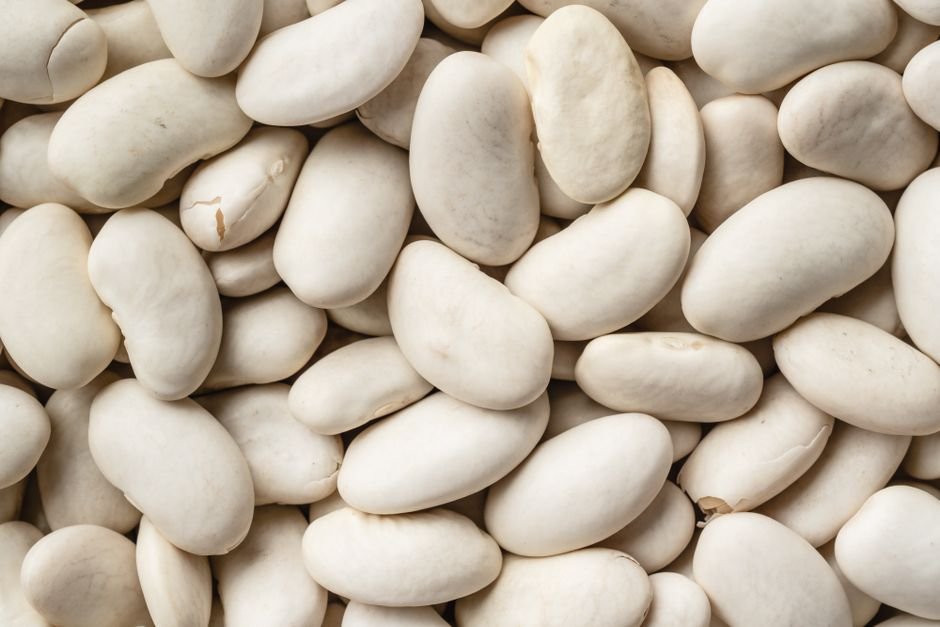
Full Nutrition Facts for Half-Cup of Cooked Lima Beans
Here’s the complete nutritional breakdown of a standard half-cup (95g) serving of boiled lima beans:
| Nutrient | Amount | % Daily Value |
|---|---|---|
| Calories | 115 | — |
| Total Fat | 0.4g | 1% |
| Saturated Fat | 0.1g | <1% |
| Cholesterol | 0mg | 0% |
| Sodium | 2mg | <1% |
| Total Carbohydrate | 20g | 7% |
| Dietary Fiber | 3.7g | 13% |
| Total Sugars | 0.4g | — |
| Protein | 7.3g | 15% |
| Iron | 1.9mg | 11% |
| Magnesium | 32mg | 8% |
| Folate | 78mcg | 20% |
*Percent Daily Values are based on a 2,000-calorie diet. Source: USDA FoodData Central.
Key insight: Lima beans deliver substantial fiber and plant-based protein with virtually no fat, making them an excellent choice for both weight loss and muscle-building diets. The folate content—20% of the daily value in a single serving—makes them particularly valuable for women of childbearing age and anyone focused on cellular health.
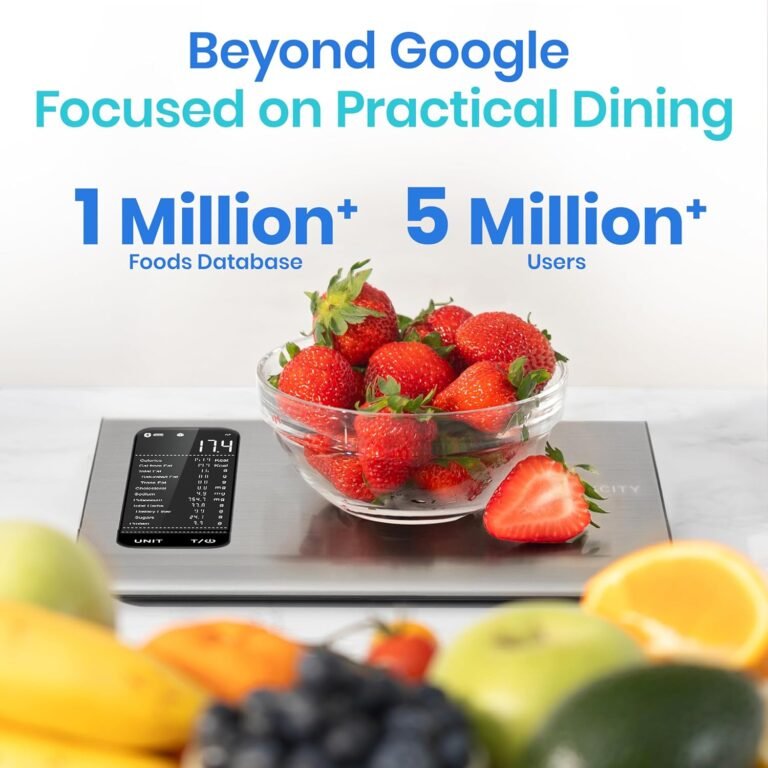
Etekcity Food Scale
0.1g accuracy — the perfect companion for exact portions.
Frozen vs. Canned Lima Beans: Which Has More Calories?
Frozen Lima Beans
- Frozen immediately after harvest, retaining most nutrients
- No added salt or preservatives unless the package specifies it
- Slightly higher folate and vitamin C retention compared to canned
Canned Lima Beans
- More convenient and require no thawing or boiling
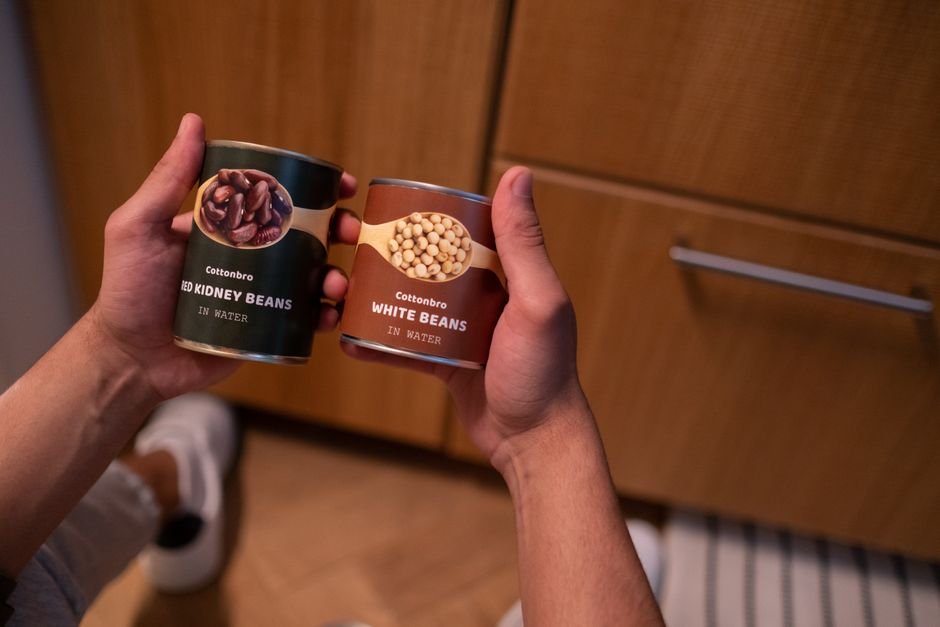
- Often contain added sodium (200–400mg per half-cup), which can add bloat and water retention
- Marginally lower in certain micronutrients due to processing, but still nutritious
Practical takeaway: Frozen lima beans are your best bet if you prioritize nutrient retention and sodium control. If you use canned beans, drain and rinse them thoroughly to remove up to 40% of the sodium. Both are far superior to refined carbohydrates and offer comparable calories per serving.
Is Lima Beans Good for Weight Loss?
Yes, lima beans are an excellent weight-loss food. At 115 calories per half-cup with 7.3g of protein and 3.7g of fiber, they promote satiety—the feeling of fullness that makes it easier to eat fewer total calories. The high fiber content slows digestion, stabilizing blood sugar and reducing cravings. Most importantly, lima beans are nutrient-dense, meaning you get substantial micronutrients (folate, iron, magnesium) without excess calories.
Tips to Eat Lima Beans Without Gaining Weight:
- Measure your portion: stick to ½ to ¾ cup per meal to keep calories in check and avoid accidental overeating
- Pair with non-starchy vegetables: combine beans with leafy greens, broccoli, or zucchini to increase volume without adding calories
- Avoid heavy sauces: instead of cream-based dishes, season with herbs, lime juice, garlic, or low-sodium broth
- Cook from scratch: homemade lima beans contain significantly less sodium than canned varieties, reducing water retention
When prepared simply and paired thoughtfully, lima beans can play a central role in a calorie-controlled diet without any guilt.
How Portion Size Affects Calories
Lima bean calories scale directly with portion size, so understanding serving measurements is essential for calorie tracking. A half-cup serving (the USDA standard) is much smaller than most people initially imagine, which is why many accidentally consume double or triple the intended portion. Using a food scale or measuring cup—rather than eyeballing—is the most reliable way to stay within your calorie goals.
Example:
- ¼ cup (47g) cooked lima beans: ~58 calories, 3.6g protein, 1.8g fiber
- 1 cup (190g) cooked lima beans: ~230 calories, 14.6g protein, 7.4g fiber
Doubling your portion size doubles your calorie intake, so measure carefully if you’re tracking calories for weight loss.
Best Way to Measure Lima Beans Accurately
Accurate measurement is critical when tracking calories. While eyeballing portions is convenient, it often leads to 20–30% underestimation of actual intake. Cooked beans can vary slightly in density depending on cooking time, water content, and whether they’ve been mashed. The most precise method is using a kitchen scale with grams or ounces, but measuring cups work well if you follow USDA guidelines exactly.
Options:
- Food scale (most accurate): weigh 95g of cooked lima beans for an exact standard serving; allows for portion customization
- Measuring cup: use a standard ½-cup measuring cup, level with a knife; less precise than a scale but sufficient for most tracking
- Visual reference: one standard serving is roughly the size of a golf ball; useful as a quick guide when a scale isn’t available
Calculate Your Exact Calorie Intake
Wondering how many calories you should eat from lima beans based on your personal goals, activity level, and current weight? Calorie needs vary dramatically between individuals, so a one-size-fits-all approach rarely works.
Our site offers a free AI-powered nutrients calculator that lets you input your specific serving size, cooking method, and other foods in your meal to get precise calorie and macro breakdowns. Simply visit the calculator and get instant results tailored to you.
- Adjust serving sizes in real-time and see instant calorie updates
- Track macronutrients (protein, carbs, fat) across your entire day
- Identify calorie-heavy ingredients hiding in your recipes
Common Mistakes When Eating Lima Beans
Even though lima beans are nutritious, common preparation and serving mistakes can undermine your health goals. Here are the most frequent slip-ups to avoid:
❌ Using canned lima beans without draining and rinsing, adding 200–400mg of unexpected sodium to your meal and increasing bloating.
❌ Pairing lima beans with calorie-dense add-ins like butter, cream, bacon, or heavy cheese sauce, which can double or triple the calorie count of an otherwise lean side dish.
❌ Eyeballing portion sizes instead of measuring, leading to consuming 150–250% of your intended serving and destroying calorie tracking accuracy.
❌ Cooking dried beans without soaking, resulting in poor texture and digestibility, or over-cooking them to mush, which can reduce nutrient bioavailability.
Small changes in preparation and measurement can have a massive impact on both calories consumed and nutritional value retained.
FAQ
How many calories are in 100g of lima beans?
Cooked lima beans contain approximately 121 calories per 100g. This is slightly higher than the half-cup serving (which is 95g) because 100g is a standard international measurement.
Is lima beans fattening?
No. Lima beans are extremely low in fat (0.4g per serving) and high in fiber and protein, making them one of the least fattening legumes available. They actually support weight loss when portion-controlled and prepared without added fats.
Do lima beans cause bloating?
Lima beans contain oligosaccharides (complex carbohydrates) that some people find difficult to digest, which can cause gas or bloating. Soaking dried beans before cooking, eating them slowly, and drinking adequate water can minimize this effect. Most people adapt within 2–3 weeks of regular consumption.
Can I eat lima beans every day?
Yes, eating lima beans daily is safe and beneficial for most people. They’re nutrient-dense and support long-term health goals. However, vary your legume sources (black beans, lentils, chickpeas) to ensure a broader spectrum of micronutrients.
Conclusion
Lima beans are a nutrient-dense, calorie-efficient food that deserves a regular place in your diet. At 115 calories per half-cup with 7.3g of protein, 3.7g of fiber, and exceptional folate content, they support weight loss, stable blood sugar, and muscle building alike. The choice between frozen and canned is mainly about convenience and sodium control—frozen are slightly superior, but either beats processed alternatives.
The key to maximizing lima beans’ health benefits is accurate measurement and thoughtful preparation. Skip the heavy sauces, measure your portions with a scale or measuring cup, and pair them with vegetables for volume. For the most personalized calorie and nutrition tracking, use a reliable nutrients calculator to match portions to your specific goals and activity level.
