
Trout is a nutrient-dense freshwater fish popular in many cuisines worldwide, from European fine dining to American home kitchens. It’s widely appreciated for its mild flavor, tender texture, and impressive nutritional profile—making it a go-to protein source for people focused on muscle building, weight loss, and overall metabolic health.
If you’re tracking your intake or planning meals, understanding the exact calorie and nutrient content of trout is essential. This guide breaks down everything you need to know about calories in trout, portion control, and how it fits into your nutritional goals.
Calories in Trout (Quick Answer)
A 3-ounce (85g) cooked trout fillet contains approximately 128 calories, making it an efficient protein source with minimal carbohydrates.
- Cooked trout (3 oz / 85g): 128 calories
- Raw trout (3 oz / 85g): 95 calories
- Smoked trout (3 oz / 85g): 140 calories
Calorie values vary slightly depending on the species (rainbow, brown, or brook trout), cooking method, and any added oil or butter during preparation.
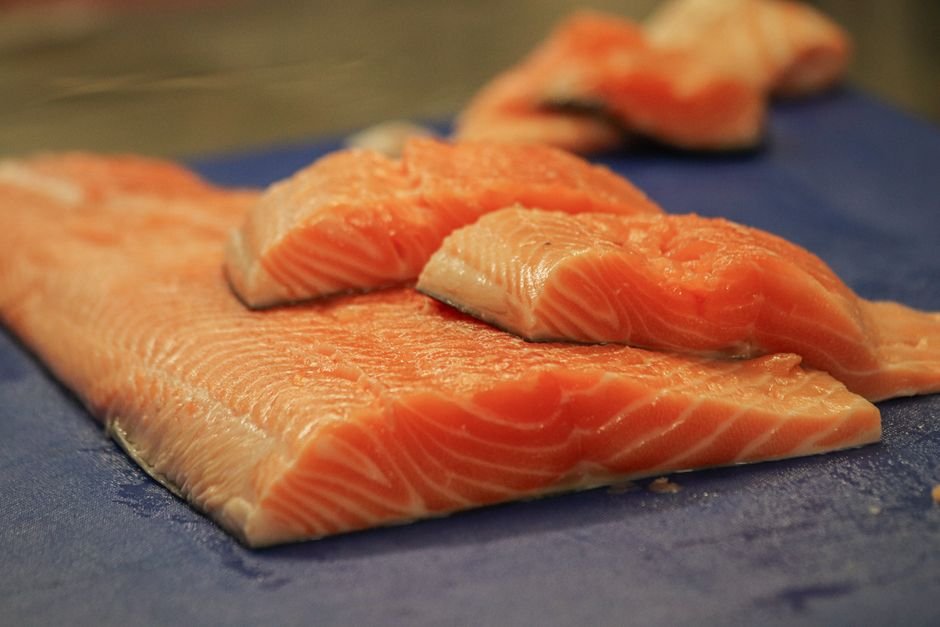
Full Nutrition Facts for 3 oz (85g) of Cooked Trout
Below is the complete nutritional breakdown for a standard 3-ounce serving of cooked trout, based on USDA data:
| Nutrient | Amount | % Daily Value |
|---|---|---|
| Calories | 128 | — |
| Total Fat | 5.9g | 7% |
| Saturated Fat | 1.3g | 7% |
| Cholesterol | 62 mg | 21% |
| Sodium | 58 mg | 3% |
| Total Carbohydrate | 0g | 0% |
| Dietary Fiber | 0g | 0% |
| Total Sugars | 0g | 0% |
| Protein | 19.5g | 39% |
| Omega-3 Fatty Acids | 1.2g | — |
| Vitamin D | 570 IU | 14% |
| Selenium | 27 mcg | 49% |
*Percent Daily Values are based on a 2,000-calorie diet. Source: USDA FoodData Central.
Key insight: Trout delivers exceptional protein density (nearly 20g per serving) with minimal calories and zero carbohydrates, making it ideal for muscle maintenance and weight loss. The high omega-3 content (1.2g) supports cardiovascular and brain health, while selenium at 49% DV helps protect cells from oxidative stress.
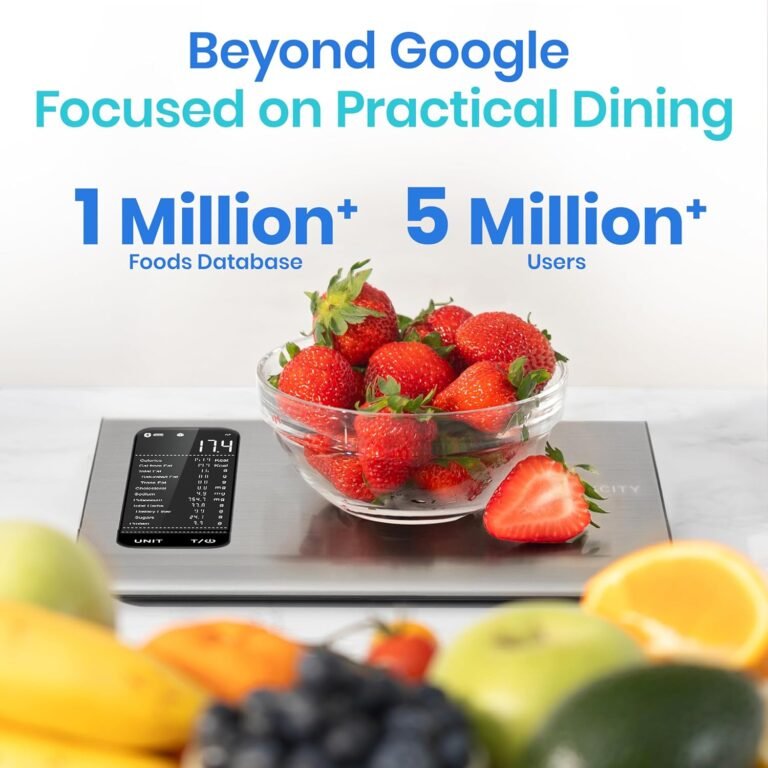
Etekcity Food Scale
0.1g accuracy — the perfect companion for exact portions.
Raw vs. Cooked Trout: How Cooking Affects Calories and Nutrients
Raw Trout Fillet
- Lower calorie density: Raw trout (3 oz) contains approximately 95 calories versus 128 when cooked, as cooking removes water and concentrates nutrients.
- More intact vitamins: Some heat-sensitive B vitamins and water-soluble nutrients are preserved better in raw preparations.
- Higher food-safety risk: Raw or undercooked trout may carry parasites or bacteria; curing or freezing is necessary for safety.
Cooked Trout Fillet
- Enhanced protein availability: Cooking denatures proteins, making amino acids more bioavailable and easier for your body to absorb and utilize.
- Improved digestibility: Heat breaks down tough muscle fibers, making cooked trout gentler on the digestive system than raw.
- Safer to consume: Baking, grilling, or pan-frying at 145°F (63°C) kills harmful pathogens, eliminating foodborne illness risk.
Practical takeaway: Cook your trout to at least 145°F for food safety while preserving most nutrients. Pan-frying or baking with minimal added fat keeps calorie counts low; avoid heavy cream sauces and excess oil if you’re tracking intake.
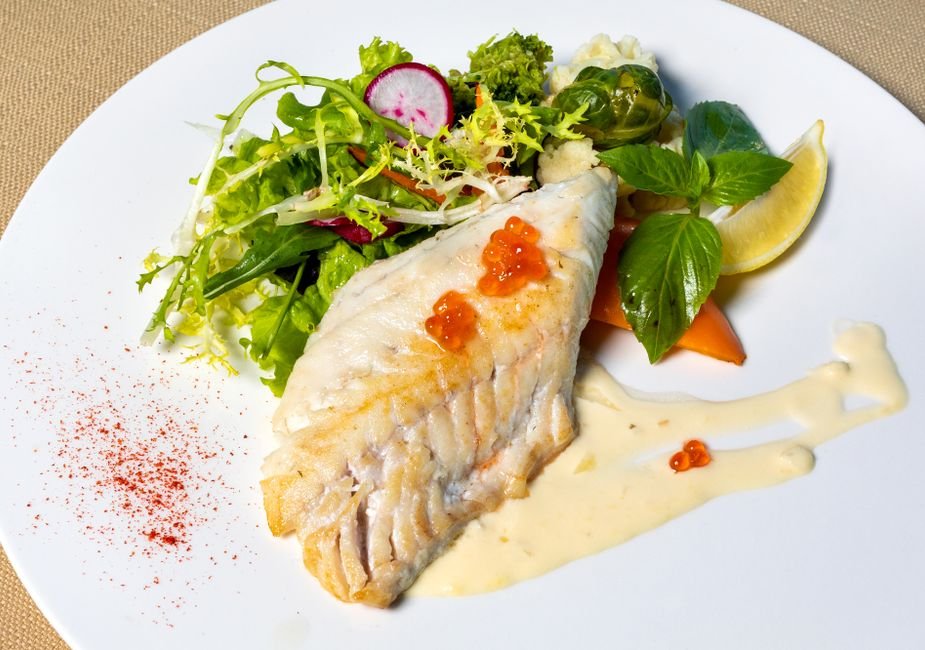
Is Trout Good for Weight Loss?
Yes, trout is an excellent weight-loss food. At 128 calories per 3-ounce serving with 19.5g of protein and zero carbs, it promotes satiety while maintaining lean muscle mass during calorie restriction. The high protein content increases thermogenesis (calories burned during digestion) and helps prevent muscle loss on a diet. Additionally, the omega-3 fatty acids may support metabolic health and reduce inflammation.
Tips to Eat Trout Without Gaining Weight
- Stick to portion sizes: Measure 3–4 oz (85–115g) of cooked trout per meal to keep calories controlled.
- Choose cooking methods wisely: Grill, bake, or steam trout instead of deep-frying or cooking in heavy butter or cream sauces.
- Add low-calorie sides: Pair trout with steamed vegetables, leafy greens, or cauliflower rice rather than starchy sides.
- Limit added fats: Use cooking spray or a thin brush of olive oil (½ teaspoon) instead of tablespoons of butter or oil.
When prepared simply, trout becomes a powerful ally for weight management without sacrificing nutrition or taste.
How Portion Size Affects Calories
Trout calories scale linearly with portion size, so understanding serving weights helps you stay on track. A 3-ounce serving is the USDA standard and the easiest to measure; larger fillets common in restaurants (6–8 oz) can contain 256–341 calories. Doubling or tripling your portion size directly doubles or triples calorie intake, so a kitchen scale ensures accuracy.
Example
- Small portion (3 oz / 85g): 128 calories, 19.5g protein
- Large portion (6 oz / 170g): 256 calories, 39g protein
Always weigh your trout before cooking if precision matters to your goals.
Best Way to Measure Trout Accurately
The most accurate method is to weigh raw trout on a digital kitchen scale before cooking, then apply standard cooking weight loss (about 25–30% water loss when baked or grilled). This accounts for moisture evaporation and gives you precise calorie counts. If you only have cooked trout, weigh that directly—a digital scale eliminates guesswork compared to eyeballing or measuring by visual size alone.
Options
- Digital kitchen scale: Weigh the raw fillet in grams; adjust for cooking loss if needed. Most accurate method.
- Standard measuring cups/spoons: Less precise for irregular pieces but works for flaked cooked trout if combined with weight estimates.
- Visual comparison: Learn to recognize 3 oz (about the size of a deck of cards) by sight, though this is the least reliable for consistency.
Calculate Your Exact Calorie Intake
If you eat trout regularly, tracking exact nutrient intake becomes easier when you know baseline calorie counts. But calculating total daily intake—accounting for all foods, sauces, and sides—can be tedious and error-prone without the right tool.
Our free AI nutrients calculator automatically logs your meals and displays comprehensive nutritional breakdowns, saving time and improving accuracy. Visit the calculator here to start tracking trout and all your foods in one place.
- Instant calorie tallies: See daily totals for calories, macros, and key micronutrients without manual math.
- Meal history: Save favorite trout recipes and quickly add them to your log on busy days.
- Progress insights: Track how portion sizes and prep methods impact your intake over time.
Common Mistakes When Eating Trout
Even a healthy food like trout can sabotage your goals if prepared or eaten incorrectly. Here are the most common pitfalls:
❌ Cooking trout in excessive butter or oil—a simple pan-fry with 2 tablespoons of butter adds 200 calories and doubles the fat content.
❌ Ignoring restaurant portions—a typical restaurant trout fillet (8 oz) can contain 250+ calories before any sauce or sides.
❌ Pairing trout with heavy sauces—hollandaise, cream, or brown butter sauce can add 100–200 calories and significantly increase saturated fat.
❌ Eating smoked trout without checking sodium—smoked varieties often contain 400–500 mg of sodium per 3 oz, nearing 20% of daily limits.
Being aware of these mistakes helps you enjoy trout’s benefits without unintended calorie or sodium overload.
FAQ
How many calories are in 100g of trout?
A 100g serving of cooked trout contains approximately 150–160 calories. This is useful for international or precise meal planning, as 100g is a common standard outside the US.
Is trout fattening?
No. With only 128 calories and 5.9g fat per 3-ounce serving, trout is one of the leanest proteins available. The fats present are primarily omega-3 fatty acids, which support heart and brain health rather than promoting weight gain.
What’s the difference between rainbow trout and brown trout nutritionally?
Rainbow and brown trout have nearly identical calorie and macro profiles (both around 128 calories per 3 oz cooked). Minor differences exist in micronutrient levels, but both are equally nutritious and suitable for any diet.
Can I eat trout skin?
Yes. Trout skin is safe and edible, containing selenium and other minerals. It adds approximately 10–15 calories per 3 oz serving, depending on thickness, and is higher in omega-3s than the fillet alone.
Conclusion
Trout is a nutritional powerhouse: lean, high in protein, rich in omega-3 fatty acids, and naturally low in calories. At 128 calories per 3-ounce serving with zero carbohydrates and 19.5g of protein, it supports muscle building, weight loss, and metabolic health equally well. The added benefits of vitamin D, selenium, and anti-inflammatory omega-3s make trout a smart choice for anyone prioritizing long-term health.
To maximize trout’s benefits, measure portions carefully, use simple cooking methods (baking, grilling, steaming), and avoid heavy sauces or excess oil. For ongoing meal tracking and detailed nutritional insights, rely on a trusted nutrients calculator to stay accountable and informed as you build your healthiest diet.
