Egg muffins are one of the most practical breakfasts you can make on a Sunday and eat all week. They are whisked eggs with a few savory add-ins, baked in a muffin tin until set, and they reheat in seconds. This version uses wilted spinach, crumbled feta and a little milk for a tender texture, and it makes 12 muffins from one bowl.
Compared with a plate of toast, these bites deliver a solid dose of protein and very little refined carbohydrate. Eggs are a complete protein, and feta adds salty flavor so you do not need much salt in the batter. If you are working toward a higher protein target, these pair well with the approach described in our guide to how much protein you need per day.
The method is forgiving. You do not need a special pan, a mixer or any advanced technique, just a skillet for the spinach, a whisk and a standard 12-cup muffin tin. Once you understand the ratio of eggs to dairy and the bake time, you can swap in other vegetables and cheeses without losing the structure of the muffin.
Full recipe below
Spinach and Feta Egg Muffins
Why this egg muffin recipe works
Egg muffins work because eggs set into a light, custardy structure when baked in small cups. The muffin shape gives you even heat on all sides, so each portion cooks through at the same rate. A splash of milk keeps the texture soft rather than rubbery, and a small amount of baking powder lifts the mixture just enough to avoid a dense, flat result.
Spinach is the ideal vegetable for this format because it wilts down to a small volume. Cooking it first in a skillet removes excess moisture, which is what makes soggy egg muffins. Squeezing the wilted spinach dry before it goes in the batter is the single most important step for a clean, sliceable muffin.
Feta brings salt, tang and crumbly pockets of flavor. Because it is already salty, you can keep added salt modest. Using a block of feta that you crumble yourself also gives better texture than pre-crumbled pieces, which are often coated to prevent clumping.
Ingredients you need for spinach and feta egg muffins
- Large eggs, 8 whole (about 14 oz in the shell; about 400g without shells). Use fresh, refrigerated eggs. Medium eggs work but the muffins will be slightly less puffed.
- Whole milk, 1/4 cup. Two percent or unsweetened unsweetened plant milk also works. Avoid thin skim milk, which can make the texture watery.
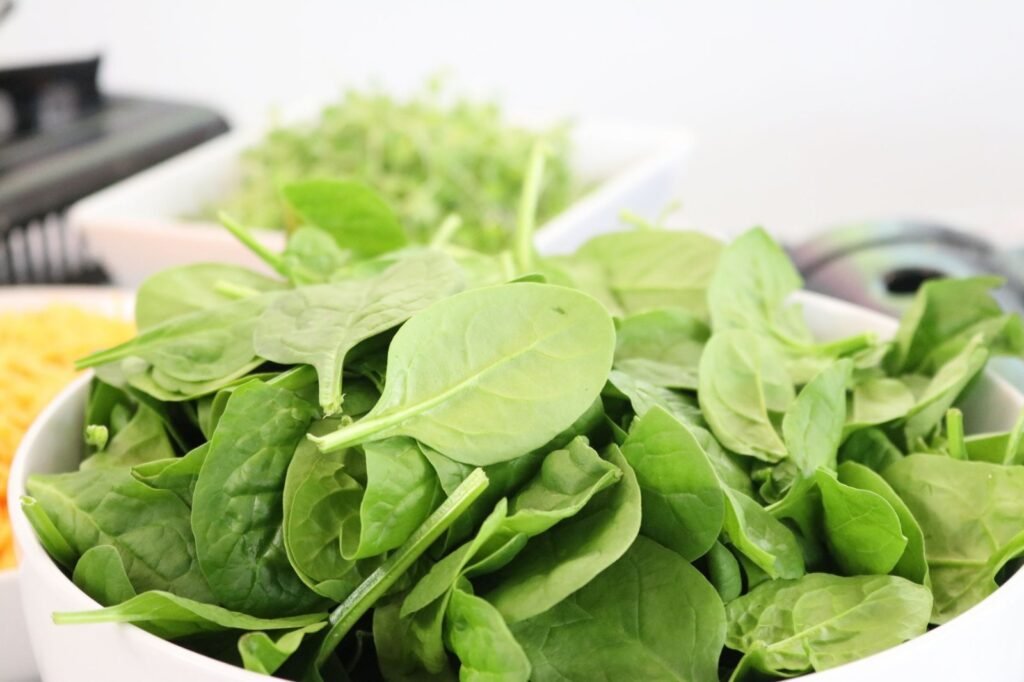
- Fresh baby spinach, 3 cups loosely packed (about 3 oz). Bagged baby spinach is convenient. Chop it roughly so it fits neatly into the cups.
- Feta cheese, 1/2 cup crumbled (about 2 oz). Choose a block sold in brine for the best flavor and fewer additives. Drain and pat it dry before crumbling.
- Red bell pepper, 1/2 cup finely diced (about 2.5 oz). Optional, but it adds sweetness and color that balances the salty feta.
- Olive oil, 1 tsp, for the skillet and greasing the tin.
- Baking powder, 1/4 tsp. This keeps the muffins light.
- Kosher salt, 1/4 tsp, and black pepper, 1/4 tsp. Taste your feta before adding more salt.
- Garlic powder, 1/4 tsp, and dried oregano, 1/2 tsp. Both are optional but they make a noticeable difference in flavor.
How to make egg muffins in the oven
- Preheat the oven to 350°F. Lightly grease a 12-cup muffin tin with olive oil or nonstick spray, making sure the sides and rims are coated.
- Heat 1 tsp olive oil in a medium skillet over medium heat. Add the diced red pepper and cook for 2 minutes until just softened.
- Add the spinach to the skillet and stir for 1 to 2 minutes until it has completely wilted. Transfer to a clean towel or paper towels and squeeze out as much liquid as you can. Let it cool for a few minutes.
- In a large bowl or measuring pitcher, whisk the eggs, milk, baking powder, salt, pepper, garlic powder and oregano until smooth and slightly frothy, about 30 seconds.
- Divide the spinach and red pepper evenly among the 12 muffin cups, about 1 tablespoon of vegetables per cup.
- Sprinkle the crumbled feta evenly over the vegetables, reserving a small pinch for the tops if you like.
- Pour the egg mixture evenly into the cups, filling each about three-quarters full so they have room to rise without spilling over.
- Bake for 18 to 22 minutes, until the centers are set and no longer jiggle when the tin is gently moved. A fork inserted into the center should come out clean.
- Check the internal temperature. Eggs should reach 160°F as measured with a digital thermometer. Remove from the oven and let the muffins rest in the tin for 5 minutes before lifting them out with a small spatula or butter knife.

Storage and reheating your egg muffins
Let the muffins cool to room temperature, then refrigerate them in an airtight container within two hours of baking. Per the FoodSafety.gov cold food storage chart, cooked egg dishes keep for 3 to 4 days in the refrigerator.
For longer storage, freeze the cooled muffins in a single layer on a tray, then transfer them to a freezer bag. They keep well for up to 3 months. Frozen egg muffins can become slightly spongier after thawing, so they are best used in breakfast sandwiches or reheated thoroughly.
To reheat from the refrigerator, microwave one muffin on a plate for 30 to 45 seconds, or until hot through the center. From frozen, thaw overnight in the refrigerator or microwave for 60 to 90 seconds, checking every 20 seconds. Make sure the center reaches 165°F before eating, which is the standard for reheated leftovers in the FoodSafety.gov safe minimum internal temperature guidance.

Common mistakes to avoid with egg muffins
- Skipping the spinach squeeze. Wet spinach releases water into the batter, leading to soggy, pale muffins that stick to the tin.
- Overfilling the cups. Egg mixture needs room to puff. Fill each cup about three-quarters full, not to the rim.
- Overbaking. Egg proteins tighten as they cook, so muffins that bake too long become rubbery and dry. Pull them when the centers are just set.
- Not greasing the tin well. Even nonstick tins benefit from a light coating of oil, especially around the rims where the egg can seep and stick.
- Using pre-crumbled feta coated in anti-caking agents. Block feta crumbles more cleanly and tastes fresher.
- Adding too much salt. Feta is salty, so taste it before seasoning the batter.
Swaps and variations for egg muffins
- Lighter option: Use 6 whole eggs plus 4 egg whites and reduce feta to 1/4 cup. This lowers fat and calories while keeping the same volume. Check the numbers with the FDA guide to the Nutrition Facts label if you are tracking daily intake.
- Mediterranean version: Add 1/3 cup chopped sun-dried tomatoes and a tablespoon of chopped kalamata olives.
- Mushroom and herb: Swap spinach for 1 cup sliced mushrooms sauteed until golden, then add fresh chives or parsley.
- Dairy-free: Use unsweetened almond or oat milk and omit the feta, adding nutritional yeast for a savory note.
- Meat add-in: Cook 1/3 cup crumbled turkey sausage or diced ham and add it with the vegetables. Cook raw poultry to 165°F and confirm with the FoodSafety.gov safe minimum temperatures before adding to the eggs.
What to serve with spinach and feta egg muffins
For a complete breakfast, pair two muffins with a handful of fruit and a slice of whole-grain toast. This matches the balanced plate approach from USDA MyPlate, which encourages half the plate to be fruits and vegetables and a quarter to be lean protein.
If you want something creamier, serve the muffins alongside a bowl of high protein overnight oats with Greek yogurt on busy mornings, or a small portion of fresh berries and plain yogurt.
For lunch or a light dinner, add a simple green salad with lemon vinaigrette. The bright acidity cuts through the richness of the feta and eggs.
Frequently asked questions
Can I make egg muffins ahead of time?
Yes. Egg muffins are well suited to meal prep. Bake them, cool completely, and refrigerate in an airtight container for up to 4 days, or freeze for up to 3 months.
How do I keep my egg muffins from getting rubbery?
Bake only until the centers are just set, usually 18 to 22 minutes at 350°F. Overbaking tightens the egg proteins and makes the texture dry and firm.
Do egg muffins need to be baked in a muffin tin?
A muffin tin is the easiest option because it holds the mixture in neat portions. You can also use silicone muffin cups placed on a baking sheet, which makes removal even simpler.
What is the best way to reheat egg muffins?
Microwave a refrigerated muffin for 30 to 45 seconds until hot through the center. Make sure it reaches 165°F, the safe reheating temperature.
Can I use egg whites instead of whole eggs?
Yes. You can replace some or all of the whole eggs with liquid egg whites. Using all whites makes a leaner muffin but a less rich flavor, so many cooks use a mix of whole eggs and whites.

Spinach and Feta Egg Muffins
Fluffy baked egg muffins with wilted spinach, red pepper and crumbled feta, ready in about 30 minutes and easy to make ahead.
Ingredients
Instructions
- Preheat the oven to 350°F and grease a 12-cup muffin tin.
- Heat the olive oil in a skillet over medium heat and cook the red pepper for 2 minutes.
- Add the spinach and cook 1 to 2 minutes until wilted. Squeeze out excess liquid and let cool.
- Whisk the eggs, milk, baking powder, salt, pepper, garlic powder and oregano until smooth.
- Divide the spinach and red pepper among the muffin cups, then sprinkle with feta.
- Pour the egg mixture into the cups, filling each about three-quarters full.
- Bake 18 to 22 minutes until set and the centers reach 160°F.
- Rest 5 minutes in the tin, then remove and serve or store.
Notes
- Reheat leftovers to 165°F.
- Store refrigerated up to 4 days or frozen up to 3 months.
Nutrition per serving
- Calories
- 165
- Protein
- 12.6g
- Carbs
- 2.7g
- Fat
- 11.5g
- Saturated fat
- 4.9g
- Fiber
- 0.7g
- Sugar
- 0.8g
- Sodium
- 361mg
- Cholesterol
- 265mg