Freezer breakfast sandwiches are one of the most useful things you can keep in the cold case: a warm, filling morning meal that takes about two minutes to reheat. This version uses baked eggs, lean turkey sausage, and sharp cheddar on toasted whole-wheat English muffins, so the sandwiches hold their shape after freezing and reheat without turning soggy.
Instead of frying eggs one at a time, you bake the eggs in a single sheet pan. That gives you evenly cooked, tender eggs in about 15 minutes, with no flipping and no hovering over the stove. Once cooled, the sandwiches are wrapped individually and frozen, so you can grab one on the way out the door.
This recipe makes 8 sandwiches, which covers a week of breakfasts for one person or a few quick mornings for a family. The steps are simple enough for a first-time cook, and the components can be swapped to suit your taste or dietary needs.
Full recipe below
Freezer Breakfast Sandwiches
Why this recipe works for freezer breakfast sandwiches
The biggest challenge with make-ahead breakfasts is texture. Scrambled eggs turn rubbery after freezing and reheating, and fried eggs can get tough. Baking the eggs in a thin layer solves this. The eggs set gently, stay moist, and hold together well enough to fit neatly inside a muffin. Baking also means you cook a full batch at once, which is far faster than working through a pan of eggs.
Toasting the English muffins first is the second key step. A lightly toasted muffin acts as a barrier so the egg does not soak through and make the bread soft. It also gives the sandwich enough structure to survive being wrapped, frozen, and reheated. Whole-wheat muffins add fiber, and the turkey sausage and eggs supply most of the protein.
For a balanced start to the day, these sandwiches are a practical way to combine protein, whole grains, and dairy. The Dietary Guidelines for Americans encourage choosing a variety of protein foods and whole grains across the day, and this sandwich covers several of those categories in one hand-held meal. You can see how a sandwich fits into your daily plan with the USDA MyPlate food groups guide.
Ingredients you need for the sandwiches, and how to choose them
- Eggs (8 large, about 1 lb 6 oz in the shell): Use fresh large eggs. Whisking them with a little milk makes them tender after baking. Egg whites can replace some of the whole eggs if you want a lighter version.
- Whole milk (1/4 cup): A small amount keeps the eggs moist. Unsweetened almond or oat milk works too, though the eggs may be slightly less rich.
- Lean turkey breakfast sausage (8 oz, uncooked): Look for a fresh roll or ground turkey seasoned with sage. Fully cooked links also work; slice them thin. Pre-cooked patties save time but add sodium, so check the label.
- Sharp cheddar cheese (4 oz, shredded): Sharp cheddar melts well and has enough flavor that you need less of it. Pre-shredded cheese is fine, though freshly grated melts more smoothly.
- Whole-wheat English muffins (4 muffins): Choose a brand with at least 3 g of fiber per muffin. Split them before toasting.
- Salt and black pepper (1/4 tsp each): Season the eggs lightly. The sausage and cheese add salt, so taste your mixture if you are unsure.
- Cooking spray or 1 tsp butter: Use this to grease the baking dish so the eggs release cleanly.

How to make freezer breakfast sandwiches step by step
- Preheat the oven to 375°F and lightly grease a 9×13-inch baking dish with cooking spray or a little butter.
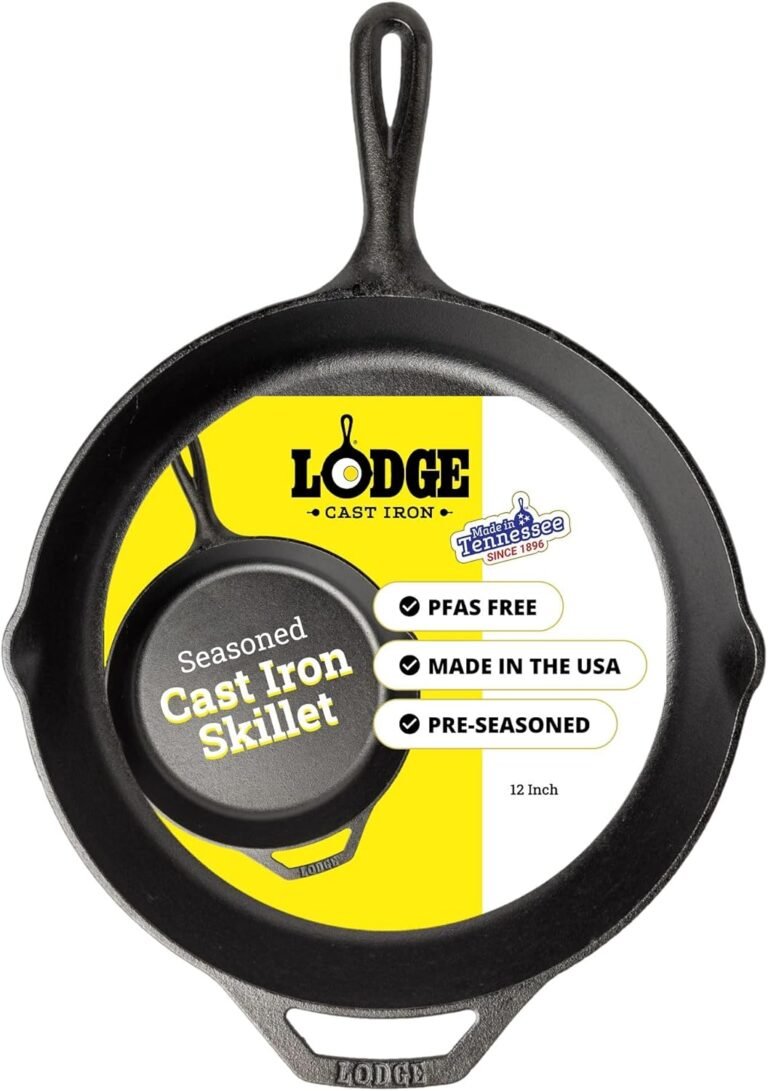
- Cook the turkey sausage in a nonstick skillet over medium heat, breaking it into small crumbles, for about 6 to 8 minutes until no pink remains and the internal temperature reaches 165°F, as recommended by FoodSafety.gov safe minimum internal temperatures. Drain any excess fat and let it cool for 5 minutes.
- In a large bowl, whisk the eggs, milk, salt, and pepper until fully combined and no streaks of white remain.
- Pour the egg mixture into the greased dish and scatter the cooked sausage evenly over the top. Bake for 14 to 18 minutes, until the eggs are set in the center and reach 160°F on an instant-read thermometer.
- Sprinkle the shredded cheddar over the hot eggs and let it sit for 2 minutes so it begins to melt. Cut the eggs into 8 equal squares, which should match the width of your English muffins.
- While the eggs rest, split the English muffins and toast them until golden and lightly crisp, about 3 to 4 minutes.
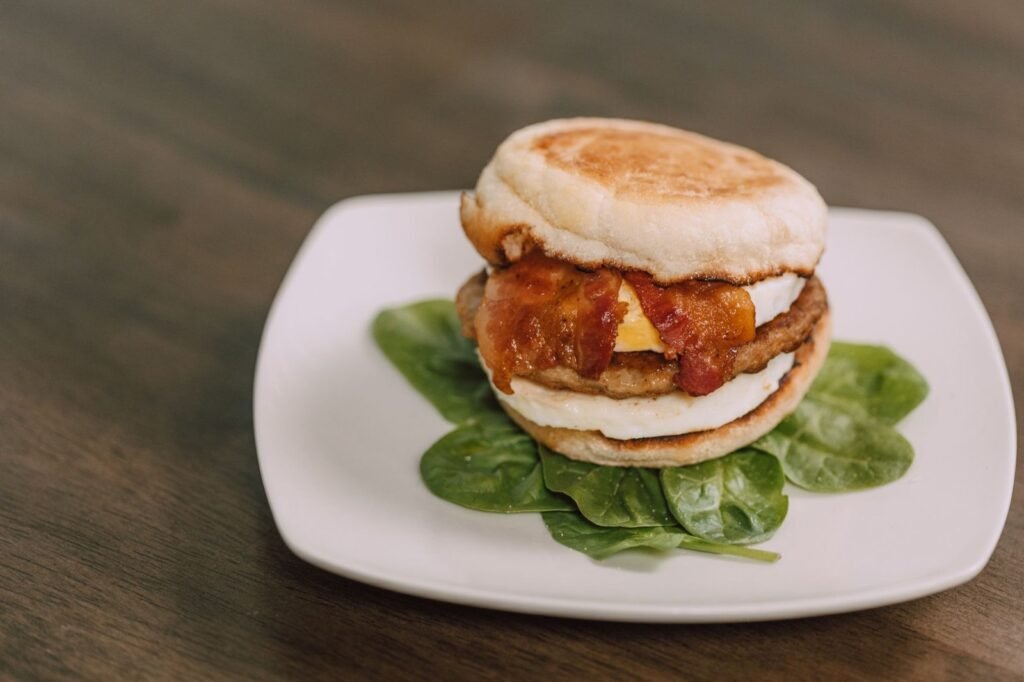
- Assemble each sandwich by placing one square of egg, with the cheese, on the bottom half of a toasted muffin. Add the top half and press gently.
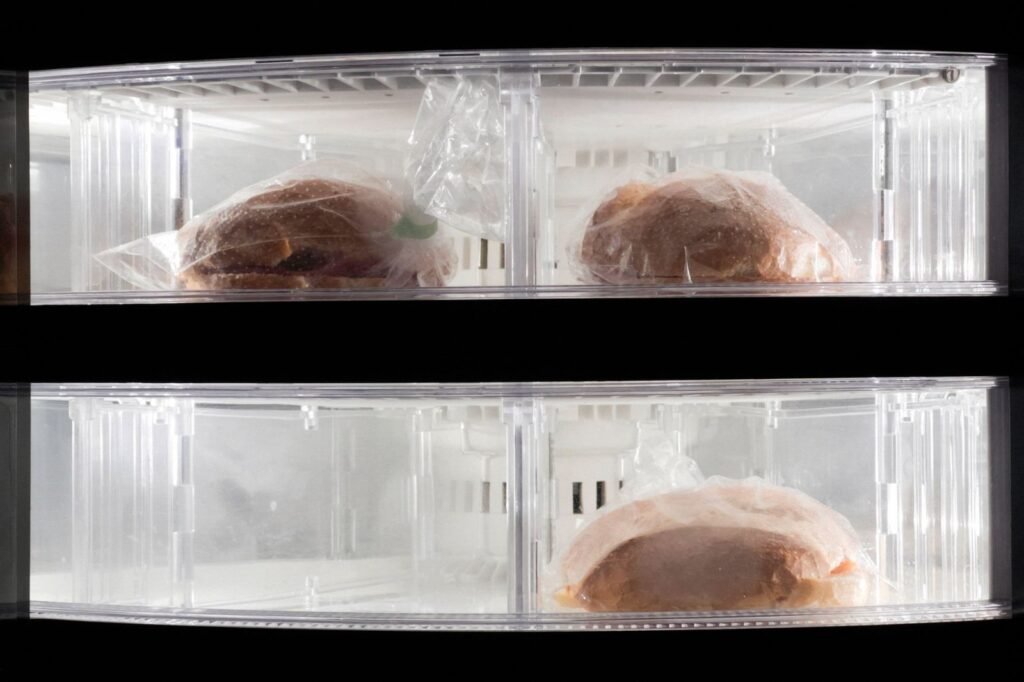
- Wrap each sandwich tightly in parchment or foil, then place them in a freezer bag or airtight container. Freeze flat so they stay neat and stack easily.
Storage and reheating your freezer breakfast sandwiches
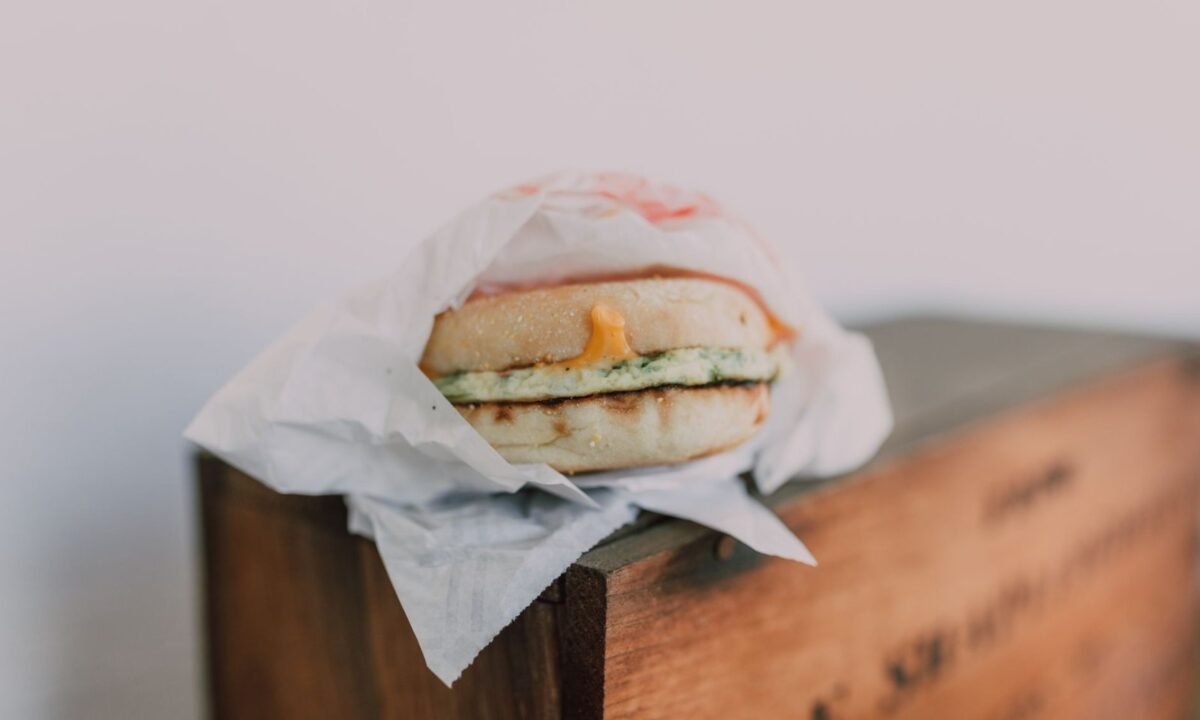
Let the assembled sandwiches cool to room temperature before wrapping, but do not leave them out for more than two hours. Cooked egg dishes should be refrigerated or frozen promptly, as described in the FoodSafety.gov cold food storage chart. Chilling them quickly also prevents ice crystals from forming on the bread.
Frozen sandwiches keep their best quality for up to three months. They remain safe beyond that point if kept at 0°F, but the muffin may become dry. Label each bag with the date so you can rotate older sandwiches to the front.
To reheat, unwrap the sandwich, place it on a microwave-safe plate, and cover loosely with a paper towel. Microwave on high for 60 to 90 seconds, flip, and heat for another 30 seconds, until the center is hot and the egg is steaming. For a crisper muffin, skip the microwave and bake the frozen sandwich at 350°F for 15 to 20 minutes, or air fry it at 330°F for 8 to 10 minutes. Always check that the center reaches 165°F before eating.
Common mistakes to avoid with freezer breakfast sandwiches
- Overbaking the eggs: Eggs baked past 160°F become dry and rubbery, and they get tougher after freezing. Pull the pan when the center is just set and still looks slightly glossy.
- Skipping the toast: Untoasted muffins absorb moisture from the egg and turn soggy when reheated. Toast them until golden, even if you are short on time.
- Wrapping while warm: Sealing a warm sandwich traps steam, which causes condensation and freezer burn. Cool completely before wrapping.
- Using too much filling: A thick layer of egg and sausage makes the sandwich hard to close and slow to heat through in the middle. Keep each square to about the size of the muffin.
- Reheating unevenly: Microwaves heat unevenly, so flip the sandwich halfway through and check the center with a food thermometer.
Swaps and variations, including a lighter option
- Lighter version: Replace half the whole eggs with liquid egg whites, and use a reduced-fat cheese such as part-skim mozzarella. This lowers the fat and calories while keeping the protein high.
- Vegetarian: Omit the sausage and add 1 cup of finely diced bell pepper and spinach, sauteed until soft and drained well before adding to the eggs.
- Ham and Swiss: Use 4 oz of thinly sliced lean ham and swap the cheddar for Swiss cheese for a classic deli-style flavor.
- Spicy: Add 1/2 tsp of smoked paprika and a pinch of cayenne to the egg mixture, and use a spicy turkey sausage.
- Bagel or sourdough: Any sturdy bread works. Choose a thin-sliced option so the sandwich stays manageable.
- Nutrition check: To compare the calories and protein of your own ingredient choices, look up each item in the USDA FoodData Central database, and read the FDA guide to the Nutrition Facts label when buying packaged items.
What to serve with your freezer breakfast sandwiches
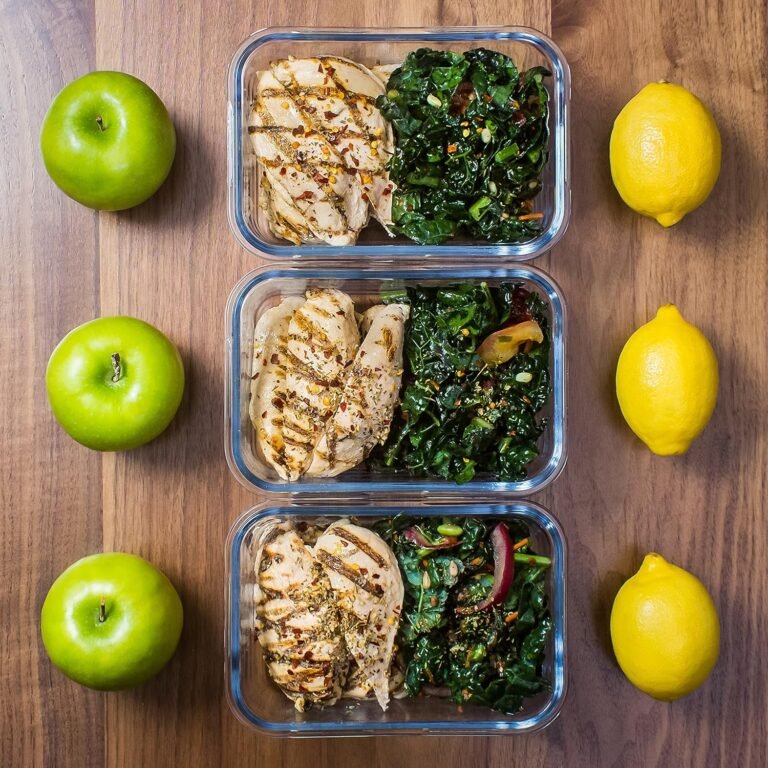
A freezer breakfast sandwich is a complete meal on its own, but a few simple sides make it more satisfying. A cup of fresh berries or a sliced apple adds fiber and natural sweetness without much effort. Plain Greek yogurt with a few walnuts gives you extra protein and calcium if you are hungry before lunch.
If you have a few extra minutes on a weekend, pair a sandwich with sliced tomatoes or a small handful of baby spinach. For a drink, unsweetened coffee, tea, or a glass of milk all pair well with the savory egg and cheese.
For a weekly plan, you can pair these sandwiches with other make-ahead lunches and dinners. Our chicken meal prep bowls are a good match for a full week of planned meals, and a turkey sweet potato meal prep gives you another high-protein option for lunch.
Frequently asked questions
How long do freezer breakfast sandwiches last?
Wrapped and kept at 0°F, freezer breakfast sandwiches keep their best quality for up to three months. They stay safe after that, but the muffin and egg texture decline over time.
Can I make freezer breakfast sandwiches without a microwave?
Yes. Place the frozen sandwich on a baking sheet and bake at 350°F for 15 to 20 minutes, or air fry at 330°F for 8 to 10 minutes. Check that the center reaches 165°F before eating.
Why do my freezer breakfast sandwiches get soggy?
Sogginess usually comes from untoasted muffins, wrapping the sandwich while still warm, or overfilling. Toast the bread, cool everything completely, and keep the egg layer thin.
Can I use egg whites instead of whole eggs in freezer breakfast sandwiches?
You can replace up to half of the whole eggs with liquid egg whites. This lowers the fat and calories, though the eggs will be slightly less rich in flavor and color.
Are freezer breakfast sandwiches healthy?
They can be a balanced choice when made with whole-wheat muffins, lean turkey sausage, and eggs. Check the labels on your ingredients and compare nutrition data before deciding how often to eat them.
What temperature should the eggs reach when baking?
Bake the eggs until the center reaches 160°F on an instant-read thermometer. Sausage should reach 165°F, the safe minimum recommended for poultry.
Freezer Breakfast Sandwiches
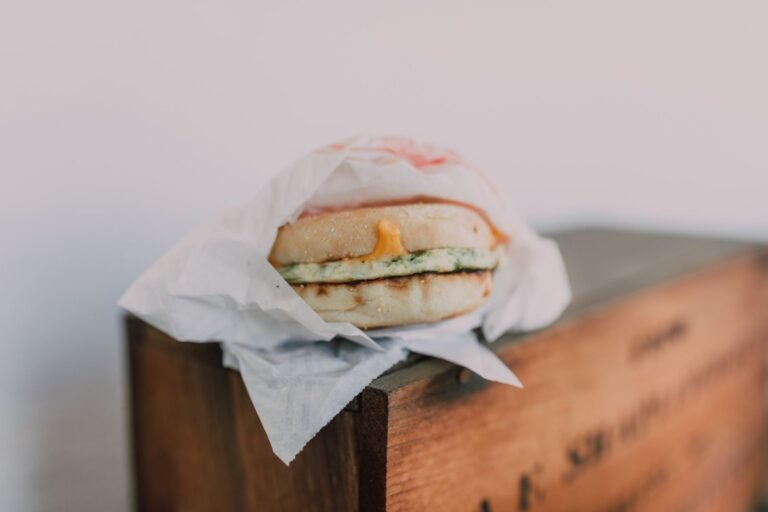
Make-ahead baked egg, turkey sausage and cheddar sandwiches on whole-wheat English muffins that freeze well and reheat in about two minutes.
Ingredients
Instructions
- Preheat the oven to 375°F and grease a 9×13-inch baking dish.
- Cook the turkey sausage in a nonstick skillet over medium heat for 6 to 8 minutes until no pink remains and it reaches 165°F. Drain and cool 5 minutes.
- Whisk the eggs, milk, salt, and pepper until fully combined.
- Pour the eggs into the dish, scatter the sausage over top, and bake 14 to 18 minutes until set and 160°F in the center.
- Sprinkle the cheddar over the eggs and rest 2 minutes. Cut into 8 squares.
- Toast the split English muffins for 3 to 4 minutes until golden.
- Assemble each sandwich with one egg square on a muffin bottom and add the top half.
- Cool completely, wrap each sandwich tightly, and freeze flat in a labeled bag for up to 3 months.
Notes
- Reheat in the microwave for 60 to 90 seconds, flip, and heat 30 seconds more, or bake frozen at 350°F for 15 to 20 minutes.
- To lighten, replace half the eggs with liquid egg whites and use part-skim mozzarella.
- Always confirm the center of reheated sandwiches reaches 165°F.
Nutrition per serving
- Calories
- 273
- Protein
- 20.7g
- Carbs
- 13g
- Fat
- 15.3g
- Saturated fat
- 6.4g
- Fiber
- 2g
- Sugar
- 2.7g
- Sodium
- 575mg
- Cholesterol
- 234mg