
Anchovies are small, oily fish prized for their intense, savory flavor and exceptional nutritional density. Commonly used in Mediterranean cuisine, Asian cooking, and as pizza toppings or salad garnishes worldwide, anchovies deliver concentrated protein and omega-3 fatty acids in tiny portions. Whether you’re watching calories, building muscle, or managing heart health, understanding the true nutritional profile of anchovies matters.
How many calories are in anchovies? The answer depends on whether you’re eating fresh or canned varieties and in what quantity—a small amount delivers surprisingly robust nutrition. This guide breaks down the exact calorie content, full nutrition facts, and practical tips for incorporating anchovies into your diet wisely.
Calories in Anchovies (Quick Answer)
Here’s what a typical serving of anchovies contains:
- 3 fresh anchovies (about 1 oz): 25 calories
- 1 can of canned anchovies in oil (about 2 oz, drained): 95 calories
- 100g fresh anchovies: 131 calories
Calorie content varies based on whether anchovies are fresh, canned in oil, canned in salt, or packed in brine. Oil-packed varieties contain more calories than water or salt-packed versions.
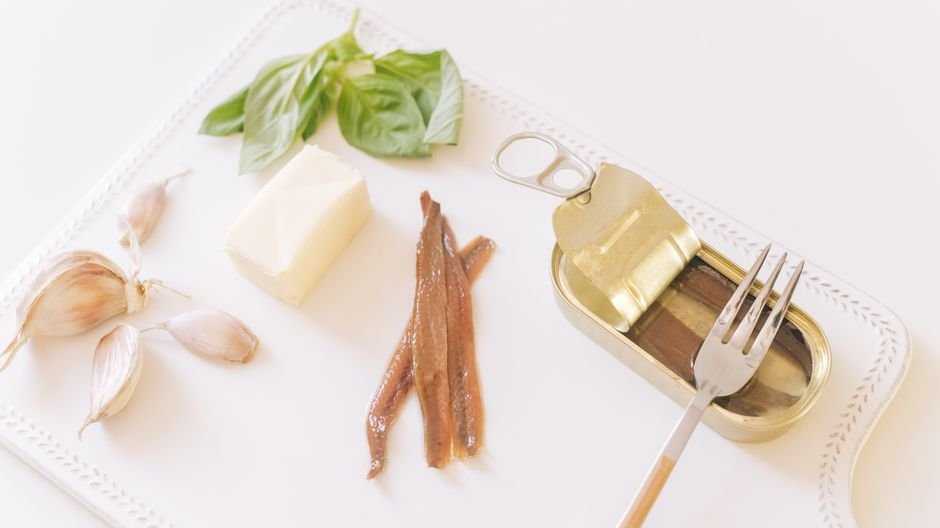
Full Nutrition Facts for 100g of Fresh Anchovies
A 100-gram serving of fresh anchovies (roughly 10–12 small fish) provides a snapshot of why this tiny fish is a nutritional powerhouse in Mediterranean and Asian diets.
| Nutrient | Amount | % Daily Value |
| Calories | 131 kcal | 7% |
| Total Fat | 5.3g | 7% |
| Saturated Fat | 1.2g | 6% |
| Cholesterol | 68mg | 23% |
| Sodium | 104mg | 5% |
| Total Carbohydrate | 0g | 0% |
| Dietary Fiber | 0g | 0% |
| Total Sugars | 0g | 0% |
| Protein | 20.3g | 41% |
| Selenium | 36.5mcg | 66% |
| Niacin (B3) | 8.9mg | 45% |
| Omega-3 Fatty Acids | 2.1g | – |
*Percent Daily Values are based on a 2,000-calorie diet. Source: USDA FoodData Central.
Key insight: Anchovies pack 20g of protein per 100g with minimal calories and zero carbohydrates—a ratio that rivals chicken breast. The 2.1g of omega-3 fatty acids in a 100g serving (which is roughly one full can) covers a meaningful portion of daily omega-3 targets, making anchovies one of the most efficient ways to consume this heart-protective fat.
Etekcity Food Scale
0.1g accuracy — the perfect companion for exact portions.
Fresh Anchovies vs. Canned Anchovies in Oil
The form in which you purchase anchovies significantly affects both calorie content and sodium levels. Fresh and canned varieties offer different culinary advantages and nutritional profiles.
Fresh Anchovies
- Contain 131 calories per 100g with lower sodium (104mg per 100g)
- Require cleaning, gutting, and cooking—higher prep work but more versatile
- Have a milder, fresher taste ideal for grilling or pan-frying whole
Canned Anchovies in Oil
- Contain 210 calories per 100g due to oil packing (vs. 131 for fresh)
- Have significantly higher sodium (around 2,800mg per 100g, cured)
- Are ready-to-use straight from the tin; ideal for salads, pastas, and pizzas
Practical takeaway: If you’re calorie-conscious, fresh anchovies are leaner; if you’re using anchovies as a flavoring in small amounts (like 3–4 fillets on a salad), the oil-packed version’s extra calories are negligible. However, canned varieties contribute significant sodium—a single can may deliver 1,400mg of sodium, which is over half the daily limit for some people. Drain canned anchovies and rinse lightly to reduce salt.
Is Anchovies Good for Weight Loss?
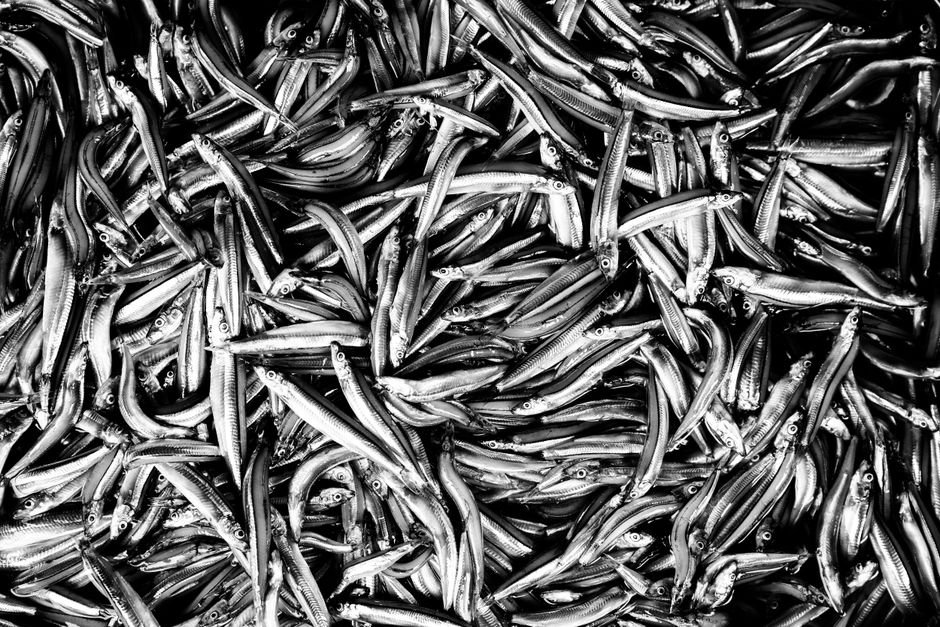
Yes—anchovies are excellent for weight loss when portioned correctly. With 131 calories and 20g of protein per 100g, they deliver satiety without excess calories. The high protein content stimulates thermogenesis (calories burned during digestion), and the omega-3s support metabolism. A typical serving (3–4 fillets, about 1 oz) is only 25 calories, making anchovies an ideal flavor-booster for salads, grain bowls, and vegetable dishes without derailing calorie goals.
Tips to Eat Anchovies Without Gaining Weight:
- Use fresh or water-packed anchovies instead of oil-packed varieties to save 80+ calories per 100g
- Rinse canned anchovies thoroughly to remove excess oil and salt
- Treat anchovies as a flavoring, not a main protein—2–4 fillets per serving is ideal for calorie control
- Pair anchovies with whole grains, leafy greens, and vegetables to increase satiety without added calories
Because of their intense flavor, a small quantity of anchovies satisfies cravings for umami and saltiness—you don’t need much to feel satisfied. This makes them naturally portion-friendly for anyone tracking calories.
How Portion Size Affects Calories
Anchovy portions are deceptively small because the fish themselves are tiny and densely nutritious. A single anchovy fillet weighs roughly 3–5g, but serving sizes vary dramatically depending on use case. Understanding portion boundaries helps you track calories accurately without overconsuming sodium (a common trap with canned varieties).
Example:
- Small portion (3 fillets, ~10g): 13 calories, 2g protein, 330mg sodium
- Large portion (1 can drained, ~60g): 79 calories, 12g protein, 1,680mg sodium
Sodium escalates rapidly with canned anchovies due to curing; if managing sodium is a health priority, use fresh anchovies or rinse and soak canned varieties in fresh water for 10 minutes to leach salt.
Best Way to Measure Anchovies Accurately
Because anchovies are small and often consumed whole or in paste form, standard volume measurements (cups, tablespoons) are imprecise. Weight is the most reliable approach, but visual estimation works reasonably well for common uses. A kitchen scale is the gold standard for tracking calories and protein accurately.
Options:
- Digital kitchen scale: Weigh in grams for exact nutrition data. Most reliable for tracking.
- Count fillets: One fresh or canned anchovy fillet ≈ 3–5g. Easier for quick meals, slightly less precise.
- Canned weight: Drain a can fully and weigh the contents. Divide by number of servings needed for portion control.
Calculate Your Exact Calorie Intake
If you’re eating anchovies as part of a larger meal, calculating your total calorie and macro intake matters—especially since anchovies are calorie-dense and protein-rich. A few fillets in a caesar salad won’t spike calories, but a full can in a pasta dish compounds quickly.
Rather than doing math manually, use our free AI nutrients calculator to log anchovies (fresh, canned, or oil-packed) and instantly see total calories, protein, omega-3s, and sodium alongside your other foods. It simplifies tracking and removes guesswork from portion sizes.
- Get precise nutrition data for any portion size instantly
- Track sodium intake if managing heart health or blood pressure
- Monitor omega-3 and protein consumption toward daily macro targets
Try our free nutrients calculator today.
Common Mistakes When Eating Anchovies
Anchovies are nutrient-dense but easy to overconsume or misuse in ways that derail nutrition goals. Here are the most common pitfalls:
❌ Assuming “a little” anchovy paste or oil doesn’t count—one tablespoon of anchovy paste or the oil from a can (2 tbsp) adds 100+ calories and 1,000mg sodium quickly
❌ Not draining canned anchovies before eating—you’re consuming excess oil and salt that serves no nutritional purpose beyond preservation
❌ Using anchovies as a main protein instead of a condiment—while high in protein, they’re meant to flavor and enhance other foods, not replace chicken or fish mains
❌ Ignoring sodium entirely on a diet otherwise low in processed foods—one can of canned anchovies contains more sodium than 10 slices of whole-wheat bread
Awareness of these traps keeps anchovies a weight-loss and health-supporting food rather than a hidden calorie bomb.
FAQ
How many calories are in 100g of anchovies?
Fresh anchovies contain 131 calories per 100g. Canned anchovies in oil contain approximately 210 calories per 100g due to the oil packing. Always check the label for canned varieties, as sodium-cured versions vary by brand.
Is anchovies fattening?
No—anchovies are not fattening when consumed in normal portions. A typical serving (3–4 fillets, ~1 oz) is only 25 calories and delivers 5g of protein. The high satiety and intense flavor mean you naturally eat less. Overconsumption (eating multiple cans daily) or using oil-packed varieties carelessly could add unnecessary calories.
Do anchovies contain a lot of sodium?
Fresh anchovies contain only 104mg of sodium per 100g, which is moderate. Canned anchovies, however, contain 2,000–2,800mg per 100g due to salt curing—a single can delivers 1,400mg of sodium. If managing sodium, choose fresh varieties or rinse canned anchovies thoroughly before use.
Are anchovies good for heart health?
Yes—anchovies are one of the most omega-3-rich fish available, with 2.1g per 100g serving. They also contain selenium (66% daily value) and niacin, which support cardiovascular function. The only caution is sodium content in canned varieties; rinsing before use mitigates this concern.
Conclusion
Anchovies are a calorie-efficient, protein-dense superfood that delivers exceptional nutrition in tiny portions. At 131 calories and 20g of protein per 100g (fresh), with substantial omega-3 fatty acids and B vitamins, they’re ideal for weight loss, muscle maintenance, and heart health. The main consideration is sodium in canned varieties—rinsing and draining reduces this concern substantially.
Whether you’re using anchovies as a flavor accent on salads, a pizza topping, or a pasta garnish, understanding portion sizes and preparation methods ensures you’re getting maximum nutrition without hidden calories. Use a **reliable nutrients calculator** to track anchovies alongside other foods and hit your macro targets with confidence.
