
Blue cheese is a pungent, veined cheese prized for its bold flavor and creamy texture. Enjoyed across Europe, North America, and beyond, it’s a staple in salads, on charcuterie boards, and as a finishing touch to steaks and burgers. People often include blue cheese for its distinctive taste, but it’s also calorie and fat-dense, making calorie awareness important for those managing weight or tracking macronutrients.
If you’re wondering how many calories are in blue cheese, you’ve come to the right place. This guide covers the complete nutritional profile of blue cheese, including portion comparisons, preparation tips, and practical strategies to enjoy it without derailing your health goals.
Calories in Blue Cheese (Quick Answer)
A 1-ounce (28g) serving is the standard reference for cheese.
- 1 ounce (28g) of blue cheese: 100 calories
- 100g of blue cheese: 357 calories
- 1 tablespoon crumbled (14g): 50 calories
Calorie counts vary slightly by brand and moisture content; some artisanal blue cheeses may range 95–105 calories per ounce.
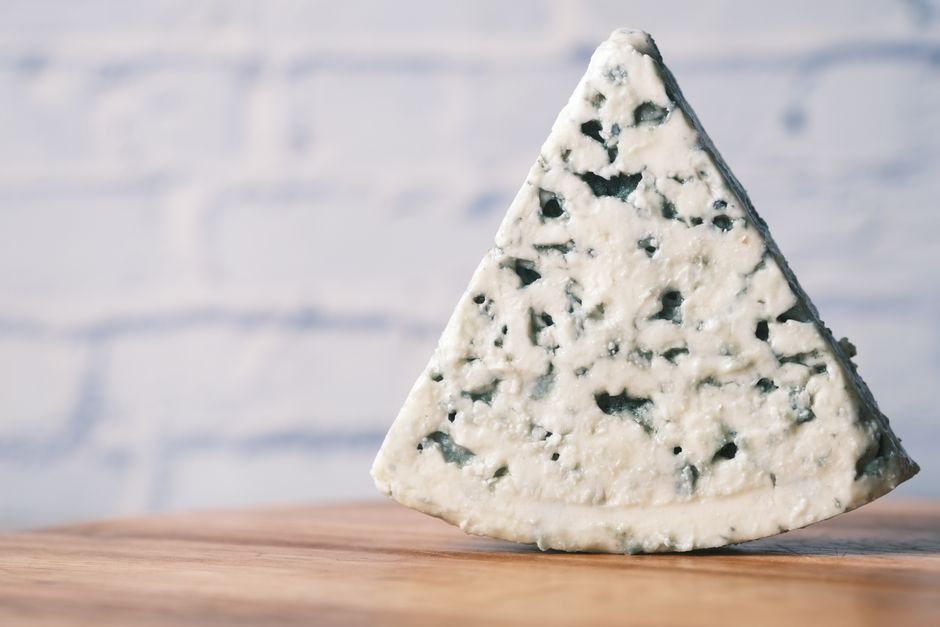
Full Nutrition Facts for 1 Ounce (28g) of Blue Cheese
Here’s the complete nutritional breakdown of a standard 1-ounce serving of blue cheese, based on USDA FoodData Central data.
| Nutrient | Amount | % Daily Value |
|---|---|---|
| Calories | 100 | 5% |
| Total Fat | 8.2g | 11% |
| Saturated Fat | 5.3g | 27% |
| Cholesterol | 21mg | 7% |
| Sodium | 395mg | 17% |
| Total Carbohydrate | 0.7g | <1% |
| Dietary Fiber | 0g | 0% |
| Total Sugars | 0g | 0% |
| Protein | 6.1g | 12% |
| Calcium | 150mg | 12% |
| Phosphorus | 110mg | 9% |
| Vitamin B12 | 0.36mcg | 15% |
*Percent Daily Values are based on a 2,000-calorie diet. Source: USDA FoodData Central.
Key insight: Blue cheese is exceptionally high in sodium (395mg per ounce, or 17% of your daily limit) due to the aging and fermentation process. This makes it a concentrated condiment rather than a main protein source. Despite the calorie density, it delivers 6g of protein and substantial calcium per small serving, so a little goes a long way nutritionally.
Etekcity Food Scale
0.1g accuracy — the perfect companion for exact portions.
Crumbled Blue Cheese vs. Other Cheese Types
Crumbled Blue Cheese
- Highest fat content among common cheeses (8.2g per ounce)
- High saturated fat due to aging and blue mold culture
- Rich, pungent flavor means smaller portions satisfy cravings
Sliced Cheddar Cheese
- Slightly fewer calories per ounce (113 calories for sharp cheddar, but smaller portion often used)
- Lower sodium (190mg per ounce) due to less aging
- Milder flavor, so people tend to eat larger amounts
Practical takeaway: Blue cheese is more calorie-dense and salty than most cheddar varieties, but its bold flavor means you’ll use less of it per meal. A teaspoon of crumbled blue cheese adds dramatic taste with fewer total calories consumed than a larger portion of milder cheese.
Is Blue Cheese Good for Weight Loss?
Blue cheese is not ideal as a daily staple for weight loss, given its calorie and saturated fat density. However, its intense flavor allows you to satisfy cravings with small portions (1–2 tablespoons). If you’re calorie-conscious, use blue cheese as an accent or topping rather than an entrée component. Pair it with high-volume, low-calorie foods like salads and vegetables to feel fuller on fewer calories.
Tips to Eat Blue Cheese Without Gaining Weight:
- Measure portions: Use a kitchen scale or tablespoon measure; don’t eat directly from a crumble container.
- Build balanced plates: Combine 1 ounce of blue cheese with at least 2 cups of leafy greens, vegetables, and a lean protein.
- Use it as a condiment: Crumble sparingly over salads, grilled vegetables, or lean steaks rather than eating it on its own.
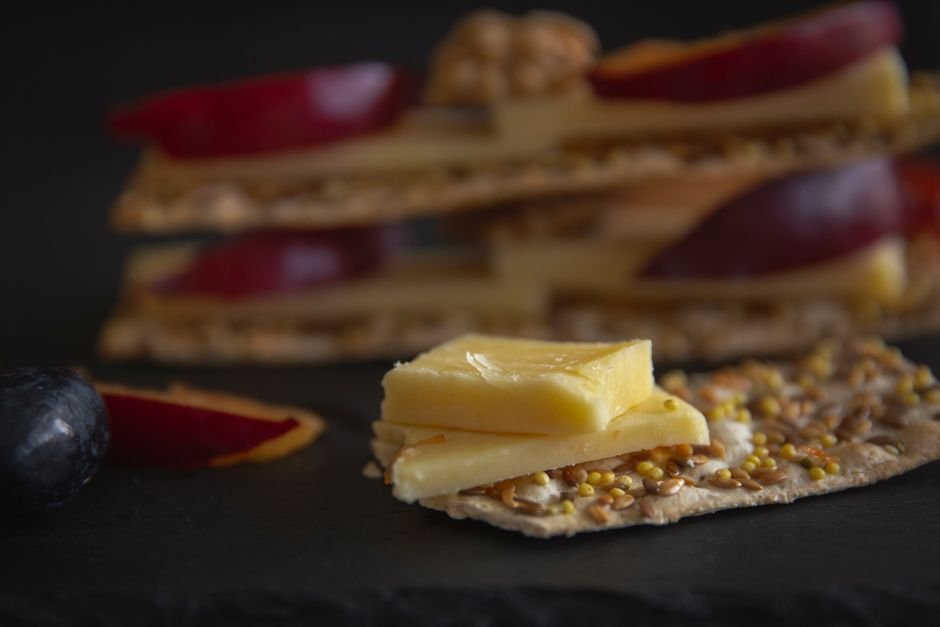
- Pair with whole grains: A small amount of blue cheese on whole-grain crackers (1–2 oz) provides satiety without excess calories.
The key is intention: blue cheese works in weight-loss diets when you view it as a flavoring agent, not a protein centerpiece.
How Portion Size Affects Calories
Blue cheese calories scale linearly with weight. Because it’s so nutrient-dense, even small weight differences create noticeable calorie changes. A casual handful can easily become 2–3 ounces (200–300 calories), while a measured tablespoon keeps you at 50 calories. Awareness of portion growth is critical when eating blue cheese, especially in social settings where bowls or boards are shared.
Example:
- Small portion (1 tablespoon, 14g): 50 calories, 4g fat, 1.5g protein
- Large portion (4 tablespoons, 56g): 200 calories, 16g fat, 6g protein
One extra tablespoon doubles your calorie intake, so pre-portioning blue cheese into small bowls or using crumbled amounts is an effective weight-management strategy.
Best Way to Measure Blue Cheese Accurately
Measuring cheese accurately prevents portion creep. Blue cheese comes in crumbled, wedge, and block forms, each requiring different methods. A kitchen scale is the most precise tool, but practical alternatives exist for everyday use.
Options:
- Digital kitchen scale (most accurate): Place blue cheese on a plate, tare the scale to zero, and weigh to your target (28g for 1 ounce, 14g for 1 tablespoon).
- Standard measuring spoons: 1 tablespoon (14mL) of crumbled blue cheese ≈ 14g. Use level, not heaping, spoonfuls.
- Ounce-by-eye (with practice): 1 ounce of crumbled blue cheese is roughly the size of a golf ball; 2 tablespoons fit in a shot glass. Practice once with a scale to calibrate your eye.
Calculate Your Exact Calorie Intake
If you eat blue cheese regularly, knowing your precise calorie intake becomes important for accurate meal tracking. Blue cheese’s high sodium and fat content means small overpours create outsized nutritional impacts.
Our free AI nutrients calculator helps you track blue cheese portions alongside other foods, showing you real-time calorie, fat, and sodium totals for your meals. Use the calculator to get personalized recommendations based on your daily targets.
- Track sodium intake: See if blue cheese pushes you over your daily sodium limit and adjust other meals accordingly.
- Balance macros: Pair blue cheese with high-fiber vegetables and lean proteins to hit your carb, protein, and fat targets.
- Log multiple servings: If you eat blue cheese in a salad dressing and on a burger in one day, the calculator catches the cumulative impact.
Common Mistakes When Eating Blue Cheese
Blue cheese is easy to overeat because it’s delicious and often served in generous portions at restaurants and social events. Here are the most common pitfalls:
❌ Eating directly from a bowl or crumble container: This leads to uncontrolled portions; you’ll eat 2–3 ounces without realizing it.
❌ Forgetting blue cheese in salad dressing counts: Store-bought blue cheese dressing contains 150+ calories per 2-tablespoon serving, plus added oils and sugars; many people underestimate dressing calories entirely.
❌ Pairing blue cheese with high-calorie vehicles: Buffalo wings with blue cheese dipping sauce, blue cheese burgers with fries, and blue cheese pasta all amplify total meal calories; blue cheese alone isn’t the culprit, but it’s a multiplier.
❌ Confusing ounces with tablespoons: Saying “I only had an ounce” but actually eating 2–3 tablespoons of crumbled cheese is a common miscalculation; 1 ounce is 4 tablespoons, not 1.
Awareness of these mistakes helps you enjoy blue cheese intentionally and fit it into your nutrition plan.
FAQ
How many calories are in 100g of blue cheese?
Blue cheese contains approximately 357 calories per 100g. This is about 3.5 ounces, a substantial serving that would typically be split among multiple people as a condiment or topping.
Is blue cheese fattening?
Blue cheese is calorie and fat-dense (100 calories and 8g fat per ounce), so overeating it contributes to weight gain. However, when portioned to 1–2 tablespoons as an accent, it fits within balanced diets because the intense flavor satisfies cravings with a small total calorie investment.
Does blue cheese have added sugar?
No, blue cheese contains negligible sugar (0.7g per ounce or less). The fermentation and aging process consume sugars, leaving mostly fat, protein, and salt. This makes it suitable for low-carb and keto diets.
Why is blue cheese so high in sodium?
Salt is essential to cheese production—it controls moisture, prevents harmful bacteria, and develops flavor during aging. Blue cheese, aged longer than fresh cheese, accumulates more salt. One ounce contains 395mg sodium (17% of the daily limit), so it’s best eaten in small amounts, especially if you’re managing blood pressure.
Conclusion
Blue cheese delivers bold flavor with significant nutritional impact: 100 calories, 8g fat, and 6g protein per ounce, along with 395mg sodium. Its calorie and saturated fat density means it’s best treated as a condiment or accent rather than a staple protein source. The bright side is that a little goes a long way; the intense, pungent taste means small portions satisfy cravings without excess calories.
To make the most of blue cheese in your diet, measure portions carefully, pair it with high-volume vegetables and lean proteins, and track sodium intake if you eat it frequently. Using a reliable nutrients calculator ensures you account for blue cheese in your daily totals and maintain accurate macronutrient balance.
