
Maple syrup is a natural sweetener beloved in North America, particularly in Canada and the northeastern United States. It’s commonly drizzled over pancakes, waffles, oatmeal, and baked goods, and appears in countless recipes from breakfast dishes to savory glazes. Whether you’re watching your weight, managing blood sugar, or simply curious about your favorite sweetener’s nutritional profile, understanding maple syrup’s calorie and nutrient content is essential.
But how many calories are actually in maple syrup? This article breaks down the complete nutrition facts for a standard serving, shows you how it compares to other sweeteners, and offers practical guidance for enjoying it without derailing your health goals.
Calories in Maple Syrup (Quick Answer)
A tablespoon of pure maple syrup contains roughly 52 calories and is primarily carbohydrates, with no fat or cholesterol.
- 1 tablespoon (20g): 52 calories
- 1/4 cup (60g): 156 calories
- 1 cup (240g): 624 calories
Calorie values can vary slightly based on the maple syrup grade (light, medium, or dark) and moisture content, though differences are minimal.
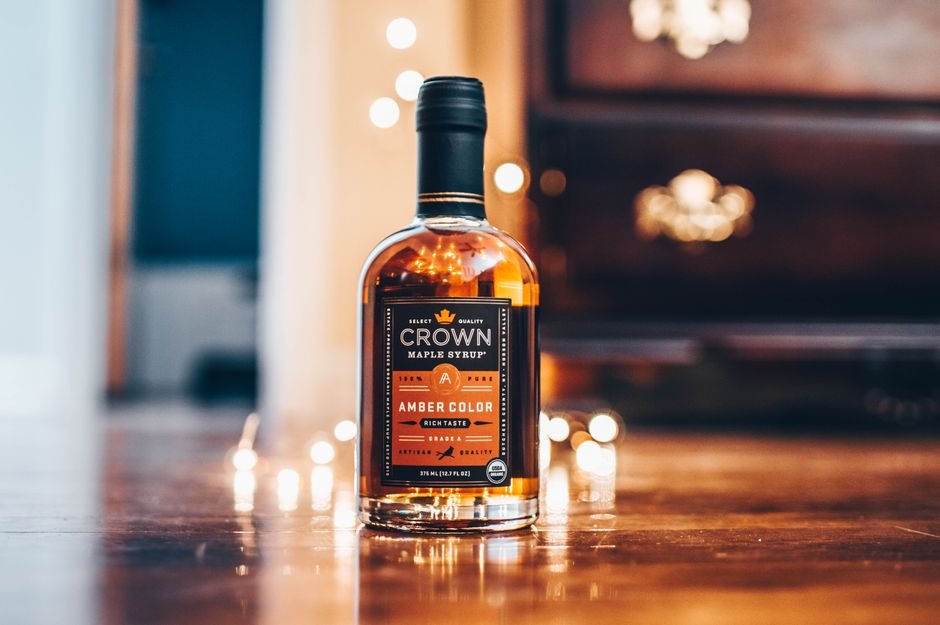
Full Nutrition Facts for 1 Tablespoon (20g) of Maple Syrup
Maple syrup is a concentrated source of carbohydrates and natural sugars, with minimal micronutrient contributions relative to its calorie density. Here’s a complete breakdown of what you get in a standard serving:
| Nutrient | Amount | % Daily Value |
|---|---|---|
| Calories | 52 | — |
| Total Fat | 0g | 0% |
| Saturated Fat | 0g | 0% |
| Cholesterol | 0mg | 0% |
| Sodium | 2mg | <1% |
| Total Carbohydrate | 13g | 5% |
| Dietary Fiber | 0g | 0% |
| Total Sugars | 12g | — |
| Protein | 0g | 0% |
| Manganese | 0.6mg | 28% |
| Zinc | 0.8mg | 7% |
| Calcium | 15mg | 1% |
*Percent Daily Values are based on a 2,000-calorie diet. Source: USDA FoodData Central.
Key insight: While maple syrup contains manganese, a mineral involved in bone health and metabolism, the amount per tablespoon is modest. The real story here is the sugar content: a single tablespoon delivers 12g of sugar with zero fiber, making it an easy food to overconsume accidentally. Even small increases in serving size create rapid calorie spikes.

Etekcity Food Scale
0.1g accuracy — the perfect companion for exact portions.
Pure Maple Syrup vs. Corn Syrup
Pure Maple Syrup
- Natural sweetener from boiled tree sap with a complex flavor profile
- Contains trace minerals like manganese and zinc
- Higher cost and shorter shelf stability than alternatives
Corn Syrup
- Refined sweetener derived from corn; lighter color and neutral taste
- Virtually no minerals or micronutrients; calorie-for-calorie identical to maple syrup (roughly 57 calories per tablespoon)
- Lower cost and longer shelf life; more common in commercial products
The takeaway: From a pure calorie standpoint, maple syrup and corn syrup are nearly identical. The advantage of real maple syrup lies in its natural origin and minimal trace minerals, though neither should be considered a significant nutrient source. Both spike blood sugar similarly and should be used sparingly by anyone monitoring carbohydrate intake or managing diabetes.
Is Maple Syrup Good for Weight Loss?
Maple syrup is calorie-dense and sugar-heavy, making it a challenge for weight loss efforts. At 52 calories and 12g of sugar per tablespoon, it contributes meaningful calories in small portions, and it’s easy to exceed a serving when pouring over food. The lack of fiber means it doesn’t satisfy hunger, and blood sugar spikes can trigger cravings later. If you’re in a calorie deficit and want to lose weight, minimizing maple syrup and choosing lower-sugar or zero-calorie alternatives is usually the smarter choice.
Tips to Eat Maple Syrup Without Gaining Weight
- Measure precisely: Use a measuring spoon instead of pouring freely; one tablespoon is the recommended serving size.
- Mix with lower-calorie foods: Drizzle over high-protein oatmeal or Greek yogurt to balance the sugar impact and increase satiety.
- Reduce frequency: Save maple syrup for occasional treats rather than daily meals; on other days, use sugar-free syrups or skip syrup entirely.
- Pair with fat and protein: Combine syrup with nuts or eggs to slow sugar absorption and improve blood sugar stability.
The key is treating maple syrup as a condiment, not a staple. Small, intentional portions keep calories under control.
How Portion Size Affects Calories
Maple syrup’s calorie density means portion size matters enormously. A single extra tablespoon doubles your sugar intake without adding much volume, and it’s simple to overshoot your target when freely pouring. Understanding how serving sizes scale helps you make deliberate choices and avoid hidden calorie creep.
Example:
- Small portion (1 tablespoon): 52 calories, 12g sugar
- Large portion (1/4 cup = 4 tablespoons): 208 calories, 48g sugar
That seemingly generous pour more than quadruples your sugar intake — roughly equivalent to eating a candy bar’s worth of added sugar.
Best Way to Measure Maple Syrup Accurately
Since maple syrup is viscous, measuring by weight is the gold standard for accuracy. A digital kitchen scale removes guesswork and helps you track nutrition precisely. If you don’t have a scale, volume measurements work reasonably well, but they’re more prone to error depending on how you fill the spoon.
Options:
- Digital kitchen scale: Place a small bowl on the scale, tare it to zero, and drizzle syrup until the weight reaches your target (20g per tablespoon). This is the most accurate method.
- Measuring spoon: Use a standard tablespoon or measuring spoon, leveling off the top to ensure consistency. Works well for recipes and tracking.
- Nutrition label estimation: If the bottle provides nutrition facts, use the serving size listed; most brands standardize at 1 tablespoon (20g).
Calculate Your Exact Calorie Intake
If you’re tracking calories or managing a specific health condition, knowing the exact nutrient content of everything you eat matters. Maple syrup is just one ingredient, and combined with other foods, it’s easy to lose track of cumulative sugar and calories over a day.
Our free AI nutrients calculator helps you log meals, portion sizes, and maple syrup servings in seconds. It automatically tallies calories, carbs, sugars, and all micronutrients, giving you a clear picture of your daily intake without manual math.
- Instantly calculate total calories and nutrients for any serving size or portion of maple syrup
- Track multiple foods at once and see how syrup fits into your daily macros
- Identify patterns in sugar intake and adjust portions for your goals
Use the free calculator here to get started.
Common Mistakes When Eating Maple Syrup
Even with good intentions, it’s easy to slip into habits that add unnecessary calories and sugar to your diet. Here are the most common pitfalls when enjoying maple syrup:
❌ Pouring instead of measuring: Free-pouring can easily deliver 2–3 tablespoons without realizing it, tripling your calorie intake.
❌ Assuming it’s healthier than white sugar: While maple syrup is natural, it’s metabolically similar to regular sugar; your body processes both the same way.
❌ Using it on already-sweet foods: Adding syrup to granola, cake, or sweetened yogurt stacks sugars dangerously high.
❌ Forgetting to account for it in daily tracking: Many people log meals but skip condiments, leading to underestimated calorie totals.
Awareness and intentionality are your strongest tools for using maple syrup responsibly.
FAQ
How many calories are in 100g of maple syrup?
One hundred grams of maple syrup contains approximately 260 calories. Since one tablespoon weighs about 20g, 100g is roughly five tablespoons.
Is maple syrup fattening?
Maple syrup itself is fat-free, but it’s calorie-dense and high in sugar, making it easy to overconsume. Regular consumption without portion control can contribute to weight gain, especially in a calorie surplus.
Does maple syrup have any health benefits?
Maple syrup contains trace minerals like manganese and zinc, and is less processed than refined white sugar. However, the amounts per serving are modest, and it shouldn’t be relied upon as a nutrient source. It’s best viewed as an occasional flavoring rather than a health food.
What’s the difference between maple syrup grades?
Maple syrup grades (golden, amber, dark, very dark) refer to light transmission and flavor intensity, not nutritional content. Calorie and sugar counts are virtually identical across grades; the choice is purely about taste preference.
Conclusion
Maple syrup is a calorie-dense, carbohydrate-rich sweetener that delivers 52 calories and 12g of sugar per tablespoon. While it contains trace minerals and is less processed than some alternatives, it offers no significant nutritional advantage over regular sugar from a macro perspective. It’s best enjoyed sparingly, measured carefully, and paired with protein and fat to mitigate blood sugar spikes.
If you’re serious about tracking your nutrition and managing weight or blood sugar, precision is essential. Use a scale to measure your portions, log your intake consistently, and consider a **reliable nutrients calculator** to see exactly how maple syrup and other foods fit into your daily goals. Small, intentional choices compound over time.
