
Raisins are one of the most widely consumed dried fruits globally, popular in breakfast cereals, baking, trail mixes, and as standalone snacks. They’re affordable, shelf-stable, and nutrient-dense—making them a dietary staple for people managing weight, building muscle, or controlling blood sugar. Whether you’re snacking straight from the box or adding them to oatmeal, understanding their calorie content matters.
But how many calories are actually in a handful of raisins? And how does their concentrated sugar profile affect your daily intake? This guide breaks down the complete nutrition facts, portion strategies, and practical tips for fitting raisins into any diet.
Calories in Raisins (Quick Answer)
A standard 1/4 cup (40g) serving of raisins contains approximately 120 calories, making them a calorie-dense food due to water removal during the drying process.
- 1/4 cup (40g): 120 calories
- 1 tablespoon (10g): 30 calories
- 1 ounce (28g): 85 calories
Calorie counts remain consistent across raisin varieties (Thompson Seedless, flame, sultanas), as the drying method doesn’t significantly alter caloric density—though organic and sun-dried brands may vary slightly by moisture content.
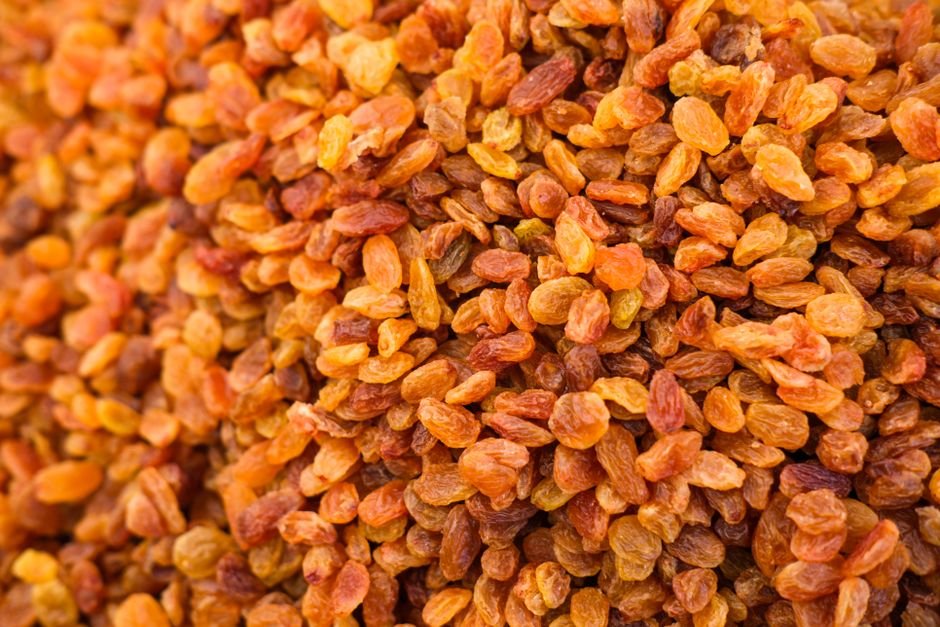
Full Nutrition Facts for 1/4 Cup (40g) of Raisins
Raisins are a concentrated source of carbohydrates and natural sugars, with minimal fat and no cholesterol. Here’s the complete breakdown per standard serving:
| Nutrient | Amount | % Daily Value |
|---|---|---|
| Calories | 120 | 6% |
| Total Fat | 0.3g | <1% |
| Saturated Fat | 0.1g | <1% |
| Cholesterol | 0mg | 0% |
| Sodium | 10mg | <1% |
| Total Carbohydrate | 32g | 11% |
| Dietary Fiber | 2g | 7% |
| Total Sugars | 21g | — |
| Protein | 1.1g | 2% |
| Iron | 0.7mg | 4% |
| Potassium | 320mg | 7% |
| Antioxidants (polyphenols) | High (variable) | — |
Percent Daily Values are based on a 2,000-calorie diet. Source: USDA FoodData Central.
Key insight: Raisins deliver 21g of natural sugars in just 40g—that’s more than 50% sugar by weight. While this makes them quick energy for athletes, it also means portion control is critical for blood sugar management. The 2g of fiber helps slow digestion slightly, but raisins are still glycemic-spiking compared to whole grapes.
Etekcity Food Scale
0.1g accuracy — the perfect companion for exact portions.
Raisins vs. Fresh Grapes: Calorie and Nutrient Comparison
Drying concentrates both nutrients and sugars, dramatically changing the nutritional profile. Understanding this comparison helps you choose based on your goals.
Raisins (1/4 cup, 40g)
- 120 calories, 32g carbs, 21g sugar
- Shelf-stable, portable, higher mineral density (iron, potassium, boron)
- Lower satiety per calorie—easy to overeat due to small size
Fresh Green or Red Grapes (1 cup, 160g)
- 104 calories, 27g carbs, 23g natural sugar, 88% water
- Higher volume, greater satiety, more fiber per serving, lower calorie density
- Shorter shelf life, less portable, similar total sugar but spread across more weight
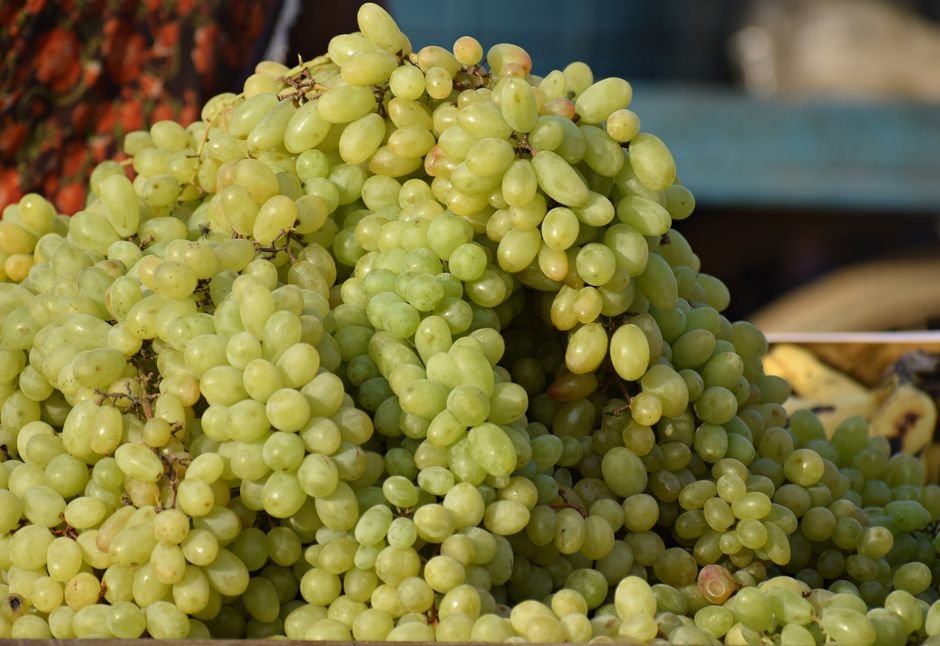
The takeaway: Fresh grapes deliver similar sugar in four times the volume, making them more filling for fewer calories overall. Raisins win on portability and micronutrient concentration; fresh grapes win on satiety. For weight loss, fresh grapes are the better choice. For endurance athletes or hiking snacks, raisins pack more energy in less weight.
Is Raisins Good for Weight Loss?
Raisins can fit into a weight-loss diet, but portion discipline is essential. At 120 calories per 1/4 cup, they’re calorie-dense and easy to overconsume—a typical snack-size box (43g) contains 130 calories and 28g sugar. The fiber content (2g per serving) does promote satiety, and their natural sweetness can satisfy cravings without added sugars. However, they lack the volume and water content of whole fruits, so you’ll feel less full compared to eating equivalent calories in grapes or berries.
Tips to Eat Raisins Without Gaining Weight:
- Pre-portion into 1/4-cup servings in small containers or snack bags to avoid mindless overeating straight from the box
- Pair with protein (almonds, yogurt, cheese) to slow sugar absorption and increase satiety
- Eat them with meals rather than alone to stabilize blood glucose spikes
- Choose fresh grapes instead if volume and fullness are your priority, or use raisins as a garnish rather than a standalone snack
When measured carefully, raisins can fit into a calorie deficit. The key is treating them as a concentrated carbohydrate, not a “free” snack.
How Portion Size Affects Calories
Raisins’ calorie density means small portion differences add up quickly. A single tablespoon looks modest but still contains 30 calories and 8g carbs. Since raisins are small and uniform, it’s surprisingly easy to eat two or three servings without realizing it. Weighing or pre-portioning is far more reliable than eyeballing.
Example:
- Small handful (2 tablespoons, 20g): 60 calories, 16g carbs
- Large handful (1/2 cup, 80g): 240 calories, 64g carbs
Doubling your portion doubles your intake—a subtle mistake that accumulates over days and weeks.
Best Way to Measure Raisins Accurately
Visual estimates are unreliable for raisins due to their small size and variations in density. A food scale is the gold standard for accuracy, especially if you’re tracking calories or managing blood sugar. If a scale isn’t available, a measuring cup (specifically for dry ingredients) is the next-best option, though pack density can still vary slightly.
Options:
- Food scale (most accurate): Weigh directly into a bowl; aim for 40g per standard serving
- Measuring cup (dry measure): Use a 1/4 cup measuring cup, leveled off (not heaped), equivalent to roughly 40g
- Tablespoon guide: 1 tablespoon ≈ 10g and 30 calories; count out portions for consistency
Calculate Your Exact Calorie Intake
If raisins are a regular part of your diet, tracking their true caloric contribution matters—especially if you eat them daily in cereal, snacks, or baking. A single uncounted serving here and there adds surprising calories over a week.
Our free AI nutrients calculator helps you log raisins and other foods instantly, showing you exactly how they fit into your daily intake. No more guessing about portion sizes or hidden calories.
Benefits of using a nutrients calculator:
- Track calories, carbs, fiber, and sugar in seconds
- Log entire meals and see cumulative nutrition instantly
- Identify portions that align with your specific health goals
Try the free nutrients calculator to see exactly where raisins fit in your daily intake.
Common Mistakes When Eating Raisins
Raisins are a seemingly innocent snack, but several easy mistakes can derail your nutrition goals. Here are the most common slip-ups:
❌ Eating straight from the box without measuring. It’s impossible to judge portion size visually; a handful for one person is 40g (120 cal) and for another is 80g (240 cal). Always use a scale or measuring cup.
❌ Assuming raisins are “healthy” so calories don’t matter. Just because they’re whole-food dried fruit doesn’t mean they’re free to eat in unlimited quantity. They’re still 21g sugar per 1/4 cup and can spike blood glucose.
❌ Combining raisins with other sugary foods (granola, chocolate, sweetened cereal). This stacks sugar and calories; a bowl of granola with raisins can easily exceed 400 calories and 40g sugar—more than a dessert.
❌ Forgetting that raisins in recipes count toward your intake. A muffin recipe with 1/2 cup raisins adds 240 calories and 42g sugar to that single muffin; many people skip this calculation entirely.
Awareness of these patterns prevents the slow, unnoticed calorie creep that undermines weight-loss efforts.
FAQ
How many calories are in 100g of raisins?
100g of raisins contains approximately 300 calories. This is useful for comparing to other dried fruits or calculating larger portions quickly.
Is raisins fattening?
Raisins themselves don’t contain fat (only 0.3g per serving), but their high carb and sugar density can lead to weight gain if portions aren’t controlled. They won’t directly add body fat, but excess calories from raisins will.
Are raisins safe for people with diabetes?
Raisins have a high glycemic index and cause rapid blood sugar spikes. People with diabetes should eat them in very small portions (1-2 tablespoons) or avoid them entirely; whole grapes or berries are safer choices.
Do organic raisins have fewer calories than conventional?
No. Organic and conventional raisins have nearly identical calorie counts (around 300 per 100g). The drying process is the same; growing method doesn’t change the final nutritional density.
Conclusion
Raisins are nutrient-dense, portable, and satisfying—but their 300 calories per 100g and 21g sugar per serving demand respect. They work best as measured portions, paired with protein, or used sparingly as a garnish. For weight loss, fresh grapes offer the same nutrients with more volume and lower satiety-to-calorie ratio. For athletes needing quick carbs, raisins are an excellent choice.
The key to eating raisins without derailing your goals is accurate portion measurement and intentional pairing. Use a food scale or measuring cup, avoid eating from the box, and combine them with protein-rich foods to slow digestion. For consistent tracking and peace of mind, log them in a reliable nutrients calculator to see exactly how they fit into your daily intake—taking the guesswork out of an easy-to-overeat snack.
