
Nori seaweed is a staple of Japanese cuisine and has become increasingly popular worldwide as a nutritious snack and sushi wrapper. It’s eaten by people following plant-based diets, athletes seeking mineral-dense foods, and anyone managing weight or blood sugar levels. Nori is prized for its umami flavor, high mineral content, and minimal calorie footprint, making it a go-to choice for health-conscious eaters.
But how many calories are actually in nori seaweed, and what nutritional benefits does it offer per serving? This guide covers the complete nutrition profile, portion control strategies, and practical tips for incorporating nori into your daily diet without overconsuming calories.
Calories in Seaweed (Nori) (Quick Answer)
Nori is one of the lowest-calorie foods available, delivering intense flavor and nutrition with minimal energy density.
- 1 nori sheet (about 2.5g, raw): 5–8 calories
- 1 ounce of nori (28g, raw): 39–45 calories
- 1 cup of nori pieces (10g, toasted): 32–35 calories
Exact calorie counts depend on whether the nori is raw or toasted, the specific brand, and whether salt has been added. Toasting slightly concentrates calories per weight due to moisture loss.
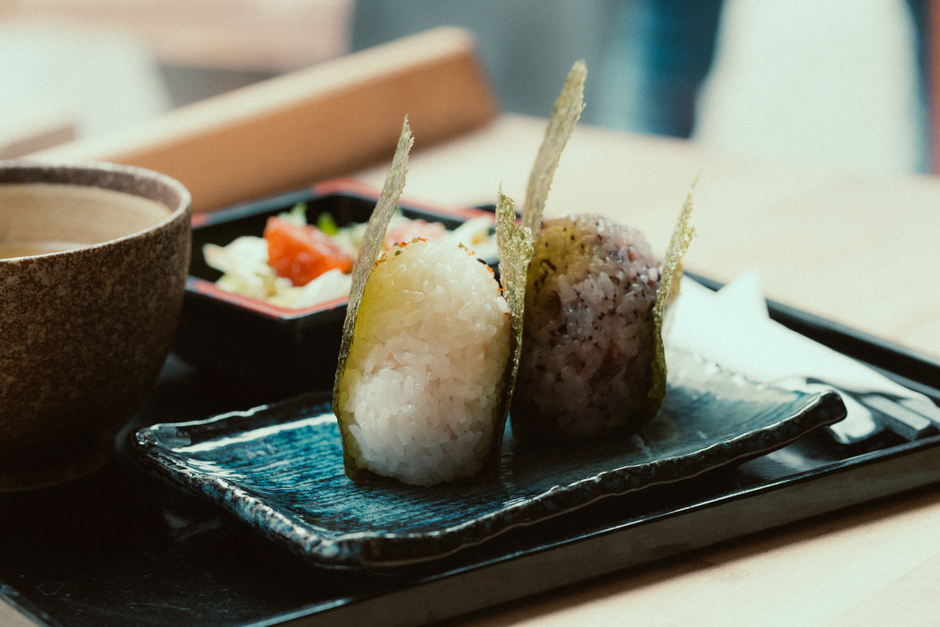
Full Nutrition Facts for 1 Ounce (28g) of Raw Nori
One ounce of raw nori seaweed provides a dense nutritional package, particularly rich in minerals, iodine, and plant-based protein.
| Nutrient | Amount | % Daily Value |
|---|---|---|
| Calories | 42 | 2% |
| Total Fat | 0.5g | 1% |
| Saturated Fat | 0.1g | 0% |
| Cholesterol | 0mg | 0% |
| Sodium | 288mg | 12% |
| Total Carbohydrate | 7.8g | 3% |
| Dietary Fiber | 1.5g | 5% |
| Total Sugars | 0.2g | 0% |
| Protein | 1.9g | 4% |
| Iodine | 232mcg | 155% |
| Iron | 2.2mg | 12% |
| Magnesium | 36mg | 9% |
*Percent Daily Values are based on a 2,000-calorie diet. Source: USDA FoodData Central.
Key insight: Nori is exceptionally rich in iodine—one ounce delivers 155% of the daily value. This is critical for thyroid function and is rarely found at such high levels in plant foods. Nori also contains all nine essential amino acids, making it a rare plant source of complete protein, though the amount per serving is modest.

Etekcity Food Scale
0.1g accuracy — the perfect companion for exact portions.
Raw Nori vs. Toasted Nori: How Processing Affects Nutrition
Raw Nori Sheets
- Slightly higher moisture content; softer, more delicate texture
- Retains all heat-sensitive compounds; subtly sweet, grassy flavor
- Lower caloric density per sheet; better for precise portion control
Toasted Nori Sheets
- Moisture removed by heat; crunchier, more umami-forward taste
- Calories slightly concentrated per gram due to water loss; deeper, roasted flavor develops
- More shelf-stable and resistant to spoilage; easier to tear and wrap
Practical takeaway: From a caloric standpoint, the difference between raw and toasted nori is negligible—one sheet of either is essentially a free snack. Choose toasted if you prefer the flavor and crunch; choose raw if you’re preserving heat-sensitive nutrients. Both are excellent choices for weight loss and general nutrition.
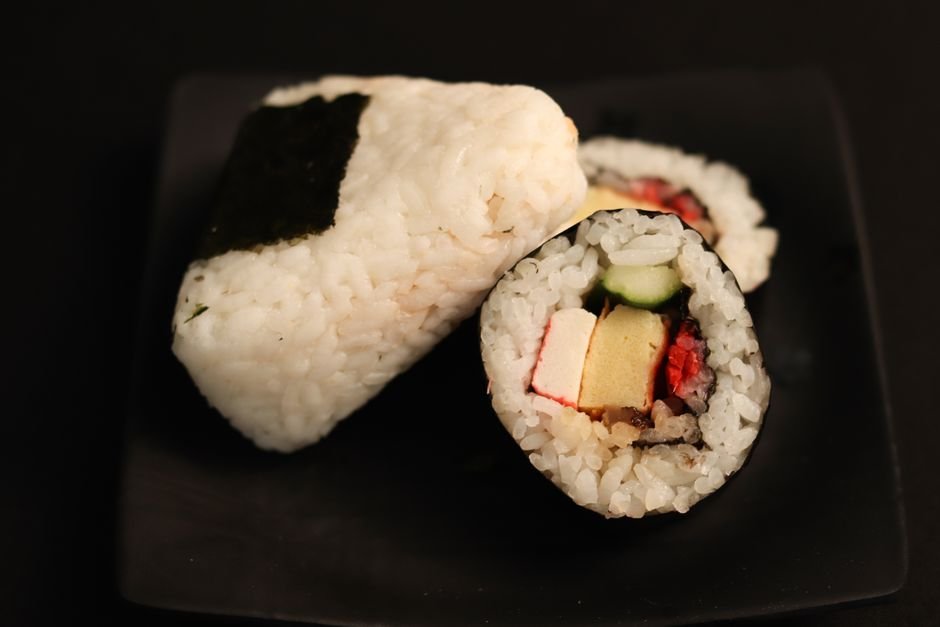
Is Nori Good for Weight Loss?
Yes. Nori is one of the best foods for weight loss, combining near-zero calories with high satiety and nutrient density. A single sheet contains only 5–8 calories, so you can eat multiple sheets without impacting your daily intake. The fiber and iodine support metabolic health and digestive function, while the mineral profile prevents the nutritional deficiencies that sometimes accompany calorie restriction. Nori is particularly valuable for people reducing refined carbohydrates, as it provides umami flavor (satisfying that savory craving) without sugar or oil.
Tips to Eat Nori Without Gaining Weight:
- Stick to unsalted or lightly salted varieties to avoid sodium overload (some brands exceed 300mg per sheet).
- Eat nori as a standalone snack or wrap vegetables and lean proteins rather than pairing it with calorie-dense dressings or mayo-based fillings.
- Portion nori by sheet rather than by weight—this prevents unconscious overeating and keeps calories transparent.
- Use nori to replace higher-calorie wraps (flour tortillas, lettuce wraps with heavy dressings) in meal prep.
Because nori’s calorie footprint is so minimal, the real weight-loss benefit lies in using it to add flavor and satiety to otherwise plain foods, reducing your reliance on dressings, oils, and condiments.
How Portion Size Affects Calories
Nori’s extremely low calorie density means portion size matters less than with other foods, but understanding the math is still useful. A single sheet is the standard portion and is negligible calorically; most people eating nori eat multiple sheets in a sitting without concern. However, if you’re measuring nori for strict tracking (for instance, in a specialized sports diet), knowing the weight equivalents helps.
Example:
- Small portion (1 sheet / 2.5g): ~7 calories
- Large portion (4 sheets / 10g, typical snack): ~28 calories
Even a full snack of four nori sheets delivers fewer calories than a single apple, making portion anxiety irrelevant for this food.
Best Way to Measure Nori Accurately
Since nori is sold in flat sheets and is extremely light, measuring is straightforward. A kitchen scale is the most accurate method, but counting sheets works well for everyday use. Most packages label sheet weight (typically 2–3g per sheet), so you can do simple multiplication. If you buy bulk dried nori not pre-portioned into sheets, a kitchen scale becomes essential for consistency.
Options:
- Count by sheet: Most straightforward method. One sheet = one standard portion. Requires no equipment.
- Kitchen scale (grams): Most precise. Weigh 28g for a 1-ounce serving or follow package labeling. Essential for strict macro tracking.
- Volume measure (cups): Less precise than weight, but 1 cup of loosely packed torn nori ≈ 10g. Better for rough estimates only.
Calculate Your Exact Calorie Intake
If you’re incorporating nori into a broader nutrition plan—say, building sushi rolls with specific protein and fat targets—tracking beyond the obvious calories becomes valuable. How much protein are you getting from the nori and rice combo? What does adding avocado or cream cheese do to your macros? A free nutrient calculator makes this instant and stress-free.
Our site offers a free AI-powered nutrients calculator that breaks down complete macronutrient and micronutrient profiles for any food or combination. Simply enter “nori seaweed” and your portion size, and get instant calorie, protein, fiber, iodine, and iron data. It’s perfect for meal prep planning, comparing food swaps, or verifying your tracking accuracy.
- Instant macro and micronutrient breakdowns for any food combination
- Compare multiple foods side-by-side to optimize nutrition
- Track how preparation method (raw vs. toasted, salted vs. unsalted) changes nutrition profiles
Common Mistakes When Eating Nori
While nori is a healthy, low-calorie food, a few missteps can derail your goals—not because of the nori itself, but because of how people pair it.
❌ Assuming all nori is created equal. Many commercial brands add refined salt, artificial seasoning, or even sugar. Read labels: aim for 100% nori and minimal sodium (<300mg per sheet).
❌ Using nori as a justification to overeat higher-calorie fillings. A nori sheet is 7 calories; the cream cheese, avocado, and mayo inside can be 150+. Track the entire roll, not just the wrapper.
❌ Eating flavored nori (seaweed snacks with added oil, salt, and seasonings) and counting it as plain nori. Flavored seaweed snacks run 35–50 calories per serving and are higher in sodium and added oils.
❌ Storing nori improperly and losing crispness. Nori absorbs moisture and becomes chewy in humid environments. Store in an airtight container in a cool, dry place to maintain texture and shelf life.
The key is treating nori as a simple, whole-food ingredient—not a license to pile on condiments.
FAQ
How many calories are in 100g of nori?
One hundred grams of raw nori seaweed contains approximately 150 calories. This is useful to know if buying bulk nori in large quantities, though most packaged nori is pre-portioned by sheet.
Is nori fattening?
No. Nori is one of the least fattening foods available—it contains almost no fat (0.5g per ounce) and negligible calories per serving. It can actually support weight loss by adding umami flavor and satiety without caloric burden.
Does nori contain iodine, and is it safe to eat daily?
Yes, nori is exceptionally high in iodine (155% of daily value per ounce). Eating one sheet of nori daily is safe and beneficial for thyroid health. However, consistently eating multiple ounces daily may exceed the daily upper limit of 1,100mcg. For most people, 1–3 sheets per day poses no risk.
Can I eat nori if I have a shellfish allergy?
Nori itself is seaweed and does not contain shellfish. However, many nori products are processed in facilities that handle shellfish, creating cross-contamination risk. Always check the label for allergen warnings, especially if you have a severe shellfish allergy.
Conclusion
Nori seaweed is a nutritional powerhouse wrapped in a nearly calorie-free package. At just 42 calories per ounce, it delivers complete protein, exceptional iodine content, iron, magnesium, and fiber—nutrients typically found only in much heavier caloric foods. Whether you’re building a sushi roll, crisping up a snack, or adding umami to a simple vegetable dish, nori is a functional food that actively supports weight loss, metabolic health, and micronutrient adequacy.
The practical takeaway is simple: don’t overthink nori. One sheet is essentially a free food from a caloric standpoint, so focus instead on the quality of your fillings and overall meal balance. For detailed tracking of complete nutritional profiles—especially if combining nori with other ingredients—use a **reliable nutrients calculator** to verify macros and micros. This removes the guesswork and lets you eat confidently.
