
Cottage cheese is a versatile, protein-packed dairy product that has become a staple for athletes, fitness enthusiasts, and people managing their weight. It’s consumed across North America and Europe in breakfast bowls, baked goods, and savory dishes. Whether you’re building muscle, losing fat, or simply looking for a nutrient-dense snack, cottage cheese delivers satisfying nutrition in a modest calorie package.
But how many calories are actually in a serving of cottage cheese? And how does it fit into different fat levels and serving sizes? This guide breaks down the complete nutritional profile of cottage cheese, helping you make informed choices for your dietary goals.
Calories in Cottage Cheese (Quick Answer)
Calorie content varies significantly depending on fat level and serving size:
- Half-cup (113 g) of full-fat cottage cheese (4% milkfat): 110 calories
- Half-cup (113 g) of low-fat cottage cheese (2% milkfat): 81 calories
- Half-cup (113 g) of nonfat cottage cheese: 55 calories
Actual values vary by brand, ingredient additions (fruit, honey, flavorings), and moisture content. Always check your specific product label.
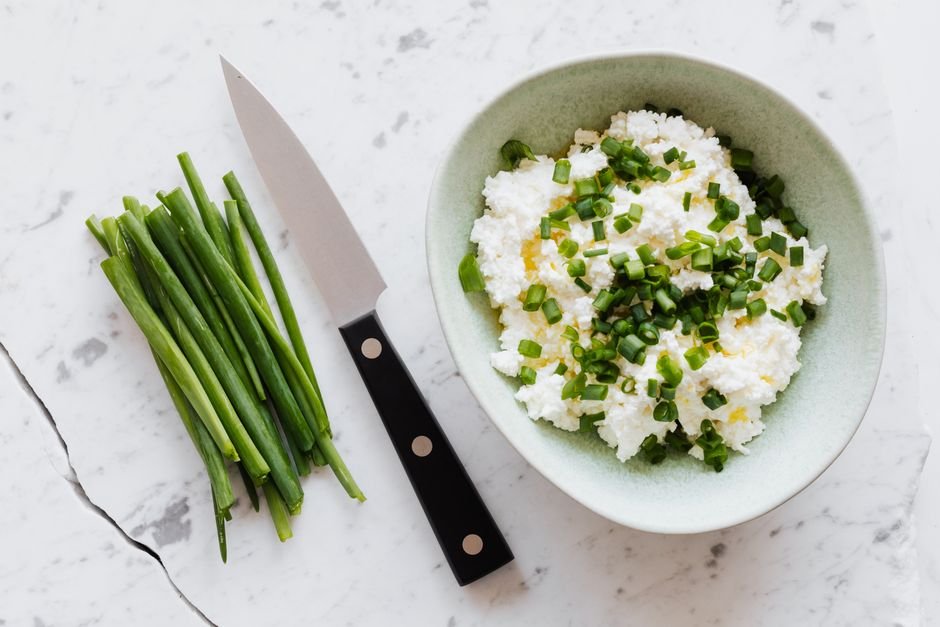
Full Nutrition Facts for Half-Cup (113 g) of Full-Fat Cottage Cheese
Below is the complete nutritional breakdown for a standard half-cup serving of full-fat (4%) cottage cheese:
| Nutrient | Amount | % Daily Value |
|---|---|---|
| Calories | 110 | — |
| Total Fat | 5 g | 6% |
| Saturated Fat | 3 g | 15% |
| Cholesterol | 19 mg | 6% |
| Sodium | 390 mg | 17% |
| Total Carbohydrate | 4 g | 1% |
| Dietary Fiber | 0 g | 0% |
| Total Sugars | 3 g | — |
| Protein | 14 g | 28% |
| Calcium | 138 mg | 11% |
| Phosphorus | 188 mg | 15% |
| Selenium | 21.7 mcg | 39% |
*Percent Daily Values are based on a 2,000-calorie diet. Source: USDA FoodData Central.
Key insight: Cottage cheese is exceptionally protein-dense, delivering 14 grams of high-quality, complete protein in just 110 calories. This makes it one of the most efficient protein sources for muscle building and recovery, particularly for athletes who need to control overall calorie intake. The sodium content (390 mg per half-cup) is moderate but worth noting if you’re salt-sensitive.
Etekcity Food Scale
0.1g accuracy — the perfect companion for exact portions.
Full-Fat vs. Low-Fat Cottage Cheese: Which Is Better?
Full-Fat Cottage Cheese (4% milkfat)
- Higher satiety—fat slows digestion and keeps you fuller longer between meals
- Better nutrient absorption for fat-soluble vitamins (A, D, E, K)
- 110 calories per half-cup; richer, creamier taste and texture
Low-Fat Cottage Cheese (2% milkfat)
- Fewer calories (81 per half-cup) while maintaining most of the protein (12–13 g)
- Slightly lighter texture; lower saturated fat (1.5 g vs. 3 g)
- Better choice for calorie-restricted diets or when consumed in larger quantities
Practical takeaway: Neither is inherently “better.” Full-fat is superior for satiety and absorption if calories allow; low-fat wins if you need to minimize calorie density. Many people find full-fat more satisfying in smaller portions, potentially leading to better overall calorie control. Choose based on your total daily calorie target and personal preference.
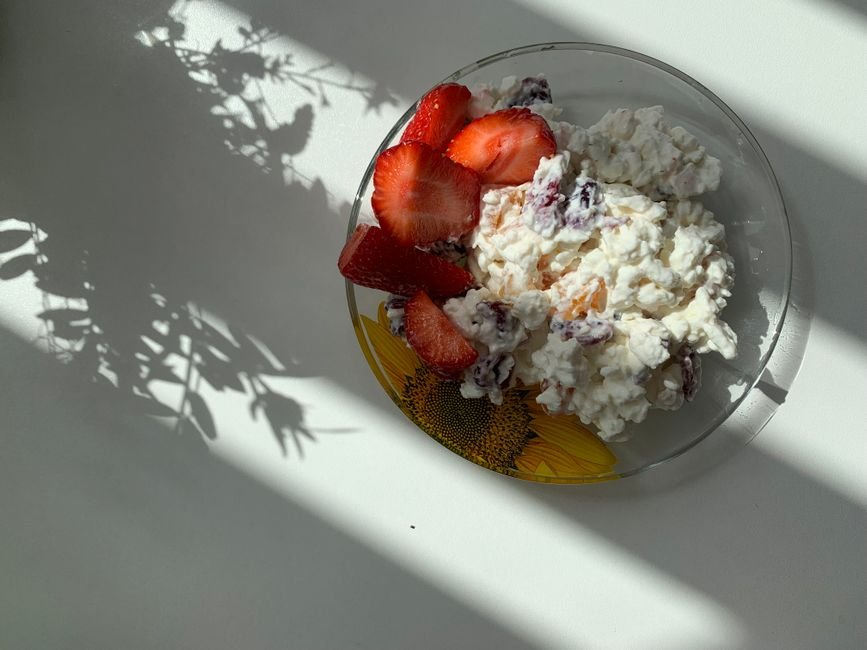
Is Cottage Cheese Good for Weight Loss?
Yes—when eaten in appropriate portions. Cottage cheese is one of the most weight-loss-friendly dairy products: it’s high in protein (which boosts satiety and preserves muscle during fat loss), low in calories, and has minimal carbs. Studies show that high-protein snacks reduce hunger hormones and total daily calorie intake. The catch is portion control; it’s easy to overeat from a large bowl because the soft texture doesn’t require much chewing. Pairing it with fiber-rich foods (berries, vegetables) enhances satiety further.
Tips to Eat Cottage Cheese Without Gaining Weight:
- Use a measured portion: Stick to half-cup (113 g) servings; don’t eat straight from the container. Use a kitchen scale or standard measuring cup to stay accurate.
- Pair with fiber: Add raw berries, sliced cucumber, or leafy greens to increase volume and fullness without extra calories.
- Skip sweetened varieties: Flavored cottage cheese often contains 8–15 g added sugar per half-cup. Buy plain and add your own toppings instead.
- Eat it as a meal component, not alone: Combine with whole-grain toast, hard-boiled eggs, or vegetables to create a balanced meal that keeps hunger at bay for hours.
When used strategically, cottage cheese accelerates weight loss by keeping you full on fewer calories while protecting lean muscle during a calorie deficit.
How Portion Size Affects Calories
Portion size is the single biggest variable affecting cottage cheese intake. A casual handful and a measured serving can differ by 100+ calories. Since cottage cheese is soft and doesn’t come in fixed units (unlike cheese slices or yogurt cups), visual estimation is unreliable. Using a scale or measuring cup eliminates guesswork and prevents unintended overconsumption.
Example:
- Small portion (1/3 cup, 75 g) of full-fat: 73 calories, 9 g protein
- Large portion (1 cup, 225 g) of full-fat: 220 calories, 28 g protein
That three-fold increase in portion size can make or break a calorie goal. Measure consistently for best results.
Best Way to Measure Cottage Cheese Accurately
Accurate measurement prevents calorie miscounting and ensures you’re hitting your protein targets. Cottage cheese’s variable moisture content (wet vs. drained) and the size of curds mean that eyeballing a portion is unreliable. A half-cup can range from 100–130 grams depending on how much liquid is present. For the most precise tracking, use a digital kitchen scale and weigh in grams, which is far more accurate than volume-based measuring.
Options:
- Digital kitchen scale (most accurate): Place a bowl on the scale, tare to zero, add cottage cheese until it reaches your target weight (usually 113 g for a half-cup serving). Accurate to the gram.
- Standard measuring cup: Use a dry-measuring cup (not a liquid one) and level off the top with a knife. Works reasonably well if you use the same brand consistently; moisture varies between brands.
- Hand-size reference: For rough estimates, one open palm of cottage cheese ≈ 70–80 g. Use this only when a scale isn’t available; it’s less reliable than the other methods.
Calculate Your Exact Calorie Intake
Knowing the calories in a single serving is useful, but tracking your total daily intake is what drives real results. If you’re managing your weight, building muscle, or monitoring macronutrients, you need to know exactly how many calories and grams of protein you’re eating from all your foods—not just cottage cheese. Manual calculation is tedious and prone to error.
Use a free AI nutrients calculator to log your meals, track macros in real time, and see exactly how cottage cheese (and every other food) fits into your daily goals. Our free AI nutrients calculator does the math instantly and tells you whether you’re hitting your protein, carb, and calorie targets.
- Instant macro tracking: Input cottage cheese type and portion; see protein, carbs, and fat breakdown immediately
- Compare foods side-by-side: See how cottage cheese stacks up against Greek yogurt, eggs, or other protein sources in seconds
- Total daily overview: Combine all meals to see if you’re meeting your calorie and macro targets, eliminating guesswork
Common Mistakes When Eating Cottage Cheese
Even a healthy food can sabotage your goals if eaten incorrectly. Here are the most common cottage cheese pitfalls:
❌ Eating straight from the container: Without a predetermined portion, it’s easy to consume 2–3 cups (440–660 calories) in one sitting, unknowingly exceeding your daily target by 300+ calories.
❌ Choosing flavored or fruit-added varieties: Pre-mixed cottage cheese with peaches, pineapple, or cream can contain 5–12 grams of added sugar and 20–40 extra calories per half-cup beyond plain cottage cheese.
❌ Pairing it with only carbs: Eating cottage cheese on a bagel or crackers without protein or fat creates a high-carb snack that spikes blood sugar and leaves you hungry an hour later.
❌ Ignoring sodium content: One half-cup contains 390 mg sodium (17% daily value), and eating multiple servings daily can exceed 2,300 mg without realizing it, affecting blood pressure and water retention.
Avoid these by measuring portions, buying plain cottage cheese, pairing it thoughtfully, and monitoring total sodium across all meals.
FAQ
How many calories are in 100g of cottage cheese?
Full-fat cottage cheese contains approximately 98 calories per 100 grams. Low-fat versions have roughly 72 calories per 100 grams, and nonfat has around 49 calories per 100 grams. Values vary slightly by brand due to moisture and fat content differences.
Is cottage cheese fattening?
No, when eaten in proper portions. Cottage cheese is low-calorie, high-protein, and highly satiating—all traits of foods that support weight loss. It becomes problematic only if consumed in excess (entire container at once) or paired exclusively with refined carbs without other balanced nutrition.
How much protein does cottage cheese have?
A half-cup (113 g) of full-fat cottage cheese contains about 14 grams of protein. Low-fat versions have 12–13 grams, and nonfat has roughly 10 grams per half-cup. This makes cottage cheese one of the highest-protein dairy options per calorie.
Is cottage cheese good for muscle building?
Yes. Cottage cheese contains all nine essential amino acids needed for muscle protein synthesis, making it a complete protein source. The high protein-to-calorie ratio is ideal for athletes and fitness enthusiasts trying to build muscle while managing weight. Many bodybuilders eat cottage cheese before bed for its slow-digesting casein protein.
Conclusion
Cottage cheese is a nutrition powerhouse for anyone tracking calories or macros. At 110 calories and 14 grams of protein per half-cup, full-fat cottage cheese offers exceptional satiety and is one of the most efficient protein sources available. Its low carb content, minimal sugar, and nutrient density make it suitable for weight loss, muscle building, and general health. Fat-free and low-fat versions provide even lower calorie density for those in aggressive calorie deficits.
The key to success with cottage cheese is consistent portion control and smart pairing. Use a kitchen scale to measure accurately, choose plain varieties, and combine with fiber-rich vegetables or whole grains for complete meals. To simplify tracking and ensure you’re hitting your nutrition goals daily, use a **reliable nutrients calculator** to log your meals and monitor macros in real time—removing the guesswork from your diet.
