
If you’re choosing between whole wheat and sourdough at the bakery or grocery store, protein content probably isn’t the only reason you’re comparing them—but it might be the deciding factor for breakfast, quick meals, or hitting daily macro targets. Both breads have legitimate nutritional claims, and both appear in every serious baker’s rotation. The question is: which one actually gives you more protein, and does it matter?
The answer is nuanced but clear: sourdough contains slightly more protein per slice than standard whole wheat bread, but whole wheat bread delivers better overall nutritional value for most people’s actual goals. That said, the difference is small enough that your choice should depend on fermentation benefits, digestibility, and flavor—not just the protein race.
Quick Answer
Sourdough bread typically contains 2.0–2.5 grams of protein per slice (using standard commercial sourdough), while whole wheat bread contains 3.5–4.5 grams per slice, depending on the brand. Wait—this means whole wheat actually wins the protein count in most cases, but that’s because whole wheat uses a higher flour ratio and often includes added whole grains. Standard white-flour sourdough has less protein overall, though artisanal whole wheat or whole grain sourdough can match or exceed regular whole wheat. The verdict shifts if you’re comparing whole grain sourdough to white-flour whole wheat, or if you’re considering digestibility and nutrient absorption—areas where sourdough’s fermentation process provides real advantages.
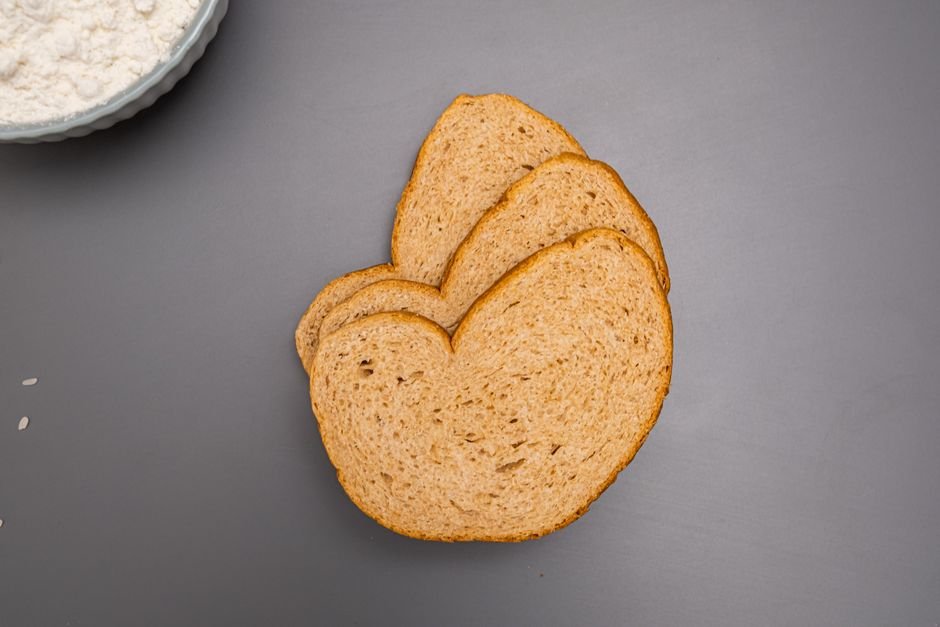
Whole Wheat Bread vs Sourdough: Nutritional Comparison
Whole Wheat Bread
- Protein: 3.5–4.5g per slice (1 oz / 28g slice)
- Fiber: 2–3g per slice, due to intact bran and germ
- Micronutrients: High in manganese, magnesium, phosphorus, and B vitamins
- Glycemic impact: Lower glycemic index than white bread (~51–68 depending on brand)
Sourdough Bread
- Protein: 2.0–2.5g per slice for standard white-flour sourdough; 3.5g+ for whole grain varieties
- Fiber: 0.5–1g per slice for white-flour sourdough; 2–3g for whole grain versions
- Micronutrients: Fermentation increases bioavailability of minerals (phytates reduced by 20–30%)
- Digestibility: Lower gluten content and easier digestion due to long fermentation (12–48 hours)
| Metric (per 1 oz / 28g slice) | Whole Wheat Bread | Sourdough (White-Flour) |
|---|---|---|
| Calories | 80–95 | 75–85 |
| Protein (g) | 3.5–4.5 | 2.0–2.5 |
| Fiber (g) | 2–3 | 0.5–1 |
| Carbohydrates (g) | 14–16 | 15–17 |
| Whole Grain Content | 100% | 0% (if white-flour) |
| Phytic Acid (mg) | 200–400 | 50–100 (fermentation reduces) |


Etekcity Food Scale
0.1g accuracy — the perfect companion for exact portions.
Which Is Better for Protein and Overall Nutrition?
Whole wheat bread wins for raw protein content and sustained satiety. A typical slice contains 30–50% more protein than standard white-flour sourdough, plus 2–3x the fiber. If your goal is hitting protein targets, managing hunger throughout the day, or supporting muscle maintenance, whole wheat is the more efficient choice per slice. Three slices of whole wheat bread gives you roughly 10–13 grams of protein—a meaningful contribution to a 2000-calorie diet.
However, whole wheat bread loses points on digestibility and nutrient absorption. The same fiber and phytic acid that make it nutritious can inhibit mineral absorption and cause bloating in sensitive individuals. Sourdough’s 12–48 hour fermentation breaks down phytic acid by 20–30% and partially breaks down gluten, making minerals more bioavailable and the bread easier to digest. If you struggle with whole grain bloating, acid reflux, or have gluten sensitivity (not celiac disease), sourdough’s fermentation process is a genuine advantage—and it partially compensates for the protein deficit.
Why the Numbers Don’t Tell the Whole Story
Bread is one of the most variable foods you’ll buy. A thin, artisanal whole wheat slice might weigh 25g; a commercial soft whole wheat slice could be 35g—adding 1.5 grams of protein and completely changing the comparison. Sourdough loaves vary even more wildly: a rustic bakery sourdough has a different crumb structure and density than packaged sourdough, which affects both nutrition per slice and how filling it feels. Some “sourdough” breads use commercial yeast and added vinegar instead of actual slow fermentation, losing the digestibility benefit entirely.
Brand matters too. Whole Foods’ bakery whole wheat bread has 5g protein per slice; store-brand sandwich bread might have 3g. A local sourdough made with whole grain flour can match whole wheat’s protein while keeping fermentation benefits. The only way to know what’s actually in the bread you’re buying is to check the label for serving weight and protein per serving—and even then, your actual slice might be heavier or lighter.
That’s where nutrient calculators come in. Our free AI nutrients calculator lets you input your exact slice weight and brand, giving you real numbers for your specific bread instead of averages. Whether you’re tracking macros for performance, trying to understand why certain breads cause bloating, or just trying to make an informed choice at checkout, it takes the guesswork out of nutrition:
- Input your exact serving size and brand to get accurate protein, fiber, and micronutrient counts for what’s actually in your hand
- Compare different bakeries and stores side by side to find the best protein-to-price ratio for your goals
- Identify which bread combination fits your digestion and energy needs by tracking how different varieties affect your hunger and energy levels
Common Mistakes
Here are the errors most people make when comparing these breads:
❌ Assuming “sourdough” means fermented—many commercial sourdoughs are made with standard yeast and vinegar for flavor, skipping the long fermentation that makes sourdough digestible and nutritious.
❌ Forgetting that whole wheat bread’s fiber can actually reduce mineral absorption if you’re already eating other high-phytate foods (nuts, seeds, legumes)—sourdough’s fermentation advantage becomes real if fiber load is already high.
❌ Comparing a thin bakery whole wheat slice (20g, 2g protein) to a thick commercial sourdough slice (35g, 3g protein) and concluding they’re equal when the whole wheat was just served smaller.
❌ Overlooking that whole wheat flour goes rancid faster than white flour once milled, so store-brand whole wheat bread might be less fresh and less nutritious than sourdough made with fresh flour that’s been protected by long fermentation.
FAQ
Does sourdough have less protein than whole wheat bread?
Standard white-flour sourdough does have less protein (2–2.5g) than whole wheat (3.5–4.5g). But whole grain or whole wheat sourdough closes that gap entirely, offering both protein and fermentation benefits. Check the label; “whole grain sourdough” will list whole wheat or mixed grains as the first ingredient.
Is sourdough easier to digest than whole wheat bread?
Yes—genuine sourdough (fermented 12–48 hours) partially breaks down gluten and reduces phytic acid, making it easier on sensitive stomachs. Whole wheat bread’s higher fiber and phytate content makes it harder for some people to digest, though this varies individually. If whole wheat causes bloating or digestive discomfort, sourdough is worth testing.
Which bread is better for blood sugar control?
Whole wheat bread has a lower glycemic index (~51–68) than white sourdough (~75), making it the better choice for stable blood sugar. However, sourdough’s fermentation actually lowers the glycemic response compared to standard white bread, so whole grain sourdough would be the best option if available.
Can I get enough protein from bread alone?
No. Even whole wheat bread at 4g protein per slice would need 5 slices to hit 20g—too many calories and carbs. Use bread as part of a meal with eggs, cheese, nuts, or meat to meet protein targets, not as your primary protein source.
Conclusion
Whole wheat bread contains measurably more protein than standard white-flour sourdough, making it the more efficient choice if protein is your primary goal. On a slice-for-slice basis, whole wheat typically has 30–50% more protein and 2–3x the fiber, supporting satiety and muscle maintenance. However, sourdough’s 12–48 hour fermentation process breaks down phytic acid and partially breaks down gluten, improving mineral absorption and digestibility—real advantages if you struggle with whole grain bloating or have non-celiac gluten sensitivity.
The best choice depends on your actual needs: prioritize whole wheat for protein and sustained energy; prioritize sourdough for digestibility and easier nutrient absorption. If you want the best of both, look for whole grain or whole wheat sourdough, which delivers both high protein and fermentation benefits. But don’t rely on generic numbers—use a reliable nutrients calculator to check your specific bread’s label, account for your actual slice size, and make a choice based on what’s really in your hands, not averages.
