
Almonds are one of the most popular keto-friendly nuts, but unlike some foods where you can eat as much as you want, almonds come with real carb and calorie constraints on a ketogenic diet. Most people starting keto think “nuts are healthy, so I can grab a handful anytime,” then wonder why the scale stalls or they kick themselves out of ketosis. The decision isn’t just about whether almonds fit—it’s about how many you can actually eat per day without derailing your macros.
This article answers the specific question: what’s the practical daily limit for almonds on keto, what macros does that serving contain, and what happens if you eat more? You’ll get a clear number you can use right now, the exact nutrition breakdown, and the real-world factors that change everything (raw vs. roasted, portion creep, your personal carb target).
How Many Almonds Can You Eat Daily
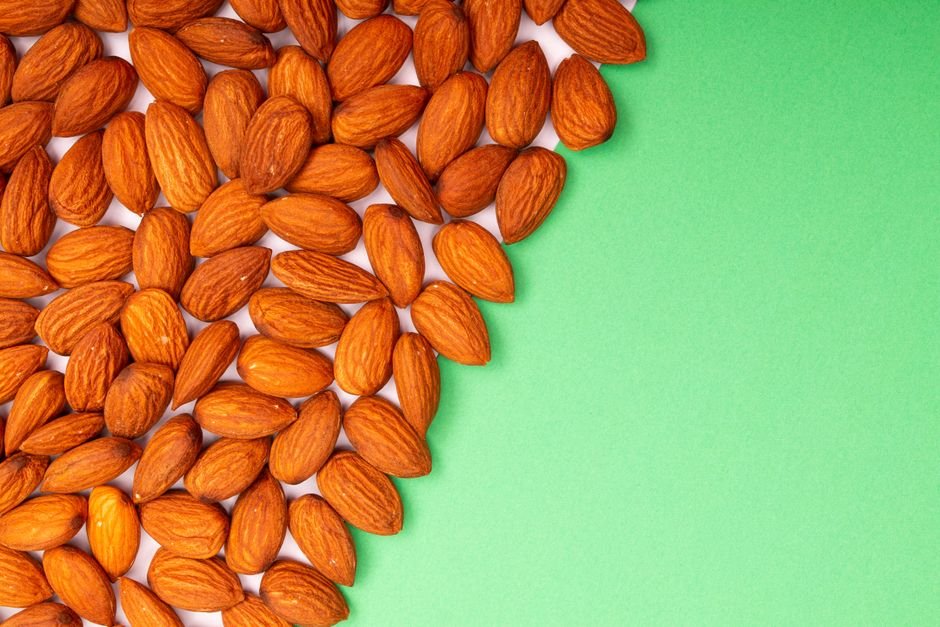
Most people following keto should limit almonds to 1 ounce (23 almonds) per day or less, which delivers 6g net carbs and 164 calories. This keeps you safely below typical keto carb limits while leaving room for other foods. If your daily carb allowance is extremely tight (under 20g), aim for half an ounce (12 almonds). If you’re more liberal with carbs and tracking carefully, up to 2 ounces (46 almonds) is possible—but this requires precision and awareness that you’re consuming 12g net carbs in a single snack.
<
>
Almonds on Keto: The Full Nutrition Breakdown
1 Ounce of Raw Almonds (23 almonds)
- 164 calories
- 6g net carbs (9g total carbs − 3g fiber)
- 6g protein
- 14g fat (including 9g monounsaturated and 3.5g polyunsaturated)
1 Ounce of Roasted, Salted Almonds (23 almonds)
- 170 calories
- 6g net carbs (9g total carbs − 3g fiber)
- 6g protein
- 15g fat (slightly higher due to added oil during roasting)
| Metric | Raw Almonds (1 oz) | Roasted Almonds (1 oz) |
|---|---|---|
| Calories | 164 | 170 |
| Net Carbs | 6g | 6g |
| Protein | 6g | 6g |
| Fat | 14g | 15g |
| Fiber | 3g | 3g |
Source: USDA FoodData Central.

>

Etekcity Food Scale
0.1g accuracy — the perfect companion for exact portions.
Which Almond Serving Limits Are Right for Your Keto Goals?
The verdict: stick to 1 ounce per day as your standard baseline. This amount is the safest, most sustainable choice for almost all keto dieters because it fits cleanly into moderate carb budgets (20–50g net carbs daily), doesn’t trigger hunger spikes the way larger portions can, and leaves psychological room to snack without obsessing over math. One ounce is roughly a small handful or 23 individual almonds—portable, countable, and genuinely satisfying if you eat them slowly. At 6g net carbs, it’s roughly 10–30% of a typical keto dieter’s daily carb allowance, which is manageable without sacrifice.
However, if your carb target is genuinely strict—under 20g net carbs daily for therapeutic keto or rapid weight loss—halve that to ½ ounce (12 almonds, 3g net carbs). Conversely, if you’re in maintenance mode, tracking meticulously, and your daily net carb ceiling is 50g or higher, going up to 1.5 ounces is possible; just know that at 9g net carbs, you’ve burned a quarter of your daily allowance on one snack. Two ounces (12g net carbs) is technically keto-compliant but rarely advisable because it crowds out more nutrient-dense foods and sets a portion-creep precedent that’s hard to reverse.
Why the Numbers Don’t Tell the Whole Story
The 1-ounce guideline assumes raw or lightly roasted almonds with no added sugar. But real-world almonds vary wildly: honey-roasted varieties spike to 8–10g net carbs per ounce because of added sugars; “butter-roasted” almonds in oil can push 16–17g fat, adding calories without changing carbs; and almond flour—which many keto dieters use—is 3g net carbs per ounce (28g) but packed into recipes where 2–3 ounces is easy to eat without noticing. A single “keto almond snack bar” marketed as low-carb might contain 1.5–2 ounces of almonds plus other ingredients, instantly putting you at 9–12g net carbs for what feels like a small bar.
Portion creep is the silent killer. If you buy a bag of raw almonds and eat “a handful” every afternoon, you’re likely consuming 1.5–2 ounces (10–12g net carbs) without counting—especially if you reach in twice. Roasted varieties in bulk containers invite mindless eating; it’s far easier to overconsume from a large bag than from a pre-portioned ounce packet. Your hunger level, meal timing, and food choices earlier in the day also matter: almonds eaten after a high-fat breakfast might kick you out of satiety and create cravings, while the same almonds as part of a late-afternoon snack with cheese might be perfectly satiating.
This is exactly where a free AI nutrients calculator becomes invaluable. Instead of guessing whether your roasted-and-salted brand matches the standard 6g net carbs, or whether that “small handful” is really 23 almonds or 35, you can enter your specific almond variety, exact brand, and measured weight into https://nutrientscalculator.com/ and see the precise macros in front of you. The benefits are clear:
- Know the actual net carbs and calories in your exact brand, not a generic average
- Track portion creep by logging each serving, so you catch habit-eating before it disrupts ketosis
- Compare almonds vs. other keto snacks (macadamias, pork rinds, cheese) with confidence
Common Mistakes
Four major blunders derail keto dieters who love almonds:
❌ Thinking all nuts are equal. Macadamia nuts have just 2g net carbs per ounce and are genuinely unlimited on keto; almonds, at 6g, are not. Eating almonds at the macadamia rate—3–4 ounces daily—will stall weight loss or break ketosis.
❌ Not measuring, just eyeballing a “small handful.” A small handful can range from 15 to 40 almonds depending on hand size and packing. One person’s portion is another’s double-serving. A food scale costs $10 and eliminates the guessing game entirely.
❌ Forgetting that almond flour is still almonds. A recipe using ½ cup (56g) almond flour contains roughly 6g net carbs—equivalent to two full ounces of whole almonds. If you eat that plus almonds as a snack, you’ve hit 12g net carbs before lunch.
❌ Eating almonds for satiety when they don’t work that way personally. Some people find almonds genuinely filling; others feel hungrier after eating them because they’re calorie-dense but not satiating as a whole meal. If almonds trigger snacking-mode eating or cravings later, the best limit is zero, not one ounce.
Accuracy and self-awareness are the antidotes to all four.
FAQ
Can I eat almonds on keto every day, or should I rotate them out?
Yes, you can eat almonds daily at 1 ounce without issue. There’s no biological reason to rotate keto-compliant foods unless you’re bored or chasing variety for micronutrients (in which case mixing in macadamias, pecans, or walnuts adds flavor and different nutrient profiles). Daily consistency makes tracking easier.
Do raw almonds have fewer carbs than roasted almonds?
No, the carb content is virtually identical (6g net carbs per ounce for both). The difference is in calories (164 raw vs. 170 roasted) and fat, due to oil absorbed during roasting. Choose based on taste and satiety, not carbs.
What happens if I eat 2 ounces of almonds instead of 1?
You’re adding 6g more net carbs to your day (12g total), which is roughly 25% of a standard 50g daily carb allowance. If the rest of your day is very clean, you’ll stay in ketosis; if you’re already at 40–45g of carbs, 2 ounces could nudge you out. The risk isn’t almonds alone—it’s the cumulative total.
Are almonds or almond butter better for keto?
Whole almonds are easier to portion-control and count. Almond butter (2 tablespoons = 1 ounce) has the same net carbs but is easier to over-eat because it’s soft and calorie-dense without the “chewing friction” of whole almonds. If you use almond butter, measure it strictly.
Conclusion
The practical daily almond limit for keto is 1 ounce (23 almonds) per day for most people, delivering 6g net carbs and 164 calories in a sustainable, easily portable serving. Go lower (½ ounce) if your carb target is under 20g, and go higher (up to 2 ounces) only if you’re tracking carefully and have room in your macros. The real difference between success and stalling isn’t the number itself—it’s whether you measure accurately, account for your specific almond brand, and catch portion creep before it becomes habit.
Use a reliable nutrients calculator to log the exact almonds in front of you, not the generic average. Measure by weight or count, not by handful. And if almonds don’t keep you satisfied or trigger cravings, don’t force them into your plan—keto has many nut options, and the best choice is always the one you’ll actually stick to.
