
How much cottage cheese can you eat daily on a high-protein diet? Most health experts recommend limiting cottage cheese to one or two servings (0.5–1 cup per serving) per day, which delivers 25–50g of protein while keeping calories and sodium in check. But the true answer depends on your total daily calorie target, sodium tolerance, and whether you’re using cottage cheese as a primary protein source or a supplemental one.
This is a real question because cottage cheese seems like a health-food dream: cheap, protein-dense, and shelf-stable. Yet many people on high-protein diets overestimate how much they can eat without hitting unwanted calorie or sodium totals. The stakes matter: go too high, and you may exceed daily sodium limits or crowd out other nutrient-dense foods; go too low, and you miss its genuine convenience as a quick protein hit. This article cuts through the confusion by laying out realistic limits, the trade-offs between serving sizes and sodium, and when larger amounts actually make sense—or don’t.
How Much Cottage Cheese Can You Eat Daily on a High-Protein Diet, Quick Answer
One to two 0.5-cup servings (1–2 cups total) of standard cottage cheese per day is the sweet spot for most people on a high-protein diet. This yields 25–50g of protein and 200–400 calories without pushing sodium beyond safe limits. However, if your daily calorie allowance is very high (e.g., 3000+ calories for an athlete) or your sodium intake is unrestricted by medical need, you can comfortably eat 2–3 cups daily. Conversely, if you’re sodium-sensitive or on a calorie-restricted plan, stick to one 0.5-cup serving or use low-sodium varieties.
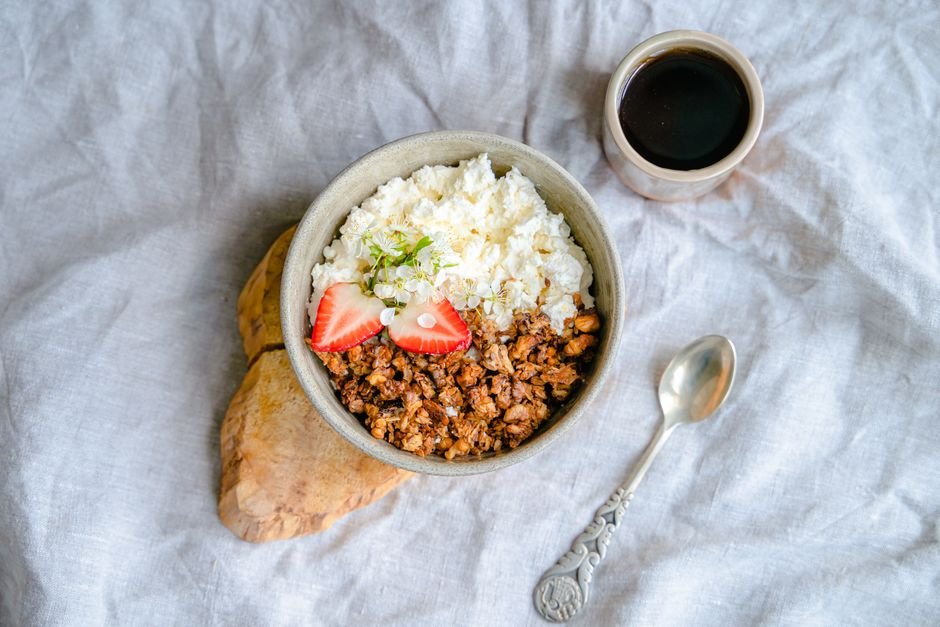
Cottage Cheese Serving Sizes: Moderate vs. High Daily Intake
Moderate Intake (1–2 Cups Per Day)
- Total Protein: 25–50g (depending on brand fat content)
- Total Calories: 200–400 per day
- Sodium: 400–800mg per day (safe range for most diets)
- Fits easily into a 2000–2500 calorie high-protein framework without crowding other foods
High Intake (2–3+ Cups Per Day)
- Total Protein: 50–100g+ (very substantial protein contribution)
- Total Calories: 400–600 per day (significant energy cost)
- Sodium: 800–1200+mg per day (approaches or exceeds recommended daily max)
- Realistically sustainable only for large athletes or people with high calorie budgets and low sodium sensitivity
| Metric | Moderate Intake (1–2 cups/day) | High Intake (2–3 cups/day) |
|---|---|---|
| Protein (g) | 25–50 | 50–100+ |
| Calories | 200–400 | 400–600 |
| Sodium (mg) | 400–800 | 800–1200+ |
| Fat (g) | 5–10 (full-fat) or 2–4 (low-fat) | 10–20 (full-fat) or 4–8 (low-fat) |
| Carbs (g) | 5–10 | 10–20 |
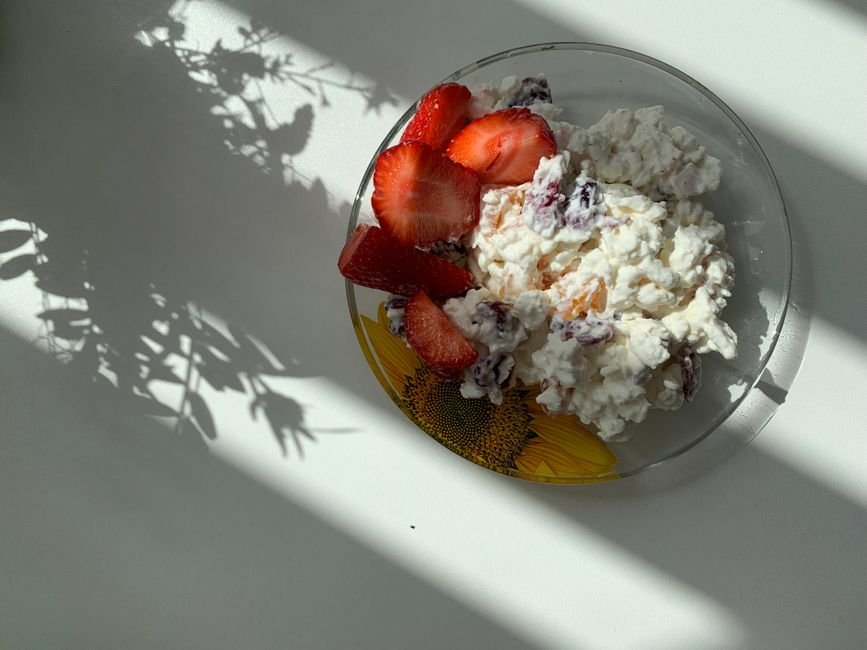
Etekcity Food Scale
0.1g accuracy — the perfect companion for exact portions.
Which Is Better For Your High-Protein Diet: Moderate or High Cottage Cheese Intake?
Moderate intake (1–2 cups daily) is the better choice for 80% of people on a high-protein diet. It delivers sufficient protein for muscle maintenance and recovery without the sodium burden or calorie waste that larger amounts create. Unless you’re consuming 3000+ calories daily or have professional-level protein targets, eating more than 2 cups becomes redundant—your body only needs so much protein per meal anyway, and additional servings are better replaced with whole grains, vegetables, or lean meats that offer micronutrients cottage cheese lacks. The sweet spot also leaves room for variety: Greek yogurt, eggs, chicken, and legumes round out your protein arsenal instead of making cottage cheese a monolithic food.
High intake (2–3+ cups daily) wins only for athletes on massive calorie surplus (powerlifters, rugby players) or for people who actively dislike preparing other proteins and have medical clearance for elevated sodium. Even then, most strength coaches recommend splitting protein across 4–6 meals rather than loading it all into one or two cottage cheese servings, since protein synthesis plateaus around 30–40g per meal. If sodium isn’t a concern and you want convenience, this approach works—but it’s not optimal for muscle growth or general health.
Why the Numbers Don’t Tell the Whole Story
The nutrition label on your cottage cheese is only half the picture. A “one serving” label might list 0.5 cup, but most people who grab a bowl pour 1–1.5 cups without measuring, instantly doubling or tripling the sodium and calorie load. Brands vary wildly: a premium full-fat cottage cheese may have 10g fat and 120mg sodium per 0.5 cup, while store-brand low-fat versions sit at 3g fat and 380mg sodium per identical serving—the low-fat version is actually saltier because manufacturers add sodium to improve taste. Preparation method matters too: mixing cottage cheese with fruit adds natural sugars (good), while adding granola or honey adds significant calories (watch portion size). Even the type of milk used—whole, 2%, or skim—shifts the final nutrition profile, as does whether the curds are large or small (affects perceived fullness and how fast you eat).
For cottage cheese specifically, sodium is the wild card. According to the USDA FoodData Central, standard cottage cheese (4% milkfat) contains approximately 390mg sodium per 100g serving, making it one of the saltier dairy options compared to plain yogurt (75mg per 100g). If you eat 2 cups daily, you’re consuming 780mg of sodium from cottage cheese alone—leaving little room for other salty foods and potentially problematic for anyone managing blood pressure. This is why knowing your brand, measuring your portions, and checking labels is non-negotiable rather than optional.
To dial in the exact macros for what you’re actually eating, use a free AI nutrients calculator like ours, which lets you input your specific brand and portion size. Benefits include:
- Seeing real sodium totals instead of guessing from vague label serving sizes
- Comparing full-fat vs. low-fat vs. non-fat varieties side by side to find your best option
- Tracking total daily protein across all foods, so you don’t over-rely on cottage cheese
Common Mistakes
Most people underestimate cottage cheese’s sodium content and overestimate how much they need. Here are the trap zones:
❌ Treating cottage cheese as a zero-calorie protein source. A 2-cup serving is 400 calories—that’s a full meal for many people, not a snack. If you’re in a calorie deficit, loading it up without accounting for the energy cost derails progress fast.
❌ Assuming low-fat automatically means lower sodium. Many reduced-fat cottage cheese brands pump up the salt to compensate for lost flavor, making them saltier than full-fat versions. Check the label every time—don’t assume.
❌ Eating cottage cheese at every meal thinking it’s “safe” because it’s healthy. Protein redundancy is real: eating 50g cottage cheese, 40g chicken, and 30g whey in one day hits your protein target, but eating cottage cheese *three times* that day with similar other sources leads to overconsumption without additional muscle-building benefit.
❌ Using cottage cheese alone to hit a high-protein diet target without factoring in calories. Cottage cheese at 1.5g protein per 100 calories is efficient, but it still costs calories. If your diet is 80% cottage cheese, you’ve crowded out vegetables, whole grains, and nutrient density that whole-food proteins bring alongside carbs and micronutrients.
FAQ
Is 3 cups of cottage cheese a day too much?
Yes, for most people. Three cups delivers 600+ calories, 75–100g protein (excess for muscle synthesis per meal), and 1200+mg sodium. Unless you’re a 250+ lb athlete eating 4000+ calories daily, it’s inefficient and potentially harmful to blood pressure and sodium balance.
Can I eat cottage cheese every day on a high-protein diet?
Yes, 1–2 cups daily is safe and practical. Eating it every day is fine as long as you stay below 800mg sodium daily from cottage cheese and rotate in other protein sources (chicken, fish, eggs, Greek yogurt) to ensure micronutrient variety.
Which type of cottage cheese is best for high-protein dieting?
Full-fat (4% milkfat) offers the most stable satiety per serving and generally lower sodium, though slightly higher calories. Low-fat (2%) is acceptable if it’s truly lower sodium; avoid non-fat versions unless sodium-sensitive, as they often taste bland and need added salt. Always check your specific brand’s label—variation is huge.
Does cottage cheese count toward my daily protein target?
Absolutely. One cup of cottage cheese (about 200g) counts as 25–30g toward your daily protein goal, just like an egg, chicken breast, or whey shake would. This is exactly why you can’t eat unlimited amounts—you’ll overshoot protein totals and waste calories.
Conclusion
The answer to how much cottage cheese you can eat daily on a high-protein diet is 1–2 cups for most people, delivering 25–50g protein and 200–400 calories without excessive sodium. Higher amounts (2–3 cups) only make sense if you’re an athlete with a massive calorie surplus and medical clearance for elevated sodium intake. The real challenge isn’t hitting a protein target—it’s avoiding the sodium trap and not letting one food dominate your entire diet.
Stop guessing portion sizes and checking generic nutrition facts that don’t match your actual brand. Measure what you eat, use a reliable nutrients calculator to see sodium and exact macros for your specific cottage cheese, and rotate in other high-quality proteins (chicken, fish, eggs, Greek yogurt) to round out micronutrients. With a calculator tool at your fingertips, you’ll hit your high-protein target without the mistakes that derail progress.
