
Hoisin sauce is a cornerstone of Chinese cuisine, used for glazing, dipping, and marinating across countless home kitchens and restaurants worldwide. This sweet, salty, and umami-rich condiment appears in stir-fries, barbecue marinades, spring rolls, and as a standalone dipping sauce. Whether you’re managing calories for weight loss, tracking sodium intake, or simply curious about what you’re consuming, understanding the nutritional profile of hoisin sauce matters—especially since a little goes a long way.
But how many calories are actually in hoisin sauce? This guide provides complete nutrition facts for standard servings, explores how portion size impacts your daily intake, and answers common questions about whether this beloved condiment fits your dietary goals.
Calories in Hoisin Sauce (Quick Answer)
A typical serving of hoisin sauce contains minimal calories per tablespoon, but the numbers add up if you’re not careful with portions.
- 1 tablespoon (17g) of hoisin sauce: 35 calories
- 1 teaspoon (6g) of hoisin sauce: 12 calories
- 2 tablespoons (34g) of hoisin sauce: 70 calories
Keep in mind that calorie and nutrient values can vary slightly depending on brand, sugar content, and regional preparation methods.
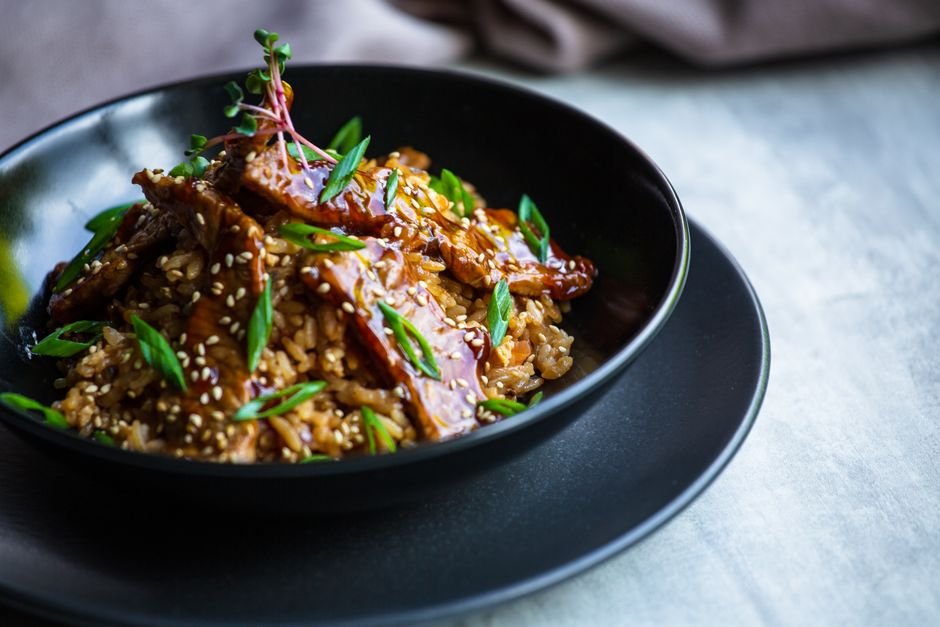
Full Nutrition Facts for 1 Tablespoon (17g) of Hoisin Sauce
Here’s the complete breakdown of what you’ll find in a standard tablespoon of hoisin sauce, based on USDA data:
| Nutrient | Amount | % Daily Value |
|---|---|---|
| Calories | 35 | — |
| Total Fat | 0.5g | 1% |
| Saturated Fat | 0.1g | <1% |
| Cholesterol | 0mg | 0% |
| Sodium | 260mg | 11% |
| Total Carbohydrate | 7g | 3% |
| Dietary Fiber | 0g | 0% |
| Total Sugars | 4.5g | — |
| Protein | 0.5g | 1% |
| Potassium | 95mg | 2% |
| Iron | 0.3mg | 2% |
| Vitamin C | 1.5mg | 2% |
*Percent Daily Values are based on a 2,000-calorie diet. Source: USDA FoodData Central.
Key insight: Hoisin sauce’s primary concern isn’t calories—it’s sodium. A single tablespoon delivers 11% of your daily sodium limit, making it easy to exceed recommended intake if you’re using it liberally in cooking or adding it to multiple dishes. The sugar content (4.5g per tablespoon) is also significant relative to the serving size, so portion control is essential, especially if you’re tracking carbs or managing blood sugar.
Etekcity Food Scale
0.1g accuracy — the perfect companion for exact portions.
Dark Hoisin vs. Light Hoisin Sauce
Not all hoisin sauces are created equal. Dark and light varieties differ in flavor intensity, ingredient composition, and sometimes nutritional content. Understanding these differences helps you choose the right product and use it appropriately.
Dark Hoisin Sauce
- Richer, more intense flavor with deeper molasses and fermented soybean notes
- Typically higher sugar and sodium content due to additional flavorings and fermentation byproducts
- Darker color comes from extended fermentation and higher concentrations of soy and spices
Light Hoisin Sauce
- Milder, slightly sweeter profile with less savory complexity
- Often contains more added sugar to compensate for less fermentation depth
- Lighter brown color, sometimes with visible spices and a thinner consistency
Practical takeaway: Dark hoisin offers more umami flavor per tablespoon, so you may need less to achieve the taste you want—making it easier to control total calories, sugar, and sodium. Light hoisin tends to be more versatile for dipping and milder dishes but may require slightly larger portions. Neither is inherently “better” nutritionally; it depends on your flavor preference and portion discipline.
Is Hoisin Sauce Good for Weight Loss?
Hoisin sauce itself is not a barrier to weight loss, but it requires mindful portioning. At 35 calories per tablespoon, a tablespoon or two won’t derail your goals—the problem is that most people use more than they realize. Because the sauce is so flavorful and sticky, it’s easy to brush it generously onto proteins or use it as a dipping condiment without measuring. The high sodium also pairs with high sugar, both of which can trigger water retention and cravings that work against weight loss.
Tips to Eat Hoisin Sauce Without Gaining Weight:
- Measure your portion: Use a kitchen scale or measuring spoon—1-2 tablespoons per meal is a realistic serving for cooking or glazing.
- Mix it with other sauces: Combine hoisin with vinegar, lime juice, or low-sodium broths to stretch the flavor without adding calories or sodium.
- Use it for flavor, not as a main condiment: Brush it on proteins during cooking rather than serving it as a dipping sauce where people often exceed portions.
- Pair with high-protein, low-carb foods: Serve hoisin-glazed chicken or tofu with steamed vegetables to balance the sauce’s sugar and sodium.
In short, hoisin works fine for weight loss if you treat it as a seasoning accent rather than a major ingredient.
How Portion Size Affects Calories
Hoisin sauce’s impact on your daily calorie intake is almost entirely dependent on how much you use. Because it’s calorie-dense relative to its weight and extremely flavorful, small differences in portion size create noticeable calorie jumps. Someone who uses a teaspoon versus someone who uses three tablespoons for the same meal experiences a threefold difference in calorie and sodium intake.
Example:
- Small portion (1 teaspoon, 6g): 12 calories, 87mg sodium. Realistic for drizzling or light dipping.
- Large portion (3 tablespoons, 51g): 105 calories, 780mg sodium. Common when glazing a whole chicken breast or using as a dipping sauce for an entire meal.
The takeaway: a difference of less than 2 tablespoons swings your calorie count by over 90 calories—equivalent to a small piece of fruit or light snack. Accurate measurement prevents surprises.
Best Way to Measure Hoisin Sauce Accurately
Hoisin sauce’s thick, sticky consistency makes eyeballing portions nearly impossible. A “generous squeeze” from a bottle or a quick brush with a pastry brush can easily be 1.5 to 3 tablespoons without you realizing it. For anyone tracking calories or sodium, measurement tools are essential. The good news is that hoisin is forgiving—measuring it requires minimal equipment and takes only seconds longer than guessing.
Options:
- Kitchen scale (most accurate): Weigh 17g per tablespoon. A small digital scale removes all guesswork and works for any sauce or condiment.
- Measuring spoons: Use marked 1-tablespoon or 1-teaspoon spoons from your kitchen drawer. Level it off with a knife for consistency.
- Condiment squeeze bottle: Transfer hoisin to a small bottle with measurement marks or calibrate by weight once, then use volume estimates for future meals.
Calculate Your Exact Calorie Intake
If you’re using hoisin sauce as part of a larger meal—say, a stir-fry with multiple proteins, vegetables, and rice—calculating your total calorie intake becomes complex. You need to account not just for the sauce, but for how it’s prepared with oils, proteins, and sides. This is where a comprehensive nutrient calculator makes the difference.
Our free AI nutrients calculator lets you input all ingredients and portions, then instantly see your total calories, macronutrients, sodium, sugar, and more. Instead of guessing or doing manual math, you get precise data for every meal.
- Track hoisin sauce alongside proteins, oils, and vegetables in one calculation
- See real-time sodium and sugar totals—critical for managing intake with high-sodium sauces
- Save favorite recipes and meals for quick reference
Common Mistakes When Eating Hoisin Sauce
Many people unknowingly sabotage their nutrition goals with hoisin sauce by making these predictable errors:
❌ Assuming “it’s just a condiment, so calories don’t matter.” A generous serving of hoisin in a stir-fry can add 100+ calories and 500+ mg sodium without making the dish feel “heavier”—the calories are invisible.
❌ Using hoisin as a primary dipping sauce for appetizers. A spring roll with 2 tablespoons of hoisin on the side adds 70 calories to what might otherwise be a 100-calorie snack—doubling its impact.
❌ Not accounting for hoisin’s sodium in daily totals. If you eat hoisin-glazed takeout and also consume bread, canned soup, or cheese elsewhere in the day, sodium can easily exceed 3,500mg before dinner.
❌ Mixing hoisin with other high-sugar, high-sodium sauces. Hoisin + soy sauce + oyster sauce in one dish creates a condiment overload that multiplies sodium and sugar far beyond intention.
Awareness of these patterns helps you use hoisin intentionally rather than by accident.
FAQ
How many calories are in 100g of hoisin sauce?
One hundred grams of hoisin sauce contains approximately 206 calories. This is useful if you’re making a large batch of hoisin-glazed dishes or working with bulk quantities, though most people measure hoisin in tablespoons for everyday cooking.
Is hoisin sauce fattening?
Hoisin sauce itself is low in fat (0.5g per tablespoon) but high in sugar and sodium. It’s not inherently fattening, but the way it’s typically used—as a generously applied glaze or dipping sauce—can add significant calories, sugar, and sodium that promote weight gain and water retention if portions aren’t controlled.
Does hoisin sauce contain gluten?
Most traditional hoisin sauces contain wheat or soy as binders, making them unsuitable for people with celiac disease or gluten sensitivity. Always check the ingredient label, and look for certified gluten-free options if you need them.
Can I use hoisin sauce on a low-sodium diet?
Regular hoisin sauce delivers 260mg sodium per tablespoon—over 11% of the daily limit for people on sodium-restricted diets. Low-sodium or reduced-sodium hoisin products exist and can be suitable, but even these should be used sparingly. Consult your healthcare provider if sodium restriction is medically necessary.
Conclusion
Hoisin sauce is a flavorful, relatively low-calorie condiment that adds significant taste to meals without excessive fat. The main concerns are portion control, sodium intake, and sugar content—not calories per se. A tablespoon of hoisin is reasonable for most diets, but using it without measurement or pairing it with other high-sodium ingredients can quickly exceed daily recommendations. Whether you’re glazing chicken, dipping spring rolls, or marinating tofu, intentional portioning ensures the sauce enhances your meal without working against your health goals.
For anyone cooking regularly with hoisin or other high-sodium, high-sugar ingredients, a reliable nutrient calculator is invaluable. It removes the guesswork and shows you exactly what you’re consuming—making it easier to make informed choices and stay accountable to your nutritional targets. Use measuring tools, track your portions, and let the data guide your decisions.
