
Grass-fed beef vs regular beef calories and nutrients is a question that divides health-conscious shoppers and budget-minded families alike. The difference isn’t just marketing hype—grass-fed and grain-fed cattle produce measurably different nutrient profiles. But does that difference actually matter for your goals, and is it worth the price premium?
This article cuts through the claims with real data. You’ll see the actual calorie and nutrient comparisons, understand which option wins for specific health outcomes, and learn why the numbers on a label don’t always tell the whole story. The verdict will surprise you if you’ve been assuming grass-fed is always superior.
Grass-Fed Beef vs Regular Beef Calories Nutrients, Quick Answer
Grass-fed beef and regular beef are nearly identical in calories—around 250 calories per 3-oz cooked serving for both, with similar protein content (about 25g per serving). The meaningful differences appear in fat profile: grass-fed beef has more omega-3 fatty acids and conjugated linoleic acid (CLA), while regular grain-fed beef has higher overall fat and is fattier per ounce. If omega-3 content is your priority, grass-fed wins; if you’re just counting calories, the difference is negligible.
Caveat: these figures assume lean cuts; fattier cuts like ribeye swing the calorie count higher for both types, and specific producer practices and finishing methods can shift the nutrient ratio within each category.
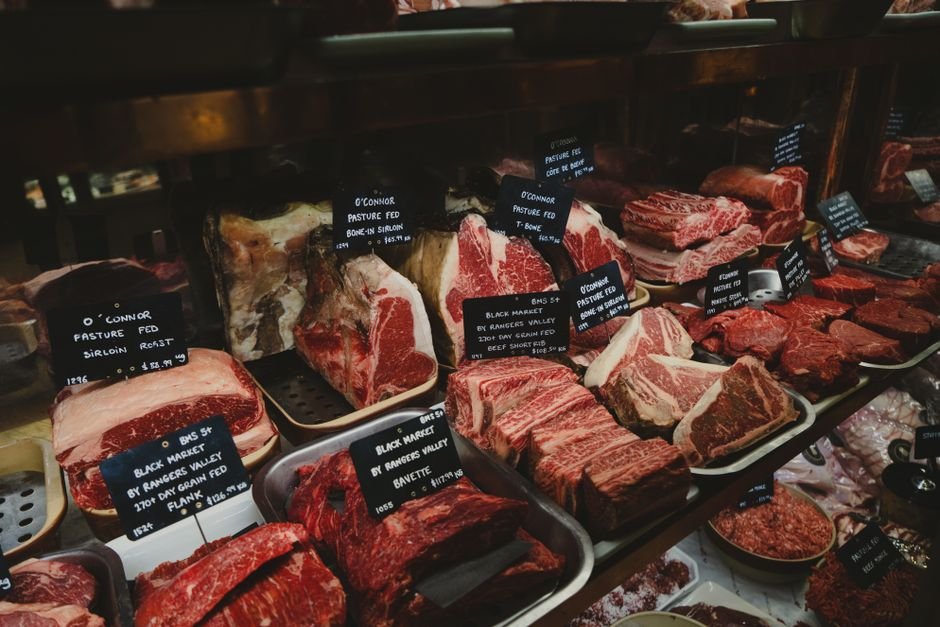
Grass-Fed vs Regular Beef: Nutrition Side by Side
Grass-Fed Beef (3 oz cooked, lean)
- Calories: 180–200
- Protein: 25–27g
- Total Fat: 8–10g (lower overall, more omega-3-rich)
- Omega-3 (ALA + EPA/DHA): 60–80 mg per serving
Regular Grain-Fed Beef (3 oz cooked, lean)
- Calories: 200–220
- Protein: 24–26g
- Total Fat: 10–13g (higher saturated fat)
- Omega-3 (ALA + EPA/DHA): 15–25 mg per serving
| Metric | Grass-Fed Beef | Regular Grain-Fed Beef |
|---|---|---|
| Calories (3 oz lean) | 180–200 | 200–220 |
| Protein (g) | 25–27 | 24–26 |
| Total Fat (g) | 8–10 | 10–13 |
| Omega-3 Fatty Acids (mg) | 60–80 | 15–25 |
| Conjugated Linoleic Acid (CLA) (mg) | 2–3 | 0.5–1 |
| Vitamin B12 (mcg) | 1.4–1.8 | 1.3–1.6 |

Etekcity Food Scale
0.1g accuracy — the perfect companion for exact portions.
Which Is Better For Health Goals and Budget?
If your goal is reducing calories, the answer is essentially a tie—regular beef pulls ahead slightly with lower average calories, but the difference is trivial (roughly 20 fewer calories) and vanishes once you account for portion size or fat trim. If your goal is maximizing omega-3 and anti-inflammatory compounds, grass-fed beef is the clear winner. The omega-3 content is roughly 3–4 times higher, and the ratio of omega-3 to omega-6 is significantly better, which matters for people aiming to reduce systemic inflammation.
For most people optimizing body composition or general health, however, regular beef is the practical choice: it’s cheaper, more available, and the calorie and protein profiles are close enough that food consistency matters far more than the choice between these two. You’ll see better results from eating regular beef consistently than from occasionally splurging on grass-fed and then skipping meat entirely because of cost.
Exception: if you have a diagnosed omega-3 deficiency, don’t eat fish, and want to optimize your fatty acid profile through diet, grass-fed beef becomes worth the premium. Similarly, if you’re on a strict budget and need lean protein, the lower price of regular beef is the practical winner.
Why the Numbers Don’t Tell the Whole Story
The USDA values used in textbooks assume a standardized “retail cut” of beef, but real-world beef varies widely. A grass-fed ribeye from a local farm will have a different fat content than a grass-fed sirloin from a supermarket. The finishing method (finished on grass for the last 30 days, or grass-fed for life?) changes the nutrient profile. Grain-fed cattle finished on grass for a short period split the difference. Grain-fed cattle finished entirely on grain sit at the opposite end of the spectrum.
Age, breed, and storage time also matter. Older grass-fed cattle sometimes have slightly higher CLA, while fresh retail beef loses some volatile compounds sitting in a case under lights. A grass-fed steak from a direct farm purchase is not the same as a grass-fed package from a warehouse club, even though the label says “grass-fed.” The calorie and protein numbers stay fairly constant, but the micronutrient density fluctuates.
To get an exact nutrient read on the specific beef in front of you—whether it’s a chuck roast, ribeye, or ground meat—use our free nutrients calculator. You can input the exact cut, weight, and cooking method to see the real numbers without guessing. Key benefits include:
- Instant calorie and macro adjustments for your exact portion size
- Real omega-3 and micronutrient data for the specific beef type you’re buying
- Comparison across multiple cuts so you know which offers the best nutrient density for your budget
Common Mistakes
People often oversimplify the grass-fed vs. regular beef decision. Here are four errors that lead to wasted money or missed nutrition goals:
❌ Assuming grass-fed beef is significantly lower in calories. The gap is negligible for lean cuts, and you’ll waste budget chasing a calorie savings that doesn’t exist when you could just eat a slightly smaller portion of regular beef.
❌ Ignoring fat content when comparing. Grass-fed beef is leaner per ounce on average, so a grass-fed ribeye and a regular beef sirloin can have wildly different calorie counts—you can’t compare without knowing the cut and trim.
❌ Buying grass-fed ground beef thinking it’s healthier, then cooking it in a way that negates the nutrient advantage. High-heat cooking oxidizes the beneficial omega-3 compounds. Gentle cooking (low-temperature searing, braising) preserves them better.
❌ Treating omega-3 content as the main reason to buy grass-fed when you could get far more omega-3 from a single serving of fatty fish for less money. If omega-3 is your goal, ground flax or a fish oil supplement is often more cost-effective.
FAQ
Is grass-fed beef worth the extra cost?
Only if you prioritize omega-3 intake and have a flexible budget. For pure body composition or strength training, the protein and calorie profiles are too similar to justify the premium unless you value environmental or ethical factors alongside nutrition.
Does grass-fed beef have more calories than regular beef?
No, it typically has slightly fewer or equal calories per serving for comparable lean cuts. The difference is marginal and depends more on the specific cut and fat trim than on whether it’s grass-fed or grain-fed.
What is conjugated linoleic acid (CLA) and why does grass-fed beef have more?
CLA is a type of polyunsaturated fat that early research suggested might aid fat loss. Grass-fed beef has 2–3 times more CLA because grass diet produces higher levels. However, the amount in a serving of beef is too small to produce meaningful fat-loss effects on its own without a calorie deficit.
Can I get the same nutrients from regular beef if I eat slightly more of it?
For protein and most vitamins, yes. For omega-3 fatty acids specifically, you’d need to eat substantially more regular beef to match grass-fed, so it’s not a practical strategy—fish or a supplement is more efficient.
Conclusion
Grass-fed beef vs regular beef is a closer call than marketing suggests. While grass-fed beef does offer more omega-3 fatty acids and a better inflammatory fat profile, the calorie and protein content are nearly identical. For most people chasing body composition or general health, regular beef is the smarter choice because consistency and cost matter more than this micronutrient advantage.
The real nutrition decision comes down to your specific goal and budget. If you’re optimizing for inflammation reduction or already eating fish-free, grass-fed wins. If you’re counting calories or maximizing protein per dollar, regular beef is the practical pick. To know exactly what you’re getting, use a **reliable nutrient calculator** to compare the exact cut and serving you’re planning to eat before you decide which one lands in your cart.
