
Limes are small, tart citrus fruits that have become staples in cuisines around the world, from Mexican tacos to Thai curries to cocktails and infused waters. They’re prized for their acidic juice and distinctive flavor, making them far more than just a garnish. Whether you’re tracking calories for weight loss, managing blood sugar, or simply curious about what you’re consuming, understanding lime nutrition helps you make informed choices.
Limes are among the lowest-calorie fruits available, yet they’re nutrient-dense sources of vitamin C, antioxidants, and fiber. But exactly how many calories are in a lime, and what else does this bright green fruit deliver nutritionally? This guide breaks down the numbers and shows you how to incorporate limes effectively into your diet.
Calories in Lime (Quick Answer)
A medium lime contains roughly 20 calories. Here’s the breakdown by common serving methods:
- One medium lime (67g) — 20 calories
- One tablespoon lime juice (15ml) — 4 calories
- One cup fresh lime juice (240ml) — 65 calories
Calorie content can vary slightly based on the lime’s size, ripeness, and whether you’re measuring the whole fruit or juice.
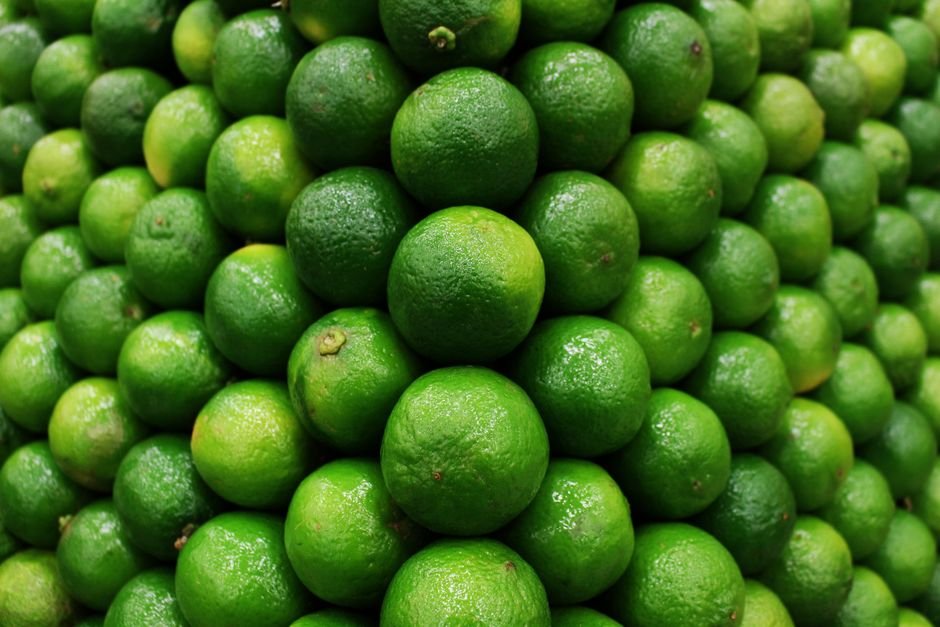
Full Nutrition Facts for One Medium Lime (67g)
A medium lime is a reliable serving reference for tracking your intake. Here’s the complete nutritional profile:
| Nutrient | Amount | % Daily Value |
|---|---|---|
| Calories | 20 | 1% |
| Total Fat | 0.2g | <1% |
| Saturated Fat | 0g | 0% |
| Cholesterol | 0mg | 0% |
| Sodium | 1mg | <1% |
| Total Carbohydrate | 7g | 2% |
| Dietary Fiber | 2g | 7% |
| Total Sugars | 1g | — |
| Protein | 0.4g | <1% |
| Vitamin C | 19.1mg | 32% |
| Folate (B9) | 4.7mcg | 1% |
| Potassium | 102mg | 3% |
*Percent Daily Values are based on a 2,000-calorie diet. Source: USDA FoodData Central.
Key insight: Limes are exceptionally low in calories and sugar, yet deliver nearly one-third of your daily vitamin C requirement in just 20 calories. That fiber-to-calorie ratio makes them particularly useful for weight loss diets, and the high vitamin C content supports immune function and skin health without any dietary fat or cholesterol.

Etekcity Food Scale
0.1g accuracy — the perfect companion for exact portions.
Fresh Lime vs. Fresh Lemon: What’s the Difference?
Fresh Lime (67g, one medium)
- 20 calories, 7g carbs, 2g fiber
- Smaller and rounder with green skin and sharper tartness
- Higher in vitamin C (19mg) relative to calorie density
Fresh Lemon (58g, one medium)
- 17 calories, 5g carbs, 1.6g fiber
- Larger and more oval with yellow skin and balanced sour-tart flavor
- Slightly lower calorie count but similar vitamin C delivery
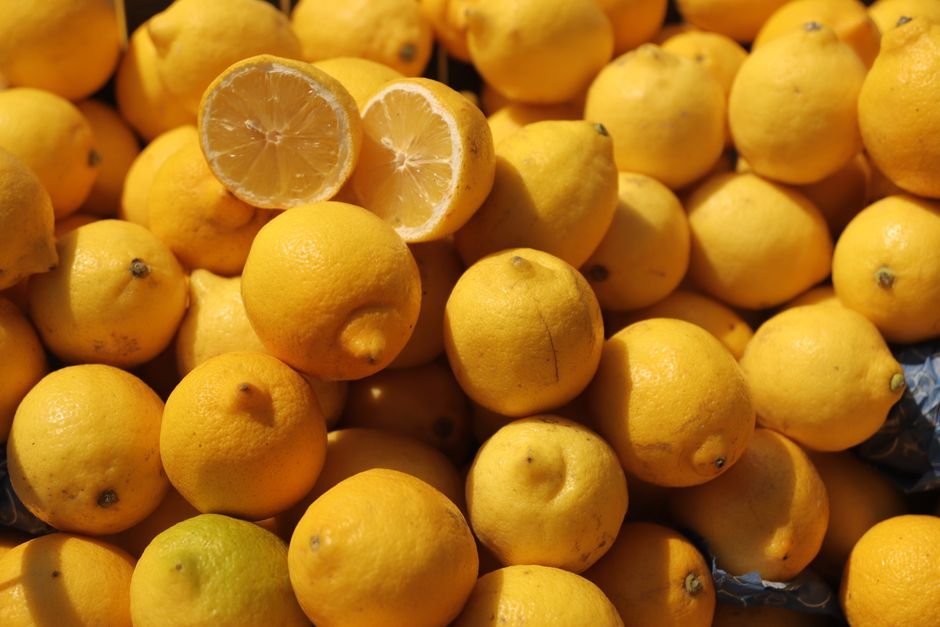
The practical takeaway: Limes and lemons are nutritionally comparable and nearly interchangeable for flavor and health. Limes tend to be slightly more calorie-dense per medium fruit, but both are negligible in calorie impact. Choose based on taste preference and recipe requirement rather than nutrition—the difference is minimal, and both are excellent additions to any diet.
Is Lime Good for Weight Loss?
Yes, limes are excellent for weight loss. At just 20 calories per medium fruit with virtually no fat or protein, they contribute almost nothing to your daily calorie intake while adding brightness, flavor, and satiety to meals and drinks. The 2g of fiber per lime aids digestion and can help you feel fuller longer. Most importantly, adding lime juice to water, salads, or lean proteins makes those foods more enjoyable without adding calories, which helps you stick to a calorie-controlled diet.
Tips to Eat Lime Without Gaining Weight:
- Use lime juice instead of high-calorie dressings. Squeeze fresh lime over salads, fish, or grilled vegetables to replace mayo-based or oil-heavy dressings (saving 100+ calories).
- Infuse water with lime for flavor without calories. A glass of lime water (0 added calories) is far more satisfying than plain water and beats sugary beverages entirely.
- Add lime to protein dishes for taste enhancement. Lime juice on grilled chicken, shrimp, or tofu adds zest without fat—making lean proteins more palatable and helping you eat less overall.
- Avoid sugary lime-based drinks. Margaritas, sweetened limeade, and bottled lime juice drinks can contain 150–300 calories per serving. Stick to fresh lime juice when possible.
Eaten whole or as fresh juice without added sugar, limes are one of the safest citrus fruits for weight loss goals.
How Portion Size Affects Calories
Because limes are so small and low in calories, portion size has minimal absolute impact—but it matters if you’re consuming multiple limes or large quantities of lime juice. A whole medium lime (67g) delivers 20 calories. If you scale up, the calorie load increases linearly, though most people consume limes in measured quantities like juice squeezed from one fruit or a slice used as garnish.
Example:
- One small lime (50g) — approximately 15 calories
- Two medium limes (134g) — approximately 40 calories
In practical terms, consuming an entire lime as juice or segments adds negligible calories to your daily intake, so limes can be used as liberally as desired for flavoring.
Best Way to Measure Lime Accurately
Accuracy in measuring limes matters most if you’re tracking juice for specific recipes or studying your actual calorie intake down to the gram. The easiest approach is to use the whole fruit as your unit—one medium lime. If you’re extracting juice, measure it by volume (tablespoon or cup) rather than trying to estimate from the fruit itself, since yield varies based on ripeness and juiciness. A digital kitchen scale is the most precise tool if you’re weighing raw fruit for detailed nutrition tracking.
Options:
- Count by whole fruit: Simplest method for most people. One medium lime = one serving unit.
- Measure by juice volume: Use measuring spoons or cups for liquid lime juice. One tablespoon ≈ 4 calories, one cup ≈ 65 calories.
- Weigh on a digital scale: Most precise for nutrition tracking. Aim for 60–70g as a “medium” lime reference point.
Calculate Your Exact Calorie Intake
If you’re using limes regularly in your diet and want to understand their true calorie contribution alongside other foods, tracking becomes essential. Are you adding lime juice to every meal, blending it into smoothies, or just using occasional garnishes? The cumulative impact depends on your total consumption.
Our free AI nutrients calculator makes it simple to log limes and dozens of other foods in real-time, giving you an accurate picture of your daily calorie and nutrient intake. Simply enter the serving size, and the tool instantly shows you calories, macros, fiber, and micronutrients.
- Instantly see nutritional breakdowns for any food quantity or preparation method.
- Track trends over time to understand how individual foods fit into your overall diet.
- Make adjustments on the fly if you’re approaching daily calorie or nutrient limits.
Common Mistakes When Eating Lime
Most lime-related nutrition errors stem from underestimating calories in lime-based preparations or forgetting about sugars added to lime juice drinks. Here are the pitfalls to avoid:
❌ Confusing fresh lime juice with bottled or concentrate versions, which often contain added sugars and can triple the calorie content.
❌ Eating candied lime peel or lime-flavored desserts and assuming they carry the same negligible calories as fresh fruit (they typically contain 50–150 calories per serving).
❌ Drinking multiple margaritas, mojitos, or sweetened lime beverages without realizing each contains 150–300 calories plus 15–30g of sugar.
❌ Using lime as a justification to consume high-calorie accompaniments like chips, salted nuts, or creamy dips without accounting for those calories separately.
Fresh lime itself is nearly guilt-free; the mistakes come when it’s combined with sugar, alcohol, or calorie-dense foods.
FAQ
How many calories are in 100g of lime?
One hundred grams of lime (roughly 1.5 medium limes) contains approximately 30 calories. Since most limes are in the 60–70g range per medium fruit, 100g serves as a useful reference for scaling nutrition data.
Is lime fattening?
No. Limes contain virtually no fat (0.2g per fruit) and are extremely low in calories (20 per medium fruit). They’re one of the least fattening foods available and actively support weight loss when used to enhance the flavor of lean proteins and vegetables without adding calorie-dense fats or sauces.
Does lime juice lose nutrients when squeezed?
Fresh-squeezed lime juice retains most of its vitamin C and other micronutrients when consumed immediately. However, vitamin C degrades over time when exposed to light and air, so bottled or concentrated lime juice—especially those with added sugars—may deliver fewer active nutrients alongside more calories. Fresh juice is always superior.
Can I eat lime peel or should I only drink the juice?
The peel contains fiber, antioxidants, and essential oils that aren’t in the juice alone. Many people add lime zest to dishes for extra nutrition and flavor, or eat the whole fruit (skin included) in traditional preparations. However, raw peel is bitter; most prefer fresh juice or zested peel added to recipes. Both peel and juice are nutritious, so choose your method based on taste and culinary preference.
Conclusion
Limes are among the most diet-friendly fruits available, delivering just 20 calories per medium fruit alongside significant vitamin C, fiber, and a negligible calorie-to-nutrient ratio. They’re free from fat, cholesterol, and added sugars in their natural state, making them ideal for weight loss, blood sugar management, and general wellness. Their versatility—as juice, garnish, zest, or whole fruit—means you can incorporate them into virtually any meal or beverage without worrying about calorie creep.
Whether you’re squeezing lime over grilled fish, infusing water for flavor, or adding zest to salads, you’re making a nutritionally sound choice with virtually zero downside. For detailed tracking of lime consumption alongside your other foods, use a reliable nutrients calculator to ensure you’re meeting your daily nutritional targets. The math is simple, the fruit is delicious, and your diet will thank you.
