
How much olive oil can you use daily on a 1500 calorie diet depends on your other nutrition goals, but the quick answer is 1 to 2 tablespoons per day maximum without exceeding safe calorie limits. Since olive oil packs 120 calories per tablespoon, a single tablespoon consumes 8% of your daily allowance—meaning every additional spoon matters. Most people on a 1500 calorie deficit are trying to lose weight while still eating real food, and olive oil is one of the few healthy fats that actually fits into that goal, if measured carefully.
This article compares how much olive oil works within a 1500 calorie framework against the reality of daily cooking and salad dressing. We’ll show you the math, reveal what portion sizes really mean in practice, and explain why the “healthy fat” narrative can easily derail a calorie deficit if you’re not paying attention. The verdict: 1.5 tablespoons (about 180 calories) is the safe upper limit for most 1500 calorie dieters, leaving room for other essential nutrients without sacrificing your deficit.
How much olive oil can you use daily on a 1500 calorie diet, Quick Answer
The straightforward answer is 1 to 2 tablespoons per day—roughly 120 to 240 calories—depending on whether you’re using it for cooking, dressing, or dipping. At 1.5 tablespoons (the middle ground), you’ll spend 180 calories on oil, leaving 1320 calories for protein, carbs, vegetables, and other essential nutrients. This changes if you’re extremely sedentary (go lower) or if you’re combining olive oil with other healthy fats already in your diet like nuts, avocado, or fatty fish.
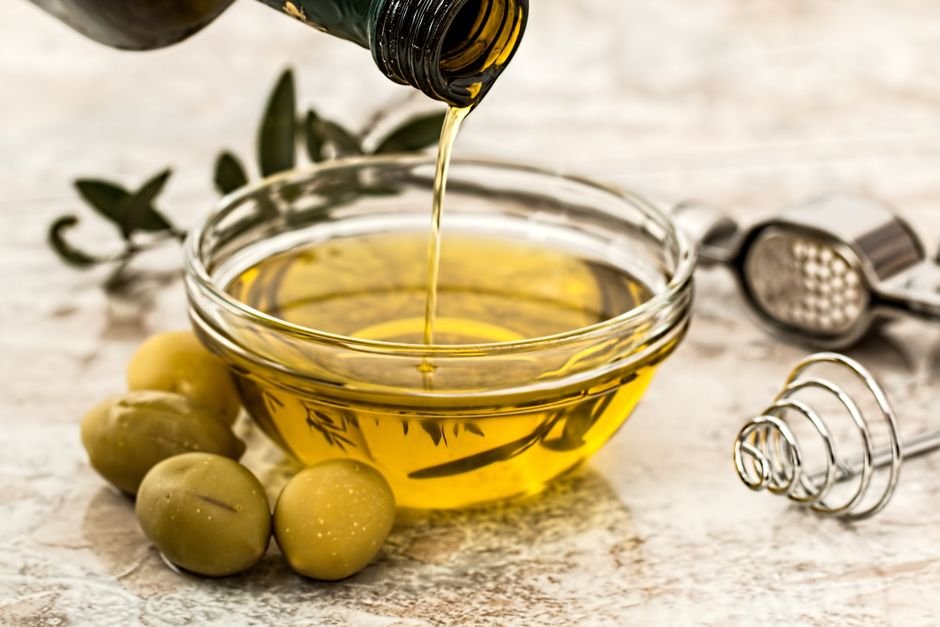
Olive Oil vs. Your 1500 Calorie Budget: The Numbers
Olive Oil
- 120 calories per tablespoon (14g serving)
- 14g total fat per tablespoon (100% of calories)
- Contains 10g monounsaturated fat (heart-healthy)
- Micronutrients: vitamin E (about 2mg per tablespoon)
Your 1500 Calorie Daily Allowance
- Recommended daily calorie total for moderate weight loss
- Typical fat allowance: 40–65g per day (360–585 calories)
- Typical carbohydrate allowance: 150–225g per day (600–900 calories)
- Typical protein allowance: 75–112g per day (300–450 calories)
| Metric | Olive Oil (1 Tbsp) | 1500 Cal Diet Allowance |
|---|---|---|
| Calories | 120 | 1500 total |
| Total Fat | 14g | 40–65g |
| Monounsaturated Fat | 10g | 20–35g (target) |
| Carbohydrates | 0g | 150–225g |
| Percentage of Daily Calories | 8% per tablespoon | — |

Etekcity Food Scale
0.1g accuracy — the perfect companion for exact portions.
Which Is Better For Weight Loss on a 1500 Calorie Diet?
Olive oil is worth the calorie investment on a 1500 calorie diet, but only if you cap it at 1 to 1.5 tablespoons per day. The monounsaturated fats in olive oil actually support satiety and help your body absorb fat-soluble vitamins (A, D, E, K), which are essential when you’re eating at a deficit. One tablespoon of olive oil in a salad dressing keeps you full longer than the same calories from carbs alone, making it a smart allocation of your calorie budget.
However, olive oil becomes a weight-loss liability if you’re pouring freely without measuring. Two tablespoons (240 calories) leaves only 1260 calories for everything else—protein, fiber, and micronutrient-dense foods—and that’s often not enough to prevent hunger and muscle loss. The caveat: if you’re already getting fat from fish, nuts, or avocado, reduce olive oil to 0.5–1 tablespoon to avoid overshooting your 40–65g daily fat target.
Why the Numbers Don’t Tell the Whole Story
A tablespoon is only 14 grams, but most people’s “tablespoon” pours are closer to 20–25 grams when done by hand. That’s 170–210 calories—not 120. If you use a standard measuring spoon from a drawer, you might be accurate; if you eyeball from a bottle, you’re almost certainly over. Similarly, cooking methods matter: sautéing vegetables in 1.5 tablespoons of oil absorbs more oil than roasting and drizzling the same amount over finished greens, because the oil that evaporates during heat doesn’t go into your body the same way as oil absorbed by raw food.
Brand variation is negligible (all olive oils are roughly 120 cal/Tbsp), but your other fat sources change everything. If your 1500 calorie plan includes 3 ounces of salmon (about 2.5g fat) and a small handful of almonds (about 6g fat), you’ve already consumed 8.5g of the healthy monounsaturated fats olive oil provides. Adding 1.5 tablespoons of oil (10g more monounsaturated fat) might be overkill for some goals, while 1 tablespoon fits perfectly. The solution: measure olive oil with a kitchen scale or marked measuring spoon, and track the total fat from all sources—not just oil.
According to the USDA FoodData Central, one tablespoon of extra virgin olive oil (14g) contains exactly 119 calories and 13.5g of fat. This is the gold standard reference point, but your actual serving will only match it if you measure, not estimate.
To remove all guesswork, use a free AI nutrients calculator (available at https://nutrientscalculator.com/) to log your olive oil by weight and see exactly how it fits into your 1500 calorie target. The benefits of tracking this way:
- See instant feedback on whether your oil fits your daily calorie and fat macros
- Discover how much room you have left for other healthy fats in the same day
- Avoid the “just a little extra drizzle” creep that sabotages a deficit over weeks
Common Mistakes
Most people on a 1500 calorie diet make one of these four errors with olive oil:
❌ Pouring “about a tablespoon” without measuring. A typical hand-pour is 20–25g (170–210 calories), not the measured 14g (120 calories). You could be adding 50–90 calories per meal without realizing it.
❌ Assuming olive oil has special “fat-burning” properties. It doesn’t. Monounsaturated fat is healthy and satiating, but 120 calories is still 120 calories—it counts against your deficit the same as any other fat source.
❌ Not accounting for oil used in cooking. If you sauté vegetables in 1 tablespoon and then add 1.5 tablespoons of olive oil dressing, you’ve used 2.5 tablespoons (300 calories) without even realizing it because the cooking oil “disappeared” into the pan.
❌ Forgetting to subtract olive oil calories from your overall fat allowance. If your plan allows 50g fat per day, and you use 2 tablespoons of oil (28g fat), you only have 22g left for nuts, fish, and other foods—and that’s usually not enough protein or nutrient density.
All four of these mistakes can add 200–400 calories per week to your intake, erasing a safe weight-loss deficit in one month.
FAQ
Can I use olive oil every single day on a 1500 calorie diet?
Yes, 1 to 1.5 tablespoons daily is safe and healthy. The key is consistency: measure it the same way every day, and include it in your fat macro tracking. If you skip olive oil some days, you can use more on others without harm, but daily tracking prevents accidental overage.
Is extra virgin olive oil different from regular olive oil for a 1500 calorie diet?
Nutritionally, they’re nearly identical: both about 120 calories and 14g fat per tablespoon. Extra virgin has more antioxidants (polyphenols), which may offer anti-inflammatory benefits, but that doesn’t change the calorie or macro count. Choose whichever fits your budget and taste.
What if I’m using olive oil for cooking—do I count all of it?
Only count what stays in the food. A rough guide: about 50% of cooking oil is absorbed by the food, the rest evaporates or stays in the pan. For accuracy, weigh your final dish and track the whole amount you poured, then subtract roughly half. Better yet, use a kitchen spray or nonstick pan to reduce cooking oil altogether.
Should I cut olive oil entirely if I’m under 1500 calories?
No. Going below 1500 calories without medical supervision is risky, and eliminating all fat sources defeats the point of a 1500 calorie diet (which is to lose weight while eating real, satiating food). If you’re truly eating 1500 calories, 1 tablespoon of olive oil is a worthwhile part of that plan, not a luxury to cut.
Conclusion
How much olive oil can you use daily on a 1500 calorie diet is a real constraint: 1 to 1.5 tablespoons per day is the safe limit, accounting for roughly 120–180 calories and fitting your total daily fat allowance of 40–65g. Olive oil is genuinely healthy (monounsaturated fats, vitamin E, anti-inflammatory compounds), and it’s worth including—but only if measured precisely and tracked as part of your overall macro plan.
The practical takeaway: measure olive oil by weight or marked measuring spoon (not by hand), log it into your daily tracker, and leave room for other fat sources like fish, nuts, and whole foods. If you’re uncertain whether your actual serving matches the label, use a **reliable nutrients calculator** to log your olive oil by weight and see exactly how it affects your daily balance.
