
Cod is one of the world’s most popular white fish, consumed in countless cultures from Scandinavia to Portugal to East Asia. It’s a staple for anyone looking to eat lean protein without excess calories or fat. Whether you’re managing your weight, building muscle, or managing blood sugar and cholesterol levels, cod fits naturally into most nutrition goals.
But exactly how many calories are in cod, and what does a typical serving deliver nutritionally? This guide breaks down the numbers so you can make informed choices and fit cod into your daily targets.
Calories in Cod (Quick Answer)
A 100-gram serving of raw cod contains approximately 82 calories. Here’s how it varies by preparation:
- Raw cod (100g): 82 calories, 18g protein, 0.7g fat
- Baked cod (100g): 82 calories, 18g protein, 0.7g fat (minimal change from cooking alone)
- Cod with oil (100g baked + 1 tsp oil): 127 calories, 18g protein, 5.7g fat
Calorie counts remain consistent between raw and cooked cod when no added fat is used. The preparation method and any added oils or breading are what shift the total.
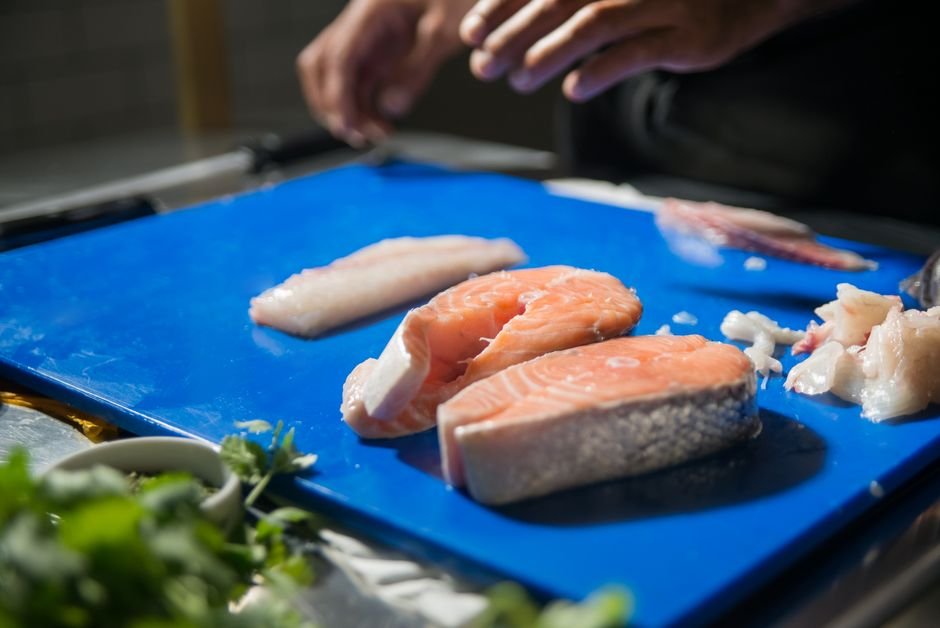
Full Nutrition Facts for 100g of Cod
This table reflects a 100-gram serving of raw Atlantic cod, one of the most commonly consumed varieties. Values are sourced from USDA FoodData Central.
| Nutrient | Amount | % Daily Value* |
|---|---|---|
| Calories | 82 | — |
| Total Fat | 0.7g | 1% |
| Saturated Fat | 0.1g | 1% |
| Cholesterol | 43mg | 14% |
| Sodium | 54mg | 2% |
| Total Carbohydrate | 0g | 0% |
| Dietary Fiber | 0g | 0% |
| Total Sugars | 0g | 0% |
| Protein | 18g | 36% |
| Vitamin D | 0.1 mcg | 1% |
| Selenium | 32 mcg | 58% |
| Vitamin B12 | 0.9 mcg | 15% |
*Percent Daily Values are based on a 2,000-calorie diet. Source: USDA FoodData Central.
Key insight: Cod is a true lean protein powerhouse. At 82 calories and 18g of protein per 100g, it delivers one of the best protein-to-calorie ratios available—comparable to chicken breast. The negligible fat content (0.7g) makes it ideal for low-fat diets, while the selenium content (58% DV) supports thyroid function and antioxidant defense. This fish contains virtually no carbohydrates, making it compatible with ketogenic and blood-sugar-conscious eating patterns.
Etekcity Food Scale
0.1g accuracy — the perfect companion for exact portions.
Raw Cod vs. Baked Cod: Does Cooking Change the Calories?
Raw Cod (100g)
- Slightly firmer texture; used in sushi-grade preparations or ceviche when sourced fresh
- Retains 100% of water-soluble B vitamins before cooking
- 82 calories, 0.7g fat—the baseline for comparison
Baked Cod (100g, no added fat)
- Loses some water weight during cooking; texture becomes flaky and tender
- Calorie density increases slightly per gram due to water loss, but a typical 100g cooked portion has the same total calories as raw
- Heat may reduce some heat-sensitive nutrients (B vitamins) by 10–25%, but selenium and protein remain stable
Practical takeaway: The cooking method itself—baking, steaming, poaching—does not add calories unless you use oil, butter, or a heavy sauce. A 100g fillet baked dry contains the same 82 calories as raw. This makes cod extremely flexible: bake it plain, poach it in broth, or steam it with lemon. Only when you drizzle oil or add a creamy sauce does the calorie count climb significantly.
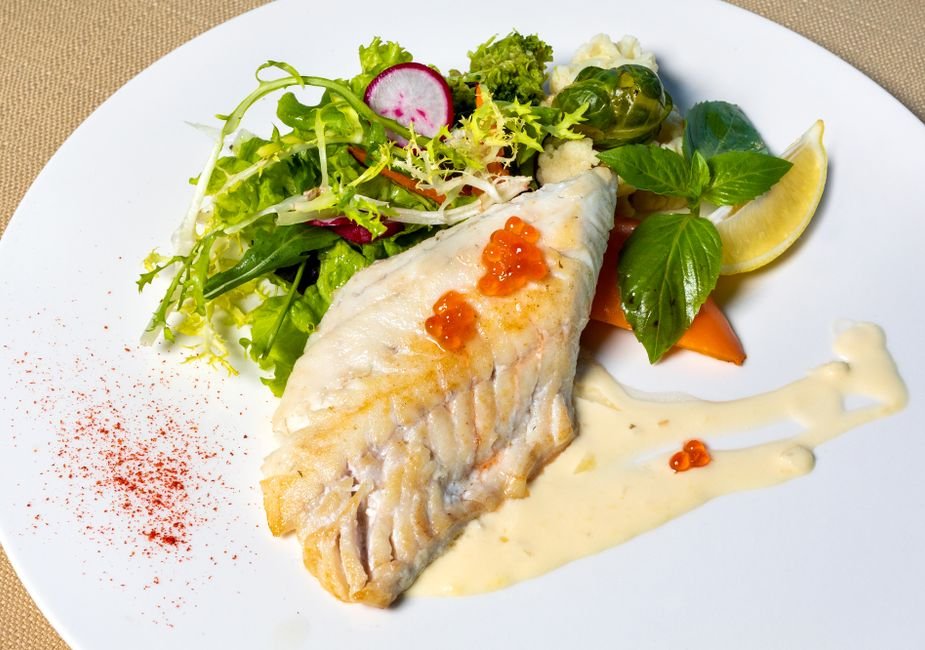
Is Cod Good for Weight Loss?
Yes. Cod is among the best fish choices for weight loss because it is extremely low in calories yet very high in protein. A single 150g serving delivers 27g of protein for only 123 calories—a macronutrient ratio that promotes satiety, preserves muscle mass during a calorie deficit, and keeps your metabolism active. The lack of carbohydrates means no blood-sugar spikes, and the low fat content fits easily into any calorie target. Cod is also naturally low in sodium (just 54mg per 100g), helpful for managing water retention and supporting cardiovascular health during weight loss.
Tips to Eat Cod Without Gaining Weight:
- Skip the oil: Bake or steam cod instead of pan-frying. If you must use fat, measure one teaspoon of olive oil and account for the ~45 added calories.
- Choose simple seasonings: Lemon, garlic, herbs, salt, and pepper add flavor without calories. Cream-based sauces, tartar sauce, and melted butter can double or triple the calorie count.
- Pair with vegetables: Serve cod with roasted broccoli, steamed green beans, or a large salad. Filling your plate with low-calorie vegetables keeps portions satiating without excess calories.
- Avoid breading: Breaded fish (fish sticks, fried fillets) adds 50–100 calories and often contains refined carbohydrates and unhealthy fats. Stick to plain or lightly seasoned fillets.
When prepared simply, cod becomes a weight-loss ally, not a source of hidden calories. Focus on the fish itself and what you pair it with, and the numbers will work in your favor.
How Portion Size Affects Calories
Cod’s low calorie density makes portion sizes highly flexible. A typical restaurant fillet ranges from 150–200g, while home-cooked portions can be smaller or larger depending on your calorie goals. Even a generous serving won’t tip you over unintentionally if the fish is prepared plain. Understanding how weight translates to calories lets you stay on target without guesswork.
Example:
- Small portion (100g raw cod): 82 calories, 18g protein. Suitable for a light lunch or as part of a multi-protein meal.
- Large portion (200g raw cod): 164 calories, 36g protein. A substantial dinner entrée that still fits comfortably within most calorie budgets.
Even doubling your serving from 100g to 200g only adds 82 calories—a negligible increase compared to equivalent portions of fattier fish or meat.
Best Way to Measure Cod Accurately
Precision matters when tracking nutrition, and cod’s variable fillet thickness can make visual estimation unreliable. A digital kitchen scale is the most accurate method and takes seconds to use. If you don’t have a scale, a standard fillet (a typical restaurant portion) weighs approximately 150–170g.
Options:
- Digital kitchen scale (most accurate): Place the raw or cooked fillet on the scale and note the weight. This method is accurate to within 1–2g and removes all guesswork.
- Compare to common objects: A 100g fillet is roughly the size of a deck of cards in thickness and width. A 150g fillet (a small-to-medium restaurant entrée) is noticeably thicker or wider.
- Use USDA serving guidelines: The standard serving is 100g of cooked cod. If ordering out, ask the restaurant for the fillet weight, or estimate based on the plate visual (a typical entrée is 150–200g).
Calculate Your Exact Calorie Intake
If you’re tracking macronutrients for weight loss, muscle building, or medical reasons, knowing the exact protein, fat, and carbohydrate content of your cod portion is invaluable. General guidelines work, but personalized tracking ensures you hit your specific targets day after day.
Our free AI nutrients calculator takes the guesswork out of meal planning. Enter your cod portion size, and the tool instantly breaks down calories, protein, carbs, fat, and micronutrients. It works with any food, any quantity, and syncs with your daily targets to keep you accountable. Try the calculator free.
- Instant macronutrient breakdown for any portion size
- Track multiple meals and see daily totals in real time
- Identify nutritional gaps and adjust your food choices accordingly
Common Mistakes When Eating Cod
Even a nutrient-dense food like cod can undermine your goals if prepared carelessly. Here are the most common pitfalls:
❌ Adding oil or butter without measuring. One tablespoon of oil adds 120 calories—nearly matching the cod itself. If you use fat, measure it carefully or skip it entirely.
❌ Assuming “baked” is always healthy. Baked cod in a creamy sauce, topped with cheese, or served with a buttery breadcrumb crust can contain 300+ calories. Read the label or ask how it’s prepared.
❌ Forgetting about sodium in packaged or frozen cod. Some frozen fillets contain 200–400mg of sodium per 100g (versus 54mg in fresh raw cod). Check the label if you’re monitoring sodium intake.
❌ Eating oversized portions without weighing. A “fillet” at home might be 250g, adding 50+ uncounted calories compared to a standard 150g serving.
Weigh your portions, prepare cod simply, and you’ll stay aligned with your nutrition goals.
FAQ
How many calories are in 100g of cod?
Raw Atlantic cod contains 82 calories per 100g, with minimal change when baked or steamed without added fat. This makes it one of the lowest-calorie fish available.
Is cod fattening?
No. Cod is not fattening when prepared plainly. It contains only 0.7g of fat per 100g and 82 calories. The only way cod becomes high-calorie is through added oils, butter, sauces, or breading during preparation.
Does frozen cod have the same calories as fresh cod?
Yes, nutritionally. Freezing does not change the calorie or macronutrient content of cod. However, some frozen varieties are packaged with added sodium or preservatives, so always check the label. Plain frozen fillets are as nutritious as fresh.
How much protein is in cod?
A 100g serving of raw cod contains 18g of protein, making it an excellent source for muscle building and satiety. A 150g fillet delivers 27g of protein for just 123 calories—an exceptional protein-to-calorie ratio.
Conclusion
Cod is a nutritional standout: remarkably low in calories, extremely high in protein, and rich in selenium and B vitamins. At 82 calories and 18g of protein per 100g, it outperforms most other fish and matches or beats chicken breast on a per-calorie basis. Whether your goal is weight loss, muscle maintenance, or blood-sugar management, cod delivers consistent nutrition with minimal complexity.
The key to maximizing cod’s benefits is preparation: bake, steam, or poach it plain, pair it with vegetables, and skip the heavy sauces and excess oil. If you’re serious about aligning your diet with your goals, measure your portions and track your intake using a **reliable nutrients calculator**. Every meal is an opportunity to move closer to your targets—make each one count.
